Remember when trucks were honest? When a Ford F-100 was just a metal box on wheels that hauled your lumber without judging your life choices? Those days died somewhere around 2005, buried under 14-way power seats and ambient lighting that’d make a downtown club jealous.
Today’s pickups have identity crises bigger than their carbon footprints. They’re desperately trying to be luxury cars, off-road monsters, family haulers, and ego boosters all at once. The result? Trucks so bloated with features and attitude that they need their own ZIP codes. The thing is, however, we sorta love it.
What Makes a Pickup Too Extra

This list highlights pickups that lean into size, style, and road presence with full commitment, maybe too much commitment. Extra means extra large, with wide bodies, tall roofs, bold proportions, and cabins that stretch from door to door. These trucks were picked because they take everyday utility and build something bigger, bolder, and louder.
Every model here brings something visually massive or physically oversized that makes it impossible to ignore. Interiors feel elevated with upscale materials, oversized screens, and comfort features that mirror luxury sedans. Each truck includes design elements that push the boundaries of what pickups were originally meant to do.
These pickups were chosen because they go big everywhere it matters, and everywhere it doesn’t.
Ford F-250 Super Duty King Ranch
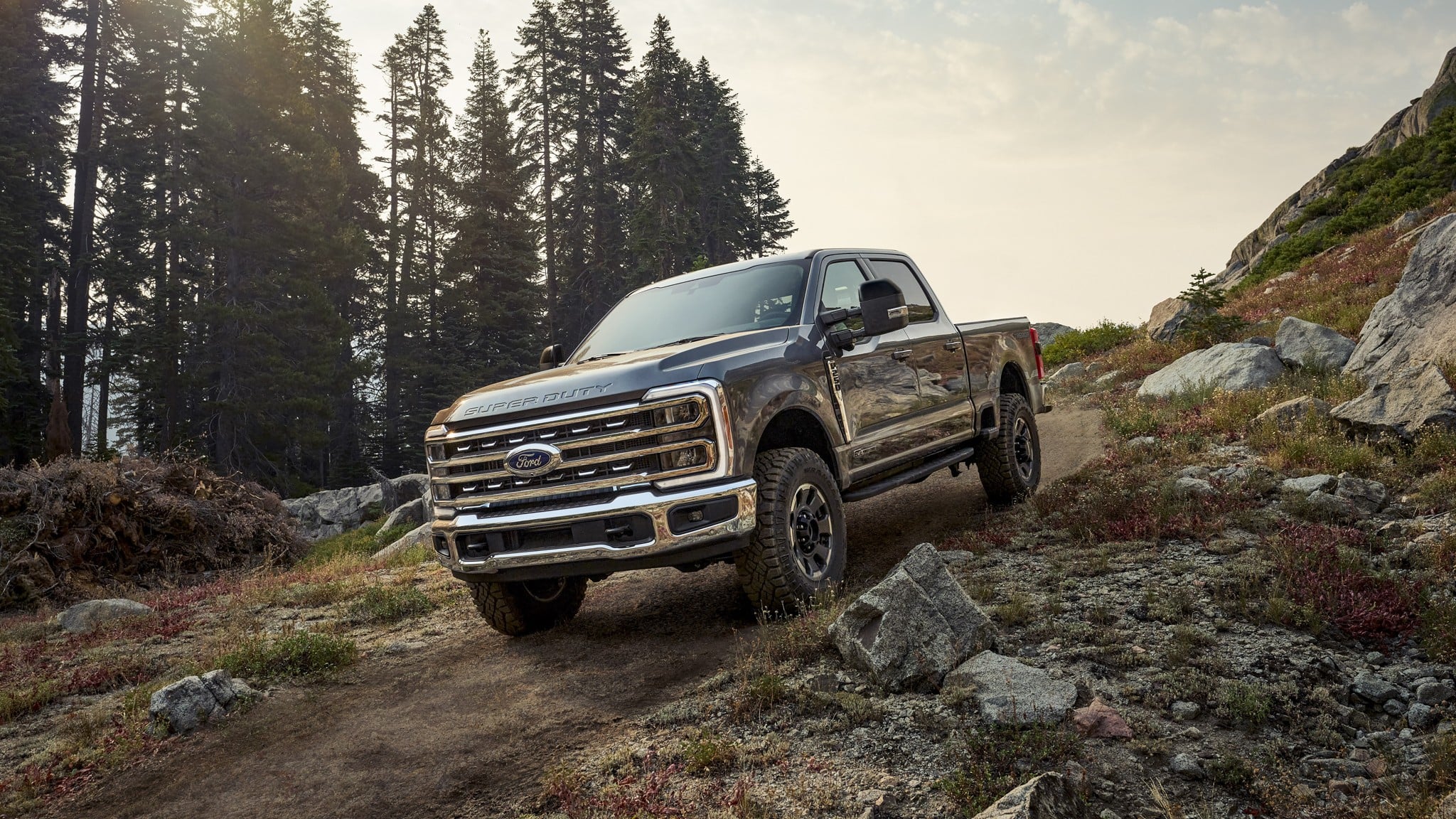
The Stats That Matter: Pricing swings wildly with cab, bed, and engine choices, but a King Ranch Super Duty commonly stickers well above $90,000 once you add big ticket options like the 6.7L Power Stroke diesel. The 6.7L Power Stroke V8 turbo diesel is rated at 475 hp and 1,050 lb ft of torque. Depending on configuration, Ford lists F 250 curb weights from 6,583 lb to 7,645 lb, and the longest versions can stretch past 260 inches overall.”
Ford decided the best way to sell trucks was to wrap them in enough brown leather to upholster a small ranch. The King Ranch edition comes with “Mesa Brown” leather that costs more per square foot than most people’s rent. They even branded the seats, because nothing says “authentic cowboy” like corporate logos burned into cowhide.
The cabin sits so high you need a stepladder and the kind of health insurance that covers hip replacements. Ground clearance and payload depend heavily on configuration. Ford lists F 250 maximum payload at up to 4,240 lb in the right spec, but heavy trims and diesel options cut that number down.
Those chrome running boards aren’t just for show: they’re a necessity unless you enjoy explaining to your chiropractor why you’re shaped like a question mark. The tailgate alone weighs more than a Honda Civic’s engine, and the bed liner costs extra because apparently $80,000 doesn’t cover everything.
GMC Sierra 1500 Denali Ultimate
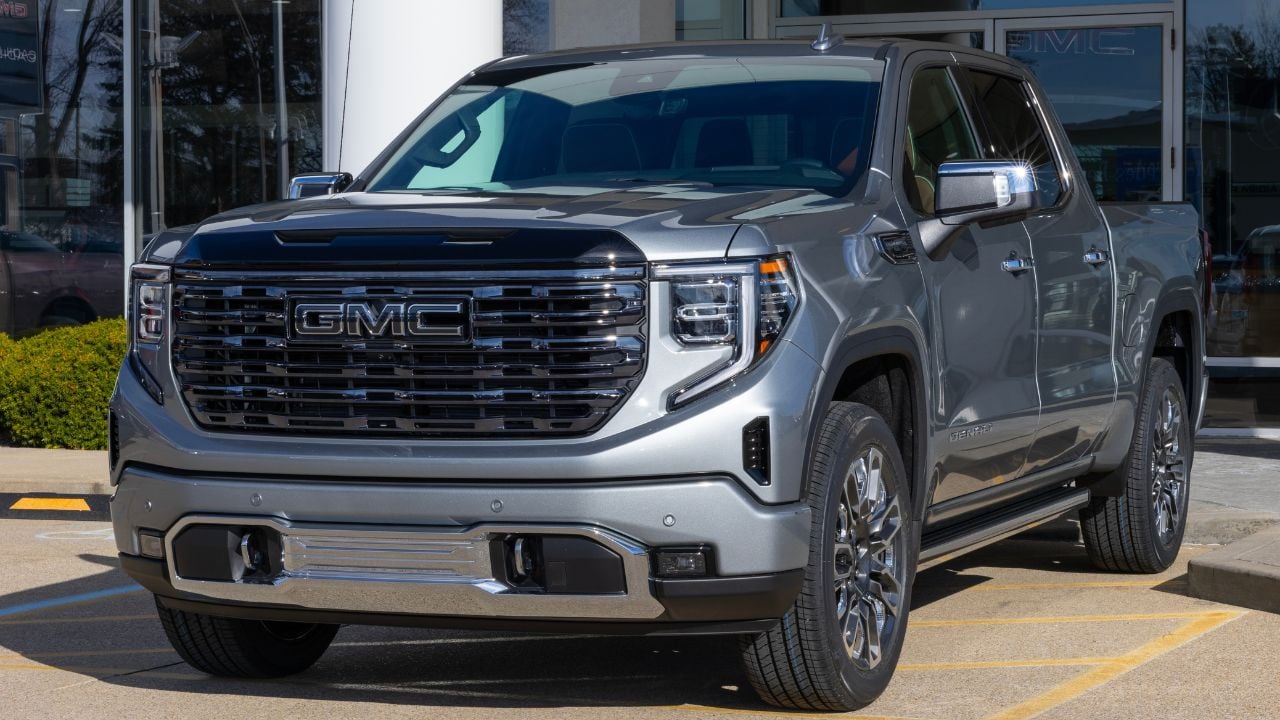
The Numbers Game: The Sierra 1500 Denali Ultimate carries a much higher sticker, with MSRP around $84,500, and it measures about 231.9 inches long. In 4WD form, curb weight is about 5,250 lb and EPA fuel economy is 15 mpg city, 19 mpg highway, 16 mpg combined. The 6.2L V8 is rated at 420 hp.”
GMC took the Denali name, which originally referred to North America’s tallest peak, and slapped it on a truck that’ll never see anything more challenging than a parking garage speed bump. The “Ultimate” trim adds $7,000 worth of features that would make a Bentley blush, including 22-inch wheels that cost $400 each to replace and a suspension system that adjusts itself more than a yoga instructor.
The cabin features “Jet Black” leather with “Kalahari” accents, because apparently regular black wasn’t dramatic enough. The 13.4-inch infotainment screen is larger than most tablets and has more processing power than the computers that landed on the moon. It takes 47 seconds to boot up, which gives you plenty of time to question your life choices.
That fancy MultiPro tailgate has six different configurations, none of which work intuitively. It’s like furniture from IKEA, but heavier and more likely to pinch your fingers. The bed measures 5’8″, which is perfect if you need to haul exactly two sheets of plywood or your wounded pride.
Ram 1500 TRX
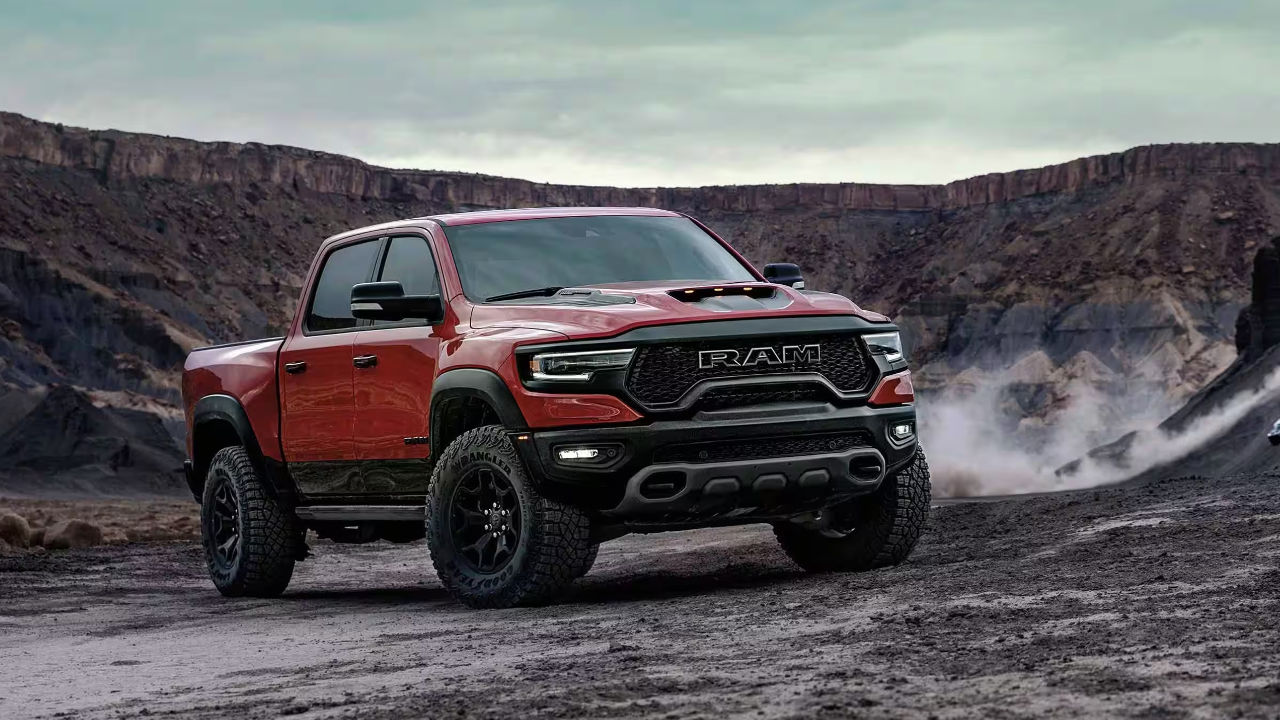
Ridiculous Specs: This 6,396-pound missile packs a supercharged 6.2L Hellcat V8 making 702 hp and 650 lb-ft of torque. It’ll hit 60 mph in 4.5 seconds, which is faster than many sports cars and roughly as subtle as a divorce announcement on Facebook. EPA rating? 12 mpg combined, or about what you’d expect from a small airplane.
Ram looked at their regular 1500, then asked, “What if we made this completely insane?” The answer was a $30,000 upcharge for an engine borrowed from a Challenger Hellcat, because apparently regular truck owners weren’t compensating hard enough. The TRX comes standard with Bilstein adaptive dampers, BFGoodrich All-Terrain T/A KO2 tires that cost $400 each, and the kind of suspension travel that makes Baja racers weep with joy.
The fender flares stick out 6 inches wider than a regular Ram, because subtlety is for people who don’t need everyone to know about their recent midlife crisis. Those 35-inch tires create a stance so aggressive it makes mall crawlers everywhere feel inadequate. The hood scoop is functional, feeding the supercharger the kind of air it needs to turn dinosaurs into noise at an alarming rate.
Inside, the seats are wrapped in “Black Laguna” leather with silver stitching that probably cost more than your car’s interior. The 12-inch Uconnect screen displays real-time performance data, so you can watch your fuel economy die in real time.
Chevrolet Silverado
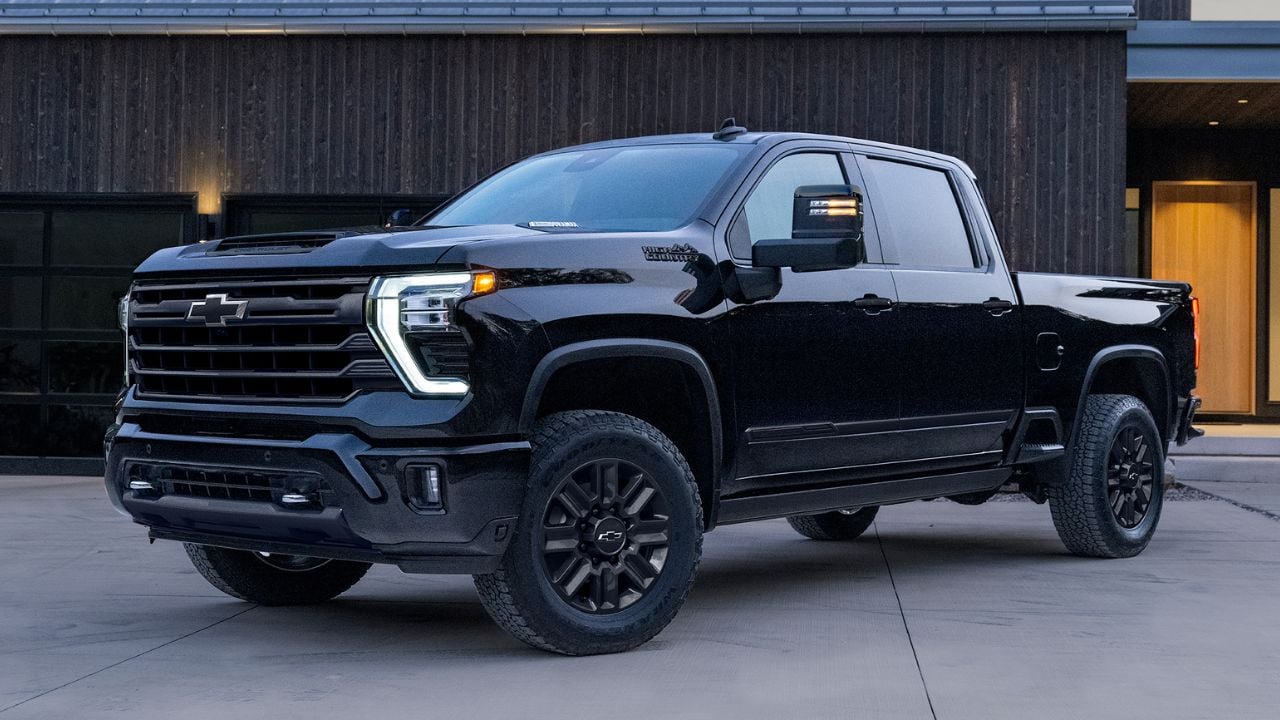
The Reality Check: A Silverado 1500 High Country starts at $62,700, and in Crew Cab short bed form it measures about 231.8 inches long. With 4WD, curb weight is about 5,080 lb and fuel economy can land at 15 mpg city, 19 mpg highway, 16 mpg combined. The available 6.2L V8 is rated at 420 hp.
Chevrolet saw Ford’s King Ranch and felt it was a challenge they could one-up (or three-up, really). The High Country edition dumps enough chrome on this truck to blind aircraft pilots. The grille alone uses more polished metal than most luxury sedans, creating a reflective surface that could power a small solar farm.
The interior features “Jet Black/Umber” leather that’s softer than most people’s resolve at 0% APR financing. The 13.4-inch diagonal display runs MyLink infotainment, which responds about as quickly as customer service at the DMV. Bose premium audio with nine speakers ensures your neighbors can fully appreciate your questionable music choices at 6 AM.
Those power-retractable assist steps cost $1,995 extra and move slower than government bureaucracy. The bed measures 6.5 feet, which is perfect for hauling your regrets about not buying the extended cab. Multi-Flex tailgate technology offers multiple configurations, though most owners will use exactly one setting for the truck’s entire lifespan.
Toyota Tundra

The Breakdown: The 2025 Tundra Capstone starts at about $80,725 plus destination, and its i Force Max 3.5L twin turbo V6 hybrid is rated at 437 hp and 583 lb ft of torque. In 4WD form, EPA fuel economy is 19 mpg city, 22 mpg highway, 20 mpg combined.
Toyota looked at the American truck market’s obsession with excess and said, “Hold our sake.” The Capstone trim level sounds like something from a cemetery, which is fitting because it’s where your savings account goes to die. Semi-aniline leather seating surfaces cost extra because regular leather isn’t pretentious enough for people who need a ladder to get in their truck.
The 14-inch multimedia display is bigger than most laptops and more complicated than filing your taxes. JBL premium audio with 12 speakers ensures your terrible podcast choices sound crisp while you’re stuck in traffic, burning premium fuel at $4.50 per gallon. The panoramic moonroof adds $1,400 to let in the sun you can’t feel through your tinted windows.
That hybrid powertrain is Toyota’s admission that maybe, just maybe, getting 12 mpg isn’t sustainable. The electric motor assists the V6, which is like putting a Band-Aid on a chainsaw wound. The 10,340-pound towing capacity is impressive until you realize most owners will never tow anything heavier than their existential dread.
Hummer EV Pickup

Absurd Specifications: The 2025 GMC Hummer EV Pickup starts at $96,550 and offers up to 367 miles of GM estimated range in 3X form. GMC also advertises up to 1,000 hp and 11,500 lb ft of available torque, and a 0 to 60 mph run in about 3 seconds with Watts to Freedom.
GM killed the Hummer brand in 2010, then brought it back as an EV because apparently the only thing worse than a gas-guzzling status symbol is an electricity-guzzling status symbol that costs six figures. The “EV” badge is supposed to make you feel better about driving something the size of a small apartment building.
Crab Walk mode lets this behemoth move diagonally, which is exactly the kind of gimmick that sounds cool until you’re trying to explain to your insurance company why you sideways-crashed into a Starbucks. The removable roof panels weigh 200 pounds, ensuring you’ll need a team of CrossFit enthusiasts to enjoy open-air driving.
The interior features “Lunar Horizon” leather because regular Earth leather isn’t exotic enough for people who spend $110,000 on trucks. The 13.4-inch infotainment display runs on more computing power than NASA used to reach Mars, yet it still takes 30 seconds to connect to your phone.
Four-wheel steering makes this land yacht more maneuverable, though “more maneuverable” is relative when you’re dealing with something that weighs as much as two Toyota Camrys. The SuperCruise hands-free driving is perfect for those times when you need to rest your hands while your truck actively destroys the planet in new and innovative ways.
Ford Raptor R
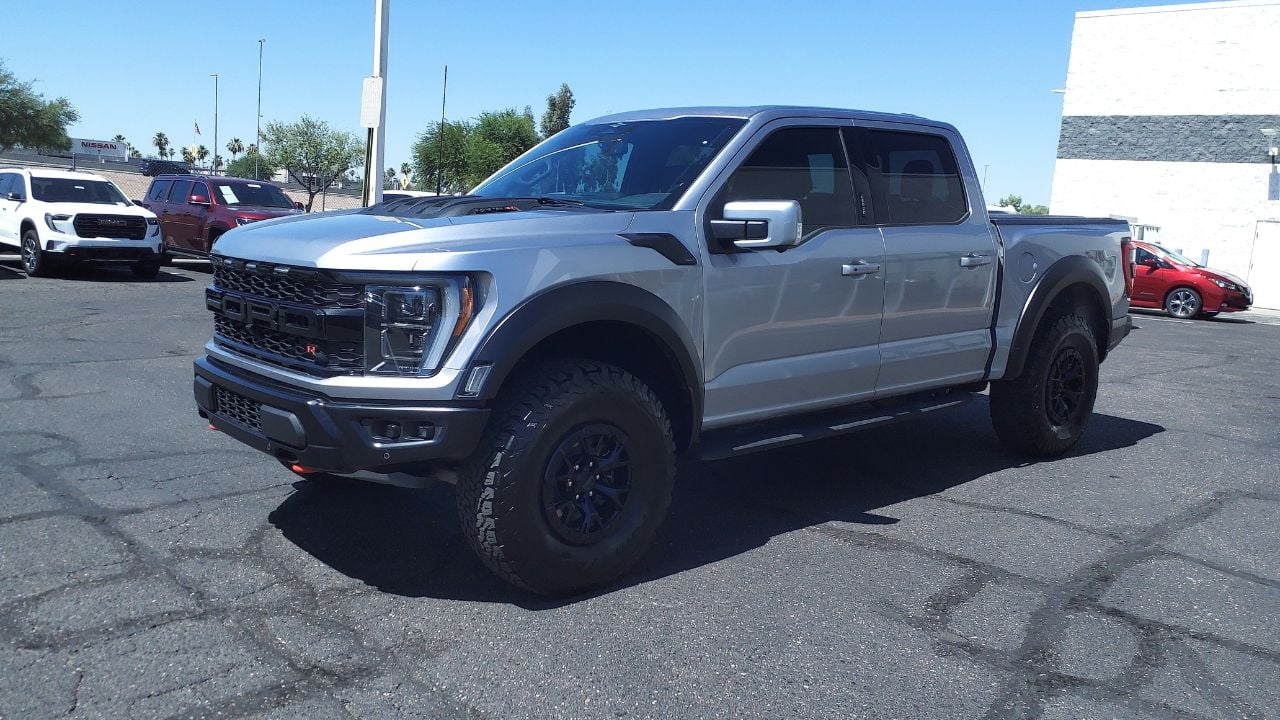
Insane Stats: The current F 150 Raptor R uses a supercharged 5.2L V8 rated at 720 hp and 640 lb ft of torque. Car and Driver recorded 0 to 60 mph in 3.6 seconds, and the EPA fuel economy rating is 10 mpg city, 15 mpg highway, 12 mpg combined.
Ford took their already excessive Raptor and asked, “What if we made this completely unhinged?” The answer was borrowing the Shelby GT500’s motor and stuffing it into a truck that most owners will never drive harder than the Costco parking lot. The $109,285 starting price ensures this will be the most expensive thing in your driveway that depreciates faster than your motivation to exercise.
Fox Live Valve dampers adjust 1,000 times per second, which is more responsive than most people’s customer service. The 37-inch BFGoodrich All-Terrain tires cost $500 each to replace and have about as much grip on pavement as your ex had on reality. Bead-lock-capable wheels are standard because apparently regular wheels aren’t serious enough for suburban adventures.
The interior features “Code Orange” accents that match your Crocs and your complete abandonment of good taste. Recaro sport seats provide “lateral support” for all that aggressive grocery shopping and aggressive merging onto highways. The 12-inch SYNC 4A screen displays performance data so you can watch your fuel gauge drop faster than your property values after the neighbors see your new truck.
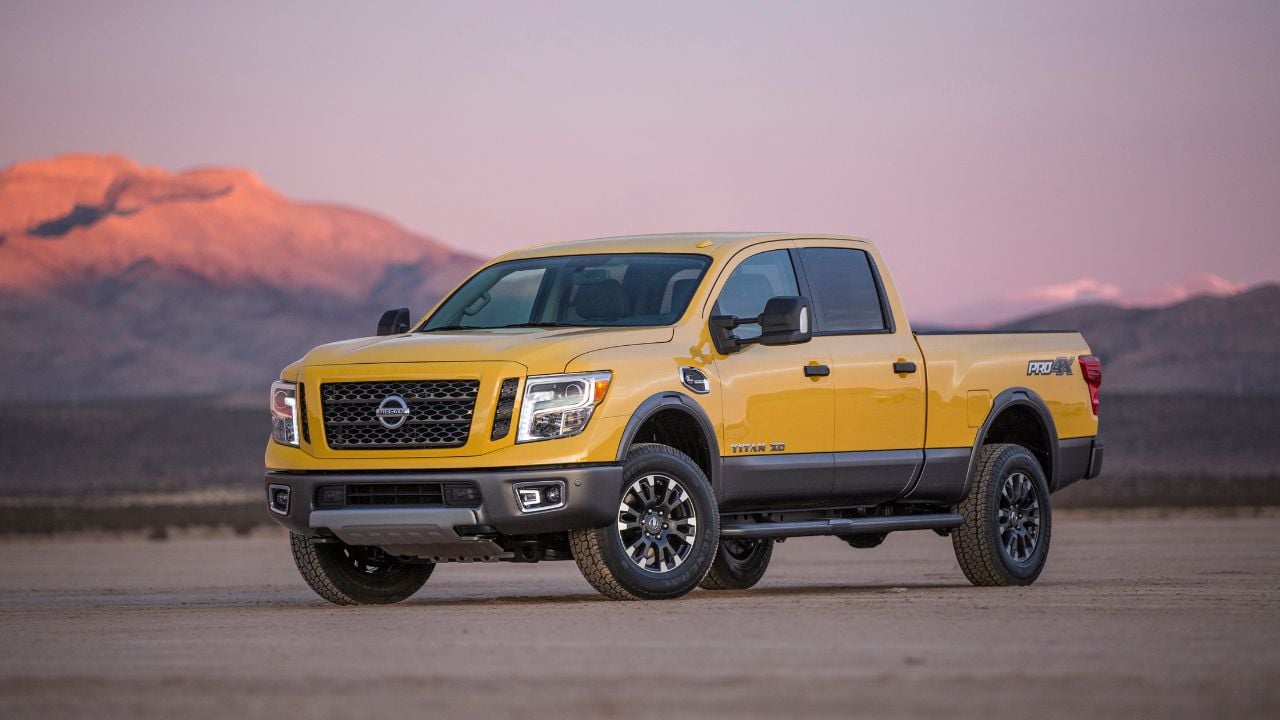
Nissan Titan XD
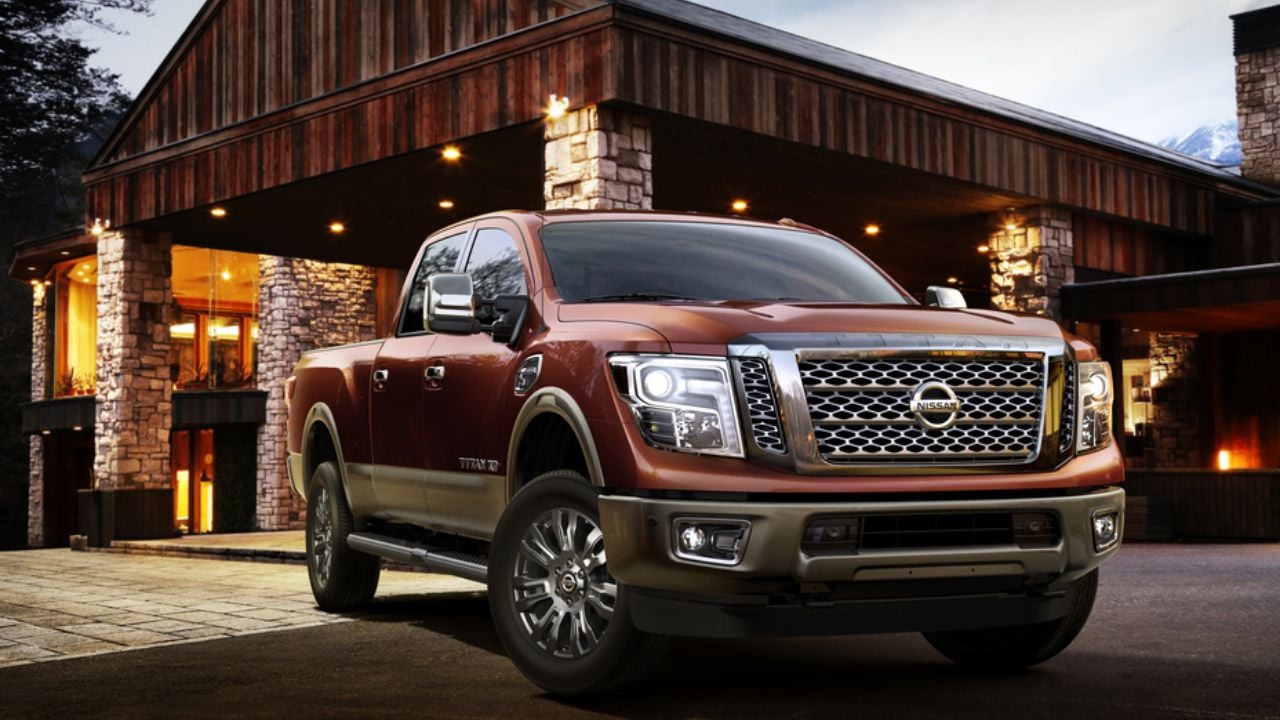
The Harsh Reality: Starting at $53,000 (when it was still alive), this 6,100-pound effort weighed more than any European cars yet somehow felt less substantial. The 5.6L V8 made 400 hp and 413 lb-ft while achieving 15 mpg combined, numbers that sound decent until you realize every competitor was doing it better, cheaper, or both.
Nissan looked at the Big Three’s truck dominance and said, “We can do that too,” then proceeded to prove they absolutely could not. The XD designation stood for “Extra Duty,” though most owners discovered it was extra disappointing. Nissan offered an optional 5.0L Cummins V8 turbo diesel on the Titan XD for a few years, but it was dropped after the 2019 model year.
The “Premium Reserve” interior featured quilted leather that looked expensive from a distance but felt like vinyl theater seats up close. The 9-inch infotainment display ran Nissan’s NissanConnect system, which connected to absolutely nothing quickly and crashed more often than Windows ME. Heated and cooled seats were standard, which was nice since you’d spend a lot of time sitting in service department waiting rooms.
Towing capacity maxed out at 11,270 pounds, assuming you could find a dealer brave enough to warranty that claim. The bed measured 6.5 feet, perfect for hauling your disappointment about not buying a Ram. Nissan confirmed the Titan and Titan XD ended after the 2024 model year, so there is no 2025 Titan lineup.
Chevrolet Avalanche

Nostalgic Stats: Production ran from 2002-2013 with prices starting around $38,000, which was expensive for something that looked like a minivan had a midlife crisis. The 5.3L V8 made 320 hp and got 16 mpg, proving that even in the early 2000s, Chevy could make engines that turned premium fuel into noise and disappointment.
The Avalanche was GM’s answer to a question nobody asked: “What if we made a truck that wasn’t really a truck?” The “midgate” system folded down to create an 8-foot bed, assuming you enjoyed dismantling your vehicle every time you needed to haul a kayak. Most owners used this feature exactly twice, once to show friends, once to realize it was completely impractical.
The body cladding made it look like it was wearing plastic armor, which was fitting since it needed protection from the mockery of actual truck owners. The Black Diamond Avalanche edition added more plastic cladding because subtlety was already dead, and GM wanted to make sure.
Inside, the dashboard looked like it was designed by someone who’d never seen a truck interior but had pictures described to them over a poor phone connection. The rear seats folded flat, creating a cargo area perfect for camping gear or hiding your shame about buying an Avalanche. Production ended in 2013, and the used market has been trying to forget it ever since.
Ram Mega Cab 3500

Massive Numbers: In Mega Cab form, the Ram 3500 is about 249.9 inches long. With the High Output 6.7L Cummins turbo diesel, output is 430 hp and 1,075 lb ft of torque, and maximum fifth wheel towing for the Ram 3500 lineup is rated up to 36,610 lb when properly equipped. EPA fuel economy ratings are not published for 2500 and 3500 series trucks because their GVWR exceeds 8,500 lb.
Ram looked at their already oversized crew cab and figured it somehow made sense to make it completely impractical for anything except showing off. The Mega Cab adds 6 inches of rear seat space, creating legroom that would make first-class airline passengers jealous. The rear seat reclines 45 degrees, perfect for napping between gas station stops.
The Laramie Longhorn edition comes with “Cattle Tan” leather that costs more than most cars’ entire interiors. The dashboard features real wood trim sourced from trees that were probably older than your mortgage. The 12-inch Uconnect screen is larger than most tablets and roughly as responsive as your internet provider’s customer service.
Those chrome running boards are mandatory equipment unless you enjoy pole vaulting into the driver’s seat. The dually rear wheels stick out so far that you need a commercial driver’s license just to park at Walmart. Mirrors extend 18 inches from each side, creating a total width that requires its own postal code. The tailgate weighs 75 pounds and includes a $1,200 dampening system to prevent it from crushing your pets.
Rivian R1T

Tech Bro Specs: For 2025, the Rivian R1T starts at $71,700 for the dual motor Standard pack model. Output and range vary a lot by configuration, from 533 hp and 610 lb ft on the base dual motor setup to 850 hp and 1,103 lb ft for the new tri motor, with Rivian quoting up to 371 miles of EPA estimated range for the tri motor Max pack.
Rivian looked at Tesla’s success and asked the important stuff: “What if we made an electric truck for people who shop at REI but never actually go camping?” The result is a vehicle that looks like it was designed by someone who’d seen pictures of trucks but never actually used one. The “gear tunnel” between the cab and bed is perfect for storing your artisanal camping gear or your tears about the delivery delays.
The interior features “vegan leather” because apparently regular leather wasn’t morally pure enough for tech workers who commute 80 miles each way. The 15.6-inch infotainment screen runs on more computing power than NASA used to reach the moon, yet it still takes 45 seconds to connect to your phone. Over-the-air updates promise to fix problems you didn’t know you had while creating new ones you definitely don’t want.
Air suspension adjusts from 8.1 to 14.9 inches of ground clearance, perfect for conquering Whole Foods parking lots and speed bumps outside coworking spaces. The “Camp Mode” levels the truck for sleeping, though at $75,000, you could afford a lot of hotel rooms. Tank Turn mode rotates the vehicle in place, which is exactly the kind of parlor trick that sounds amazing until your neighbors call the HOA.
Big Trucks, Big Statements

These rolling monuments to excess prove that somewhere along the way, trucks forgot they were supposed to be tools. Instead, they became status symbols with beds, luxury cars with lift kits, and therapy sessions with financing options.
Modern pickups pack more technology than the Space Shuttle, more leather than a medieval armor shop, and more attitude than a teenager with a new credit card. They’ll tow a house, coddle you like a luxury sedan, and announce your presence like a one-man parade.
The real question isn’t whether these trucks are too much, they absolutely are. The question is whether you’re brave enough to embrace the excess, wealthy enough to feed them, and emotionally prepared to explain to your accountant why you need 700 horsepower to haul a bag of mulch.
In the end, these pickups represent America’s desire to take something simple and practical, then add features until it becomes a beautiful, expensive, completely ridiculous solution to problems nobody actually has. Even other countries have caught on and created pickups for us that just scream excess. And we love every chrome-plated, leather-wrapped, supercharged inch of them.