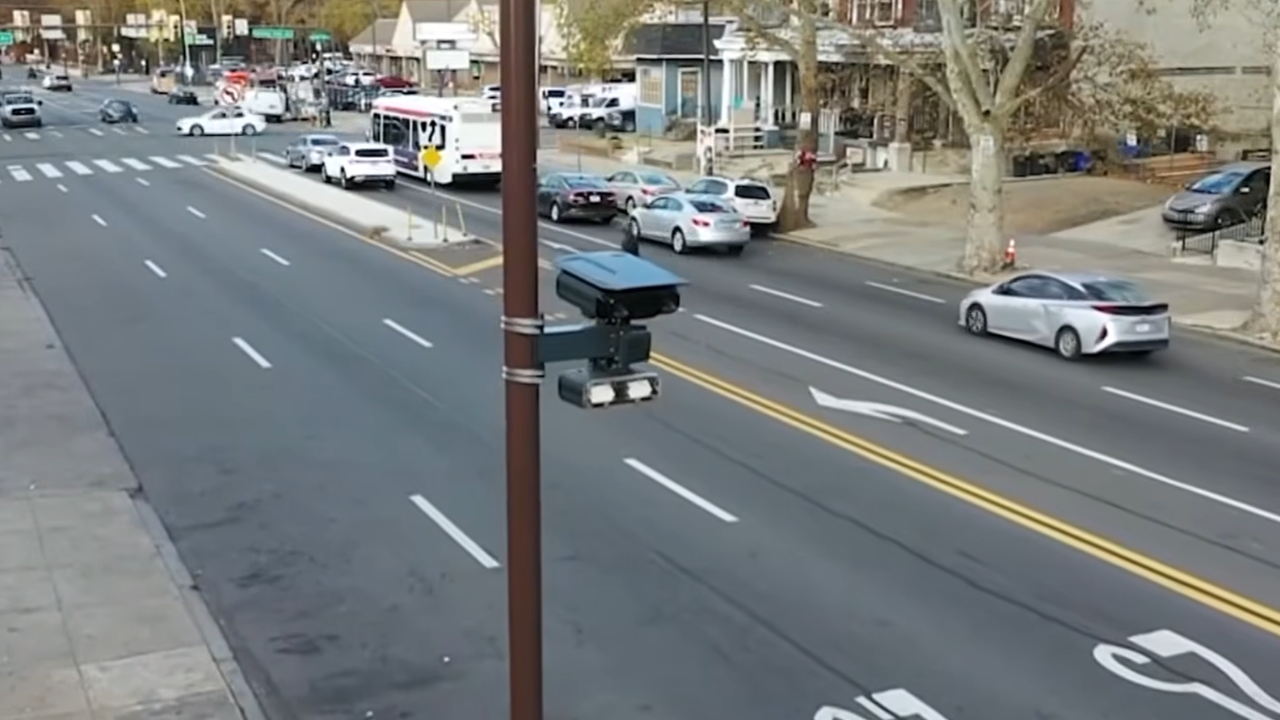
A Philadelphia woman opened a speeding ticket and found a Jeep she did not own. Glare hid part of the license plate, too. That was the plate used to link the Jeep to her.
“I owned a Jeep in 1999,” she told NBC10 Responds. For $100, she could reasonably expect a readable plate and the right car.
A camera had caught the Jeep on North Broad Street on the night of June 14. It clocked the Jeep at 14 mph over the limit. She mailed proof that the car was not hers, but her hearing was set for February.
By the time she sought help from NBC10, she wanted more than relief from the fine. “I don’t think that other people should have to deal with this,” she said.
Two Sets of Eyes
The Philadelphia Parking Authority has a FAQ that asks whether tickets go out without anyone checking the facts. Its answer is no. PPA reviews each one, followed by Philadelphia Police, before a ticket goes out.
Staff have more than a single snapshot to work with. PPA says the cameras supply photos and a video clip. Staff must review and approve the evidence before a notice goes to the owner.
NBC10 traced the checks further. A PPA worker checks the photos and uses motor vehicle records to find the owner. Then the police Neighborhood Services Unit checks whether the plate in the photo matches the ticket.
The woman wanted both agencies held to account for their checks. “There needs to be some accountability,” she told NBC10.
When the station raised the glare with PPA, deputy executive director Corinne O’Connor agreed this ticket should not have gone out. She said the plate needed to be clear.
“It’s a human error. We made a mistake,” O’Connor told NBC10. “We have to rectify it.”
Within 48 hours of the station stepping in, the ticket was dropped. O’Connor also said staff had been told to take their time. They have many photos and videos to check.
In an email to NBC10, police said tickets should be rejected unless the whole plate can be read. They confirmed that this ticket had been dropped.
The Clock Still Runs
Even a clear mistake leaves the person who gets the ticket with paperwork and a deadline. Under Philadelphia’s dispute rules, they have 30 days from the notice date to pay or request a hearing. Miss that deadline, and they lose their right to a hearing and face added fees.
To request one, recipients can mail the hearing form attached to their notice. The city also lists 866-790-4111 as the number to call to request a hearing.