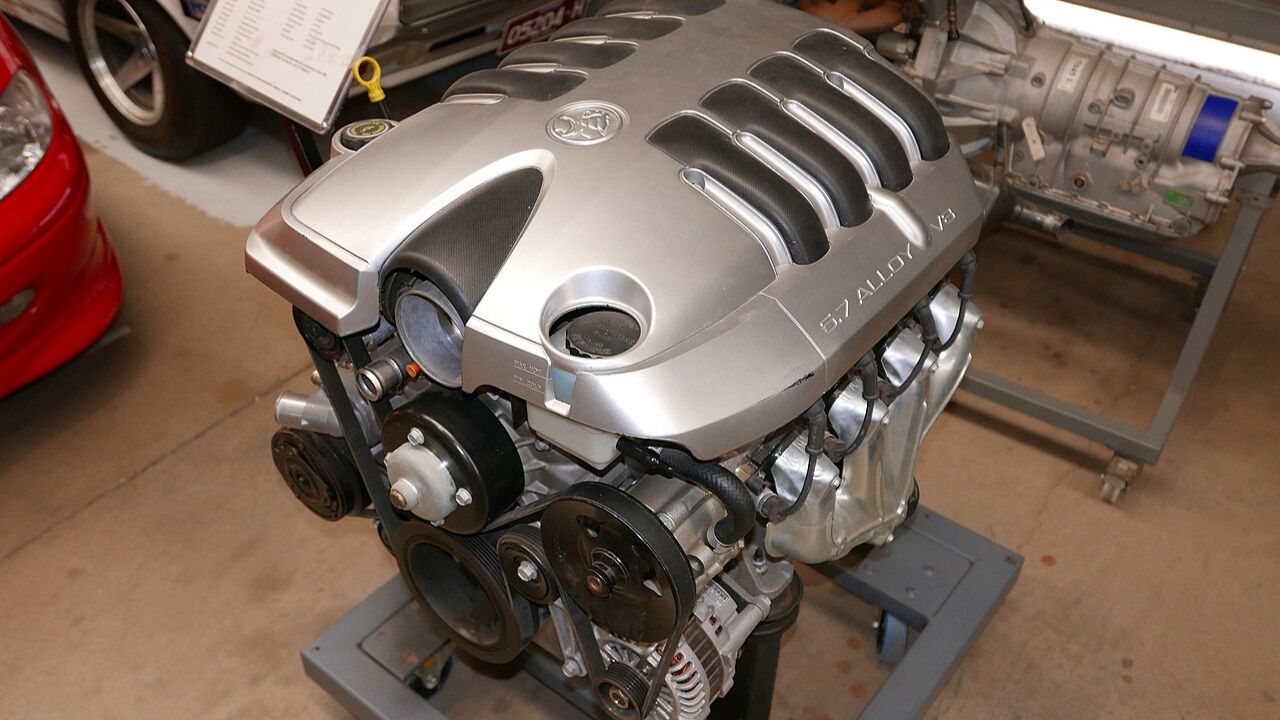

General Motors is quietly working on a new way to make its traditional V-8 engines more efficient, and the latest development could signal a big shift in how big engines sip fuel without giving up grunt. The automaker recently filed a patent application for a new kind of cylinder deactivation system that uses clever valve-train design and hydraulic control to switch off engine cylinders when drivers don’t need all of them.
What this engineering jargon means for folks who drive GM trucks or performance cars is that your next V-8 might be smarter about fuel use without losing power when you step on the gas.
Cylinder Deactivation — The Basics (Explained Like a Road Trip)
You probably know that V8 engines are thirsty beasts. That’s eight cylinders burning fuel to make power. But engineers have long tried to reduce that thirst by temporarily turning off some cylinders when you’re cruising, idling, or otherwise not hauling heavy loads.
This isn’t ‘new’ new: GM already uses technologies like Active Fuel Management (AFM) and its more sophisticated successor Dynamic Fuel Management (DFM) on many trucks and SUVs to shut off some cylinders in light driving conditions. In simple terms, these systems let your engine run on fewer cylinders (like four instead of eight) to save fuel, then “wake up” the others instantly when more power is needed.
But the system GM just patented could go further still.
So, What’s Different About GM’s New System?
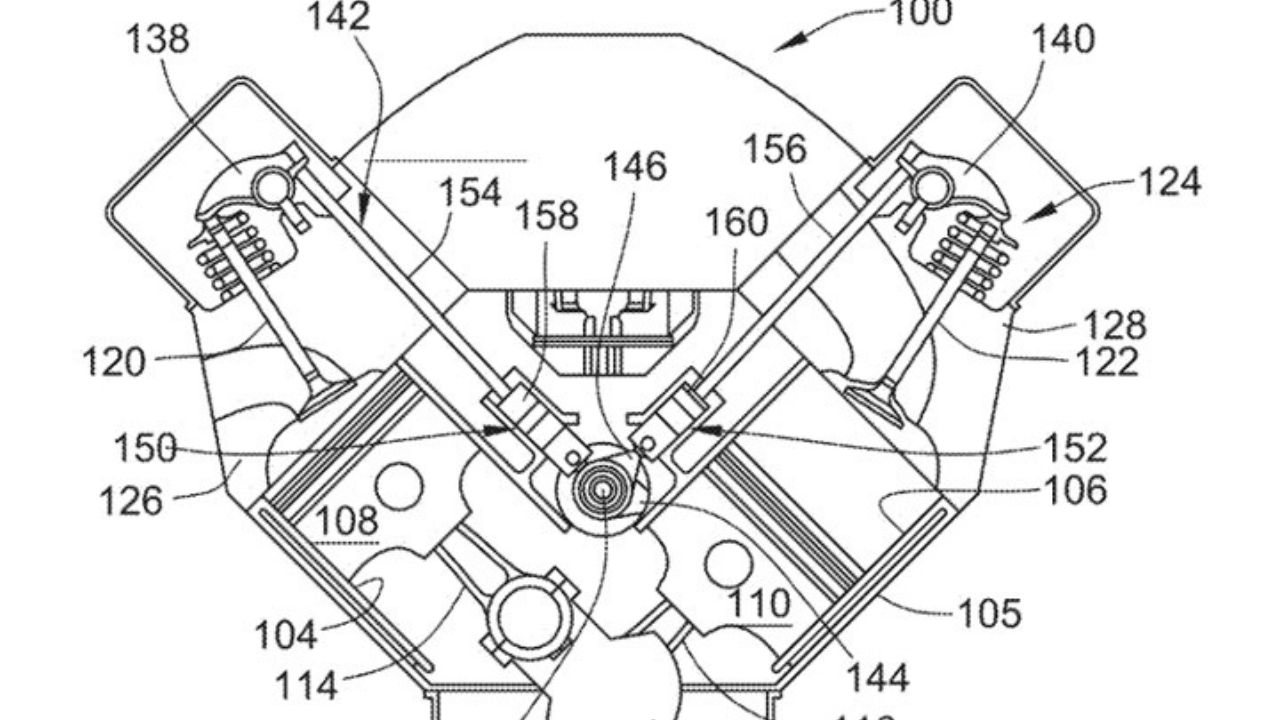
According to details in the patent, the new design relies on a couple of technological gimmicks:
- A variable displacement valvetrain — with parts such as rocker shaft porting and “insert sleeves” that better control how oil gets to the valves.
- Improved hydraulics — giving oil more precise control over when individual cylinders activate or deactivate.
- Sharper control logic — meaning the engine computer can decide faster and more accurately which cylinders should be firing.
In real-world terms, this could allow the engine to turn off more cylinders more often and more smoothly, cutting fuel use without you feeling anything weird underfoot. Think of it like a hybrid on the inside: powerful when you need it, efficient when you don’t. All without a battery pack.
Why Should You Care?
Of course, you care. Fuel economy is a hot topic for pickup and SUV buyers. Bigger V8 engines deliver the power you want for towing, hauling, and on-ramp merging, but gas prices and emissions standards are pushing automakers to find creative ways to squeeze better mileage out of them.
GM’s moves here line up with that push, but they come amid mixed feedback from customers. Some owners appreciate cylinder deactivation’s efficiency gains, while others have griped about complexity, vibration or reliability concerns with earlier systems (like DFM/AFM).
An advanced new system could mean fewer trade-offs: good mileage when cruising, plus strong power when hauling a boat or trailer. That’s a practical win for drivers who rely on V8 trucks day in, day out.
Will This Change What’s on the Road Soon?

Just the realization that GM is still thinking about big-ass V8s in this era of electrification and next-gen battery technology carries enormous weight. Patent filings don’t always lead straight to production, but they often hint at where engineers are headed. GM is already promising next-generation Small Block V8 engines for future vehicles, with reports suggesting these will come in multiple displacements (sizes) and could integrate technologies like this new cylinder deactivation method.
Truck buyers may see such engines in upcoming Chevy Silverado and GMC Sierra models, likely alongside electrified and hybrid options as the industry transitions to broader electrification.
But more importantly, this patent shows GM is still betting on internal combustion, especially in segments where battery-only power isn’t yet a perfect fit for everyone. For people who tow trailers, haul loads, or just like the feel of a V8, a smarter cylinder deactivation system could mean real fuel savings without giving up the engine character they love. That’s good news for traditional truck loyalists.
The real test will be how it performs on the road, especially in terms of durability, smoothness, and fuel savings. If this new system can deliver on its promise without headaches, it could be one of the smarter internal-combustion innovations in years.