
A Reddit post that recently caught fire in automotive circles has struck a chord with drivers everywhere. The author’s simple declaration? “I plan to drive my 2013 Civic until it dies.”
What started as one person’s frustrated response to today’s car market has become a rallying cry for drivers tired of being treated like ATMs on wheels.
The Great Car Con Game

Let’s be honest: the automotive industry has perfected the art of planned obsolescence wrapped in shiny marketing. Remember when buying a car meant getting a reliable companion for the next 15-20 years? Those days seem as distant as manual windows and cassette players.
The Reddit user’s revelation came during a simple car shopping trip after four years of ownership. What they found was a market that had seemingly lost its collective mind on pricing. New cars now cost more than many people’s annual salaries, and for what? Features that would make a smartphone jealous and complexity that would puzzle a NASA engineer.
There’s something to be said for the good old days of automotive simplicity. Back when our Reddit philosopher first learned to drive stick shift, cars were mechanically simpler and easier for owners to maintain themselves. You could pop the hood and actually see the engine without removing seventeen plastic covers and a computer science degree.
Today’s vehicles are marvels of engineering, no doubt. They can assist with many driving tasks, parallel park while you sip coffee, and alert you to dangers you didn’t even know existed. But here’s the rub: when these technological wonders break down, fixing them often costs more than the car’s monthly payment used to be.
The Convenience Trap
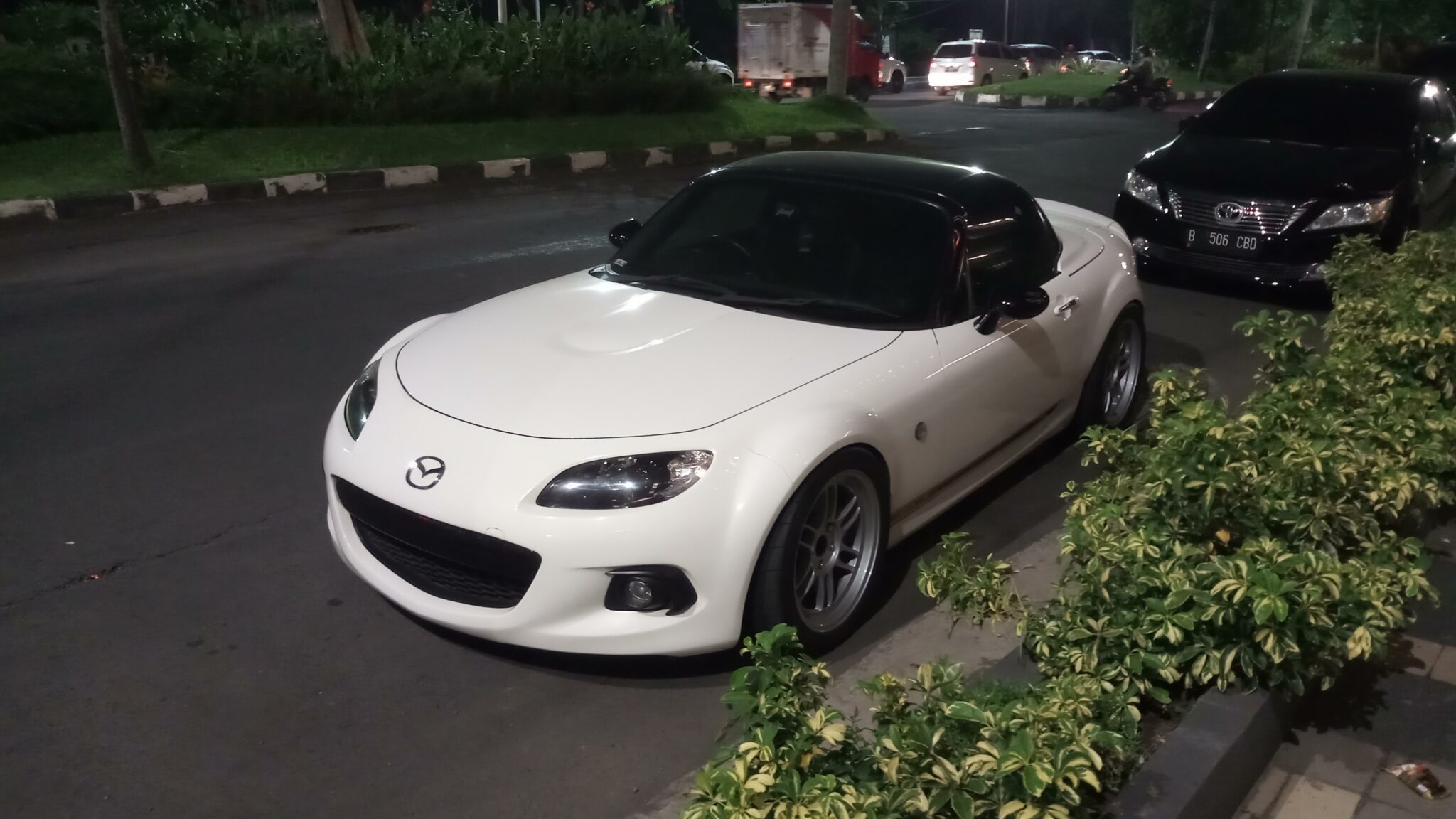
The automotive industry has arguably created what some analysts describe as ‘artificial demand’. By loading vehicles with features that break expensively and designing them to be nearly impossible to repair yourself, manufacturers have turned car ownership into a subscription service you never signed up for.
“Lane-assist and blind-spot sensor issues can quickly become expensive, especially when calibration is required—sometimes running hundreds to well over a thousand dollars, depending on the vehicle and the repair. These aren’t engine problems or transmission failures: they’re convenience features that have somehow become “essential” to modern driving.
The cruel irony is that many of these features were designed to make driving safer and easier, but they’ve actually made car ownership more stressful and financially burdensome.
Why would automakers build cars to last two decades when they can guarantee repeat customers every half-decade? Insurance company The Zebra reports that Americans keep their longest-owned cars for about eight years on average, and that nearly two-thirds of Americans say they keep a vehicle five years or less. It’s brilliant business strategy and terrible consumer policy.
The lease data our poster mentioned seeing in their accounting work tells the real story: Americans are increasingly treating cars like smartphones, upgrading constantly and never actually owning anything. Four-digit monthly payments are becoming more common at the high end of the market, turning transportation into the largest expense in many household budgets after housing.
Another Reddit user pointed out that paying off a car is basically blasphemy to car dealers everywhere: “I remember after paying off my car, I kept getting calls to change out my car for a new one. I told them every time I’d be driving this car into the ground and wouldn’t be buying a new car anytime soon. They stopped calling. Getting a new car every few years is such a money pit.”
The Beauty of Driving ‘Til Death

There’s something beautifully rebellious about the “drive ’til death” philosophy. It’s an active declaration of independence from market manipulation, a return to viewing cars as tools rather than status symbols, and a practical approach to personal finance that your grandfather would approve of.
A well-maintained 2013 Civic can easily deliver another decade of reliable service. That could be tens of thousands of dollars saved compared to jumping on the new-car treadmill. Imagine what you could do with that money instead of handing it over to automotive shareholders.
The most powerful vote you can cast in the automotive market is with your wallet. Every time you choose to maintain rather than replace, repair rather than upgrade, and drive rather than lease, you’re sending a message that consumers won’t be taken for granted.
Yes, you might miss out on the latest infotainment system that will be obsolete in three years anyway. You’ll have to parallel park with your own two eyes instead of relying on cameras. And you might actually have to turn your head to check blind spots like drivers have done for the past century. (I’ve been doing it for years, and it’s actually made me a better driver for it.)
But in return, you’ll have something more valuable: financial freedom and the satisfaction of refusing to play a rigged game. Said one proud car owner on Reddit: “Yeah, car is old, been paid off for a long time now. It still runs great. Why would I trade it in for five more years of monthly payments just because?”
The Road Ahead
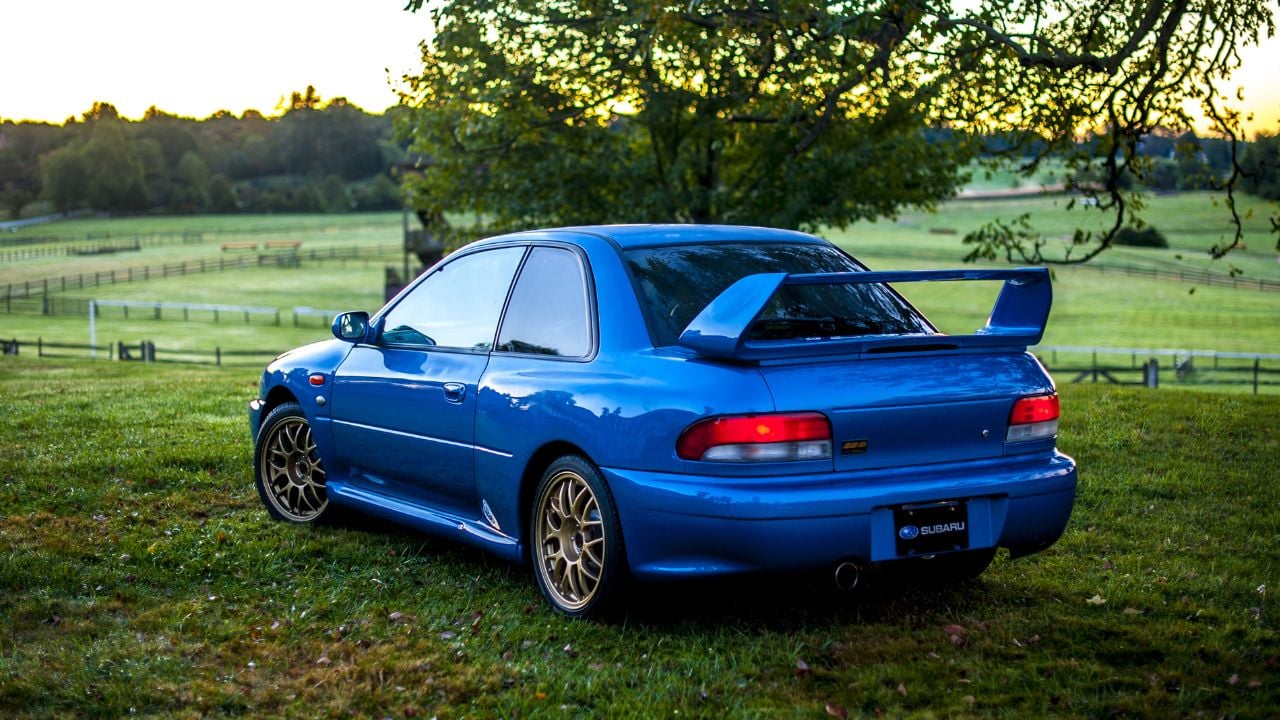
The automotive industry is counting on consumers to keep feeding the upgrade cycle. They’ve bet everything on the idea that we can’t resist the siren song of new-car smell and cutting-edge technology.
But if more drivers follow our Reddit friend’s example and commit to driving their current cars “until they die,” the industry might be forced to reconsider its strategy. Maybe, just maybe, we’ll see a return to building vehicles that are meant to last rather than designed to be replaced.
Until then, here’s to the 2013 Civic and all the other reliable rides still faithfully serving their owners. They might not be the newest or flashiest cars on the road, but they represent something increasingly rare in today’s market: honest value and lasting quality.
Drive on, Reddit warrior. I’ll be right there with you in my paid off 2015 Toyota Corolla.