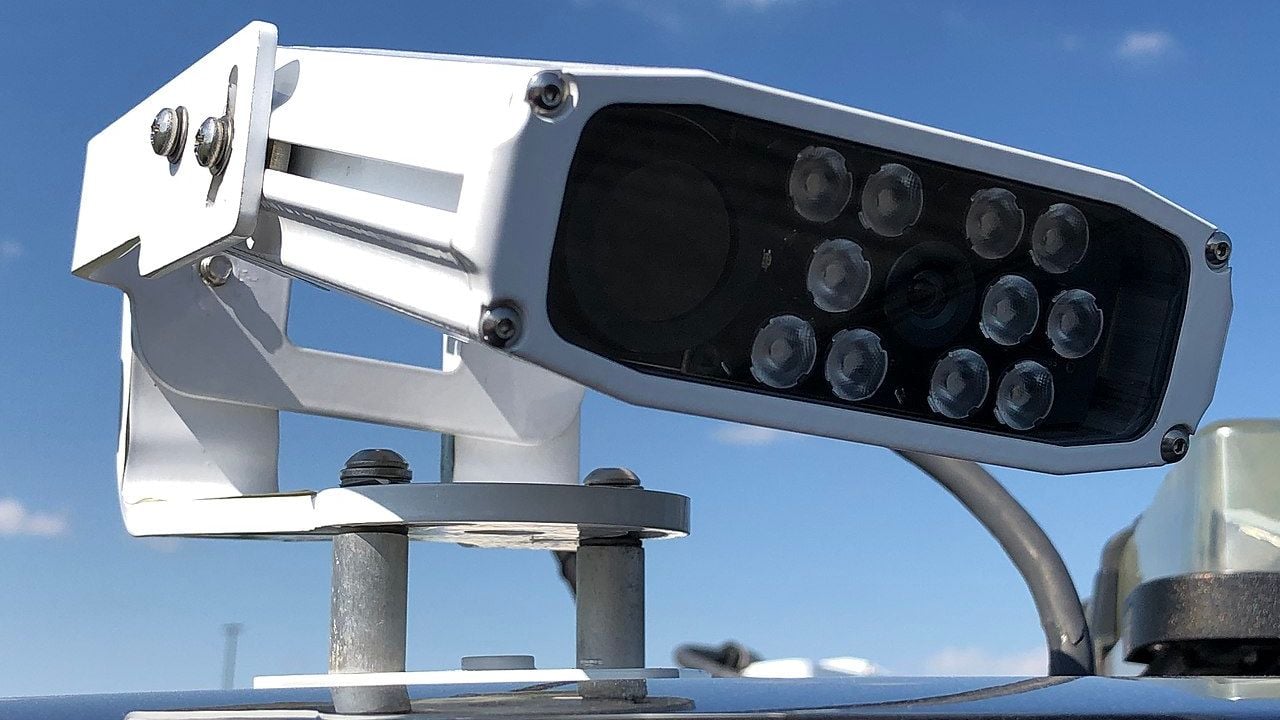

In 2025, one automated speed camera perched along the Potomac River Freeway in Washington, D.C. became a financial phenomenon. That single device issued close to $9.2 million in traffic fines, contributing to a total of $267.3 million in revenue generated by the city’s 547 automated traffic enforcement cameras over the same period.
The top ten cameras alone were responsible for roughly $65 million worth of tickets last year.
These figures have ignited sharp discussion among drivers, city officials and safety advocates about the true purpose of automated enforcement systems in the nation’s capital.
The public understood it as a strategy to curb reckless driving, but it now resembles a fiscal engine on wheels, leaving many motorists feeling targeted and still others praising the cameras for their impact on road safety.
A System for Safer Streets or a Revenue Generator?
Automated speed cameras issue fines only when a vehicle exceeds the posted limit by at least ten mph. That technical threshold is meant to filter out minor speeders and focus enforcement on genuinely dangerous behavior.
Critics, however, argue that this threshold doesn’t change the lived reality for drivers receiving hundreds or even thousands of dollars in fines in a single year.
Those who support the program point to data suggesting that enforcement cameras have played a role in reducing traffic dangers. City officials noted a 52 percent drop in traffic fatalities in 2025, the lowest since 2014, and attributed much of that success to automated enforcement efforts.
Behind these numbers is a compelling argument that policing speed with high visibility and consistent enforcement zones can temper reckless driving patterns that contribute to severe crashes.
Yet beyond stats and policy goals, many drivers have been embroiled in real financial stress over camera tickets. For example, one Maryland woman ended up with more than 400 unpaid citations, mostly from automated cameras, totaling well over six figures in fines. D.C. officials had to pursue legal action to collect.
Unpaid tickets from out-of-state drivers remain a persistent enforcement challenge, and that’s what’s prompted legislative changes to allow civil suits against non-resident violators.
The Federal Intervention and Political Flashpoints

The controversy has reached federal levels. The U.S. Department of Transportation recently advanced a proposal that could effectively eliminate automated traffic enforcement across Washington, D.C.
We previously reported a poll of DC residents over the proposed legislation, which saw more than half of respondents voting in support of dismantling all speed cameras. One respondent added:
“When cameras are used to generate over 1 billion dollars, you can see how it’s no longer about safety. Reducing the speed limits and shortening the traffic lights should be a criminal act as it’s placing undue burden on citizens. Why is the speed limit now 20MPH, who drives 20MPH? We are taxed so heavily in this country.”
This plan, tied to upcoming surface transportation legislation, would strip the city of authority to operate nearly 550 active enforcement cameras that have become a substantial source of municipal revenue.
City leaders, including Mayor Muriel Bowser, strongly oppose the federal push, warning that removing these systems could reverse safety gains and create a $1 billion hole in the city’s long-term budget. “Traffic enforcement cameras are a critical tool,” Bowser said, asserting that their removal would endanger community safety.
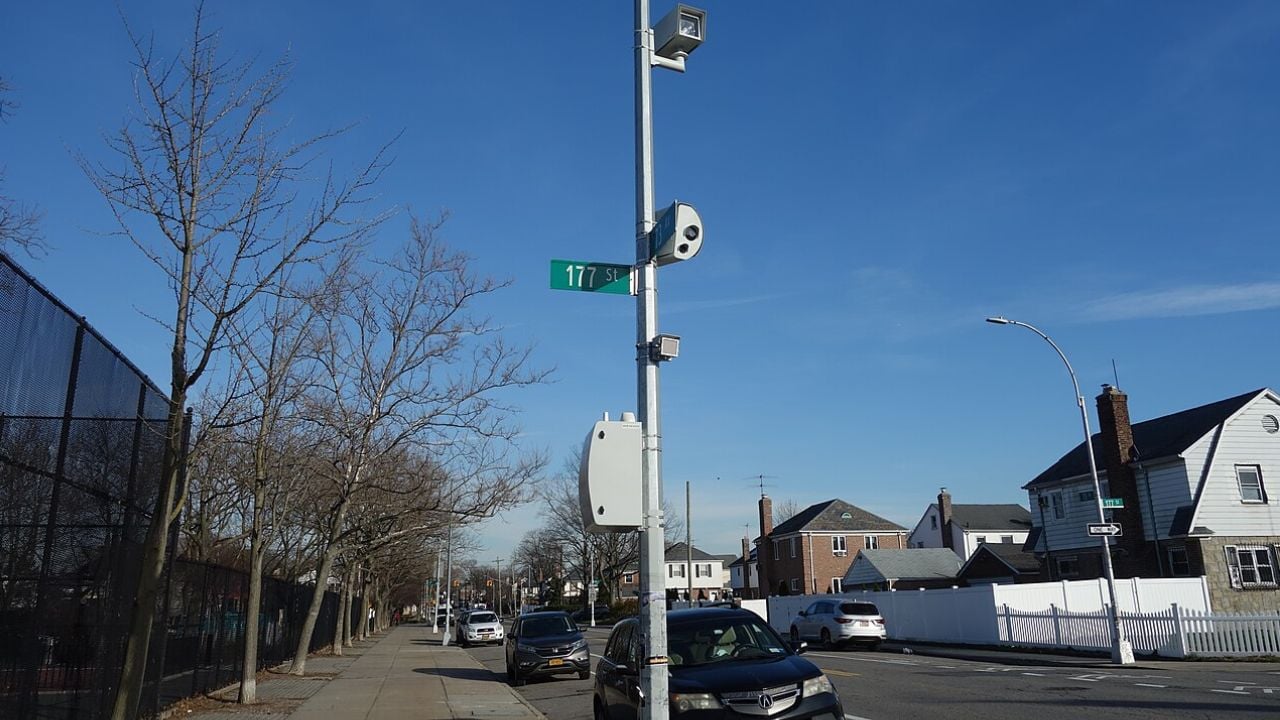
But the detractors include federal lawmakers, who see these cameras as little more than “fleecing” motorists. They argue that reliance on automated fines to balance budgets creates perverse incentives and disproportionately impacts commuters who pass through the city without representation in local government.
Equity, Enforcement and Road Design
Debate also centers on who bears the brunt of camera enforcement. Past analyses have indicated that automated enforcement is concentrated in neighborhoods with majority Black populations, sometimes without corresponding differences in crash risk, suggesting deeper questions about equity and urban design in Washington’s traffic safety strategy.
Safety advocates believe cameras are only one piece of a broader vision for safer streets because data prior studies have shown speed cameras can sharply reduce speeding on specific corridors. Some areas even saw more than a 90 percent drop in citations over time as drivers adjust their behavior.
In the meantime, D.C.’s cameras will continue to flash and ticket as the political and public safety debates play out. Whether the public continue to see them as tools for protecting pedestrians and motorists, or as indispensable revenue centers, will shape traffic enforcement policy in Washington and across cities watching this story unfold.
Sources: Axios, The Washington Informer