Buying food only after security can quietly wreck the first-day budget. A family that planned for flights, parking, baggage, and hotel check-in can still get surprised by one rushed stop near the gate.
Sandwiches, bottled drinks, coffee, fruit cups, chips, muffins, and kid-friendly snacks add up quickly when everyone gets hungry at the same time. The expensive part is not always one item; it is buying something for every person at airport prices.
The habit causing the problem is leaving all food decisions for the terminal. Once passengers pass security, choices narrow, lines get longer, and price comparison becomes harder.
TSA’s food guidance says solid food items can go in carry-on or checked bags, while liquid or gel food items larger than 3.4 ounces are not allowed in carry-on bags and should go in checked bags when possible. A few smart snacks packed before leaving home can prevent a lot of last-minute spending.
1. “We’ll Eat There” Can Turn Into a Big Bill
The phrase feels harmless during a busy morning. Everyone is finding passports, closing suitcases, checking traffic, and trying to reach the airport on time. Food becomes a problem for later.
By the time the group reaches the gate, hunger has already made the decision. Parents stop comparing prices and start buying whatever is closest before boarding begins.
A quick order can grow fast. One adult grabs coffee and a sandwich, another wants a salad, and kids ask for juice, muffins, candy, or chips. Even airports with price-control policies still charge for convenience, staffing, rent, and limited options.
The Port Authority of New York and New Jersey’s Value for Money guidance requires airport concession operators to follow pricing and value programs, including visible pricing and affordable options. That helps, but it does not make a full family order cheap.
2. Packed Snacks Prevent Panic Buying
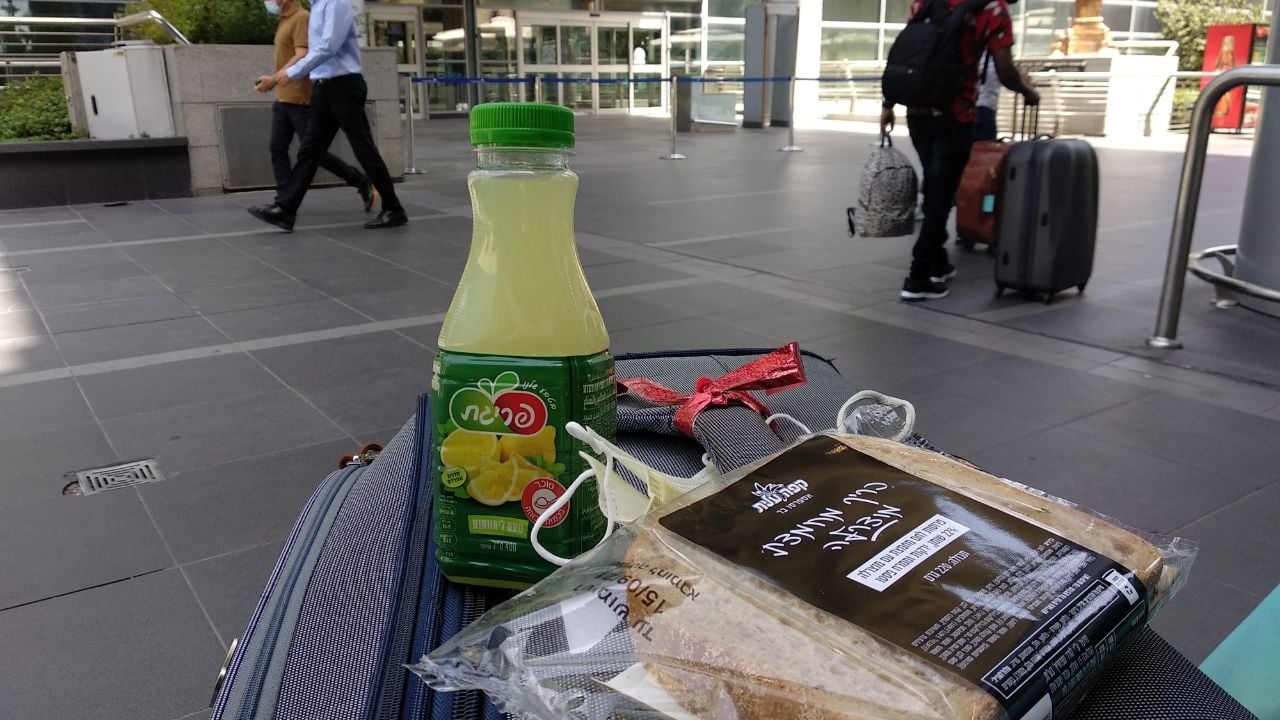
A few snacks in a carry-on can change the whole travel day. Crackers, granola bars, pretzels, apples, bananas, muffins, dry cereal, and simple sandwiches can cover the awkward window between leaving home and boarding.
Those items become even more useful during delays, long security lines, gate changes, and boarding announcements that leave no time for a proper meal stop.
The best airport snacks are tidy, filling, and easy to divide. Avoid anything too messy, strongly scented, sticky, or likely to spill inside a backpack.
Spreads such as peanut butter, hummus, yogurt, jam, sauces, dips, and other gel-like foods need extra attention because TSA treats liquids and gels differently from dry items. A simple rule helps: if it pours, spreads, squeezes, or smears, check the size before packing it in a carry-on.
3. Drinks Are the Quiet Budget Leak
Bottled drinks seem harmless because they are bought one at a time. A parent buys water first, a child wants juice, and someone adds coffee before boarding.
During a layover, the same pattern can happen again. By the end of the travel day, drinks alone may cost as much as a casual lunch outside the airport.
An empty reusable bottle is one of the easiest ways to cut that cost. TSA says an empty water bottle is allowed in carry-on bags and checked bags.
The bottle must be empty at the checkpoint. After security, travelers can refill it where water stations are available. For families, packing one bottle per person keeps thirst from turning into another round of impulse spending.
4. Kids Make Airport Food Decisions Harder
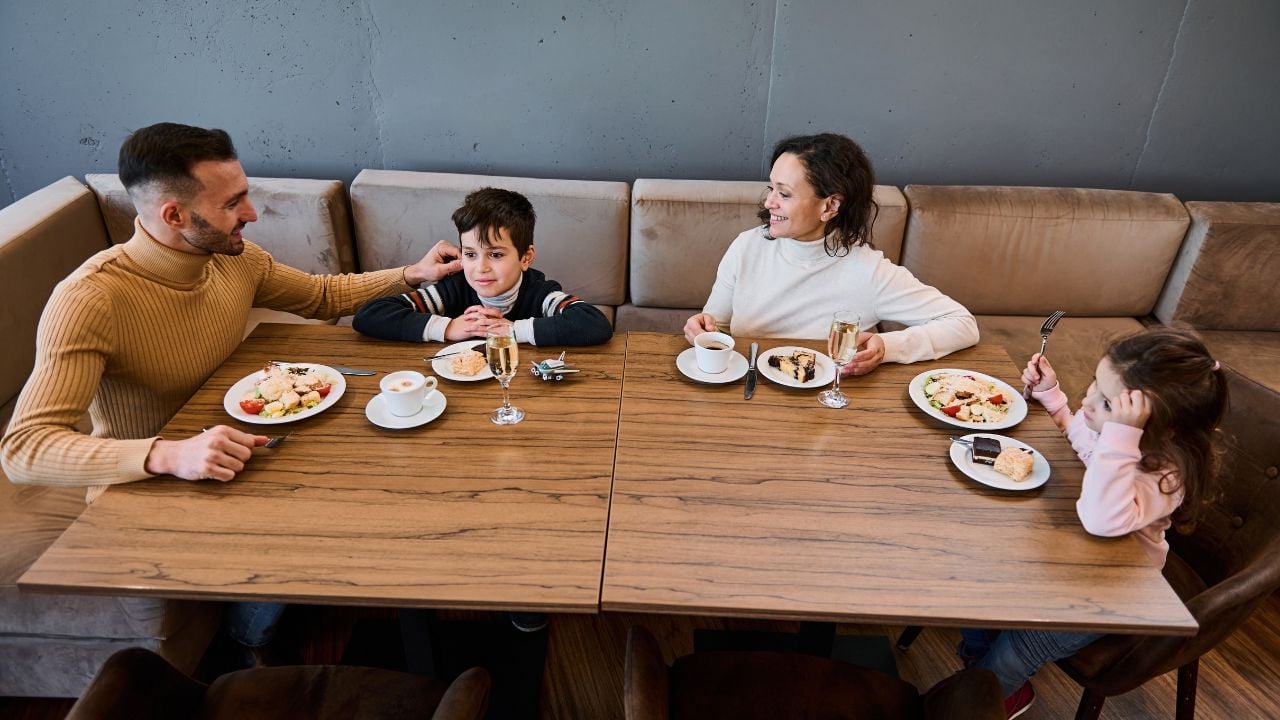
Children rarely get hungry on schedule. One child may refuse breakfast at home, then suddenly want food during boarding. Another may reject the only nearby menu because it looks unfamiliar.
When parents are tired, carrying bags, watching the clock, and trying to keep everyone near the gate, the nearest counter usually wins. That is why airport food costs often rise fastest for families rather than solo travelers.
A small child-friendly food kit can prevent that situation. Pack one salty item, one sweet item, something filling, napkins, and a resealable bag for leftovers or wrappers.
For babies and toddlers, TSA’s baby formula guidance says formula, breast milk, toddler drinks, and baby or toddler food in quantities greater than 3.4 ounces are allowed in carry-on baggage. TSA says those items should be removed from the carry-on bag and screened separately.
5. Eat Before the Airport When the Schedule Allows
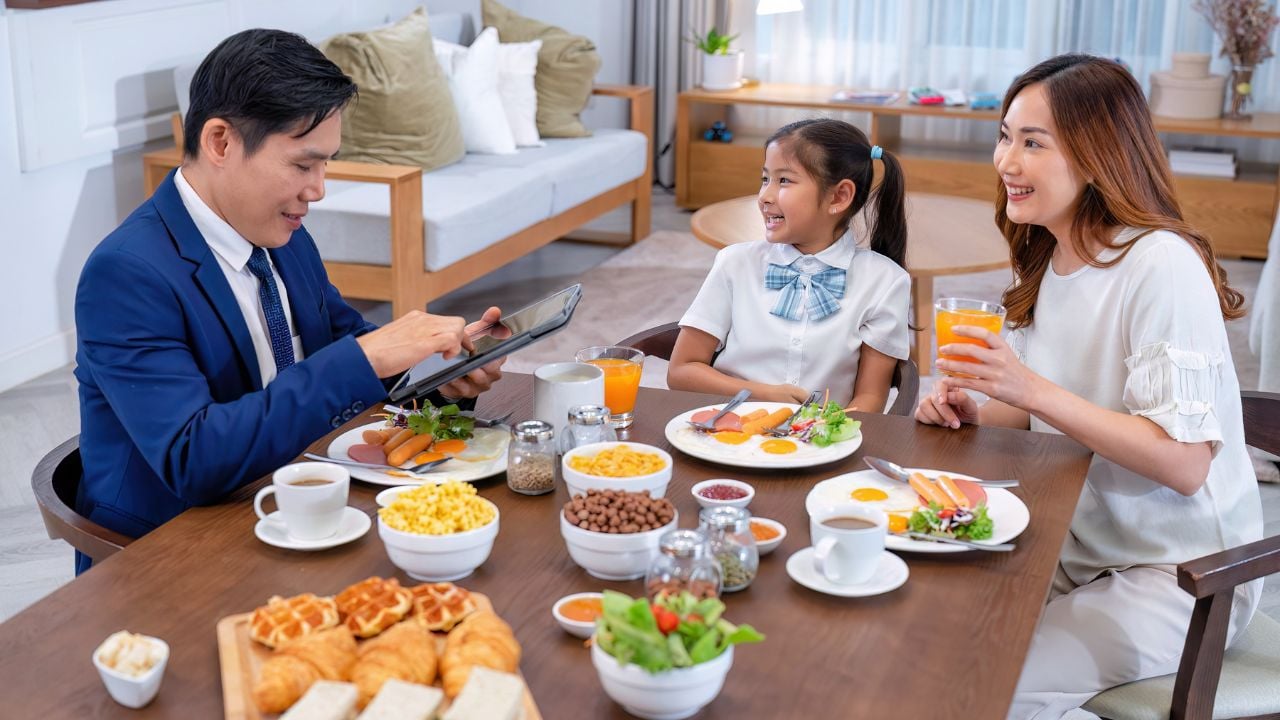
Eating before arrival is often the easiest way to reduce airport spending. A proper breakfast at home, a simple packed lunch, or a quick stop before entering the terminal can take pressure off the gate-area food court.
Once the group is past security, packed snacks can handle small hunger instead of replacing a full meal. Any airport purchase becomes smaller and more intentional.
This does not mean families should never buy food before a flight. A warm meal, coffee, or treat can be part of the trip when it is planned into the budget.
The expensive mistake is arriving with no food plan, no snacks, no empty water bottles, and hungry travelers who need something immediately. Price the airport meal before leaving home, or pack enough backup food to avoid buying under pressure.