The transition to electric vehicles doesn’t mean abandoning everything you love about your current ride. Think of going electric less like switching to a completely different mode of transportation and more like, I don’t know, finding the battery-powered version of what already makes you happy behind the wheel.
Whether you’re drawn to nimble handling, luxurious comfort, or raw acceleration, there’s likely an EV that speaks the same automotive language as your favorite gas car. The beauty of the current EV market is its diversity, manufacturers have moved beyond one-size-fits-all approaches to create electric vehicles with distinct personalities.
This guide pairs popular combustion-engine favorites with their electric counterparts, matching the driving characteristics, use cases, and overall vibes that define why you fell in love with cars in the first place.
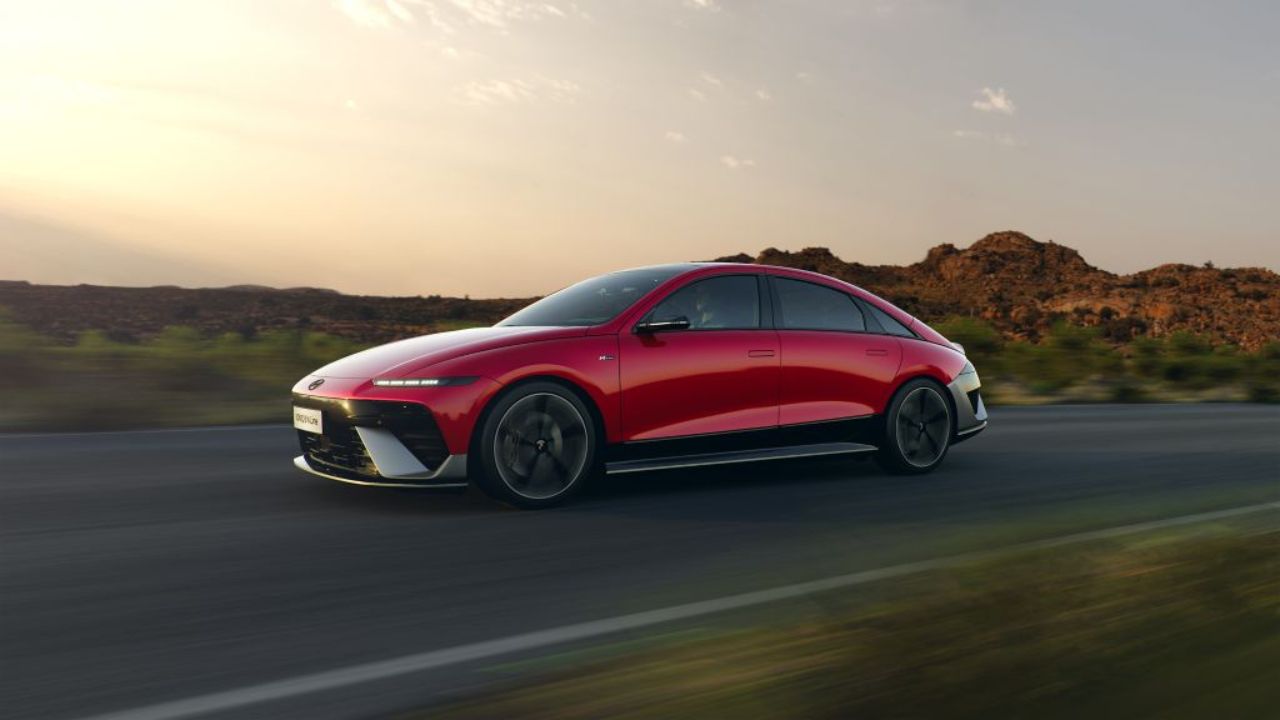
If You Like the Honda Civic: Hyundai Ioniq 6

The Civic has spent decades perfecting the formula of affordable reliability wrapped in surprisingly engaging dynamics, and the Ioniq 6 channels that same energy into the electric age.
Both cars prioritize efficiency without making you feel like you’re piloting an appliance, delivering composed handling that rewards attentive driving while remaining utterly livable for daily commutes. The Ioniq 6’s sleek, aerodynamic design might look wildly different from the Civic’s conservative styling, but underneath they share a similar mission: provide maximum value and enjoyment per dollar spent. With a starting price around $38,000 and an EPA-estimated range up to 361 miles, the Ioniq 6 delivers the practical efficiency Civic owners appreciate.
The SE and SEL trims offer the sweet spot for former Civic drivers who want engaging transportation that doesn’t break the bank while adding the instant torque that makes merging onto highways genuinely fun.
If You Like the Mazda MX-5 Miata: Porsche Taycan (Base or 4S)
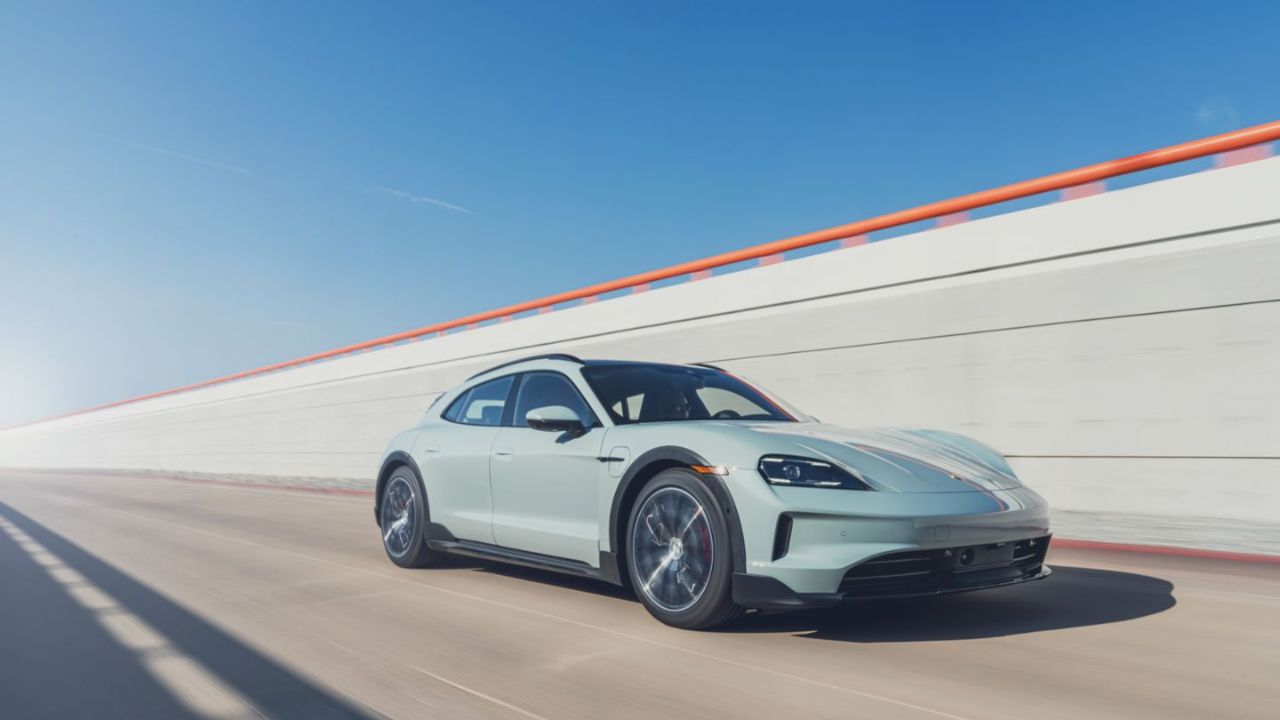
Yes, the Taycan costs significantly more than a Miata, but there’s a reason this makes sense: these cars worship at the same altar of driving purity, just with different power sources.
The Miata’s magic has always been about balance, responsiveness, and communication between car and driver rather than straight-line speed, qualities the Taycan preserves through its low center of gravity and meticulously tuned chassis. Both vehicles prioritize the quality of the driving experience over raw numbers, though Taycan acceleration depends heavily on trim: the base car is closer to the mid 4 second range to 60 mph, while quicker versions like the Taycan 4S can run in the mid 3 second range. The electric Porsche captures that same feeling of a car engineered by people who actually enjoy driving, where steering weight, brake pedal feel, and suspension tuning all receive obsessive attention.
Starting around $100,000, the base Taycan isn’t cheap, but Miata enthusiasts who’ve climbed the income ladder will find a familiar spirit in a thoroughly modern package that still delivers genuine driver engagement on your favorite back road.
If You Like the Toyota Camry: Tesla Model 3
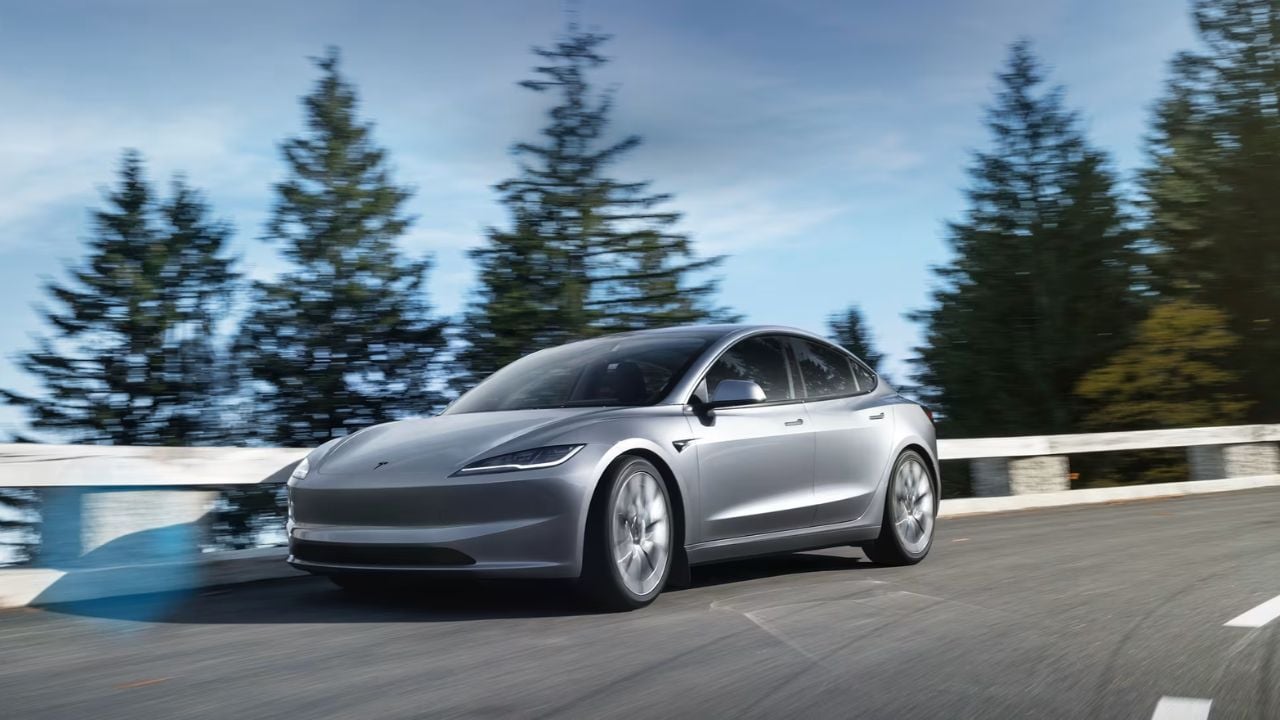
The Camry dominates American driveways by being exceptionally competent at everything while excelling at dependability, a formula the Model 3 translates into electric form with remarkable success.
Both cars serve as the rational choice that doesn’t completely sacrifice personality, offering enough performance to make your commute engaging without veering into impractical territory. The Model 3’s minimalist interior echoes the Camry’s focus on functionality over flash, though Tesla takes the concept to a more extreme conclusion with its central touchscreen interface. With pricing typically starting in the high $30,000s to low $40,000s and EPA-estimated range varying by trim and model year, the Model 3 matches the Camry’s value proposition while adding instant electric torque
The Standard Range model delivers Camry-like affordability and efficiency, while the Long Range offers the extended-trip capability that makes it genuinely viable as an only car for most households, just like the Camry it might replace.
If You Like the Ford Mustang GT: Ford Mustang Mach-E GT

Yes, purists initially revolted at Ford attaching the Mustang name to a four-door electric crossover, but the Mach-E GT genuinely captures the spirit of accessible American performance.
The Mustang GT has always been about delivering V8 thrills at Civic prices, and the Mach-E GT follows that playbook with up to 480 horsepower and 0-60 times in the mid 3 second range, with pricing typically in the mid $50,000s to $60,000 depending on options and model year. Both vehicles embrace a certain boldness in their design language, refusing to blend into traffic even when parked at the grocery store. The Mach-E GT obviously can’t replicate that glorious Coyote V8 soundtrack, but it compensates with instant torque delivery that makes the acceleration feel even more violent than the numbers suggest.
For Mustang owners who’ve started families but aren’t ready to surrender their enthusiast credentials entirely, the Mach-E GT offers a surprisingly compelling compromise that can haul kids during the week and carve canyons on the weekend.
If You Like the BMW 3 Series: Polestar 2
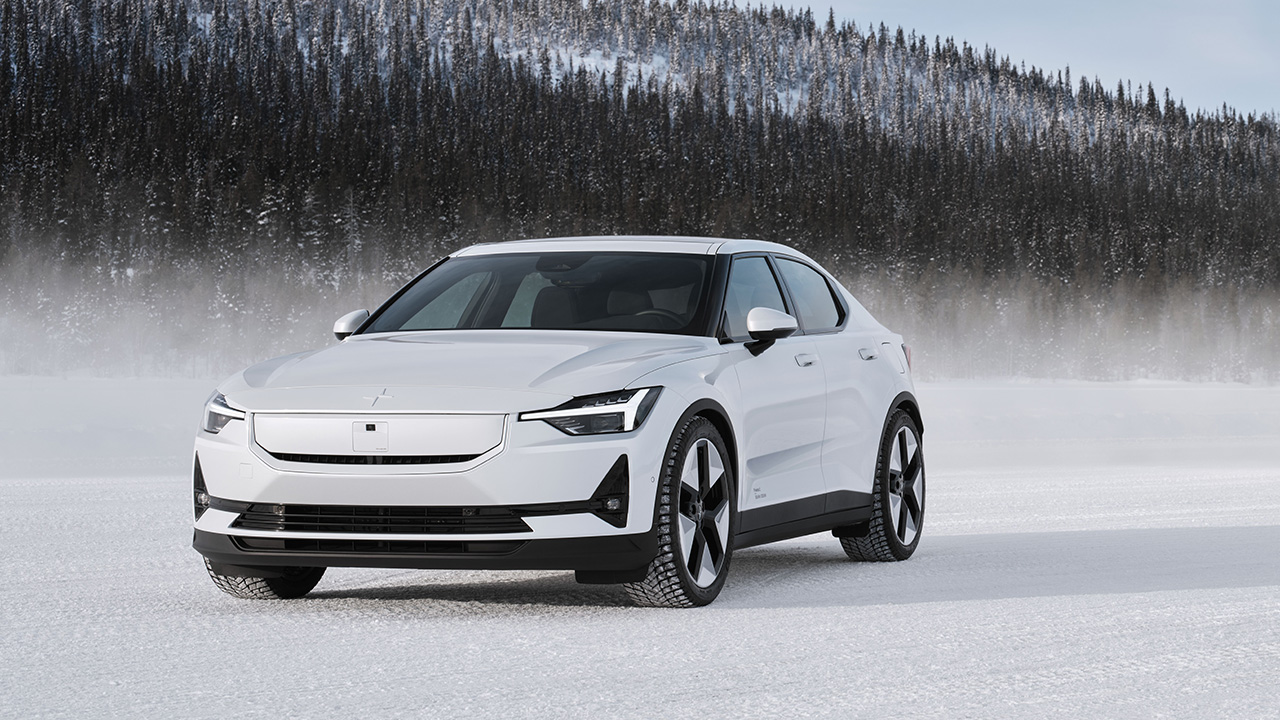
The 3 Series established the sport sedan template: sharp handling wrapped in upscale packaging suitable for both spirited drives and client meetings.
Polestar’s first high-volume model follows that blueprint closely, offering Scandinavian minimalism and genuinely engaging dynamics in a package that works equally well for backroad blasts or executive parking lots. Both cars balance comfort and sportiness with similar philosophies, leaning athletic without punishing you on rough pavement or during long highway stretches. The Polestar 2’s dual-motor setup delivers 455 horsepower in Performance Pack specification, providing the kind of enthusiastic acceleration that made the 3 Series a default choice for driving enthusiasts who also needed rear seats.
With pricing starting around $50,000 and range up to 270 miles, the Polestar 2 occupies similar premium-but-attainable territory while adding the visual bonus of Swedish design that stands out from the German competition without looking ostentatious.
If You Like the Subaru Outback: Rivian R1S

Outback owners appreciate capability that doesn’t require announcing itself, and the R1S delivers genuine off-road ability in a package that looks ready for adventure without resorting to aggressive styling clichés.
Both vehicles attract buyers who actually use their capabilities rather than just appreciating them theoretically, whether that means muddy trailheads or snowy mountain passes. The R1S takes the Outback’s adventure-ready ethos and amplifies it with quad-motor variants that can tackle obstacles the Subaru would wisely avoid, while the Max battery pack can deliver around 400 miles of range in certain Dual Motor configurations, with other packs and higher-output versions coming in lower depending on wheels and powertrain. Pricing starts around $76,000, positioning it as a premium alternative that retains the Outback’s core mission of enabling outdoor lifestyles without compromise.
The R1S’s clever gear tunnel and configurable interior echo the Outback’s focus on actual utility over luxury theater, creating storage solutions for the equipment that defines your weekends rather than just providing more cupholders.
If You Like the Volkswagen Golf GTI: Volkswagen ID.4

The GTI built its reputation on practical hot hatch versatility, enough room for weekend errands, enough punch for spirited drives, all wrapped in unassuming packaging.
The ID.4 translates that philosophy into electric crossover form, offering genuinely useful cargo space and available dual-motor performance that channels the GTI’s enthusiastic character. Both vehicles prioritize everyday livability over raw performance numbers, though neither feels slow or boring when you point them at a curvy road. The ID.4 Pro S with AWD delivers 295 horsepower, which lands it firmly in the GTI’s sweet spot of quick-enough-to-enjoy without crossing into impractical territory.
Starting in the low $40,000 range and offering EPA-estimated range in the mid 200s depending on configuration, the ID.4 maintains the GTI’s value-oriented approach while adding the space that makes sense for GTI owners who’ve graduated to needing more cargo capacity but aren’t ready to sacrifice driving enjoyment entirely.
If You Like the Chevrolet Corvette: Porsche Taycan Turbo S

The Corvette delivers supercar performance at sports car prices, and the Taycan Turbo S follows similar logic by offering hypercar-level acceleration at merely expensive-sports-car money.
Both cars represent technological showcases for their respective manufacturers, pushing boundaries in chassis dynamics and powertrain engineering while remaining surprisingly usable for daily driving. The mid-engine C8 Corvette completely reimagined what American performance could be, just as the Taycan redefined electric vehicle driving dynamics when it launched. With 938 horsepower in Turbo S form and a 0-60 time of 2.4 seconds, the Taycan delivers face-melting acceleration that actually exceeds most Corvette variants while adding four doors and legitimate rear seats.
Starting around $185,000, the Turbo S costs significantly more than even a loaded Z06, but it compresses performance tiers in similar ways, delivering top-tier capability for a fraction of what comparable Italian exotics demand. I’m beginning to notice a pattern with these Porsche Taycan.
If You Like the Honda Accord: Chevrolet Equinox EV
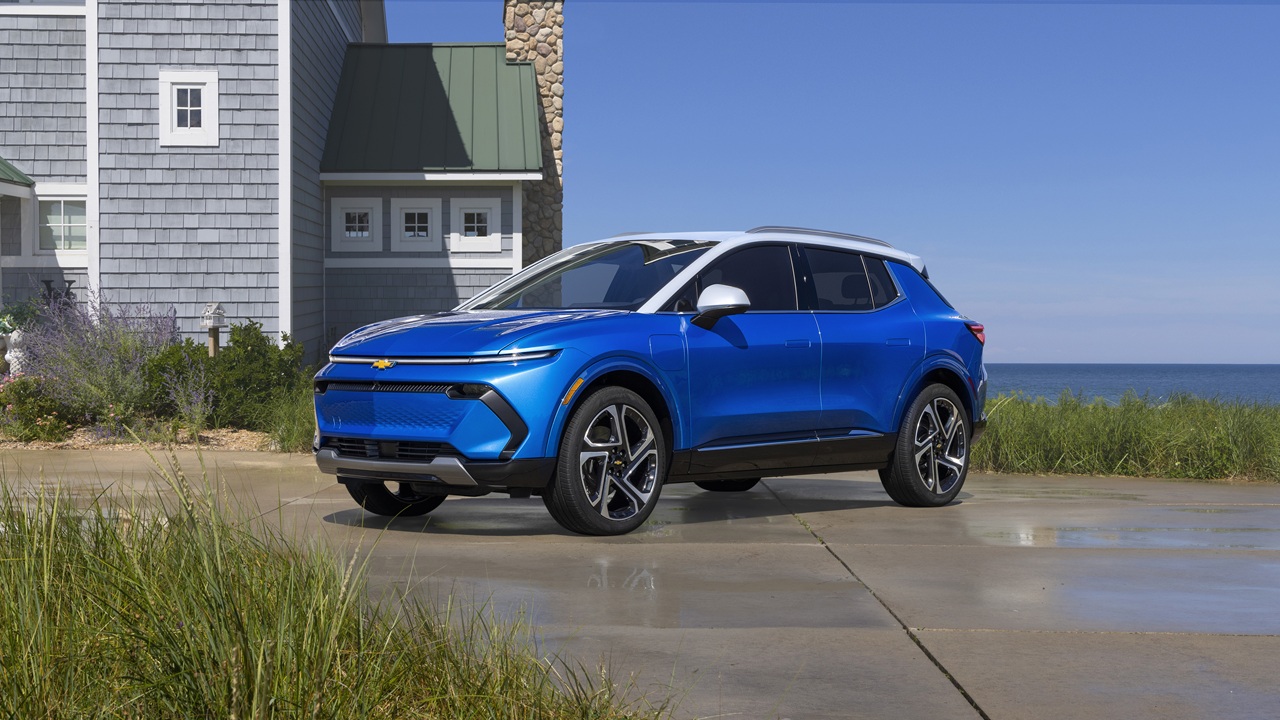
The Accord has mastered the art of being everything to everyone, comfortable, reliable, efficient, and surprisingly enjoyable to drive given its mainstream mission.
Chevy’s Equinox EV targets the same broad appeal in electric form, offering generous interior space, intuitive technology, and enough range to eliminate charging anxiety for the vast majority of drivers. Both vehicles succeed by avoiding extremes, delivering competent performance and comfort without requiring owners to compromise on practicality or budget. The Equinox EV has been announced with a starting price in the mid $30,000 range, but pricing and availability vary by trim and model year, and many versions start higher.
With an EPA-estimated range up to 319 miles and styling that looks modern without being polarizing, the Equinox EV makes the electric transition feel natural rather than radical, which is exactly what Accord drivers prioritize when choosing their dependable transportation.
If You Like the Dodge Charger: BMW i4 M50

The Charger appeals to drivers who want muscle car attitude in a four-door package that accommodates real-world family responsibilities, and the i4 M50 delivers on that same promise with Germanic precision.
Both sedans refuse to apologize for prioritizing performance despite their practical body styles, offering genuine thrills that justify their existence beyond mere transportation duty. The i4 M50’s dual-motor setup produces 536 horsepower and rockets to 60 mph in 3.7 seconds, numbers that put it squarely in Charger R/T Scat Pack territory while adding the instant torque delivery of electric motors. With a starting price around $68,000 and up to 270 miles of range, the i4 M50 occupies similar enthusiast-sedan space while trading American muscle for European sophistication.
The BMW preserves that same spirit of choosing performance over efficiency, of selecting the more powerful option because life’s too short for sensible grocery-getters, just wrapped in Bavarian engineering rather than Mopar heritage.
If You Like the Nissan Altima: Nissan Ariya

Altima drivers appreciate straightforward transportation that delivers comfort and technology at reasonable prices, making the Ariya a logical electric evolution of that philosophy.
Both vehicles target buyers who want modern features and pleasant driving experiences without paying luxury premiums or making bold styling statements. The Ariya’s relaxed, lounge-like interior echoes the Altima’s focus on comfort over sportiness, creating a driving environment that reduces stress rather than amplifying adrenaline. With pricing starting around $40,000 and range up to 304 miles depending on configuration, the Ariya maintains the Altima’s positioning as sensible value in the heart of the market.
The available e-4ORCE all-wheel-drive system adds capability that Altima owners in snow states will appreciate, while the spacious interior and smooth, quiet operation deliver the refined driving experience that made the Altima a default choice for commuters prioritizing comfort and reliability.
If You Like the Toyota GR86/Subaru BRZ: Hyundai Ioniq 5 N
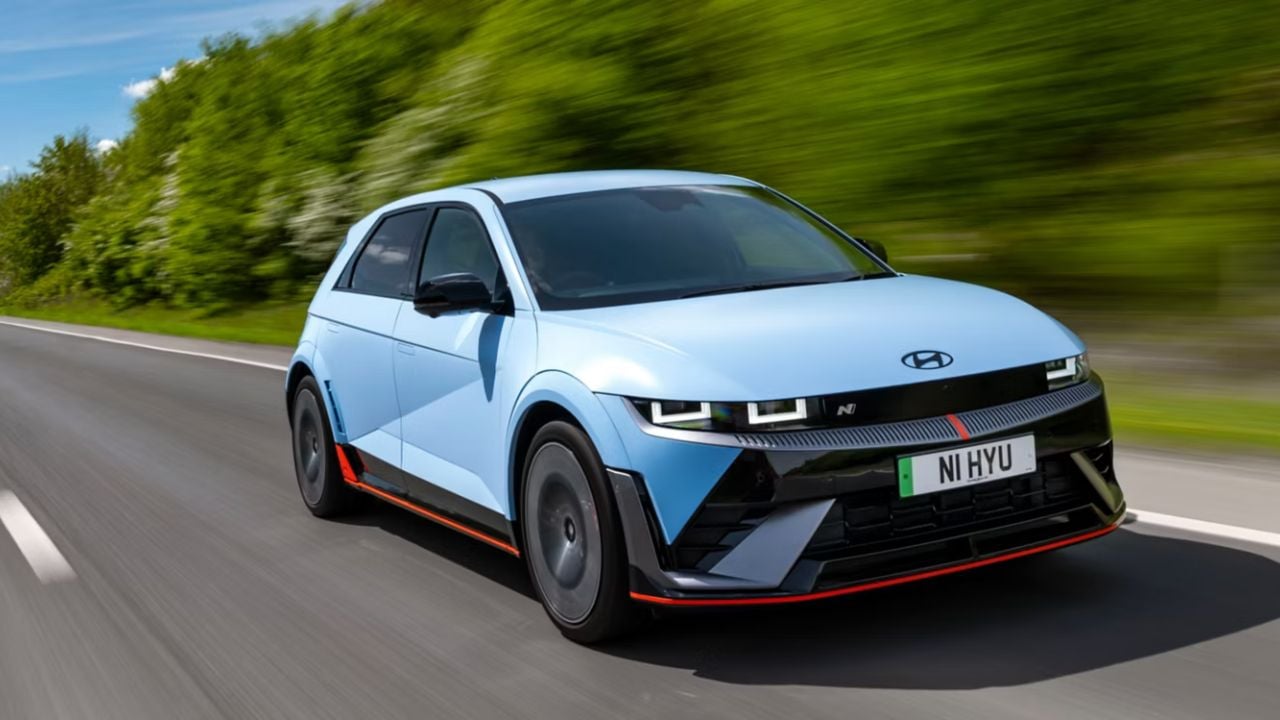
This pairing might seem strange at first, matching affordable rear-drive sports coupes with a hot hatch EV, but both vehicles share a commitment to driver engagement over luxury or practicality.
The GR86 and BRZ prove that modern cars can still prioritize feedback and balance over raw power, and the Ioniq 5 N brings that same enthusiast focus to the electric realm with track-ready capability. Hyundai engineered the N with fake gear shifts, simulated engine sounds, and drift modes that demonstrate a fundamental understanding of what makes driving enjoyable beyond simple acceleration numbers. With 641 horsepower and technology derived from actual motorsports development, the Ioniq 5 N delivers performance that far exceeds the 86/BRZ while preserving their philosophy that cars should engage drivers rather than just transport them.
Starting around $67,000, it costs more than the Toyota/Subaru twins, but it represents a similar commitment to driving pleasure in an era where most EVs prioritize efficiency over excitement, making it the electric choice for enthusiasts who actually use their cars rather than garage them.
Conclusion

The electric vehicle market has matured beyond early adopters into genuine automotive diversity, creating options that match the breadth of gasoline-powered preferences that developed over the past century. Finding the right EV isn’t about compromising on what you love but rather identifying which electric vehicle best captures the qualities that made you fall for your current car in the first place. Some matches focus on price and practicality, others on performance and driving dynamics, while many blend multiple priorities in ways that mirror their combustion counterparts.
The key is recognizing that “electric” describes the power source, not the personality, these vehicles can be efficient or excessive, practical or playful, understated or outrageous. As you consider making the switch, start not with battery capacity or charging speeds but with understanding what your current favorite car reveals about your priorities, then find the EV that speaks that same language with electrons instead of explosions.