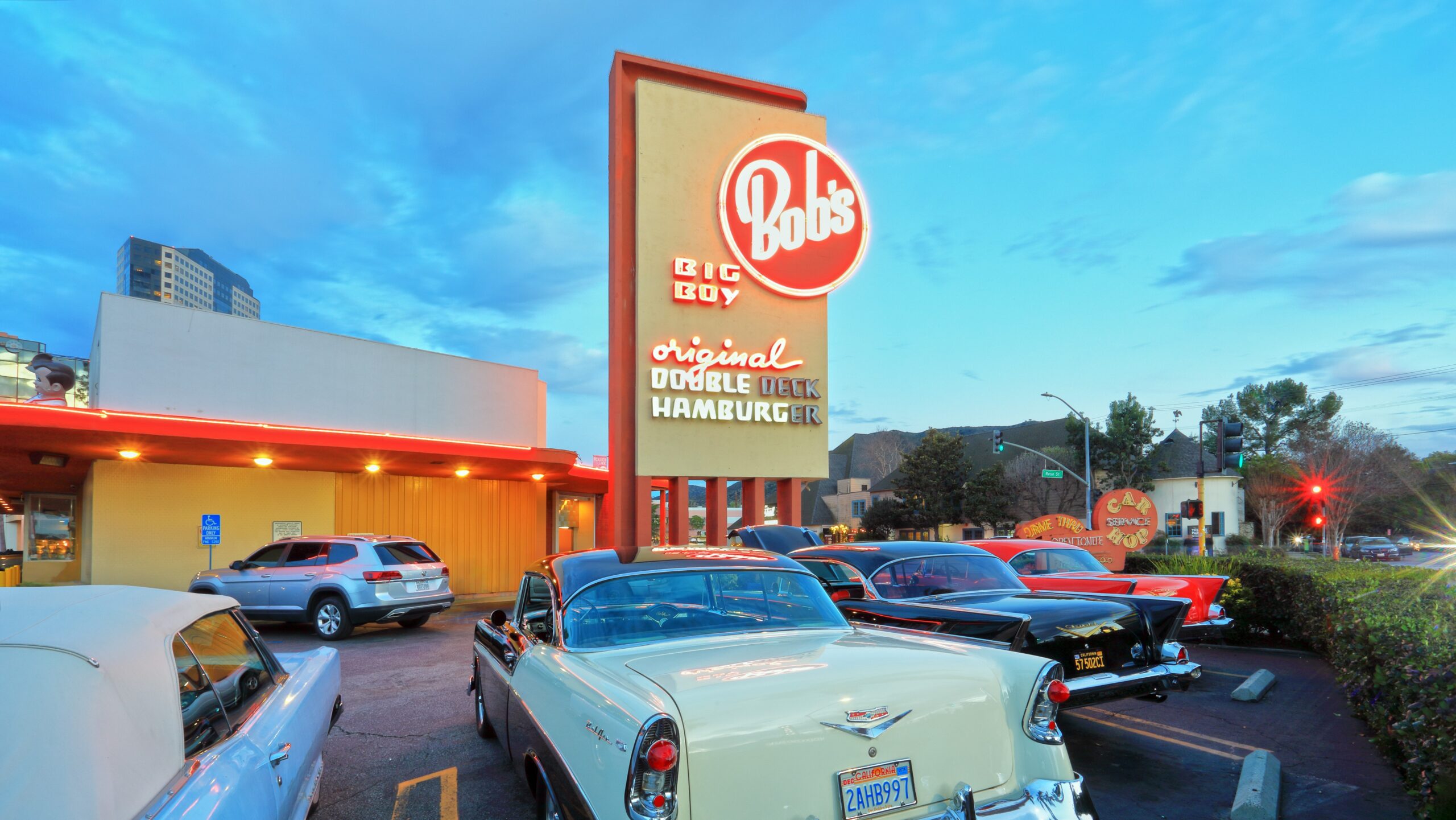
A rite of passage just got a little harder in California.
For generations of car enthusiasts, the path was pretty familiar. You got a part-time job at a fast food joint, saved what you could, and eventually turned that paycheck into your first set of wheels. It was never glamorous, but it worked. That idea has been baked into car culture for decades, and even made its way onto the big screen in movies like American Graffiti and Dazed and Confused, where cars, freedom, and after-school jobs all felt tied together.
That version of things is starting to fade. Milestones that once felt like part of the American Dream, from buying a first car to eventually owning a home, are starting to look very different for many people.
From First Paycheck to First Car
Today, about 41 percent of fast-food workers are teenagers or young adults, and many still take those jobs to cover personal expenses like gas, car insurance, or to save toward a car, according to data from the Center for Economic and Policy Research.
However, the bigger picture has shifted in a meaningful way.
Only about 39 percent of teens now own a vehicle, and just 14 percent buy one entirely on their own. Most are sharing with parents or splitting costs, and in many cases, that paycheck goes toward something more immediate, like rent, groceries, or basic living expenses.
Even in suburban areas where teen car ownership remains more common, many high school seniors are relying on a mix of part-time work and parental support rather than fully funding a vehicle themselves. Rising insurance costs, higher vehicle prices, and broader cost-of-living pressures have all changed what that first job needs to cover.
The job itself hasn’t changed, but what it needs to support has.
A $20 Minimum Wage Was Meant To Help
That is where California’s $20 fast food minimum wage law comes in.
Assembly Bill 1228, which took effect in 2024, raised wages for many fast-food workers, with the goal of helping those who rely on these jobs cover real living expenses, rather than discretionary spending. The policy was framed as a way to support workers in one of the state’s largest low-wage sectors while addressing rising costs across California.
As with most large policy changes, the real-world impact is more complicated and difficult to measure.
New Research Raises Questions About the Tradeoffs
A recent working paper from researchers at UC Santa Cruz suggests that while higher wages are attracting more applicants, many workers are seeing fewer hours, fewer openings, and a workplace increasingly relying on automation to manage costs.
According to the study, businesses are adjusting by reducing staffing, shortening operating hours, and increasing the use of technology such as self-service kiosks and mobile ordering systems. In one case cited in reporting by KMPH, a McDonald’s franchise operator saw employee hours drop by more than 11.5 percent, roughly equivalent to 62 full-time jobs.
The researchers argue that these kinds of changes may be limiting workers’ overall earning potential, even as hourly pay rises.
A broader summary of the findings, covered by CalMatters, points to reduced job opportunities, cuts to overtime, and increased automation as some unintended consequences of the law. In other words, the pay went up, but the opportunity to earn may not have kept pace.
Even when declines are measured in the low single digits, that can still represent thousands of jobs across a state as large as California, and those losses may be felt most in communities with fewer alternative opportunities.
Automation has been building in fast food for years, but higher labor costs may be accelerating how quickly those changes are being implemented.
Not Everyone Agrees on the Impact
At the same time, other research tells a very different story.
A study from the UC Berkeley Institute for Research on Labor and Employment found that the wage increase boosted workers’ pay without reducing employment, while consumer prices remained relatively modest.
That split highlights just how unsettled this debate still is. Depending on which data you look at, the policy is either helping workers earn more without major downsides or reshaping the job market in ways that make steady work harder to find.
For many workers who remain employed, higher wages can represent a meaningful improvement in quality of life, which is why some economists view modest job losses as an acceptable tradeoff.
Economists broadly agree that no single study can fully capture the impact of a policy this large, and it may take years of additional data to understand the long-term effects.
A Different Reality for Today’s Workers
That tension matters because the role of fast food workers has changed.
For some workers, especially adults relying on these jobs to cover rent, groceries, and daily expenses, higher hourly pay can make a real difference. For others, particularly younger workers trying to get a foot in the door or save toward something like a first car or college, fewer available hours or fewer openings can make that path harder than it used to be.
One open question is whether workers who do not find jobs in fast food are moving into other industries. Some research suggests that the shift has not clearly materialized, but the long-term picture is still developing.
Others argue the deeper problem is not wages alone, but the broader cost of living, especially housing, which has made it harder for low-wage workers and younger people alike to get ahead.
The fast food job used to be a starting point. Now, for many, it is something closer to a lifeline. And policies aimed at improving one reality may be reshaping the other in ways that are still playing out.
Why This Feels Bigger Than Just Fast Food
There is a reason this conversation resonates beyond wages and policy debates.
For car enthusiasts, that first job has always been part of the story. It is how many people got their start, how they paid for their first project, or at least covered gas and insurance on something that gave them independence.
That path is still there, but it looks different now.
The fast food job used to help you get your first car. Now, for many workers, it helps keep the lights on. And that shift changes everything.