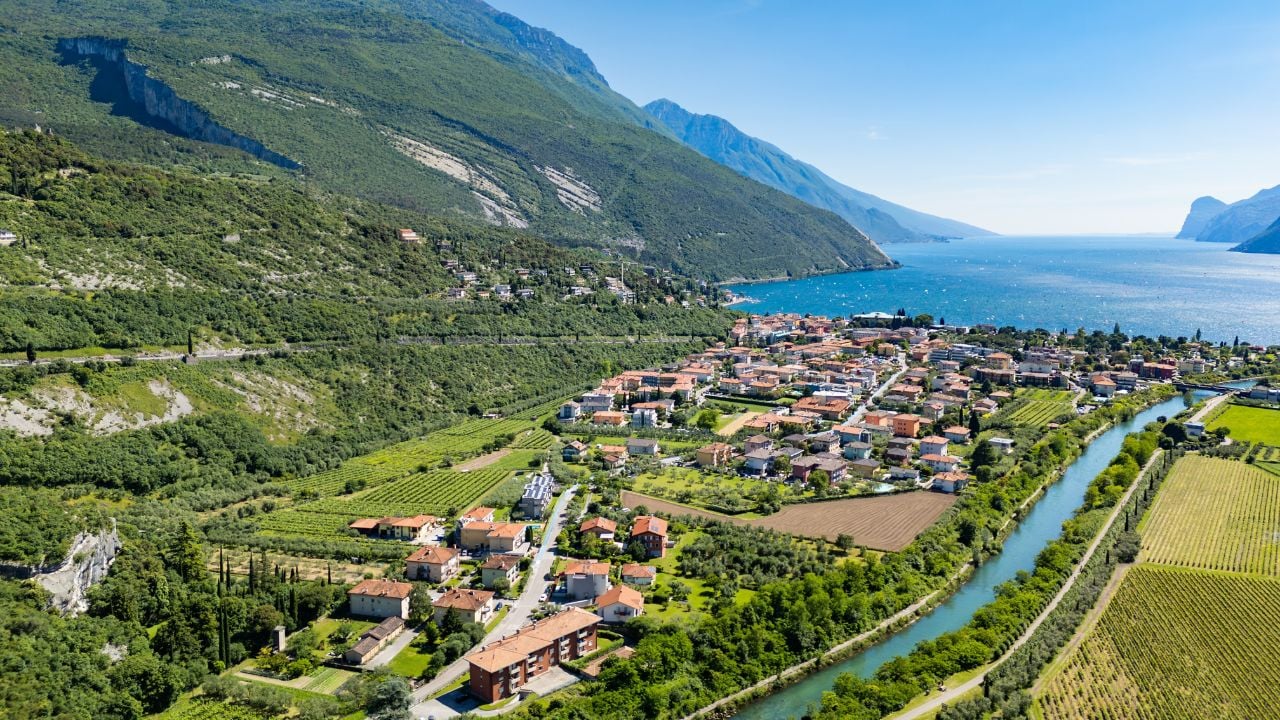
Northern Italy can swallow a week if the route tries to touch everything. Venice, Milan, the lakes, Verona, Bologna, Turin, Parma, the Dolomites, and dozens of smaller towns all compete for space, but a good one-week trip needs restraint more than ambition.
This route keeps the week focused: Turin, Lake Como, Verona, Bologna, and Parma. It gives travelers grand cafés, lake ferries, Roman streets, medieval squares, porticoes, markets, and serious food without turning every day into a luggage transfer.
Trains handle most of the city-to-city movement, while Lake Como’s ferries make the water part of the trip instead of a photo stop. Use Trenitalia and Italo for long-distance rail planning, then check Navigazione Laghi for Lake Como boat schedules and tickets.
The route moves from Piedmontese elegance to lake scenery, then into Veneto and Emilia-Romagna. By the end, the trip has changed several times without losing its shape: cafés in Turin, water in Como, Roman history in Verona, covered walks in Bologna, and a final food-focused day in Parma.
Start in Turin for Grand Cafés, Wide Streets, and an Elegant First Day
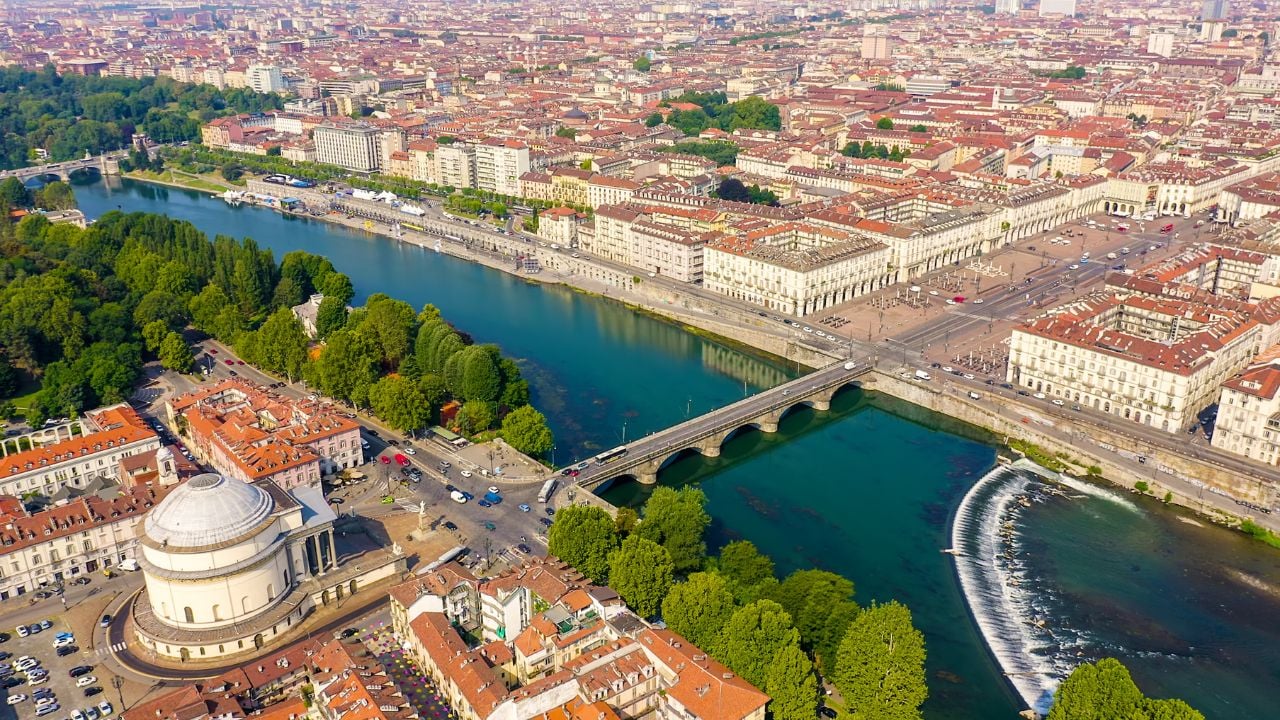
Turin is a graceful place to begin because it has scale without the immediate pressure of Italy’s most crowded headline cities. The streets feel broad, the arcades give the center a formal rhythm, and the cafés make arrival day feel civilized even if the flight or train was tiring.
Start around Piazza Castello and walk under the covered arcades before choosing one historic café for coffee, chocolate, or aperitivo. Turin is not a city to sprint through. It rewards slower looking: shopfronts under the porticoes, royal façades, old tram lines, the Po River, and the Mole Antonelliana rising above the rooftops.
The Egyptian Museum is the obvious major stop if you want one serious interior visit. It is one of Turin’s great cultural anchors, but it can take real time, so it is better to choose it deliberately rather than cramming it between too many smaller sights.
Two nights in Turin are ideal if the arrival schedule allows it. One full day can still work, especially if you keep the plan simple: Piazza Castello, the arcades, one museum or viewpoint, a long café stop, and dinner without rushing straight to the next city.
Move to Lake Como for Two Nights of Water, Ferries, and Slower Mornings

Lake Como is where the week should loosen. After Turin’s streets and cafés, the lake changes the view completely: mountains above the water, ferry docks, villas behind gates, steep lanes, church bells, and boats moving between towns all day.
Choose one base instead of trying to collect every famous village. Como and Varenna are easier for train access, while Bellagio and Menaggio suit travelers who want the stay to revolve around ferries. Check boat times with Navigazione Laghi before building the day around a crossing, especially outside the busiest summer period.
Two nights are enough for a first taste if the plan stays reasonable. Spend one full day on a ferry loop between nearby towns, with time for lunch, a lakeside walk, and one villa or garden instead of three. Villa Carlotta, near Tremezzo, is a strong choice if gardens, lake views, and historic interiors sound better than simply hopping from dock to dock.
Do not turn the lake day into a race across the water. The best parts are often the gaps between the obvious stops: waiting at a pier, drinking coffee near the shore, walking up a quiet lane, or staying in one town long enough to see the light change on the mountains.
Use Verona as the Compact Historic Stop Between the Lake and Bologna
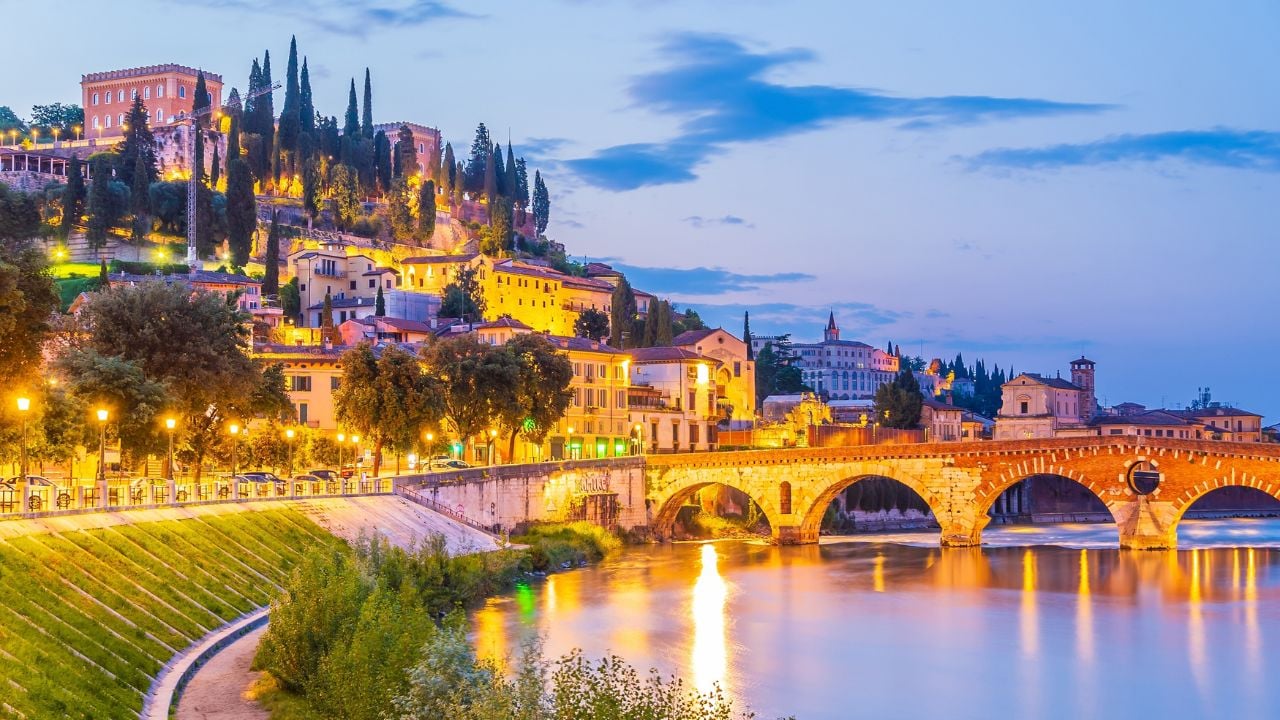
Verona is a smart middle stop because it delivers a lot of history without asking for several days. UNESCO notes that the historic city was founded in the 1st century B.C. and still preserves monuments from antiquity, the medieval period, and the Renaissance.
That history is easy to see in the center. The Arena sits near busy streets and cafés, Piazza delle Erbe fills with movement, the Adige curves around the old town, and the bridges give the city a different look from each side of the river.
Arrive from the lake region, leave the bags, and keep the afternoon clear. Walk through Piazza Bra, see the Arena from outside or book a visit if time allows, continue toward Piazza delle Erbe, then cross toward the river before dinner. Verona is compact enough for one night, but the evening matters; the city is much better when you are not watching the clock for the last train.
This stop adds a romantic historic layer without turning the route into another multi-day commitment. It also breaks up the movement between Lombardy and Emilia-Romagna, which makes the week feel less like a straight transfer from lake scenery to food cities.
Spend Two Nights in Bologna for Porticoes, Food, and Real City Energy

Bologna deserves two nights because it brings the route back into a lively city after the lake and Verona. The center is full of brick, towers, students, food shops, market lanes, and covered walkways that make even a simple stroll feel specific to the city.
The Porticoes of Bologna are a UNESCO World Heritage Site, with 12 representative sections selected from the city’s wider network of covered walkways. Bologna Welcome notes that the arcades stretch for more than 62 kilometers across the city, so walking under them is not just practical shade. It is one of the clearest ways to experience Bologna’s identity.
Use the first day for Piazza Maggiore, the Basilica of San Petronio, the Fountain of Neptune, and the market streets around the Quadrilatero. This is the part of Bologna where food becomes impossible to ignore: fresh pasta, salumi, cheese, wine bars, produce stalls, and small shop windows packed tightly into the old lanes.
The second day can move slower. Walk farther under the porticoes, visit Santo Stefano, climb if the weather is clear, or sit down for a longer lunch instead of treating Bologna as a quick meal stop. The city has museums and churches worth planning around, but eating well and walking without hurry are not secondary activities here.
Finish With Parma for a Food-Focused Ending That Still Feels Easy

Parma is a calm final stop after Bologna’s busier center. The city is smaller, softer, and easier to handle on the last day, but it still gives the trip a memorable ending: cathedral stones, theater history, quiet streets, and some of the most famous food names in Italy.
Parma Welcome describes the city as the epicenter of the Italian Food Valley, tied to products such as Prosciutto di Parma, Parmigiano Reggiano, Culatello di Zibello, Coppa di Parma, and Colli di Parma wines. UNESCO also recognizes Parma as a Creative City of Gastronomy, which gives the final day a clear purpose without requiring a complicated itinerary.
Start with the historic center rather than going straight into shopping mode. Piazza Duomo, the Cathedral, and the pink-marble Baptistery deserve time before lunch. Italia.it notes the Cathedral as a key Parma landmark and describes the Baptistery as one of the city’s symbolic sites.
After that, the day can stay wonderfully simple: lunch, a slow walk, a food shop, maybe Teatro Farnese if you want one more major interior, then a train toward Milan, Bologna, or another northern hub. Ending in Parma keeps the week from feeling overstuffed. The trip closes with something you can actually taste, not another rushed monument crossed off a list.