
For decades, American food culture has been dominated by the idea that the South owns flavor, comfort, and culinary soul. Barbecue, fried chicken, biscuits, and slow-cooked traditions have long been treated as the gold standard of indulgent regional cuisine. But quietly and consistently, Northern cities have been building food scenes that rival, and in many cases surpass, their Southern counterparts. These places combine immigrant influence, seasonal cooking, innovation, and deep respect for ingredients in ways that challenge old stereotypes.
What separates these Northern food scenes isn’t just technique or trendiness, but range and refinement. They balance comfort with complexity, tradition with experimentation, and casual dining with serious culinary ambition. Many of these cities fly under the radar, overshadowed by louder food reputations elsewhere. Yet anyone who eats their way through them quickly realizes the North has nothing to apologize for.
Here are twelve Northern food scenes that don’t just compete with the South, they embarrass it.
Chicago, Illinois

Chicago’s food scene is one of the most complete in the country, blending immigrant traditions with bold American innovation. From deep-dish pizza and Italian beef to Polish sausages and elevated fine dining, the city offers unmatched diversity. Neighborhoods function like culinary worlds of their own, each with deep-rooted traditions. The city eats seriously and unapologetically.
What truly sets Chicago apart is accessibility. World-class meals exist alongside greasy spoons, and both are treated with equal respect. Chefs here focus on substance rather than spectacle, letting flavor lead. Unlike many Southern food cities, Chicago refuses to be boxed into one culinary identity.
Chicago’s dining culture feels democratic rather than performative. You don’t need nostalgia to enjoy it, just appetite. It’s a city that feeds everyone well, all the time. That consistency alone puts it ahead of many Southern food capitals.
Minneapolis–St. Paul, Minnesota

The Twin Cities quietly boast one of the most exciting food scenes in America. Scandinavian heritage blends with Indigenous traditions and modern Midwestern creativity. Local sourcing isn’t a trend here, it’s a baseline expectation. Restaurants take seasonal cooking seriously.
Unlike many Southern food hubs, the Twin Cities emphasize balance over heaviness. Dishes feel thoughtful, precise, and deeply connected to place. Chefs focus on vegetables, grains, and technique as much as meat. The result is food that feels nourishing rather than indulgent.
This scene thrives without leaning on nostalgia. It proves that comfort doesn’t need excess. Minneapolis–St. Paul cooks with confidence, clarity, and restraint, qualities often missing in louder food cities.
Detroit, Michigan
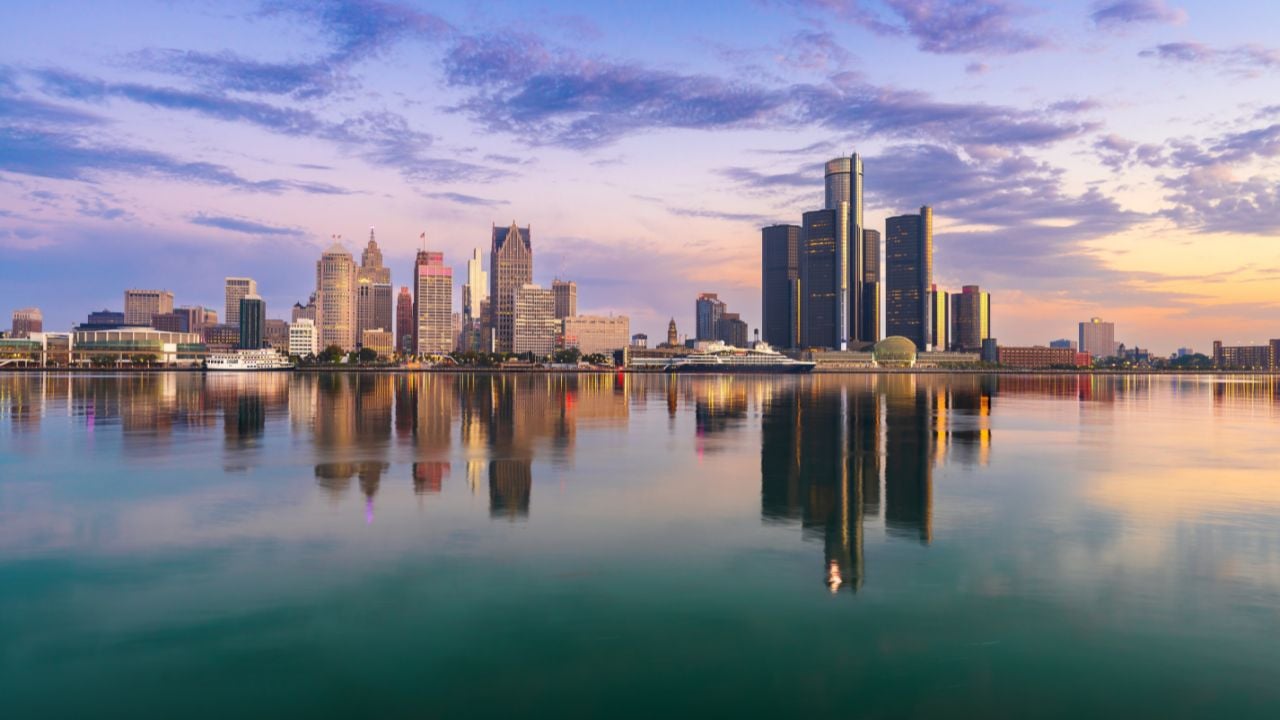
Detroit’s food scene reflects resilience, reinvention, and cultural depth. Middle Eastern, Polish, African American, and Italian influences intersect in powerful ways. Dishes feel honest, filling, and rooted in real communities. This is food built on survival and pride.
The city’s dining culture is refreshingly unpretentious. Great meals are found in family-run spots as often as in modern restaurants. Detroit-style pizza alone has redefined an entire category. Southern food may claim soul, but Detroit delivers grit and authenticity.
Detroit cooks don’t chase trends, they refine traditions. That confidence translates to flavor that feels earned rather than nostalgic. It’s a food city that doesn’t ask for validation, which makes it even stronger.
Portland, Maine

Portland has become a national food powerhouse despite its small size. Seafood is handled with precision and restraint, letting freshness speak louder than seasoning. Lobster, oysters, and scallops are treated with respect rather than theatrics. The quality is undeniable.
What separates Portland from Southern seafood cities is consistency. There’s no reliance on heavy frying or overpowering sauces. Chefs here trust ingredients and technique. Even casual meals feel deliberate and refined.
Portland’s food culture is quiet, confident, and deeply local. It doesn’t shout for attention, yet consistently outperforms louder coastal destinations. In terms of seafood execution alone, it leaves many Southern cities behind.
Buffalo, New York
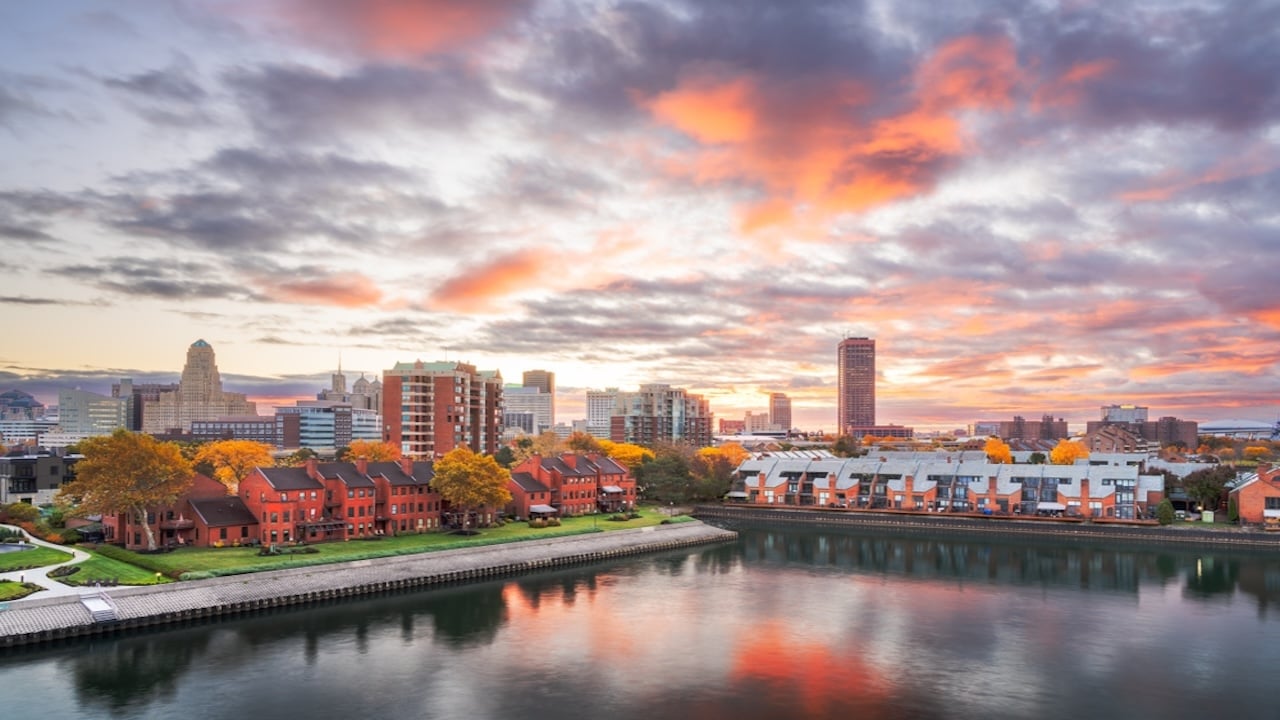
Buffalo is often reduced to wings, but its food scene runs far deeper. Italian-American cooking, Polish comfort food, and creative modern restaurants coexist effortlessly. The city understands indulgence without excess. Flavor here is bold but not sloppy.
Buffalo’s strength lies in mastery of simple food done right. Portions are generous, but technique still matters. Unlike many Southern food scenes, Buffalo doesn’t confuse heaviness with quality. There’s discipline beneath the comfort.
The city’s food feels rooted in community rather than tourism. Restaurants cook for locals first. That honesty gives Buffalo a culinary credibility that many Southern hotspots lack.
Boston, Massachusetts

Boston’s food scene has evolved far beyond its traditional reputation. Seafood remains central, but global influences now dominate many neighborhoods. Italian, Vietnamese, Caribbean, and modern New England cuisines thrive side by side. The range is impressive.
What makes Boston stand out is precision. Chefs value balance, acidity, and restraint. Dishes feel structured and intentional rather than indulgent for indulgence’s sake. This approach creates longevity and depth.
Boston doesn’t rely on nostalgia to sell food. It adapts, refines, and improves. That evolution gives it an edge over Southern cities clinging too tightly to tradition.
Cleveland, Ohio

Cleveland’s food scene punches far above its reputation. Eastern European, Italian, and Middle Eastern influences dominate the city’s culinary identity. Markets, bakeries, and family-run restaurants define everyday eating. Flavor here is direct and satisfying.
The city avoids overcomplication. Meals feel generous, balanced, and deeply comforting without being heavy-handed. Cleveland values consistency over trend-chasing. That reliability builds trust with diners.
Unlike many Southern food cities, Cleveland doesn’t rely on one signature dish. Its strength lies in breadth. That diversity gives it resilience and relevance.
Milwaukee, Wisconsin
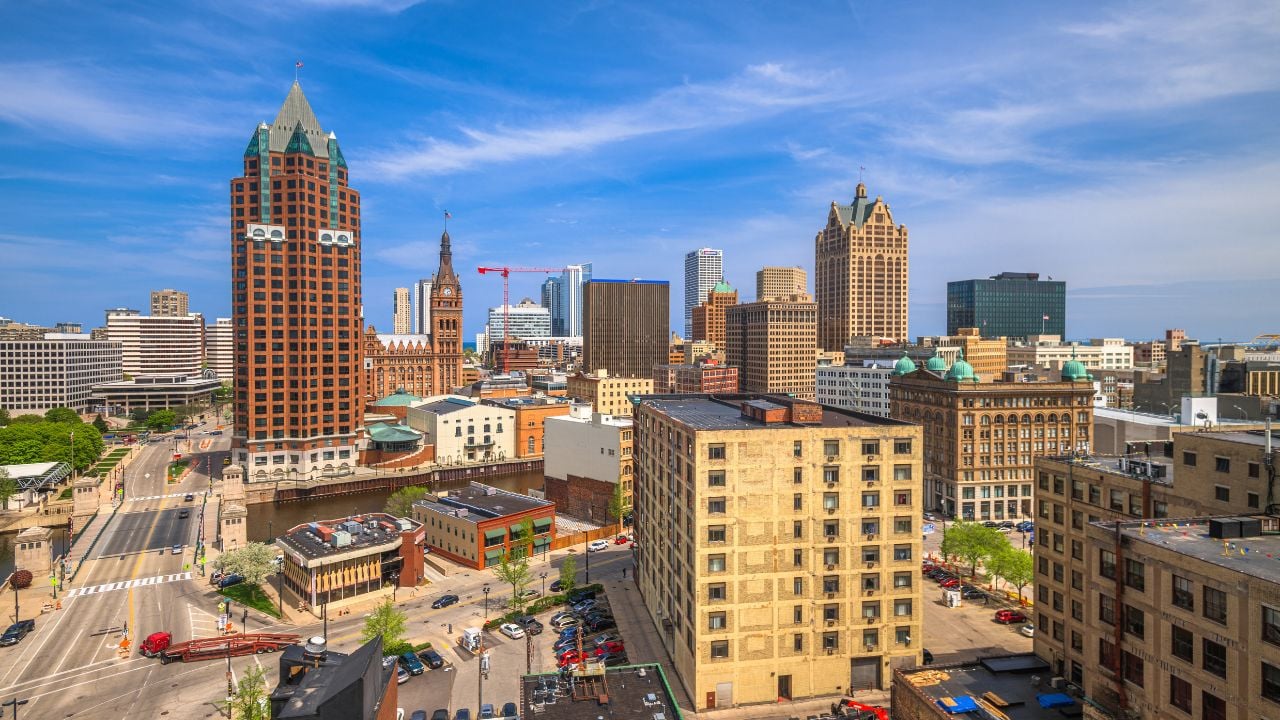
Milwaukee combines Old World tradition with modern creativity. German roots influence everything from sausages to beer culture. At the same time, chefs push boundaries with contemporary Midwestern cuisine. The balance feels natural.
Food here emphasizes craftsmanship. Cheese, bread, cured meats, and fermentation all play major roles. Unlike Southern food scenes that often lean on nostalgia, Milwaukee focuses on technique. The results speak for themselves.
Milwaukee’s dining culture feels grounded and confident. It doesn’t need hype to succeed. That quiet excellence consistently outperforms louder competitors.
Toronto, Ontario

Toronto is one of the most diverse food cities in North America. Immigrant cuisines define the landscape, from Caribbean and South Asian to East African and Chinese. Authenticity is the rule, not the exception. The city eats globally.
What separates Toronto from Southern food capitals is range. No single cuisine dominates. Diners experience the world in one city. That exposure raises standards across the board.
Toronto’s food scene is fearless and constantly evolving. It doesn’t cling to tradition for comfort. That adaptability makes it one of the strongest culinary cities on the continent.
Pittsburgh, Pennsylvania

Pittsburgh’s food scene is built on working-class roots and modern reinvention. Eastern European traditions meet contemporary American cooking. Comfort food dominates, but it’s executed with surprising finesse. The city understands balance.
Restaurants here respect appetite without sacrificing quality. Dishes are hearty but thoughtful. Unlike some Southern scenes, Pittsburgh avoids excess for its own sake. There’s structure beneath the indulgence.
Pittsburgh’s food culture feels honest and earned. It reflects the city’s resilience. That authenticity translates to meals that satisfy without pretense.
Montreal, Quebec

Montreal is one of North America’s true food capitals. French technique blends with immigrant influence and North American creativity. Bakeries, bistros, and casual spots all operate at high levels. The city eats seriously.
What sets Montreal apart is confidence. Chefs don’t chase trends, they refine craft. Even simple dishes feel deliberate. The city’s respect for food culture runs deep.
Compared to many Southern food cities, Montreal offers more consistency, discipline, and range. It proves that indulgence and refinement can coexist effortlessly.
Seattle, Washington

Seattle’s food scene thrives on freshness and restraint. Seafood, produce, and global influences dominate menus. Chefs emphasize balance and sustainability over excess. The result is food that feels clean and purposeful.
Unlike Southern food traditions that lean heavily on frying and richness, Seattle prioritizes clarity of flavor. Ingredients lead, technique supports. That approach creates lighter but deeply satisfying meals.
Seattle’s dining culture reflects modern values without sacrificing pleasure. It’s thoughtful, precise, and quietly confident. In today’s food landscape, that mindset often outperforms tradition-bound scenes elsewhere.