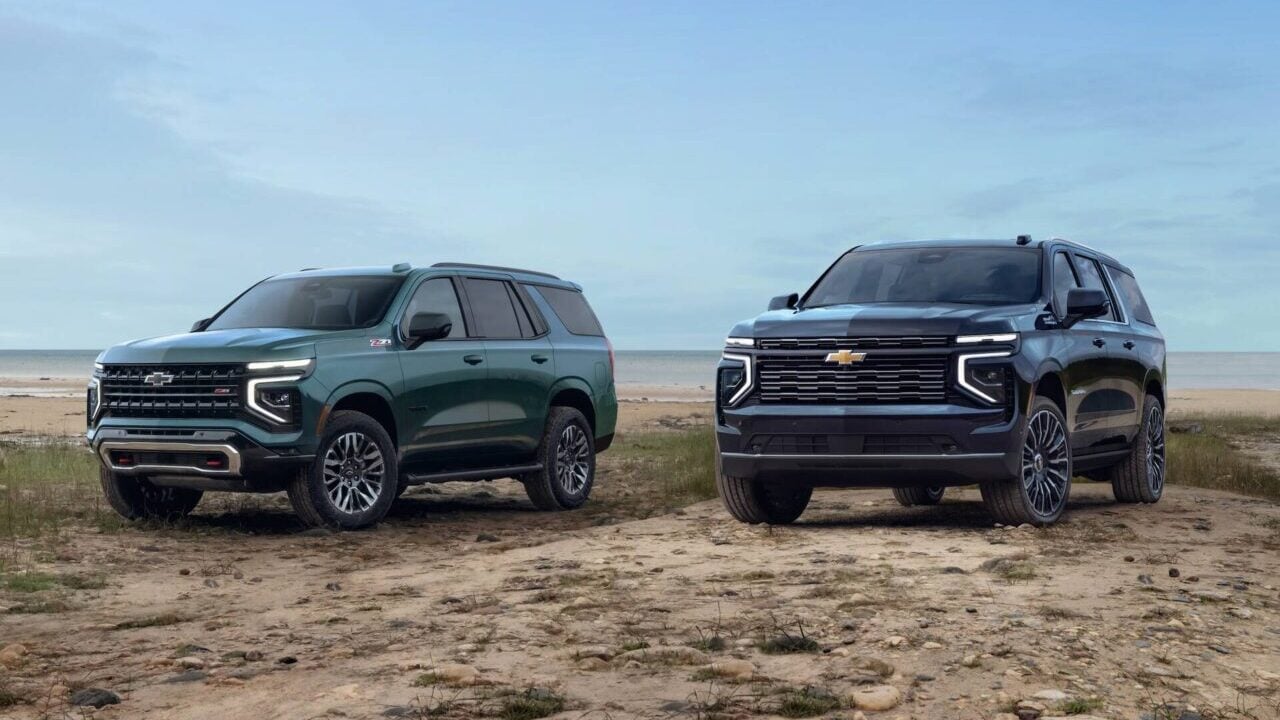
Ever tried squeezing into a parking spot lately and wondered if your car gained weight overnight? You’re not imagining things.
Vehicles have been bulking up like they’re training for a bodybuilding competition, and parking spaces across the globe are feeling the squeeze.
The Numbers Don’t Lie
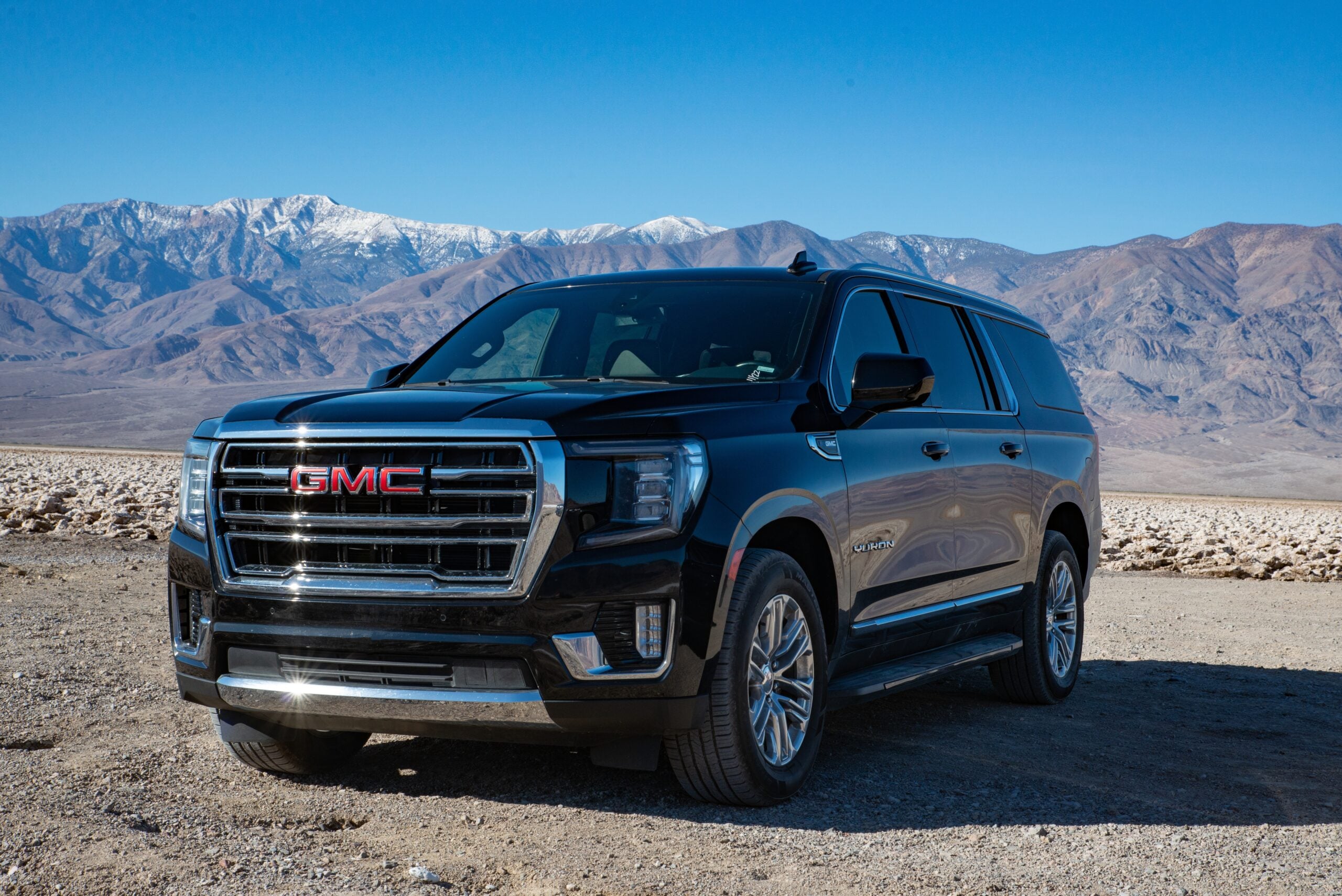
Today’s cars are significantly larger than their predecessors. That compact car you remember from a few years ago? Its modern version might be the size of what used to be considered a mid-size vehicle. European data reveals that new vehicles have expanded by about two inches in width since 2018, while packing on an extra 440 pounds in weight.
Electric SUVs take this trend even further, adding substantial heft due to their battery packs. We’re talking vehicles that weigh as much as some pickup trucks.
Cities Fight Back
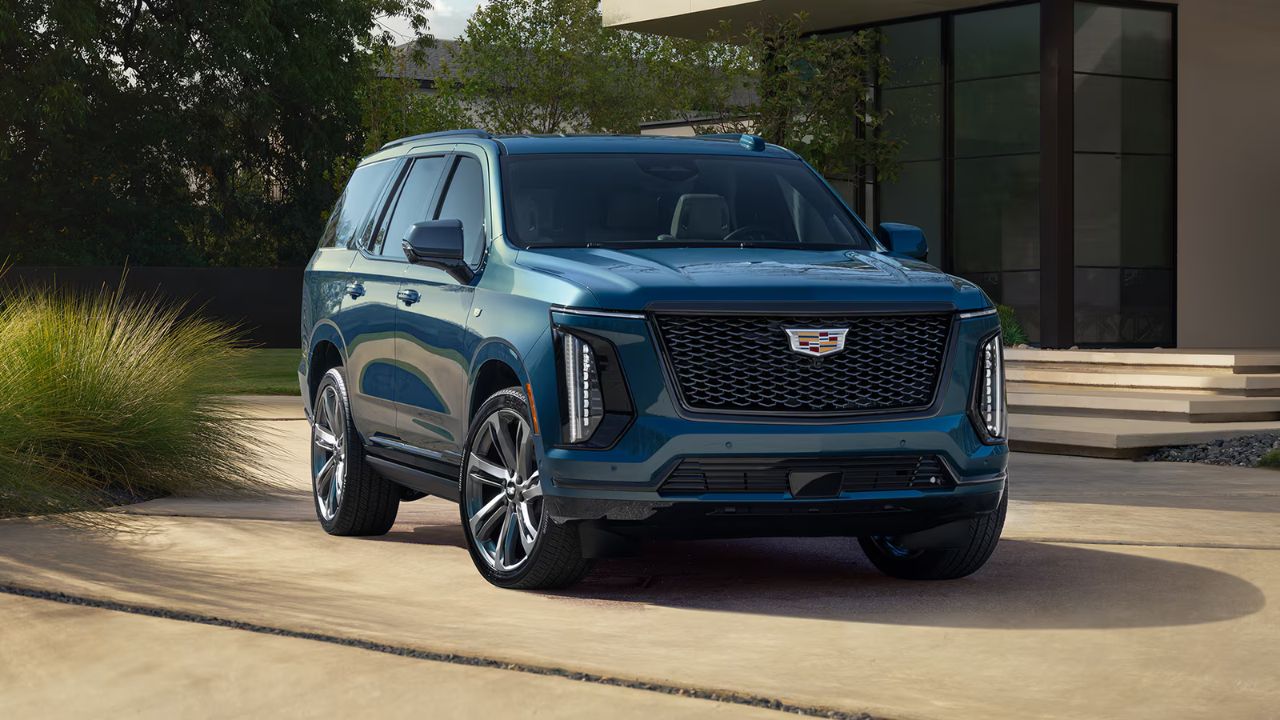
Urban planners aren’t thrilled about this automotive expansion. Paris made headlines by dramatically increasing parking fees for heavier vehicles, reportedly cutting the number of oversized cars on its streets by two-thirds. Meanwhile, Cardiff is experimenting with higher permit costs for anything tipping the scales past 5,290 pounds.
The problem is real: many contemporary vehicles are actually wider than standard parking spaces, which were designed decades ago. Some cities are spending millions to widen parking bays, while others sit empty because drivers simply can’t fit.
Why the Growth Spurt?

Buyers defend their preference for larger vehicles with practical reasons. Families need cargo space for kids, pets, and weekly shopping hauls. Others appreciate the elevated seating position and perceived safety of sitting higher off the ground.
There’s also the lifestyle factor. Modern households tend to carry more stuff and take more trips than previous generations. That roomy cargo area isn’t just for show (for some folks) — it’s genuinely useful for how people live today.
Manufacturers aren’t complaining either. Many SUVs share platforms with smaller cars but command higher prices, making them profitable to produce.
The Safety Paradox

Ironically, safety regulations have contributed to vehicle expansion. Modern crash protection requires stronger structures, multiple airbags, and reinforced cabins — all of which add weight and bulk.
But here’s the catch: while these features protect people inside the vehicle, research suggests they pose greater risks to pedestrians and cyclists. Studies indicate that increased hood heights can substantially raise fatality risks for vulnerable road users.
The extra weight also means increased energy consumption, regardless of fuel type. Electric vehicles produce zero tailpipe emissions but generate more tire particle pollution due to their heft.
What’s Next?
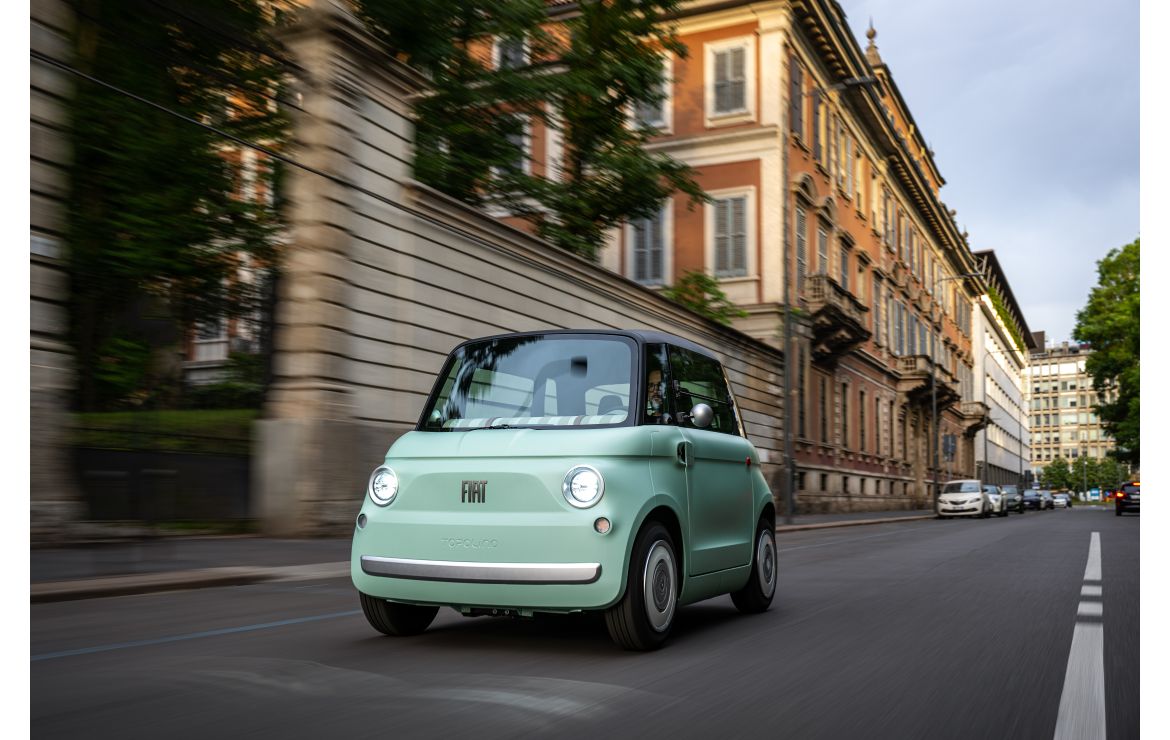
Governments are testing various approaches to encourage downsizing, from special fees to parking restrictions. Smaller electric vehicles like the Renault 5 and Hyundai Inster are proving that compact doesn’t mean compromised. Stellantis has started considering a tiny city car for Americans after President Donald Trump marveled at the tiny kei cars he saw in Japan.
Still, SUVs aren’t going anywhere soon. They’ve captured consumer hearts and wallets, and that popularity shows no signs of fading—even as our streets, garages, and parking spaces remain stubbornly the same size they’ve always been.
So next time you’re doing parking gymnastics, remember: it’s not you, it’s the cars…