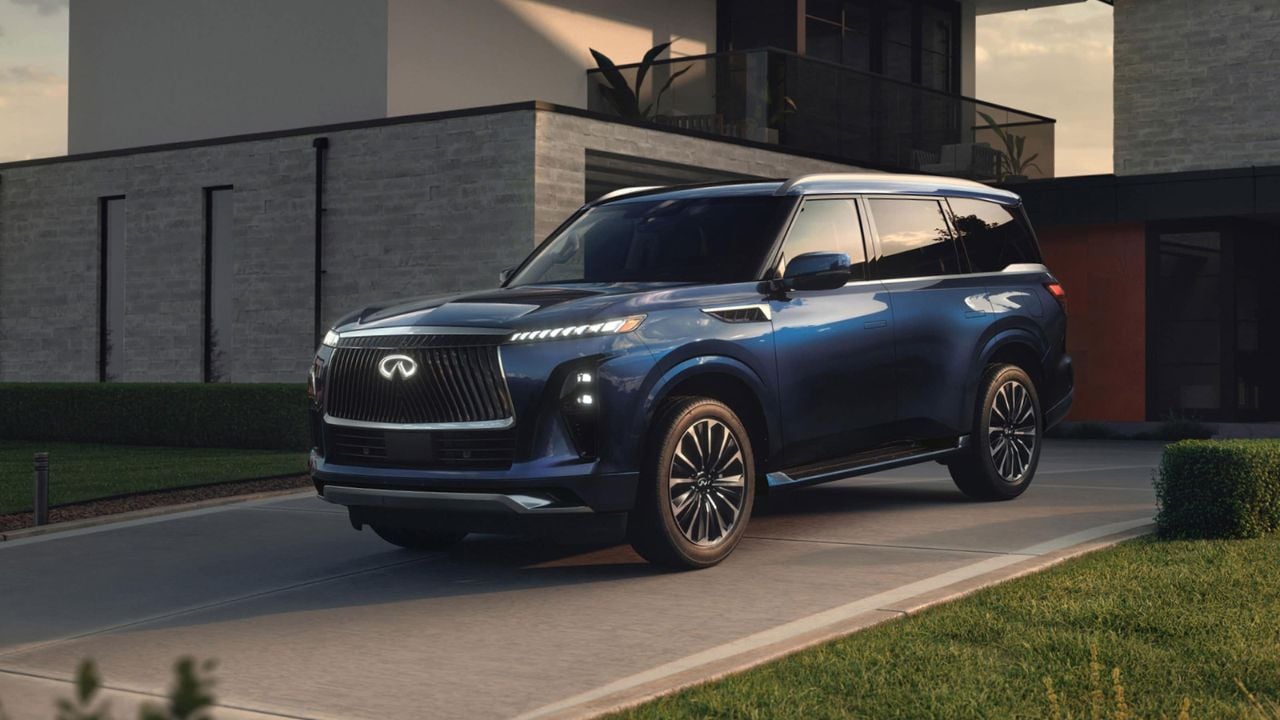

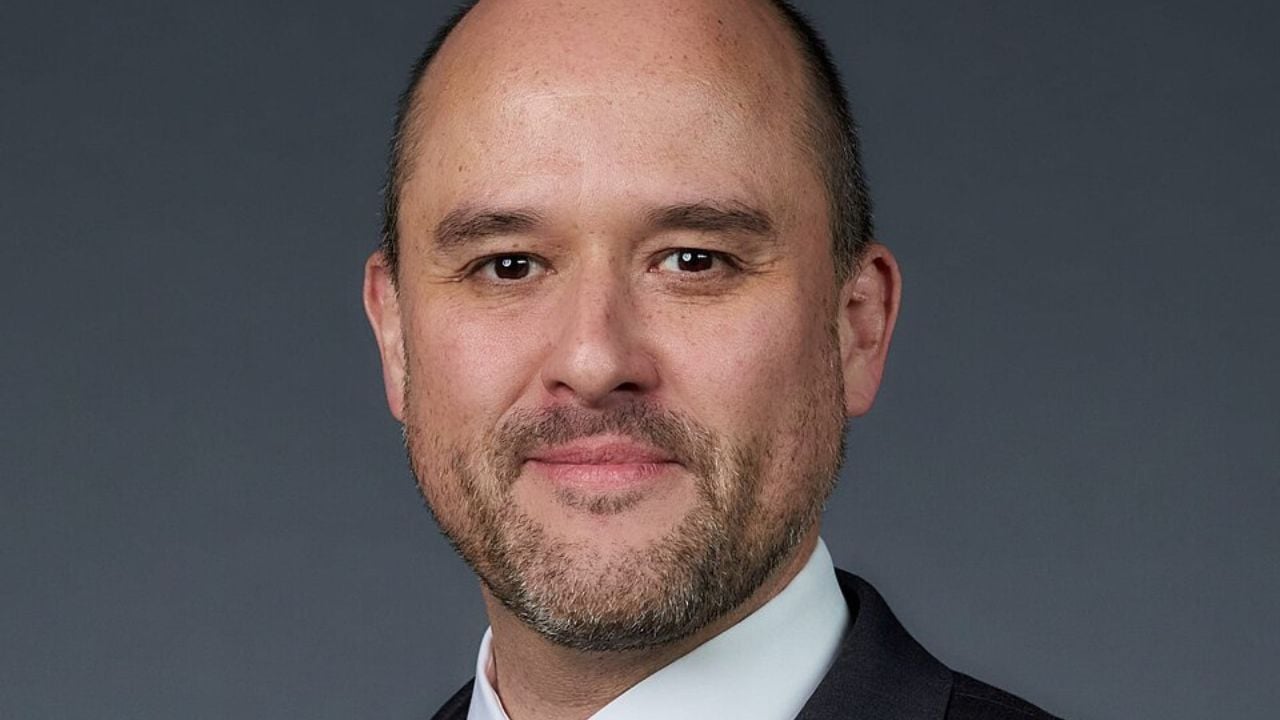
I just read a Motor1 article on an interview with Ivan Espinosa, Nissan’s Senior Vice President and effectively the executive voice for Infiniti’s strategy.
In the piece, Espinosa openly acknowledges past mistakes with Infiniti, such as pursuing a dedicated architecture and chasing unrealistic sales targets, explaining how the brand is now being repositioned.
He outlines the need for at least five models to rebuild momentum, with upcoming SUVs and a performance sedan planned.
In my opinion, Infiniti’s latest round of executive commentary reads like a candid postmortem. The brand’s leadership, speaking with unusual openness, has effectively admitted that years of indecision hollowed out what was once a credible challenger in the luxury space.
But beneath the surface of those remarks lies something more revealing than simple accountability. There is a blueprint forming, one that attempts to reconcile past missteps with a far more disciplined future.
The most striking admission is the acknowledgment of “too many pivots.” That phrase carries weight. It suggests not just experimentation, but a lack of conviction at the highest level.
Infiniti drifted between identities, flirting with performance credentials one moment and leaning into soft luxury the next, all while gesturing toward an electrified future it was not ready to deliver.
Each shift diluted brand equity. Luxury buyers, perhaps more than any other segment, demand consistency. Infiniti gave them ambiguity.
Product Cadence: The Antidote to Stagnation
Equally telling is the CEO’s emphasis on product cadence. In the luxury market, stagnation is fatal. Competitors operate on a near metronomic rhythm of updates and launches, reinforcing relevance with every cycle.
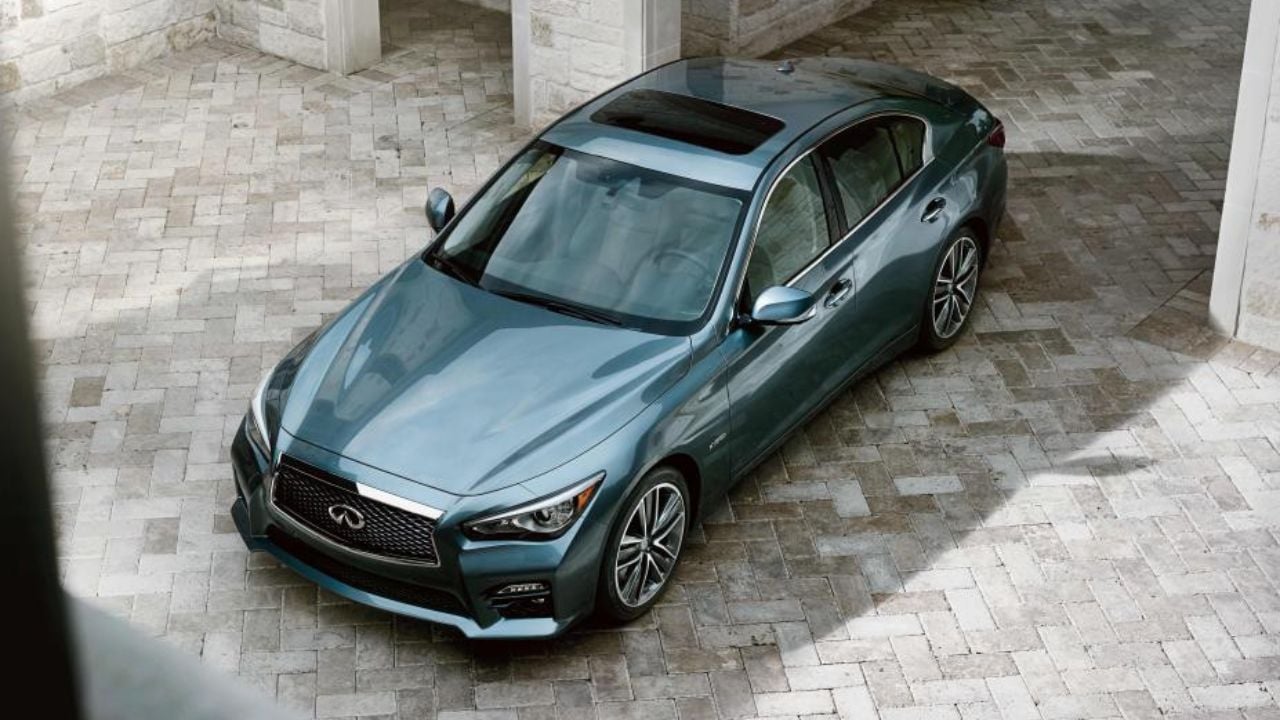
Infiniti, by contrast, allowed key models to age into obsolescence.
The CEO’s remarks here are not just reflective. They signal a structural change. The plan to introduce one new or significantly updated product each year is less about volume and more about restoring trust. Predictability, in this case, becomes a strategic asset.
Then there is the recalibration around electrification.
Infiniti’s earlier ambitions in the EV space were bold but poorly timed and unevenly executed. The new tone is notably restrained. Hybrids, not full battery electric vehicles, are now positioned as the immediate priority.
This is not a retreat so much as a recalibration toward market realities. Infrastructure gaps, fluctuating demand, and cost pressures have forced many automakers to rethink timelines. Infiniti’s leadership appears intent on avoiding another overpromise.
The language used suggests a company that has learned the cost of getting ahead of itself.
Doing Fewer Things Better: A Narrower Lineup
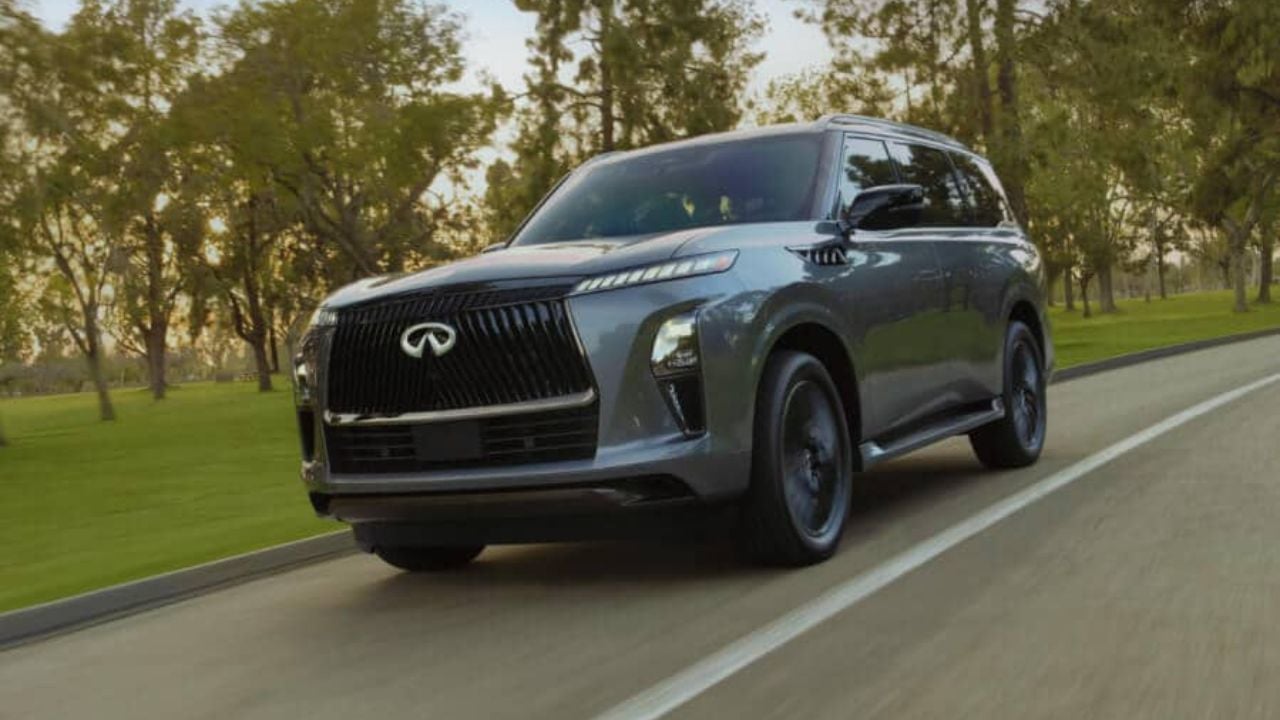
The decision to narrow the lineup is perhaps the most pragmatic shift of all. A smaller portfolio of five or six core models represents a deliberate move away from fragmentation.
In previous years, Infiniti spread its resources thinly across too many nameplates, many of which struggled to stand out. Consolidation allows for deeper investment in each vehicle, both in terms of engineering and brand storytelling.
It also aligns with the CEO’s repeated emphasis on “doing fewer things better;” that phrase underscores a newfound discipline.
Performance, long a dormant pillar for the brand, is being cautiously reintroduced. The CEO’s mentioning of a future rear-wheel-drive sports sedan speaks to an understanding that credibility in the luxury segment is often built from the top down.
Halo models shape perception, even if they sell in limited numbers. The CEO’s comments hint at a desire to rekindle the emotional appeal that once defined Infiniti’s earlier successes. Importantly, this is framed not as nostalgia, but as a strategic lever for differentiation.
SUVs, Clarity, and a Disciplined Reset
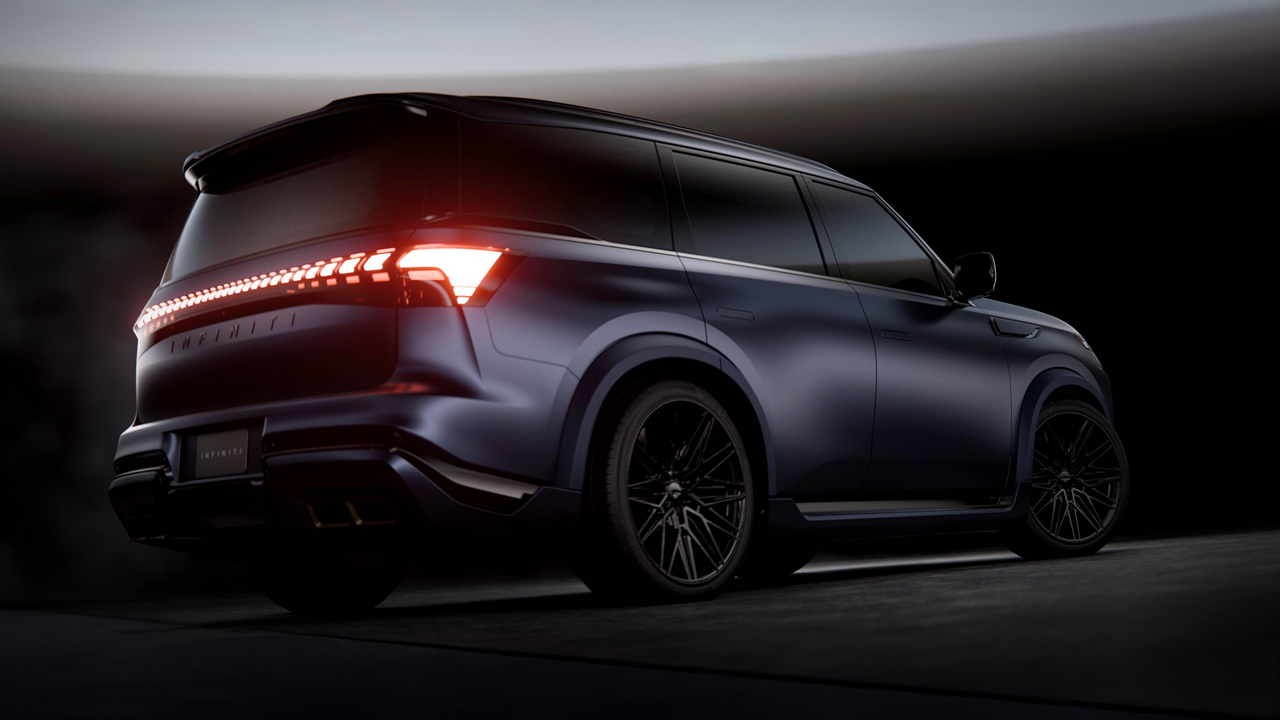
SUVs remain the commercial backbone, and the leadership is clear-eyed about that reality. The focus on expanding and refining the SUV lineup is acknowledging where the profits lie, not just a matter of chasing trends.
Yet even here, the tone has shifted. Rather than flooding the market with overlapping offerings, the plan emphasizes distinct roles for each model. Clarity, it seems, is now Infiniti’s guiding principle.
Ultimately, the CEO’s remarks reveal a company in the midst of a disciplined reset. There is no grand reinvention being promised, no sweeping declarations of industry disruption.
Instead, there is a quieter, more methodical approach taking shape. Infiniti is not attempting to leapfrog its rivals overnight. It is trying to rebuild its foundation, one carefully considered step at a time.
Whether that restraint will translate into a genuine resurgence remains to be seen. But for the first time in years, the strategy feels coherent. And in a segment where identity is everything, coherence may be exactly what Infiniti needs.