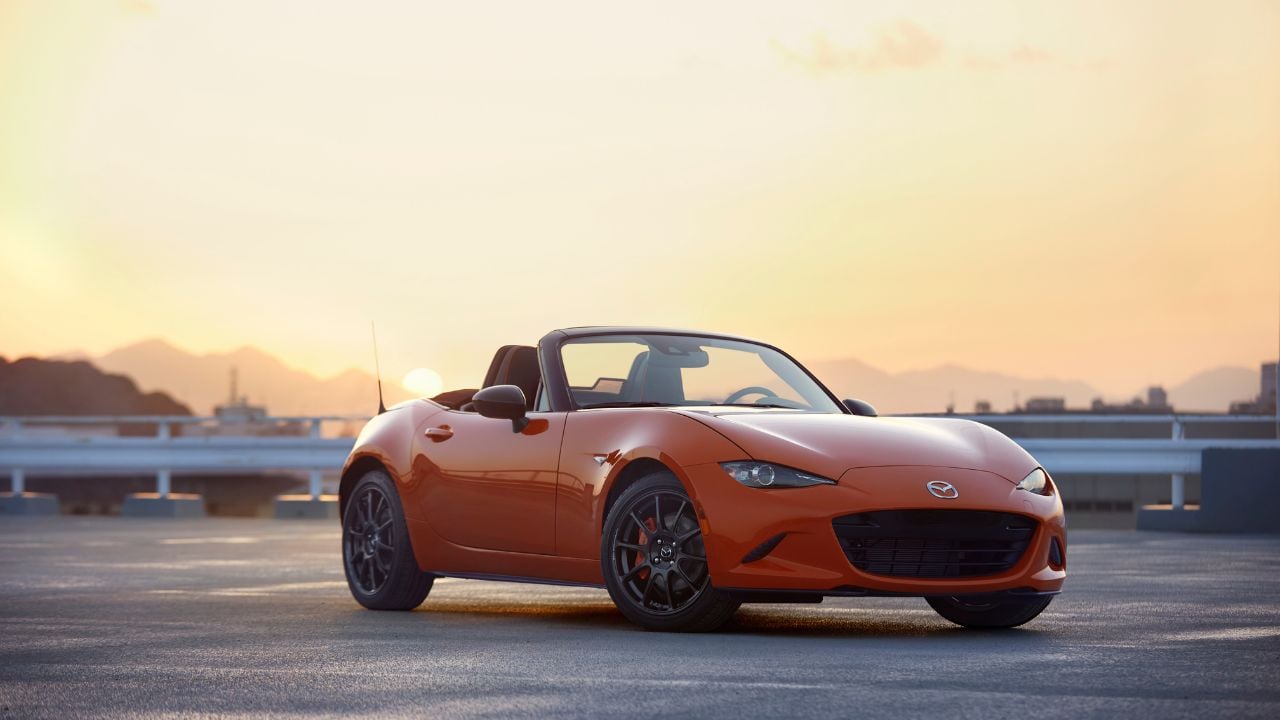
The Mazda MX-5 has spent decades earning a reputation as one of the purest driver’s cars on the market. Its lightweight construction, simple engineering, and engaging handling have helped it remain the world’s best-selling two-seat sports car.
That formula appears set to continue for one more generation, although the future beyond that may look very different. Comments from Mazda executives suggest the upcoming fifth-generation model could be the final MX-5 to rely on a traditional internal combustion engine.
While Mazda has not officially confirmed its long-term plans, the company is increasingly preparing for stricter global emissions standards and the industry’s gradual transition toward electrification. Those pressures are expected to influence the future of one of the brand’s most recognizable nameplates.
Enthusiasts may still have several years to enjoy a gasoline-powered MX-5 before major changes arrive. Based on current development timelines, an all-electric successor is unlikely to appear until well into the next decade.
Mazda Hints at the MX-5’s Electric Future
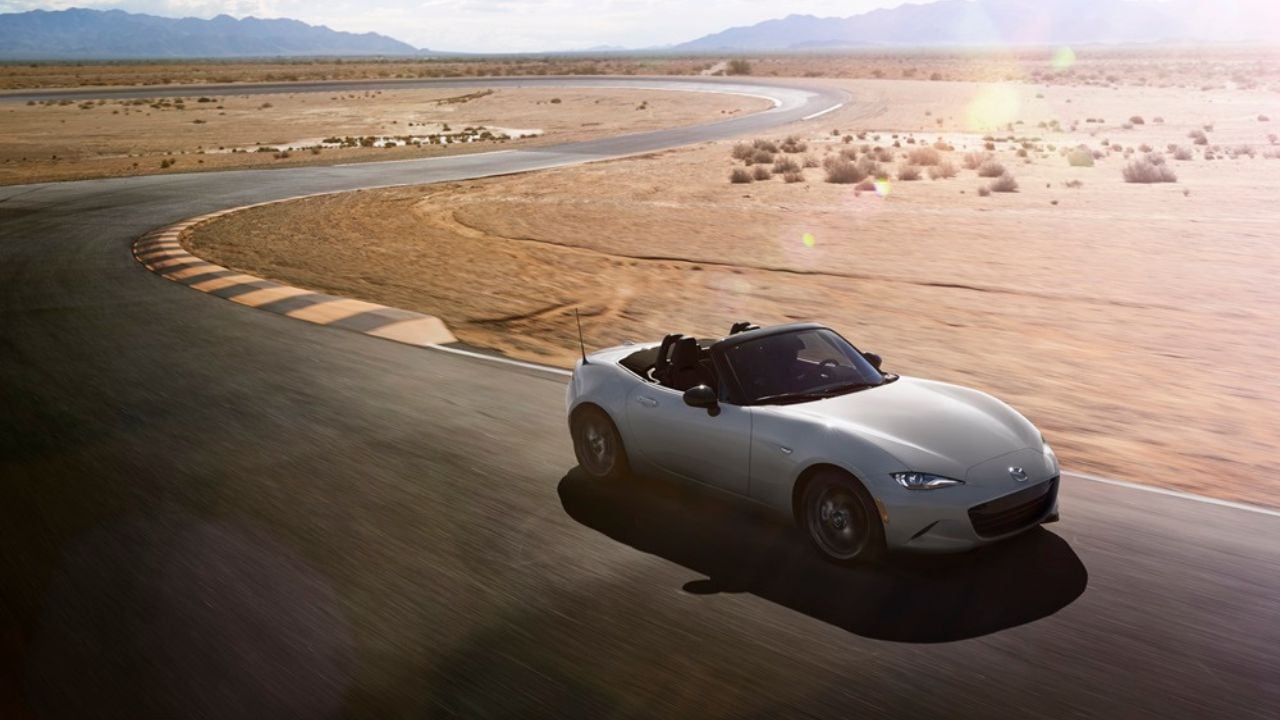
Speaking to CarExpert during the Australian launch of the Mazda 6e electric liftback, Mazda Australia CEO Vinesh Bhindi revealed that company executives have already confirmed another MX-5 is on the way. Although a launch date remains undisclosed, he said discussions with senior leadership included a suggestion that the next combustion-powered version could be the last.
That statement points toward a future where the generation following the upcoming model abandons gasoline power altogether. If those plans remain on track, the sixth-generation MX-5 could become an all-electric sports car.
The Next MX-5 Will Stay True to Its Roots
Despite increasing pressure to electrify, Mazda appears committed to preserving the characteristics that have defined the MX-5 for more than three decades. The next-generation model is still expected to use a naturally aspirated engine paired with a manual transmission while maintaining an emphasis on low weight.
Some level of electrification could be introduced through a mild-hybrid system, helping the sports car meet tightening emissions requirements without fundamentally changing its driving experience. That approach would allow Mazda to balance regulatory demands with enthusiast expectations.
Mazda’s design team has also emphasized that keeping the MX-5 light remains the highest priority. The company has previously stated its goal of building the next model with a curb weight below 1,000 kilograms (2,200 lbs) while keeping overall length under four meters.
Building a Lightweight EV Will Be a Bigger Challenge
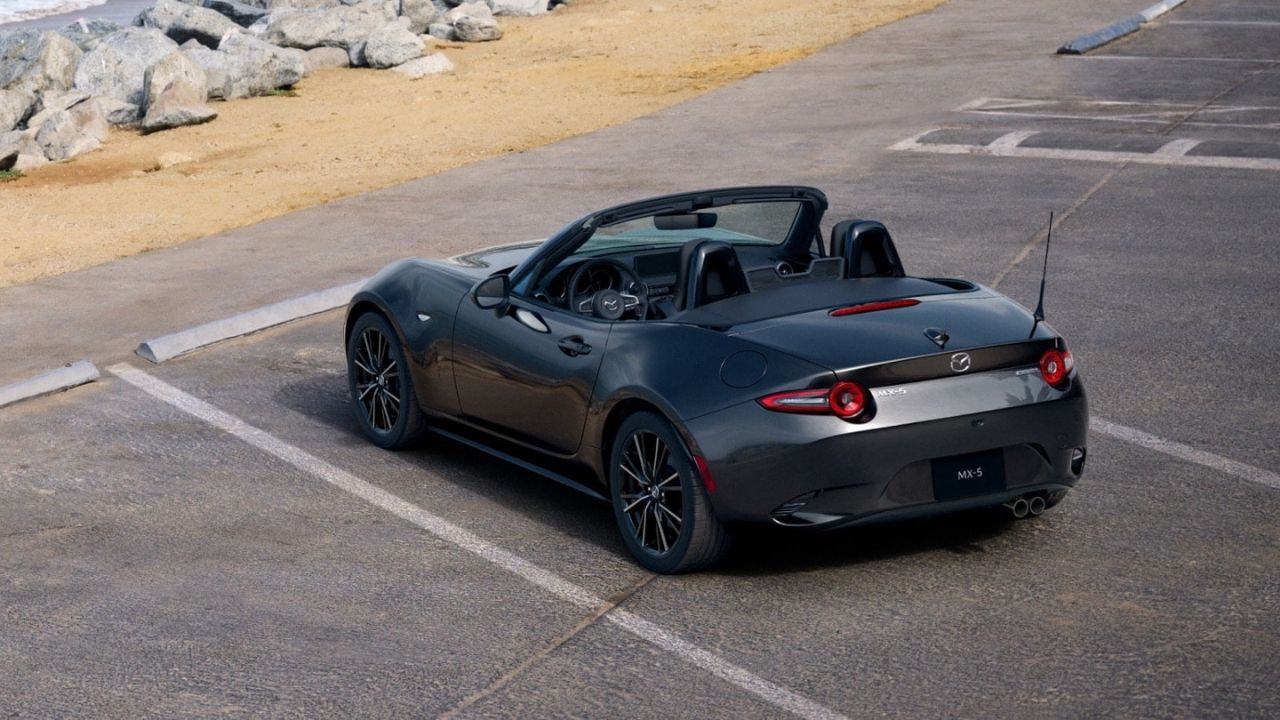
Achieving those same weight targets with a fully electric powertrain presents a far greater engineering challenge. Current battery technology typically adds significant mass, making it difficult to deliver the agile handling and responsiveness that define the MX-5.
Even some of today’s smallest electric vehicles weigh considerably more than the current MX-5. Lightweight electric sports cars currently under development are also expected to tip the scales well above the one-tonne mark, highlighting how difficult Mazda’s task could become.
Future battery advancements may eventually reduce that disadvantage, allowing engineers to produce a lighter electric sports car without sacrificing driving dynamics. Those technological improvements will likely play a major role before Mazda commits to launching an electric MX-5.
The Change Is Still Years Away
Development of the fifth-generation MX-5, internally expected to carry the “NE” designation, is still ongoing. Mazda has indicated that the new model remains several years from its global debut, meaning it will likely remain on sale for much of the next decade.
The current ND-generation MX-5 has already enjoyed an unusually long production run, entering its twelfth year on the market. Previous generations have also remained in production for extended periods, making a fully electric successor before the mid-2030s appear unlikely.
That timeline is consistent with increasingly strict emissions regulations expected across Europe and other major markets. By the time the following generation arrives, continuing with a conventional gasoline engine may no longer be commercially or legally practical.
Protecting an Automotive Icon

Mazda faces the difficult challenge of modernizing one of the automotive world’s most celebrated sports cars without losing the qualities that made it successful. The MX-5 has surpassed 1.26 million units sold globally, making it the best-selling two-seat sports car in history.
Whether future buyers embrace an electric MX-5 remains to be seen, particularly among long-time enthusiasts who value its lightweight design, manual gearbox, and naturally aspirated engine. For now, however, Mazda appears determined to give the iconic roadster one final chapter powered by gasoline before entering the electric era.