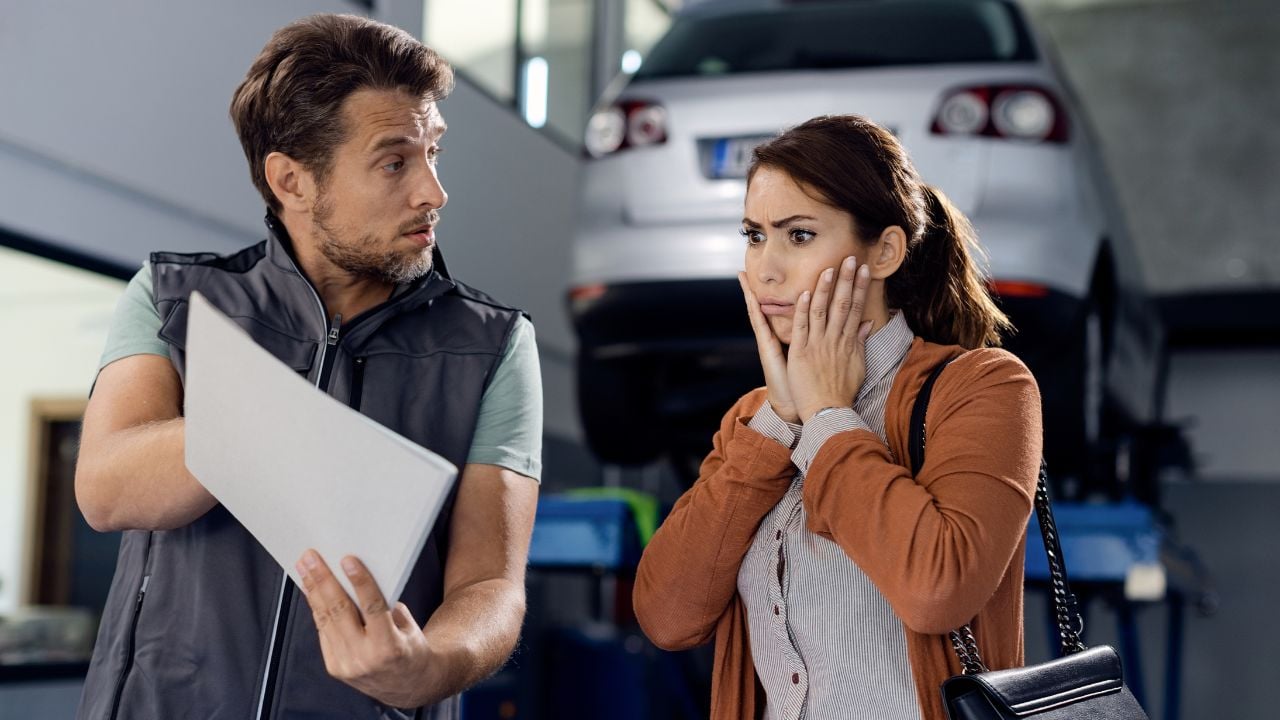

A new survey of 1,000 U.S. motorists reveals a striking trend currently reshaping how Americans think about car ownership and safety. According to research published by SaveMaxAuto, 38 percent of drivers say they have ignored a check-engine or other warning light in their vehicle over the past year.
That behavior now ranks as the most common risky vehicle maintenance decision among drivers, outpacing dangerous choices like driving on bald tires or with worn brakes.
The data suggests that rising costs are forcing drivers to make tough trade-offs between their financial stability and their vehicle’s health. Nearly two in five respondents have faced more than $1,000 in unexpected auto expenses in the past year, and more than one in eight reported surprise bills topping $3,000.
To cope, 33 percent tapped credit cards, 22 percent drew from savings, and sizable shares reported skipping or delaying other bills.
More Drivers Ignore Check Engine Lights
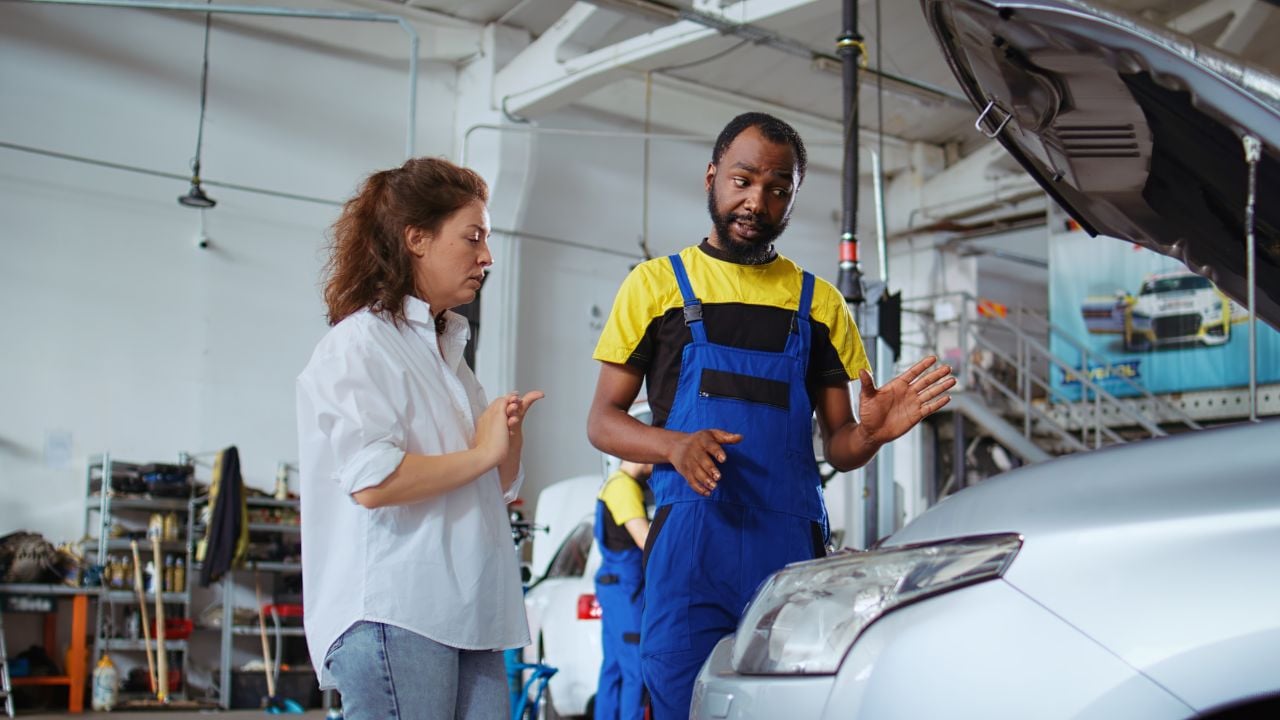
At the heart of this shift is the check-engine light. Designed as an early warning system for emissions, drivetrain, or other mechanical issues, the light is often ignored when the vehicle appears to run fine.
Industry data from the annual CarMD Vehicle Health Index indicates that check-engine related repair costs reached record levels in recent years, in part due to increasing parts costs and an aging U.S. fleet.
The most common repairs, such as catalytic converter replacements, can cost well over $1,000 once parts and labor are tallied.
It’s no secret that ignoring dashboard warnings can have cascading effects. Delaying a minor issue like a loose gas cap or oxygen sensor replacement can mean heavier wear on the catalytic converter and other emissions components, potentially turning a few hundred-dollar repair into a multi-thousand-dollar bill later.
Recent findings outside the SaveMaxAuto survey also suggest that delayed repairs can increase the likelihood of more serious damage if underlying problems are left untreated.
Squeezed for Cash and Social Life
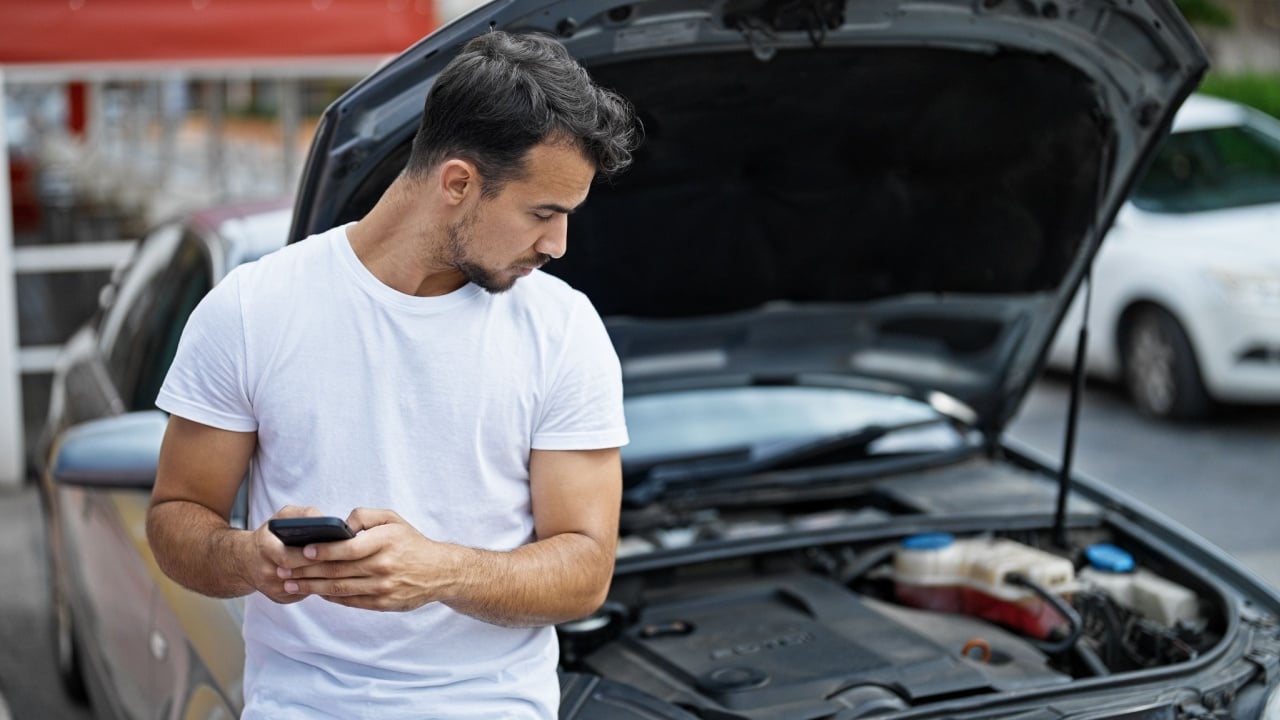
Financial stress is clearly a driving factor behind drivers’ decisions. The SaveMaxAuto study found that 54 percent of drivers expect to struggle covering car-related expenses in the next six months. One in four already believes they will fall behind on payments.
The squeeze is particularly tight for lower-income and younger drivers, with nearly half of those earning under $40,000 annually admitting they have driven with a warning light on. Among Gen Z respondents, that figure jumps to 43 percent.
The impact of vehicle costs extends well beyond maintenance decisions. One in four drivers said car expenses have led them to skip family events, and one in five cut back on dating or social life. Nearly one in five drivers cited missed career opportunities, refusing jobs that require a long commute to avoid gas and repair costs.
Insurance costs and coverage choices are changing too. According to the research, 10 percent of drivers switched to liability-only coverage to reduce premiums, and 7 percent canceled coverage altogether. Riskier though these choices may be, many feel they have few alternatives in the face of mounting financial pressure. Among Gen Z drivers, nearly a quarter downgraded coverage and 10 percent dropped policies completely.
A Trend Not Worth Following

It’s important that drivers do not interpret these trends as encouragement to put off needed maintenance. The check-engine light is tied to systems that directly affect emissions, engine performance, and fuel economy.
Ignoring it can result in reduced efficiency and higher fuel costs over time, which will only compound financial strain. Diagnostic costs for reading check-engine codes can vary widely, but some sources note that basic scans at parts stores are often offered for free and can help pinpoint issues before they worsen.
The trend toward driving with warning lights illuminated also reflects broader changes in how Americans view car ownership. Many drivers are keeping vehicles longer, deferring new purchases to stretch budgets, and combining errands or cutting back on discretionary trips to save on gas.
These behavioral shifts underscore a larger story about the intersection of economic pressure and vehicle maintenance decisions.
As vehicle ownership costs continue to rise, more drivers may face the tough reality of choosing between immediate financial needs and long-term car health. The once-routine trips to the mechanic now sit alongside rent, groceries, and other essentials as a decision point with real consequences.