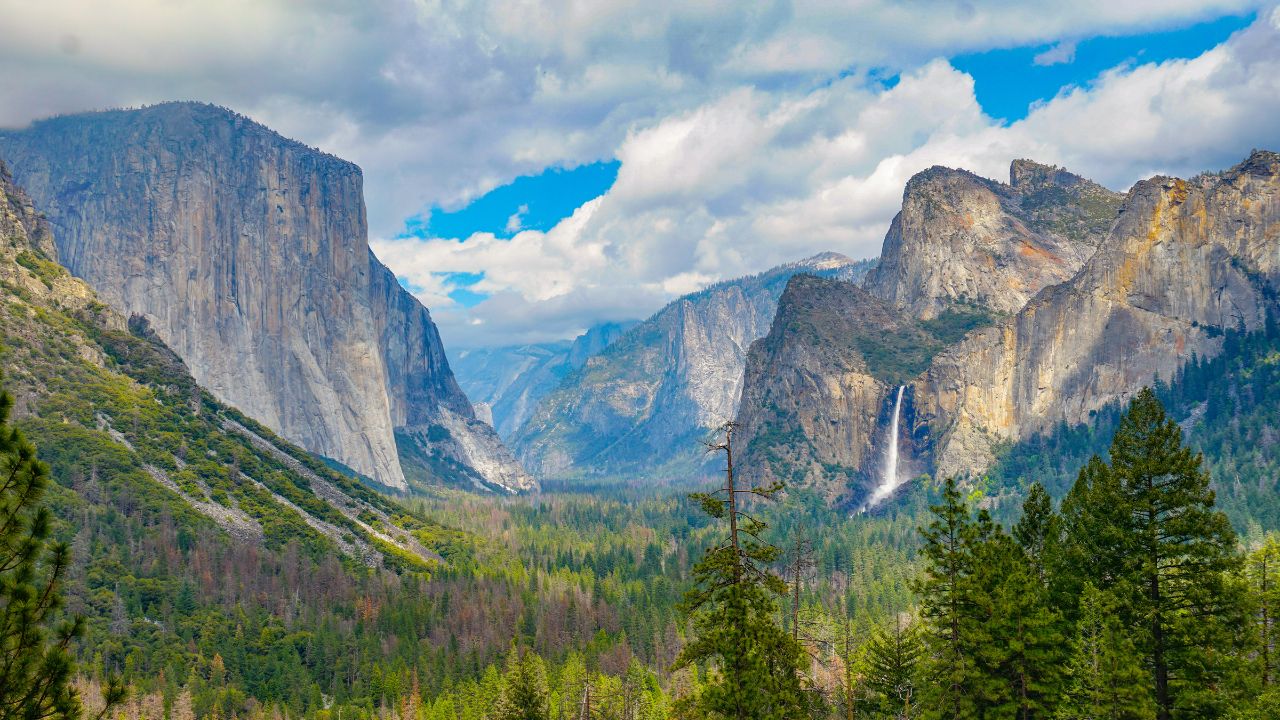
America’s national parks are still drawing enormous crowds, but the headline needs one factual correction to stay clean. The National Park Service says the system logged 323,014,305 recreation visits in 2025, which is an enormous number, but not a new all-time high. The record remains 2024, when the agency recorded 331.9 million recreation visits across the system.
That adjustment does not weaken the story. It makes it sharper. Even with a 2.7% dip from the 2024 record, parks still logged more than 13 million overnight stays, 1.39 billion recreation visitor hours, and 26 units that set new annual visitation records in 2025. In other words, demand never meaningfully cooled off. The more useful question now is whether the system can keep absorbing that level of use without more visible strain on staffing, infrastructure, and the everyday visitor experience.
1. The National Total Dipped, but the Pressure Never Really Let Up

At first glance, a drop from 331.9 million visits in 2024 to just over 323 million in 2025 might sound like breathing room. It was not. In its March 13, 2026 announcement, the Park Service described public interest as strong and noted that visitors kept coming despite a 43-day partial government shutdown, the longest ever. A smaller annual total on paper did not translate into a quiet year on the ground.
The underlying numbers reinforce that point. NPS says 406 of the system’s 433 units reported visitation in 2025, and recreation visitor hours slipped only 0.7% from 2024. That matters because a slight dip in total visits can coexist with very heavy use in the places people actually feel crowding: roads, trailheads, overlooks, restrooms, campgrounds, and shuttle systems. This looks less like a major retreat and more like a still-packed system settling slightly below a record peak.
2. The Marquee Parks Are Still Drawing Crowds Big Enough To Strain Operations
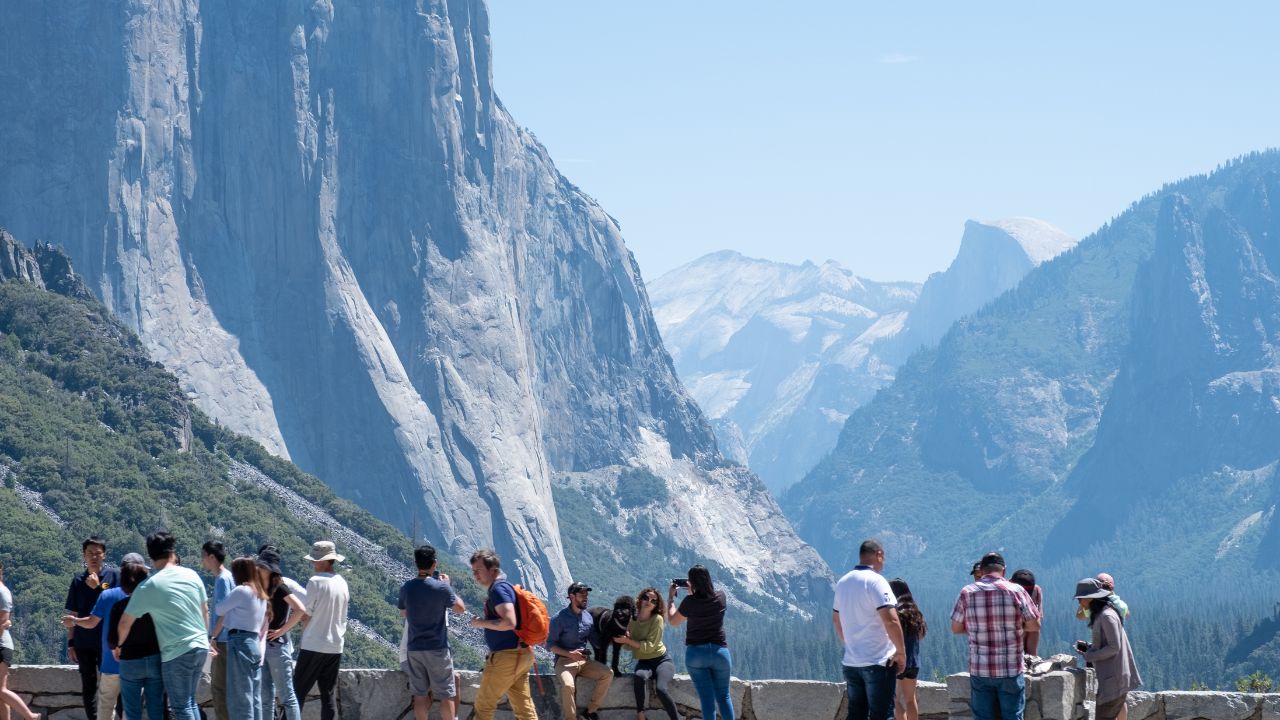
That pressure is not spread evenly. NPS says the five most-visited national parks in 2025 were Great Smoky Mountains with 11,527,939 visits, Zion with 4,984,525, Yellowstone with 4,762,988, Grand Canyon with 4,430,653, and Yosemite with 4,278,413. Those are not marginal totals. They are the kind of numbers that keep parking lots, trailheads, roads, restrooms, and ranger staffing under pressure even when the broader system cools slightly.
The same pattern appears outside the 63 designated national parks. Blue Ridge Parkway led the entire system with 16,533,753 visits, followed by Golden Gate National Recreation Area at 15,748,676. That matters because the National Park System is much broader than the handful of marquee parks most people picture first. Operational strain is spread across parkways, recreation areas, memorials, trails, and seashores too. High visitation is no longer just a Yosemite or Yellowstone problem.
3. Staffing Is Where the Operational Anxiety Starts Feeling Real

One of the clearest pressure points is staffing. Reuters reported in June 2025 that, citing the National Parks Conservation Association, the National Park Service had lost 13% of its roughly 20,000-person workforce since January and had filled only about 3,300 of 7,700 promised seasonal hires by mid-May. The same report described parks heading into summer with margins thin enough that losing even one key worker could disrupt road clearing, visitor services, or basic operations.
The Park Service’s own public guidance was more measured, but it pointed toward the same reality. NPS warned that operating hours and programming in parks could change because of staffing adjustments, including the onboarding of summer seasonal workers. That is the kind of sentence travelers often skim past, yet it says a lot. A park can be officially open while quietly running fewer programs, thinner coverage, and less flexibility when something goes wrong.
4. Infrastructure Is Still Carrying Years of Wear, and the Bills Do Not Disappear Because Visitation Dips
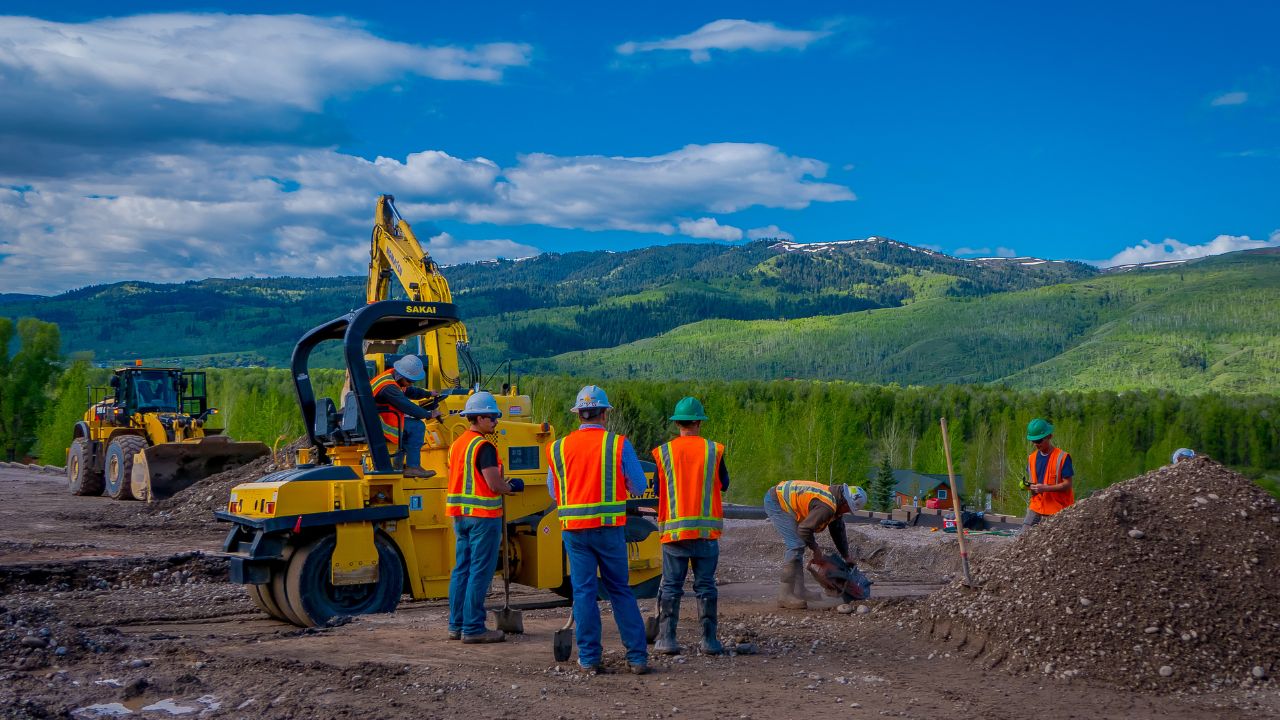
Crowds are only part of the problem. The physical system they rely on is enormous and aging. NPS says it manages more than 75,000 assets, including over 5,500 miles of paved roads, 17,000 miles of trails, and 25,000 buildings. The agency also says that aging facilities, growing visitation, and limited resources have all fed a backlog of maintenance and repair work. A dip from a record year does not suddenly make those needs disappear.
Congress did give the parks a substantial shot of help through the Great American Outdoors Act. NPS says the law provides up to $1.3 billion a year from fiscal 2021 through 2025, or up to $6.5 billion total, through the Legacy Restoration Fund. That is serious money, and it has supported badly needed work on roads, trails, campgrounds, utilities, and historic assets. But the broader point remains the same: a finite funding boost can tackle a lot of deferred work without magically erasing decades of wear.
5. The Stakes Go Well Beyond Crowd Control

This is why the operational side matters so much. NPS’s 2024 visitor-spending report found that park visitors spent $29.0 billion in local gateway regions, supporting 340,100 jobs, $18.8 billion in labor income, and $56.3 billion in national economic output. When parks struggle with staffing or infrastructure, the effects do not stop at the entrance station. Nearby hotels, restaurants, outfitters, gas stations, and guide services feel it too.
That leaves the Park Service balancing two obligations that do not always sit comfortably together: welcoming millions of visitors and protecting the places those visitors came to see. NPS says visitation data helps it provide safe, enjoyable experiences while protecting natural and cultural resources. That is the real challenge looming ahead. The annual total may have slipped from a record, but the system is still carrying exceptionally high demand, and the operational pressure is still very much in season.