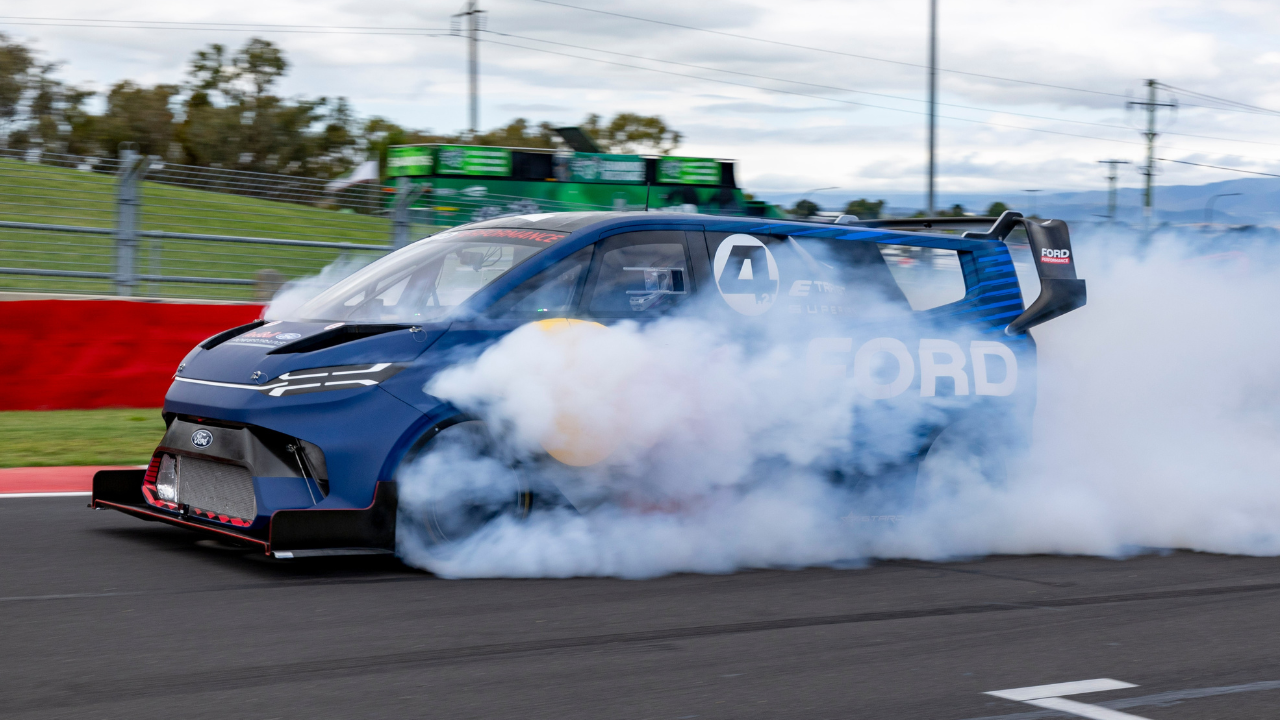
The Nürburgring Nordschleife is no stranger to records being broken, but this one feels different. Ford’s all-electric Transit SuperVan 4.2 just stormed through the 12.9-mile Green Hell with a staggering time of 6:48.393, humbling supercars and cementing itself as one of the fastest vehicles, van or otherwise, to ever lap the legendary track.
Yeah, a van. An actual van.
For perspective, that time puts the SuperVan in the top ten fastest laps ever recorded at the Ring, and nearly a full second quicker than the Corvette C8 ZR1X.
A Van Like No Other
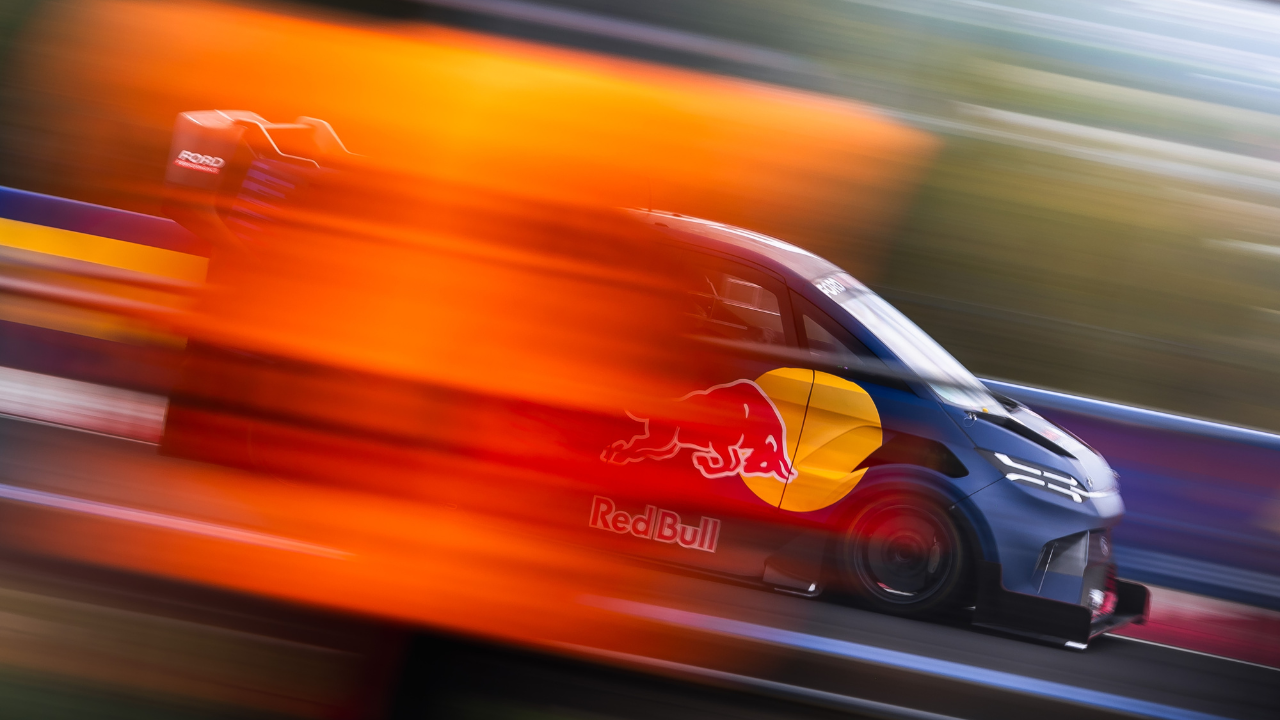
This isn’t your average delivery van hauling packages for the weekend. The SuperVan 4.2 is an engineering fever dream, a rolling testbed built to explore the bleeding edge of electric vehicle performance. Under its boxy silhouette lies a purpose-built chassis that packs 2,000 horsepower, all-wheel drive, a lightweight composite body, and slick racing tires more suited for Le Mans than loading docks. When you watch it tear through Flugplatz and rocket out of the Karussell, it’s almost surreal to remember there’s a Transit badge on the nose.
Behind the wheel for this record-shattering lap was Romain Dumas, a Nürburgring veteran and multiple record holder. Dumas has piloted everything from Le Mans prototypes to the Pikes Peak-conquering Volkswagen ID.R, but even for a driver with his resume, the SuperVan’s performance pushed the limits. According to Ford engineers, the lap was the culmination of countless hours of testing and fine-tuning, balancing downforce, regenerative braking, and thermal management to make sure the van could unleash its full potential without sacrificing stability.
Lessons From the Green Hell

What makes this accomplishment more than just a headline is what it means for the future of Ford’s EV Demonstrator Program. The SuperVan 4.2 isn’t just about setting outrageous lap times; it’s about gathering data in the harshest conditions possible.
Engineers are studying every aspect of the run: how the battery cooling system handled repeated high-load corners, how the torque vectoring adjusted under extreme G-forces, and how the aerodynamics influenced tire wear over nearly seven minutes of flat-out driving. These lessons are expected to influence the next generation of Ford EVs, from fleet-ready Transit vans to high-performance trucks like the Lightning.
Redefining What Electric Can Do
And then there’s the optics. In an era where EVs are often seen as quiet, sensible, and even boring, the SuperVan 4.2 is a loud, unapologetic reminder that electric performance can be as thrilling (and in this case, faster) than anything powered by gasoline. Watching the van barrel down the Dottinger Hohe at speeds north of 170 mph is proof that EVs aren’t just catching up; in some ways, they’re redefining what’s possible.
With this lap, Ford didn’t just set a new benchmark. They issued a challenge. If a van can crack the Nürburgring in under seven minutes, what’s next? A production EV supercar that can take the crown? A next-gen Mustang Mach-E that carries race-bred tech from the SuperVan’s development? Whatever it is, it’s clear that Ford’s commitment to performance in the electric era is more than just marketing — it’s a mission.
The Nürburgring is where legends are made, and now, improbably, a van is part of that legend. The SuperVan 4.2’s record lap won’t just live on in highlight reels; it’ll shape the way we think about what an electric vehicle can be.