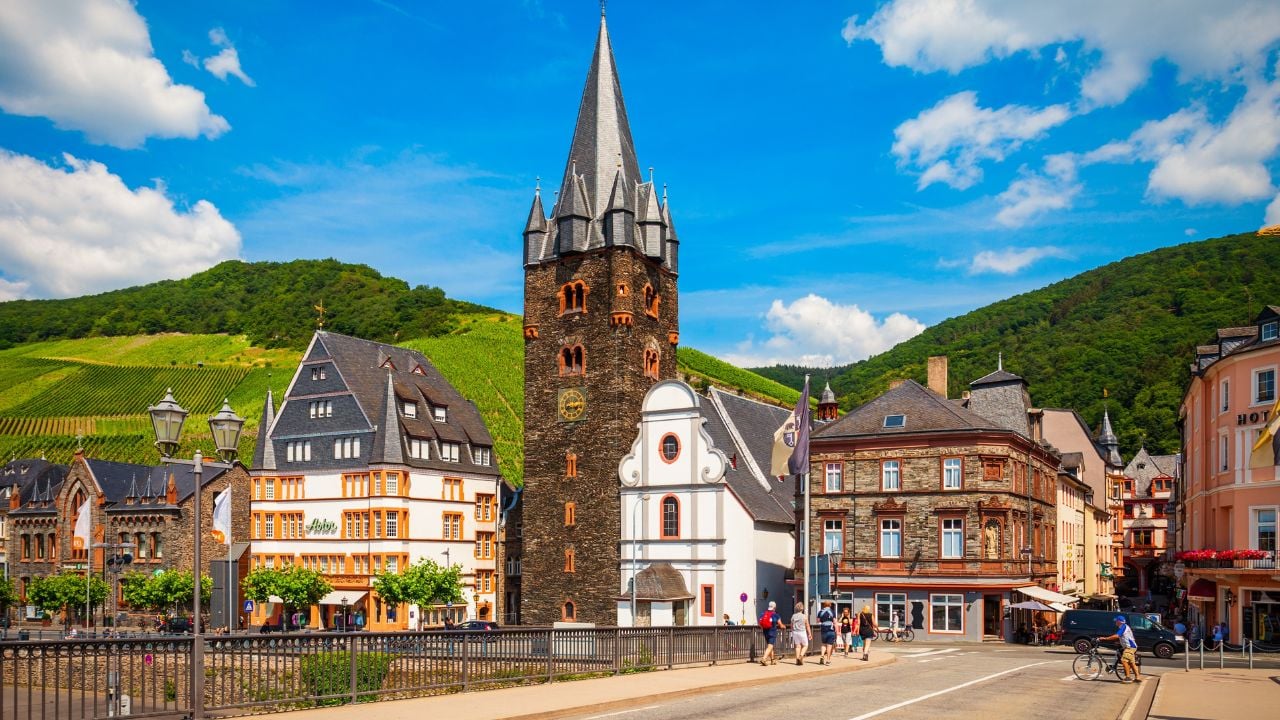
Germany’s big cities, Berlin, Munich, and Hamburg, get all the attention, but the country’s true magic often hides in its smaller towns. Beyond the famous beer halls and castles, there’s a whole world of cobblestone streets, half-timbered houses, and sleepy market squares that feel like they belong in a fairy tale.
These towns capture Germany’s history, beauty, and heart in their purest form. Each one tells a story of centuries-old traditions, scenic charm, and quiet authenticity that travelers rarely see. Visiting them is like stepping back in time while still enjoying the warmth of modern German hospitality.
From storybook villages in Bavaria to medieval ports in the north, these places remain blissfully under the radar. They offer stunning architecture, cozy cafés, and locals who still greet strangers with a smile. You can wander narrow lanes, sip regional wines, or hear church bells echo across river valleys without the crush of tourist crowds. These are towns where time slows down and the scenery does the talking. Here are 14 of the most beautiful small towns in Germany you’ve probably never heard of, but won’t soon forget once you visit.
Quedlinburg, Saxony-Anhalt

Quedlinburg looks like a medieval dream brought to life, with over 1,300 half-timbered houses that date back nearly a millennium. Its steep red roofs and winding streets have remained almost untouched since the Middle Ages.
Once a royal seat of power under King Henry the Fowler, the town is now a UNESCO World Heritage Site filled with quiet charm. Every corner hides a piece of history, from ancient guild signs to the Romanesque cathedral on the hill. The air feels thick with legend, especially at sunset when golden light hits the timbered facades.
Despite its historical weight, Quedlinburg feels vibrant and welcoming. Locals take pride in their town’s story, offering homemade pastries, crafts, and warm hospitality in family-run shops. Visitors can climb the castle hill for panoramic views or lose themselves in the maze of cobbled alleys. Small museums reveal tales of emperors and artists, making each walk a lesson in time travel. Quedlinburg isn’t just beautiful, it’s living history wrapped in German charm.
Meersburg, Baden-Württemberg

Perched above Lake Constance, Meersburg is one of Germany’s most picturesque lakeside towns. Its colorful houses spill down toward the sparkling water, framed by vineyards that glow gold in the sun. The town’s old castle, Germany’s oldest inhabited fortress, looks straight out of a storybook.
Narrow lanes lead to wine terraces and cafés with dreamy lake views. Everything here feels peaceful and full of light, perfect for slow afternoons by the water.
Meersburg’s rhythm is gentle, shaped by centuries of winemaking and fishing traditions. Visitors can tour both the old and new castles, sample local Rieslings, or take a ferry to neighboring Swiss towns across the lake. The air smells faintly of grapes and fresh bread, and church bells drift softly over the water. Even in summer, it never feels overcrowded, just blissfully balanced between elegance and ease. Meersburg proves that sometimes, small towns have the biggest souls.
Monschau, North Rhine-Westphalia

Tucked into a narrow valley near the Belgian border, Monschau is the definition of a hidden gem. Its slate-roofed houses and crooked timber frames line the Rur River like something out of a painting. Flower boxes overflow with color, and tiny bridges link both sides of town in perfect harmony. Once known for its cloth-making industry, Monschau now thrives on cozy tourism and quiet beauty. The town feels frozen in time, in the best possible way.
Visitors love wandering its cobbled alleys, visiting artisan shops, and sampling warm waffles from street vendors. In winter, Monschau transforms into one of Germany’s most enchanting Christmas markets, lit by thousands of tiny lights. The air smells of mulled wine and cinnamon, and music echoes between the hills. Nature lovers can hike in nearby Eifel National Park for breathtaking views. Monschau’s charm lies in its simplicity, it doesn’t need to impress; it just exists beautifully.
Dinkelsbühl, Bavaria

While nearby Rothenburg often steals the spotlight, Dinkelsbühl is its quieter, equally stunning cousin. This perfectly preserved medieval town boasts massive gates, defensive walls, and pastel-colored buildings that seem painted for postcards.
Walking through Dinkelsbühl feels like stepping straight into the 15th century. Locals even dress in period costumes during summer festivals, celebrating the town’s survival through centuries of war and change. Every cobblestone tells a story here.
The town’s heart is its central square, where cafés spill out onto the street and church bells mark the passing hours. Children play while locals share stories over coffee and cake. The architecture alone could fill an art book, with intricate carvings and colorful facades everywhere you look. Visitors are welcomed warmly, not as tourists but as guests. Dinkelsbühl proves that old towns don’t just endure, they thrive when filled with life and laughter.
Bacharach, Rhineland-Palatinate

Bacharach clings to the banks of the Rhine River, surrounded by vineyards and guarded by a fairytale castle. The view from above is breathtaking, rows of vines cascading toward a town of spires and towers. Once a thriving trade hub, it now thrives on wine, art, and history. Its narrow streets lead to cozy taverns serving local Riesling and hearty German fare. Everything here moves at the pace of a river current, slow and steady.
The town’s Burg Stahleck, perched on the hilltop, now serves as a youth hostel with million-dollar views. Travelers of all ages gather there to watch sunsets over the valley. River cruises stop nearby, offering glimpses of Bacharach’s beauty from the water. Locals are proud yet unpretentious, happy to share their stories over a glass of wine. Bacharach is proof that the Rhine’s romance is alive and well, especially in its quietest corners.
Görlitz, Saxony

Often called “Germany’s Hollywood,” Görlitz has been the backdrop for countless films, from The Grand Budapest Hotel to Inglourious Basterds. But beyond its cinematic fame, the town is a masterpiece of architecture and culture.
Baroque facades, Art Nouveau buildings, and medieval towers blend seamlessly along the Neisse River. Its location on the Polish border gives it a unique mix of influences and energy. Walking through Görlitz feels like exploring a living movie set.
Despite its grandeur, the town remains peaceful and authentic. Street musicians play in quiet squares, and local bakeries serve pastries that rival those in Paris. Restoration efforts have preserved its beauty without turning it into a museum. Climb the town hall tower for sweeping views that stretch into Poland. Görlitz is proof that even the most cinematic towns can feel wonderfully real.
Mittenwald, Bavaria

Nestled in the Bavarian Alps, Mittenwald feels painted onto the mountainside. Its pastel houses are decorated with Lüftlmalerei, intricate frescoes depicting saints, trades, and fairy tales. The air smells of pine and snow, and cowbells echo softly from the hills. Famous for violin making since the 17th century, the town still hosts workshops where craftsmen continue the tradition. Every corner radiates alpine charm and artistry.
In summer, wildflowers bloom across the meadows, while in winter, Mittenwald transforms into a cozy ski village. Hikers can take trails straight from the town center into the Karwendel mountains. Locals greet everyone with a warm “Grüß Gott,” and the pace of life slows to a soothing rhythm. Visitors can sip coffee beside turquoise rivers or listen to folk music in small taverns. Mittenwald isn’t just scenic, it’s soul-soothing.
Celle, Lower Saxony

Celle is a living gallery of half-timbered houses, with more than 400 of them packed into its charming old town. The town’s colors, blues, reds, greens, make every street feel like a celebration. Its ducal palace adds royal flair, surrounded by manicured gardens and quiet canals. Despite its beauty, Celle remains largely off the tourist radar, giving it a relaxed and authentic vibe. It’s Germany’s best-kept open-air museum.
Visitors can stroll through boutiques, stop for cake in family-run cafés, or explore the castle’s art exhibitions. Evening walks along the river feel timeless, with reflections of old buildings dancing on the water. The town’s blend of culture, history, and modern energy makes it easy to love. Locals are proud but never boastful, they simply live in beauty every day. Celle feels like a secret you can’t believe isn’t famous yet.
Lindau, Bavaria

Floating on an island in Lake Constance, Lindau is a postcard come to life. Its harbor is guarded by a grand lighthouse and a stone lion, symbols of pride and protection. Colorful buildings hug the waterfront, where sailboats sway gently under Alpine skies. The old town’s narrow alleys lead to charming shops, ice cream parlors, and open-air cafés. Everywhere you look, water and mountains meet in breathtaking harmony.
Visitors can cycle the island’s perimeter or take ferries to nearby Swiss and Austrian towns. The evening light here is magical, turning the lake into liquid gold. Locals live in rhythm with the seasons, celebrating summer festivals and winter stillness alike. Lindau’s beauty lies in its balance, part resort, part storybook, all charm. It’s a small town with a big sense of peace.
Wernigerode, Saxony-Anhalt

Wernigerode might just be Germany’s most colorful medieval town. Its timber-framed houses come in every shade imaginable, crowned by a majestic castle overlooking the Harz Mountains. The town’s fairy-tale look has earned it the nickname “the bright town by the Harz.” Cobbled streets wind toward market squares where time seems to have stopped. It’s the kind of place you expect to see in a storybook, and then realize it’s real.
Families love taking the steam train up the nearby Brocken mountain, a journey straight out of another era. Locals fill the cafés and bakeries, chatting beneath flower-draped balconies. Festivals bring the streets alive with costumes and music, blending history with joy. The view from the castle tower captures both town and forest in perfect balance. Wernigerode is proof that magic still exists, you just have to know where to look.
Füssen, Bavaria

Best known as the gateway to Neuschwanstein Castle, Füssen deserves recognition all on its own. This alpine town sits beside a turquoise river, surrounded by peaks that sparkle year-round. Its old town is full of pastel houses, Gothic spires, and cozy shops selling handmade goods. Musicians often play in the squares, filling the air with soft echoes of violins and laughter. The atmosphere feels both romantic and deeply grounded.
Beyond its beauty, Füssen is steeped in history dating back to Roman times. Visitors can explore monasteries, castles, and lakes all within walking distance. The nearby Lechfall waterfall adds a touch of wild nature to the scene. Evenings here are calm, with locals sipping wine outdoors under string lights. Füssen blends alpine grandeur with village simplicity, effortlessly.
Schwäbisch Hall, Baden-Württemberg

Schwäbisch Hall may be small, but it radiates cultural sophistication. Once a medieval salt-trading hub, the town grew rich and filled with grand buildings and cobblestone bridges. Its market square, surrounded by colorful façades, hosts open-air theater in summer that draws visitors from across Europe. The mix of art, history, and community here feels electric yet intimate. It’s a hidden treasure for those who crave depth and charm.
Strolling through town, you’ll find galleries, artisan studios, and quiet cafés overlooking the river Kocher. Locals are proud of their heritage but open to newcomers, eager to share their town’s beauty. The pace of life is perfectly balanced between old-world grace and modern creativity. It’s a place that invites you to linger, not rush. Schwäbisch Hall is proof that cultural richness doesn’t require a big city.
Triberg, Baden-Württemberg

Set deep in the Black Forest, Triberg is where nature and legend meet. It’s famous for its towering waterfalls, Germany’s highest, and its intricate cuckoo clocks crafted by local artisans. The town’s cozy wooden houses look like something from a children’s story. Mist often rolls down the mountains in the morning, giving the place a dreamlike feel. Birds, pine trees, and streams surround every corner with natural music.
Beyond its postcard looks, Triberg offers rich local traditions and hearty cuisine. Visitors can sample Black Forest cake in its birthplace or hike forest trails leading to panoramic views. The rhythm of life here is simple, genuine, and full of warmth. Locals are proud to share their legends and folklore, keeping the forest’s spirit alive. Triberg is not just a destination, it’s a feeling of calm rooted in nature.
Bernkastel-Kues, Rhineland-Palatinate

Bernkastel-Kues sits gracefully on the banks of the Moselle River, surrounded by rolling vineyards and medieval charm. Its timbered houses lean playfully over narrow lanes, and wine taverns glow with candlelight at night.
The town’s market square is one of the most photogenic in Germany, framed by colorful façades and the old town hall. Vineyards climb the hills behind it, completing the perfect storybook view. Every season paints Bernkastel-Kues in a new kind of beauty.
Visitors can taste award-winning Rieslings or cruise the Moselle to nearby villages. Local festivals fill the streets with laughter, music, and the scent of roasted almonds. The town’s rhythm is slow and joyful, shaped by wine and river life. Watching the sunset over the Moselle feels almost cinematic. Bernkastel-Kues is where the spirit of old Germany still lives, glass by glass.