Let’s cut through the noise: your car doesn’t need a giant wing or neon underlighting to go faster. While the internet is full of “miracle mods” that promise racecar performance, most deliver little more than a lighter wallet and questionable aesthetics.
However, there are legitimate modifications that genuinely improve your car’s performance, backed by physics and proven on tracks across the country. Whether you’re looking to shave tenths off your lap times or just want a more responsive daily driver, focusing on the right upgrades makes all the difference. We’re talking about mods that deliver real horsepower gains, better handling, and improved acceleration, not just the illusion of speed.
Here’s what actually works when you want to make your car genuinely faster.
Cold Air Intake: Let Your Engine Breathe
Your engine is basically an air pump, and like any athlete, it performs better when it can take deeper breaths.
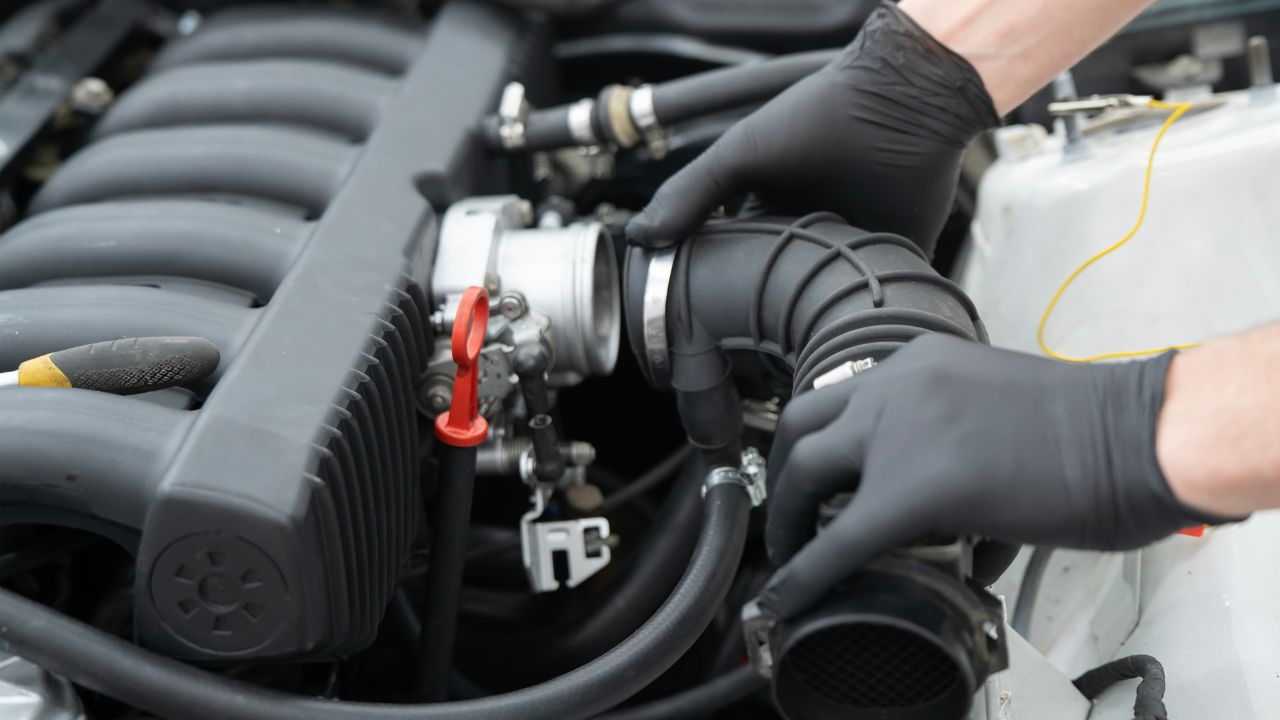
A quality cold air intake replaces your restrictive factory airbox with a more efficient system that draws cooler, denser air into the combustion chamber. Cooler air contains more oxygen molecules, which means better combustion and more power, often in the 5–15 horsepower range depending on the vehicle and the intake design, with bigger gains more common when paired with tuning.
The beauty of this mod is that it’s one of the most accessible entry points into performance tuning, usually requiring just basic hand tools and an afternoon. You’ll also notice improved throttle response and, as a bonus, a more aggressive intake sound that’ll make you grin every time you accelerate.
Just make sure you’re buying from reputable manufacturers, because poorly designed intakes can actually hurt performance by pulling in hot engine bay air.
Performance Exhaust System: The Exit Strategy
While everyone focuses on getting air into the engine, the exhaust side of the equation matters just as much for real performance gains. Factory exhaust systems are designed with noise regulations and cost-cutting in mind, which means they’re usually more restrictive than necessary.
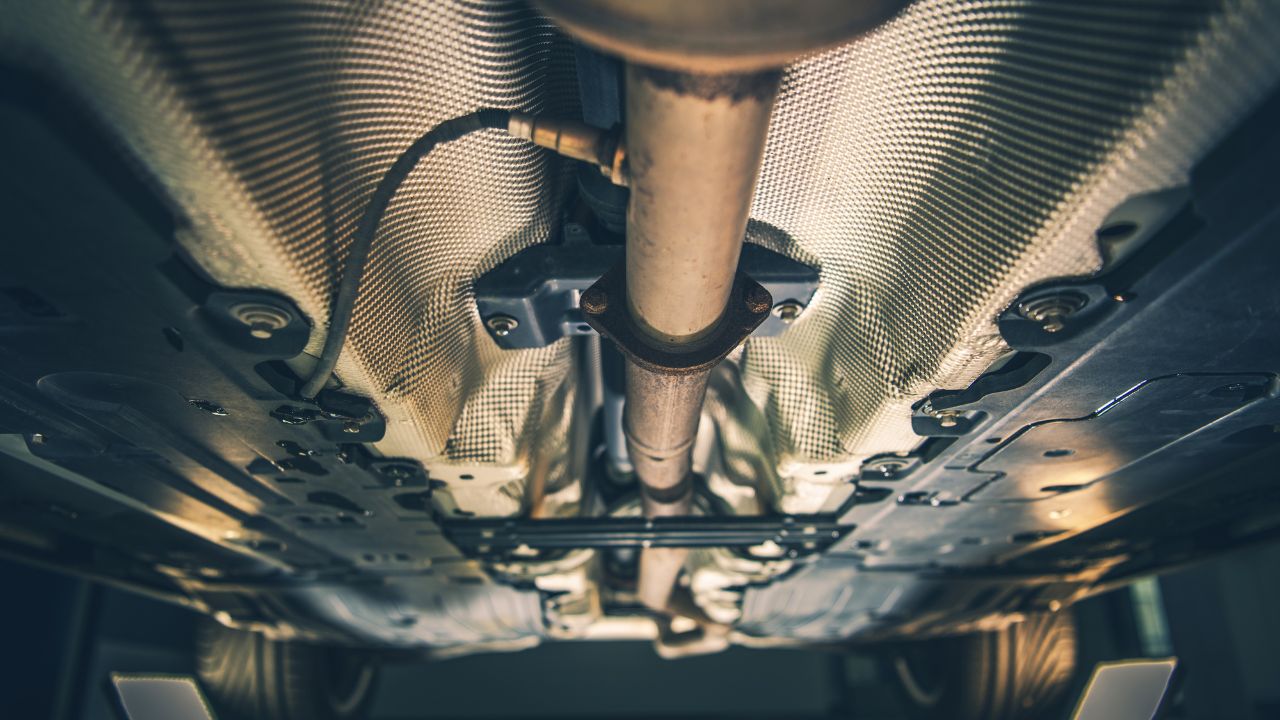
A cat-back or full exhaust system with larger diameter piping and high-flow mufflers reduces unnecessary restriction, allowing exhaust gases to exit more efficiently. This typically translates to gains of about 5–15 horsepower on many cars, with turbocharged engines sometimes seeing larger improvements, especially when paired with tuning. Beyond the power bump, you’re looking at weight savings, aftermarket systems often use lighter materials like titanium or stainless steel.
The sound improvement alone won’t make you faster, but there’s something about a proper exhaust note that makes you want to drive harder.
ECU Tuning: Unlocking Hidden Potential

Think of your car’s engine control unit as a computer running conservative software, the manufacturer left performance on the table to ensure reliability across various conditions and fuel qualities.
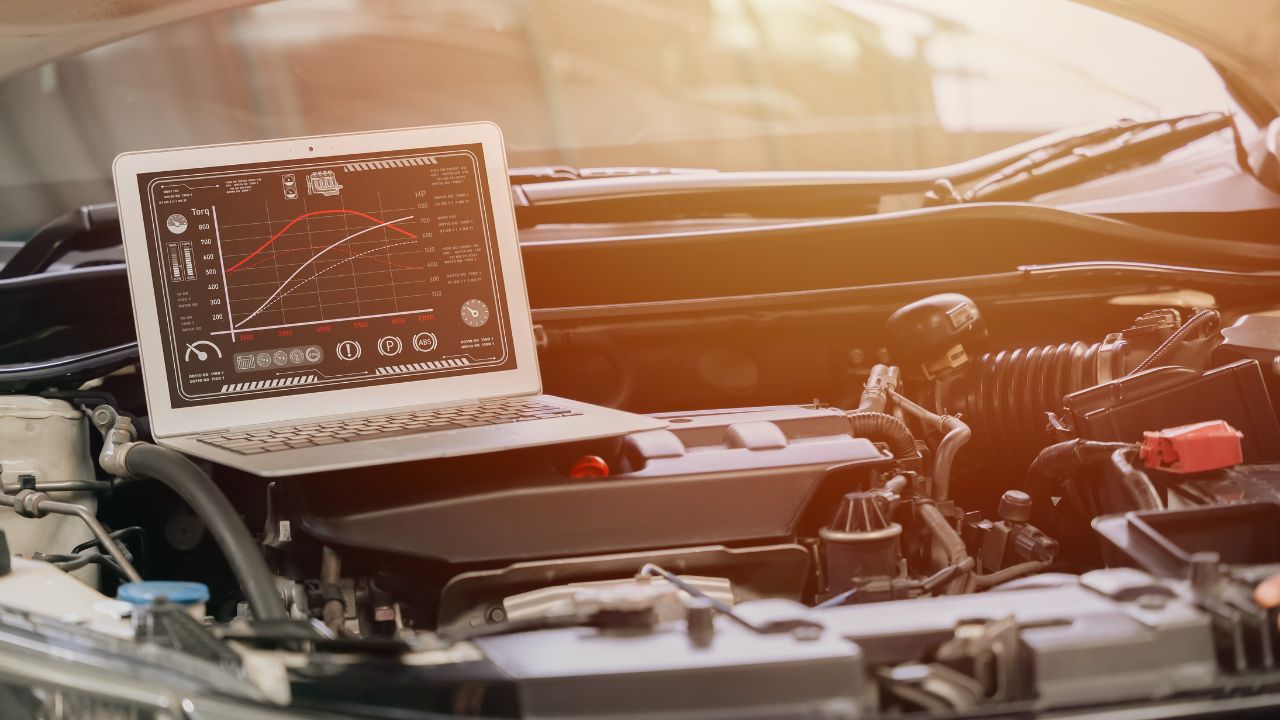
A proper ECU tune recalibrates fuel maps, ignition timing, and boost pressure (for turbocharged vehicles) to optimize performance, often yielding modest gains on naturally aspirated engines, but much larger gains on turbocharged cars where boost, timing, and fueling can be safely optimized, sometimes 20%+ depending on the platform and fuel. Modern tuning can be done through simple plug-and-play modules or custom dyno tunes that squeeze every ounce of power from your specific setup.
The real magic happens when you combine tuning with other bolt-on modifications, as the ECU can be adjusted to maximize the benefit of your upgraded intake, exhaust, or turbo. You’ll experience not just more power but better power delivery throughout the rev range, making your car feel like it woke up from a loooong nap.
Just remember that tuning should be done by reputable professionals who understand the limits of your engine’s internals.
Lightweight Wheels: Rotational Mass Matters
Here’s where physics gets interesting: reducing rotational mass at the wheels has a multiplying effect on performance that goes beyond simple weight reduction. Every pound you shave off your wheels and tires reduces the energy needed for acceleration, braking, and directional changes: think of it as making your engine’s job easier.
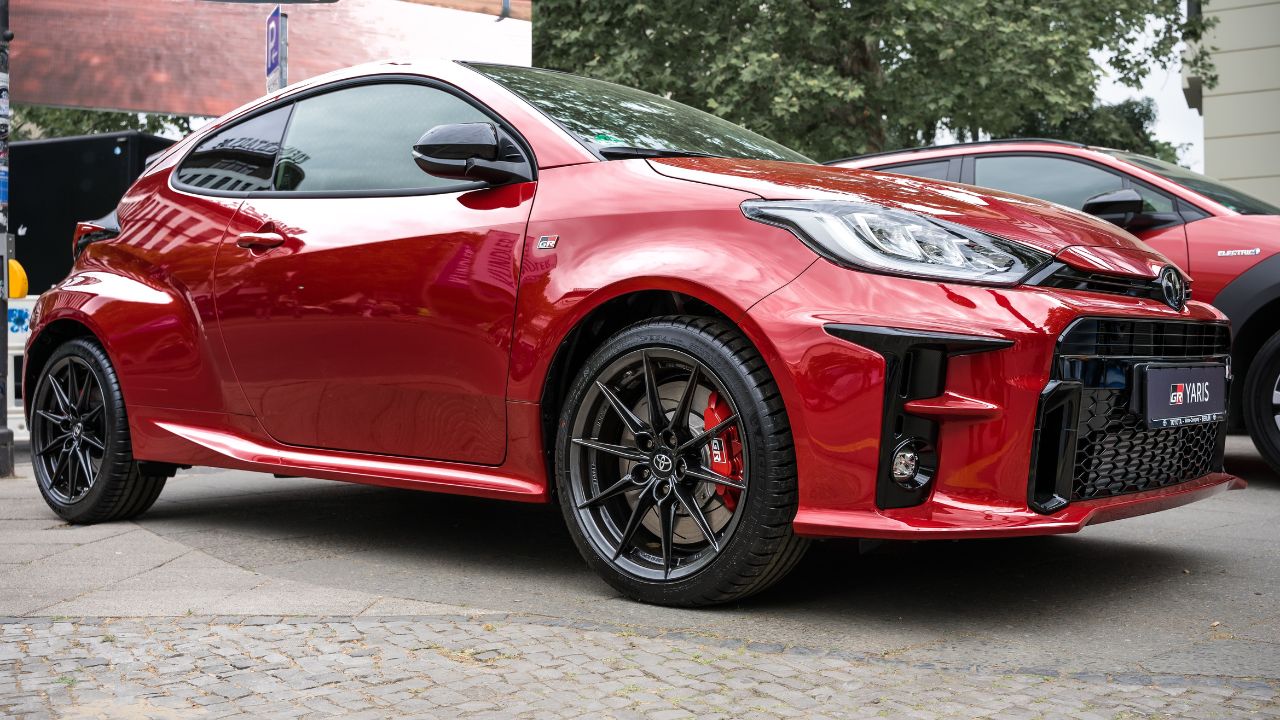
Quality lightweight wheels can drop several pounds per corner compared to many factory wheels, improving response in acceleration, braking, and turn-in. Forged aluminum or carbon fiber wheels are the premium option, while flow-formed wheels offer excellent performance at more reasonable prices. The improvement in steering feel and cornering response is often more dramatic than the straight-line speed gains, but both contribute to faster lap times.
Plus, lighter wheels reduce strain on your suspension components, meaning everything works more efficiently.
High-Performance Tires: Where Rubber Meets Results
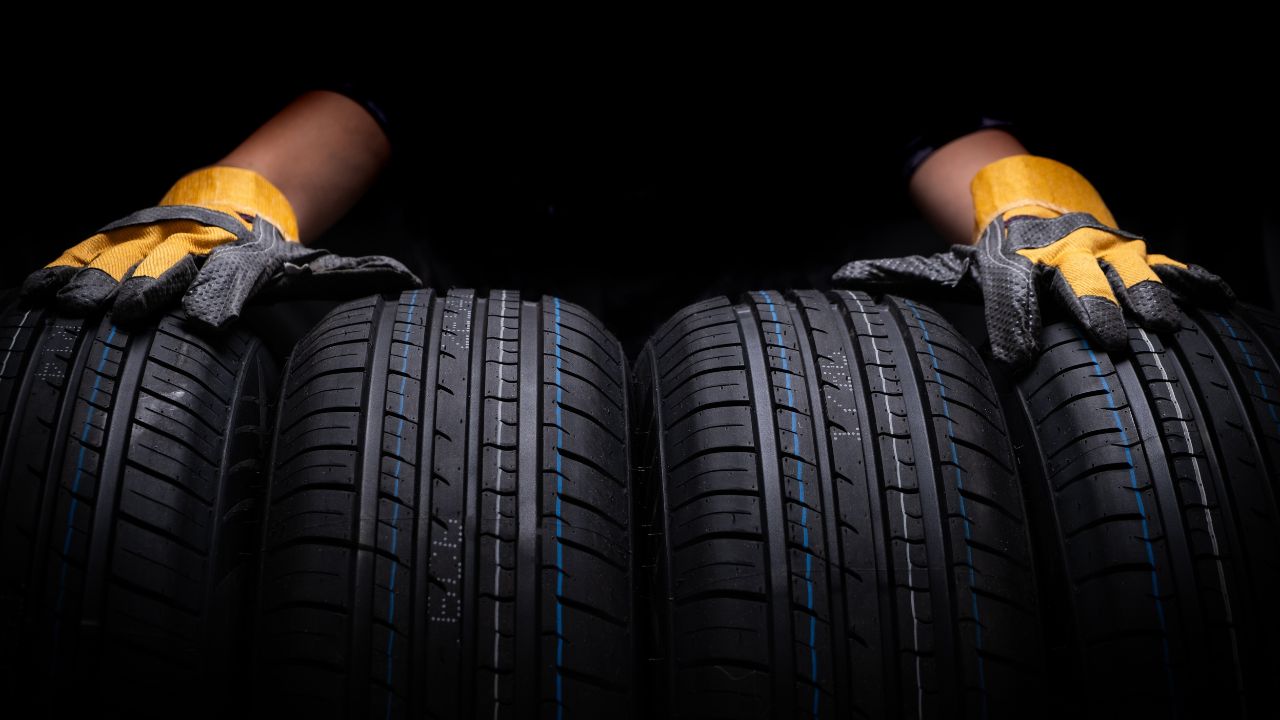
You could have 800 horsepower under the hood, but without proper tires, you’re just spinning expensive wheels.
Performance tires with stickier rubber compounds and optimized tread patterns dramatically improve your car’s ability to put power down, corner harder, and brake shorter. The difference between all-season tires and proper summer performance rubber can be multiple seconds per lap on longer tracks, especially when moving from all-seasons to dedicated summer performance tires.
Modern performance tires use advanced compounds that maintain grip across a wider temperature range while still lasting a reasonable amount of time for street use. Upgrading your tires is arguably the single most cost-effective modification for actual real-world speed improvements, affecting every single aspect of how your car performs.
Just know that high-performance tires wear faster and can be sketchy in cold or wet conditions, so many enthusiasts run dedicated wheel and tire setups for different seasons. I personally keep my track tires on my 2006 Lotus Elise, so the few times it rains in Los Angeles I can’t drive that car at all!
Coilover Suspension: Control the Chaos
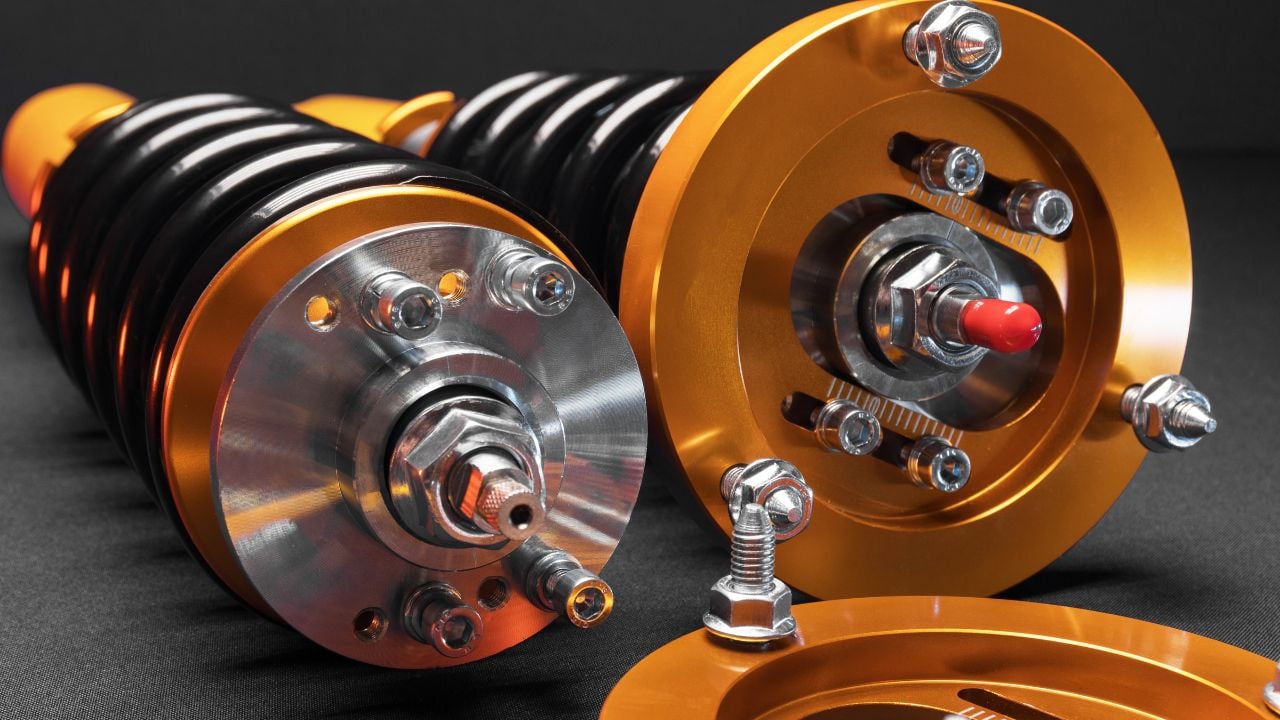
Stock suspension is a compromise designed to please everyone from grandma to the weekend warrior, which means it probably doesn’t please you if you’re serious about speed.
Coilovers replace your factory springs and shocks with adjustable units that let you dial in ride height, damping, and sometimes even compression and rebound settings. Lowering your center of gravity within proper suspension-geometry limits improves cornering stability while stiffer springs and properly valved dampers keep your tires planted during hard driving.
The adjustability means you can fine-tune the setup for your specific needs, track days, canyon carving, or spirited daily driving. Yes, the ride might be firmer than stock, but the trade-off is a car that feels connected to the road and responds predictably at the limit. Quality coilovers from brands like Ohlins, KW, or BC Racing transform how your car handles without requiring a second mortgage.
Limited Slip Differential: Put Power Where It Counts
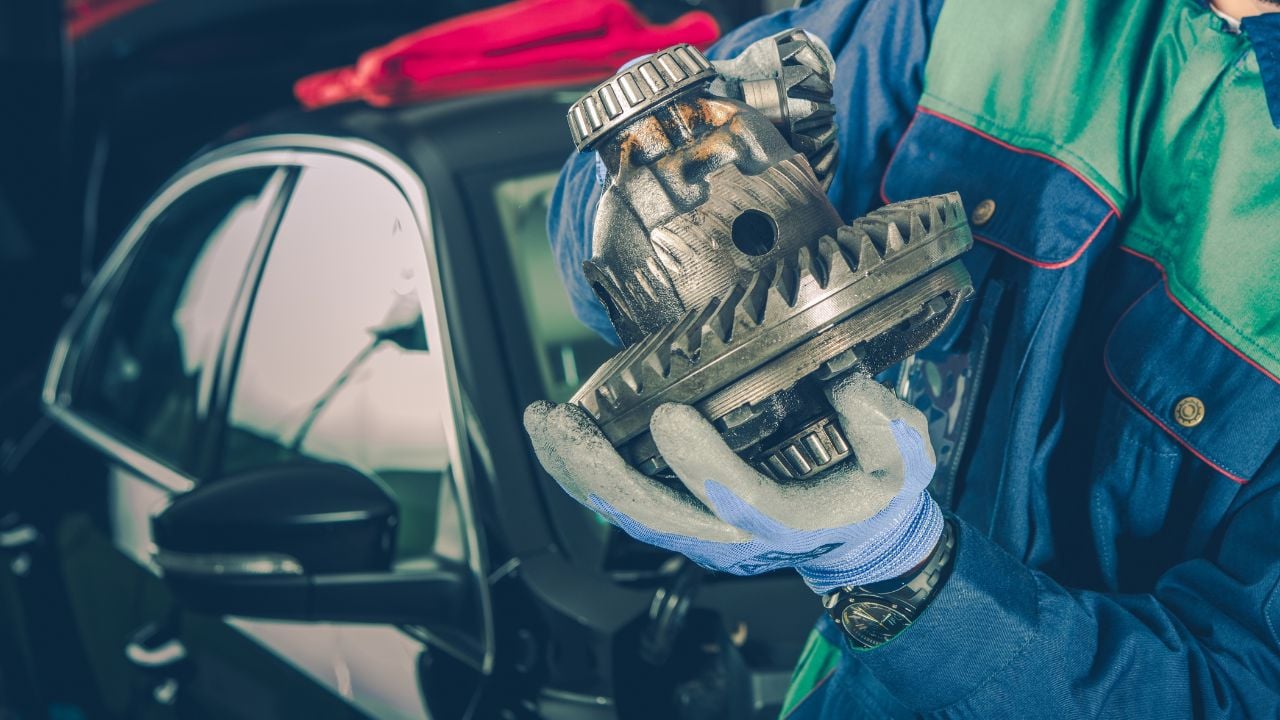
Open differentials are great for fuel economy and smooth parking lot maneuvers, but they’re terrible at putting power down when one wheel has less traction than the other.
A limited slip differential (LSD) ensures power is distributed to both drive wheels, preventing that frustrating inside tire spin when you’re hard on the throttle coming out of corners. The improvement in corner exit speed is immediately noticeable, especially in rear-wheel drive cars where wheelspin has been robbing you of acceleration.
Different types, clutch-type, helical, or electronic, offer varying characteristics, but all deliver better traction and more predictable handling than an open diff. Installation requires dropping the differential and some mechanical know-how, making this a more involved modification than bolt-ons.
However, for drivers who regularly find themselves fighting traction issues, an LSD is transformative and often reveals that you had more power than you could use all along.
Performance Brake Pads and Fluid: Stop Faster to Go Faster

It might seem counterintuitive, but better braking is essential to going fast, confidence in your brakes lets you stay on the throttle longer and brake later into corners.
High-performance brake pads use compounds designed to work at higher temperatures without fading, maintaining consistent bite when your stock pads would be turning into goo. Pairing upgraded pads with high-temperature brake fluid prevents the spongy pedal feel that comes when cheaper fluids boil under hard use.
You’ll notice shorter stopping distances and better pedal feel during spirited driving, which translates directly to faster lap times. The downside is increased brake dust and potentially some noise at low speeds, but that’s a small price for the confidence to brake hard from triple-digit speeds.
This modification is especially crucial if you’re adding power or planning any track time, more speed means you need more stopping power.
Short-Throw Shifter: Precision at Your Fingertips

For those rowing their own gears, the factory shifter often feels like stirring oatmeal with a broomstick, long throws, vague gates, and rubbery feedback.
A short-throw shifter reduces the distance between gears by 20-40%, allowing for quicker shifts that keep your engine in the powerband. The reduced throw distance means less time with your hand off the wheel and more precise control during aggressive driving.
Beyond the measurable time savings, there’s something deeply satisfying about the mechanical feel of a quality short shifter snicking through gates. Installation varies from simple bolt-on affairs to more involved jobs requiring transmission tunnel access, depending on your car. While it won’t add horsepower, anything that helps you utilize your available power more effectively makes you faster in the real world.
Lightweight Battery: Strategic Weight Reduction
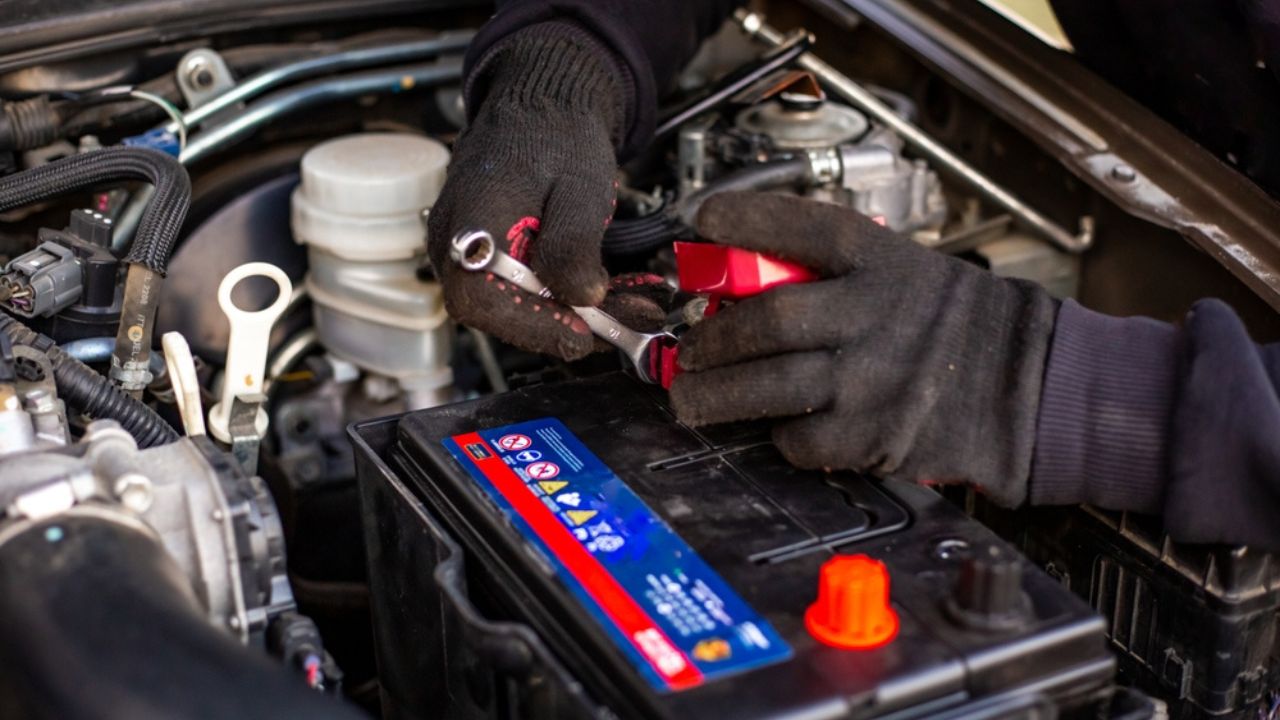
Shaving weight is one of the most effective ways to improve performance, and your battery is often a heavy chunk of lead sitting in a less-than-ideal location.
Switching to a lightweight lithium-ion battery can save roughly 20–30 pounds (sometimes more on very heavy OEM batteries), while maintaining the cranking power your car needs. Some enthusiasts relocate the battery to improve weight distribution, moving it to the trunk in a front-heavy car can help balance handling characteristics.
The power-to-weight ratio improvement might seem small, but remember that you’re reducing unsprung or poorly positioned weight, which has outsized effects on performance. Modern lithium batteries also hold voltage better under load and recharge faster than traditional lead-acid units.
Just be aware that lithium batteries can be sensitive to extreme cold and require proper charging equipment, so they’re not ideal for every climate or use case.
Larger Intercooler: Keep Your Cool Under Boost
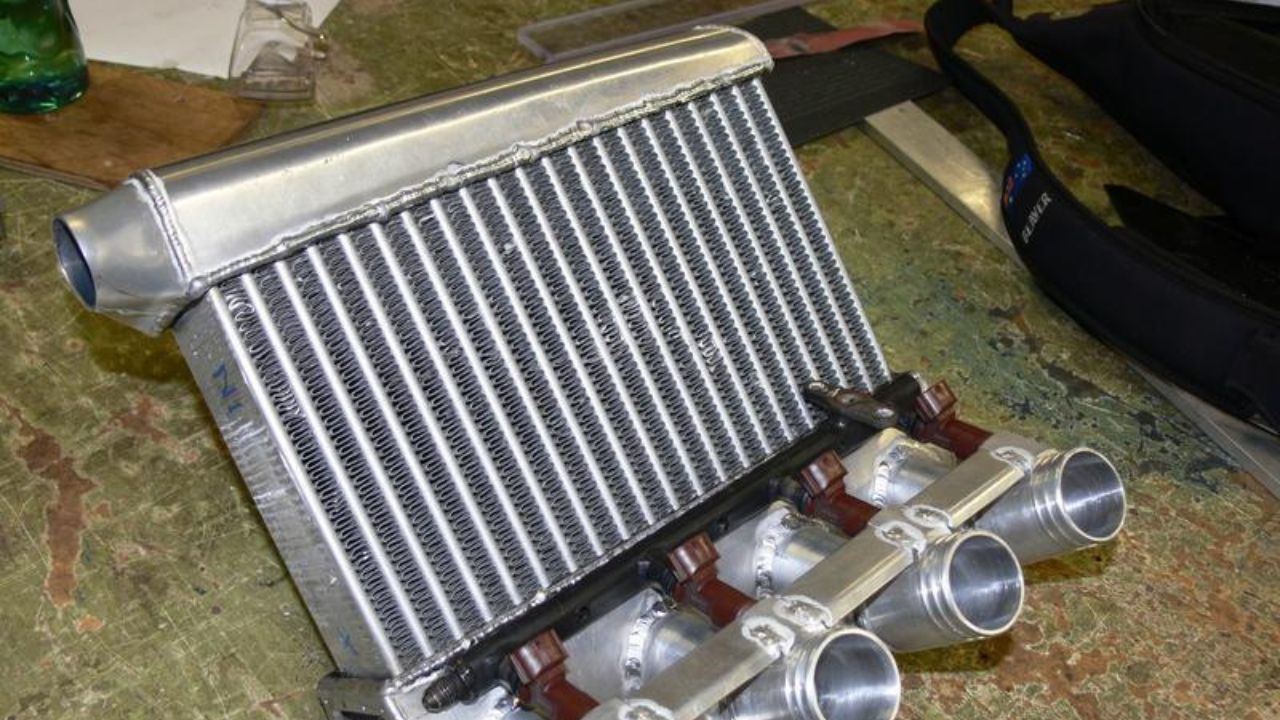
For turbocharged or supercharged cars, heat is the enemy of power, higher intake temperatures mean less dense air and the potential for knock.
A larger, more efficient intercooler cools the compressed air more effectively before it enters your engine, resulting in denser air charge and more power. A larger intercooler most reliably improves consistency by reducing heat soak. Peak horsepower gains on a stock tune are often modest, but the benefits can be significant under repeated pulls, hot weather, or higher boost/tuned setups.
Upgraded intercoolers also provide headroom for future modifications, preventing heat soak during extended hard driving or multiple back-to-back runs. Front-mount intercoolers offer the best cooling but may require bumper modifications, while top-mount units are easier to install but sometimes less efficient.
The improvement in consistency is often more valuable than peak power, your car makes the same power on the fifth pull as it did on the first.
Chassis Bracing: Stiffen the Foundation

Your car’s chassis flexes more than you think, especially during hard cornering or aggressive acceleration, and that flex wastes energy and reduces precision.
Strut tower braces, subframe reinforcements, and chassis stiffening kits reduce this flex, creating a more rigid platform for your suspension to work against. The result is sharper turn-in, more predictable handling, and better feedback through the steering wheel; your inputs translate more directly to actual car movement.
You won’t see dyno gains from chassis bracing, but the improvement in how effectively your car uses its power is significant. Many track-focused drivers consider chassis rigidity just as important as suspension tuning for achieving competitive lap times.
The weight addition is typically minimal, and unlike some modifications, added stiffness rarely has downsides for performance driving.
Conclusion
Building a genuinely faster car isn’t about chasing the flashiest modifications or believing marketing hype that promises unrealistic gains. The mods that deliver real performance improvements work together as a system, your new cold air intake performs better with a tune, your added horsepower needs better tires to reach the ground, and your improved acceleration requires upgraded brakes to manage.
Starting with the fundamentals like tires, suspension, and weight reduction often yields more noticeable improvements than jumping straight to big-power modifications. The best approach is addressing your car’s specific weaknesses first, whether that’s traction, handling, or power delivery, rather than following a one-size-fits-all build recipe.
Remember that a well-sorted car with moderate modifications will almost always outperform a poorly executed high-horsepower build on anything but a straight line. Focus on these proven upgrades, and you’ll have a car that’s not just faster on paper, but genuinely quicker where it counts, on the road or track.