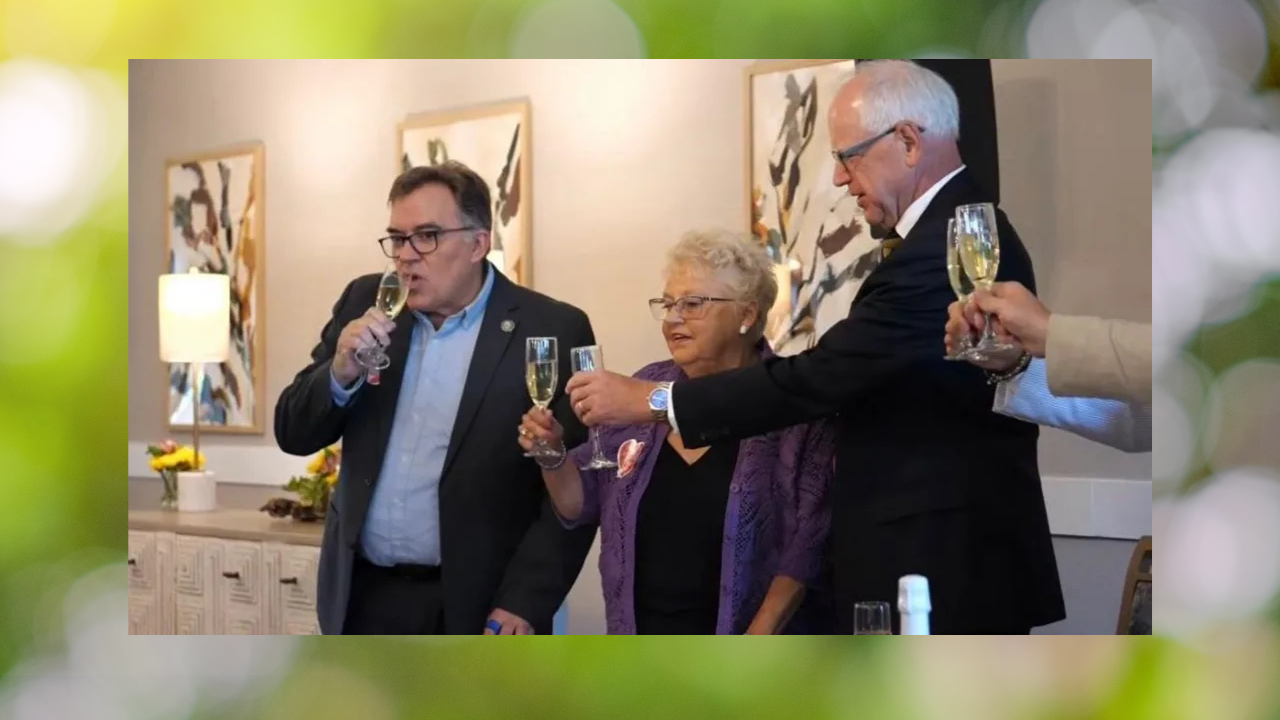
There’s a certain kind of story that reminds you why local government sometimes gets it right, and this is one of them. Minnesota has signed into law what’s been nicknamed the “Grandparents’ Happy Hour” bill, a measure that lets assisted living facilities, nursing homes, and boarding care homes serve alcohol to residents during organized events, without needing a full liquor license to do it.
The whole thing started at Amira Choice Champlin, reported PEOPLE, a senior living facility that wanted to host a happy hour for residents after finishing a renovation. Staff quickly discovered a strange gap in the law: they could host the gathering, they could play the music, they could set out the snacks, but they legally could not serve a glass of wine or a beer without jumping through the same licensing hoops as a full-blown bar or restaurant. For a facility just trying to let its residents unwind together, that’s a lot of red tape for a plastic cup of chardonnay.
Enter Anita LeBrun, an 88-year-old resident who became the face of the push to change that. She testified in front of both the Minnesota Senate Commerce Committee and the House Commerce Finance and Policy Committee, making the case that getting older and moving into assisted living shouldn’t mean losing the small freedoms that make life enjoyable. Her comments about reminiscing over a shared drink, about military service, raising families, and just plain living, struck a chord well beyond the state capitol.
The bill, formally HF4145, got folded into a larger omnibus liquor policy package and cleared the legislature before landing on Governor Tim Walz’s desk, who signed it into law.
According to BBC, Governor Walz said: “Growing older shouldn’t mean giving up the traditions and freedoms you’ve enjoyed your whole life.
“This law cuts unnecessary red tape so senior living communities can spend less time worrying about paperwork and more time creating opportunities for residents to celebrate birthdays, anniversaries, Happy Hours, and everyday moments together.”
What the Law Actually Allows
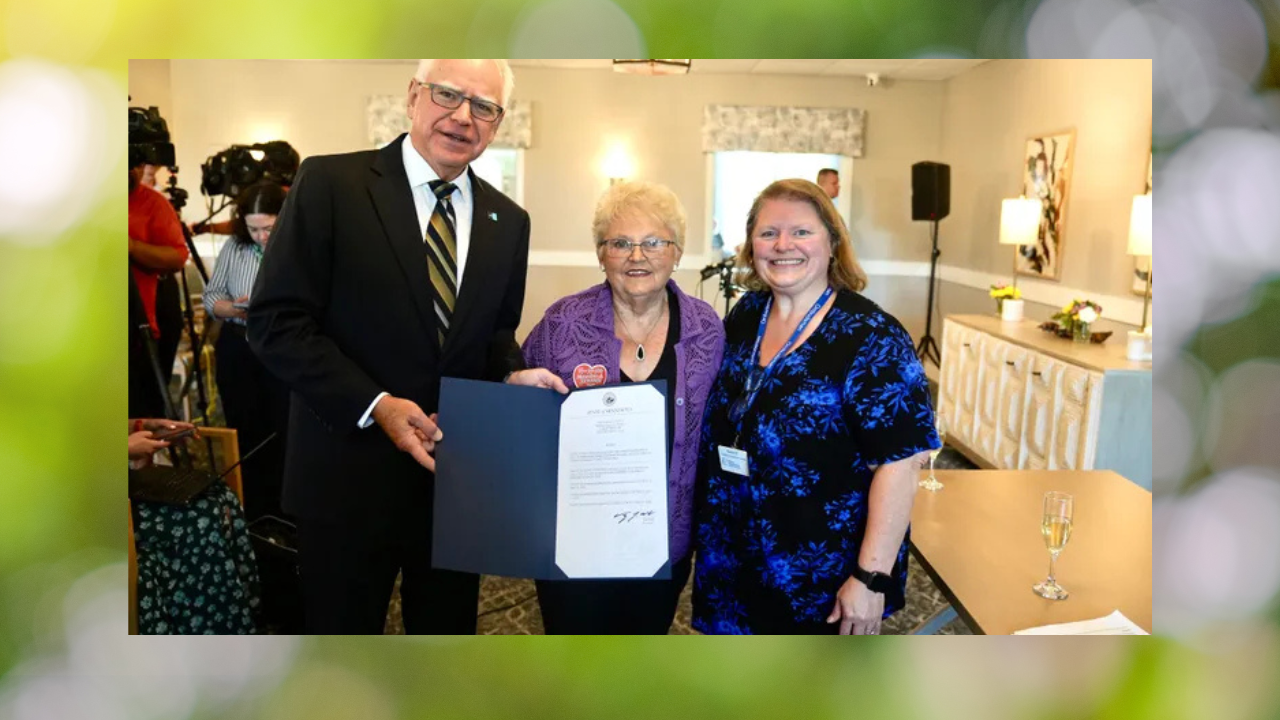
The new rule is narrower than “anything goes.” Alcohol can only be served to residents and their guests during resident-focused activities or events, and facilities have to notify the state before doing so.
Staff serving drinks still have to be at least 18, nobody under 21 can be served, and facilities remain on the hook for basic safety standards like not over-serving anyone. In other words, it’s a happy hour, not a frat party.
Why It Mattered to Residents
For residents like LeBrun, the practical upside was less about the drink itself and more about the independence around it. Before the change, some residents had reportedly resorted to bringing their own alcohol from off-site, including walking or driving out in icy Minnesota winters just to grab a bottle of wine. Removing that hassle, while keeping the gathering supervised and safe, was the whole point.
Other states already allow senior facilities more flexibility here, so Minnesota was arguably catching up rather than blazing an entirely new trail. Still, the specifics of its old law made this a real bureaucratic snag that needed a legislative fix rather than a simple policy tweak.
Our Take
We’ll be honest, this is one of those stories that’s just plain nice. Nobody’s asking for a rowdy tailgate scene in the common room, just the same basic pleasure most of us take for granted: a drink with friends at the end of the week.
If you’ve ever sat around with buddies after a long day trading old stories, you get why this mattered enough for an 88-year-old to show up and testify twice. Good on Minnesota for clearing the red tape out of the way.