
Europe’s medieval cities weren’t designed to impress modern travelers, yet centuries later they feel almost unreal. Stone walls, narrow streets, towers, and old-town squares were built for defense and daily life, not Instagram, which is exactly why they feel magical today. These cities still carry the atmosphere of another era, where history isn’t behind glass but part of the street itself.
While some medieval destinations have become overwhelmed by crowds, many still preserve their fairy-tale look without losing their soul. In these places, you can walk the same streets as merchants, knights, and craftsmen once did, often without fighting tour groups. These are cities where time seems politely paused rather than erased.
Rothenburg ob der Tauber, Germany
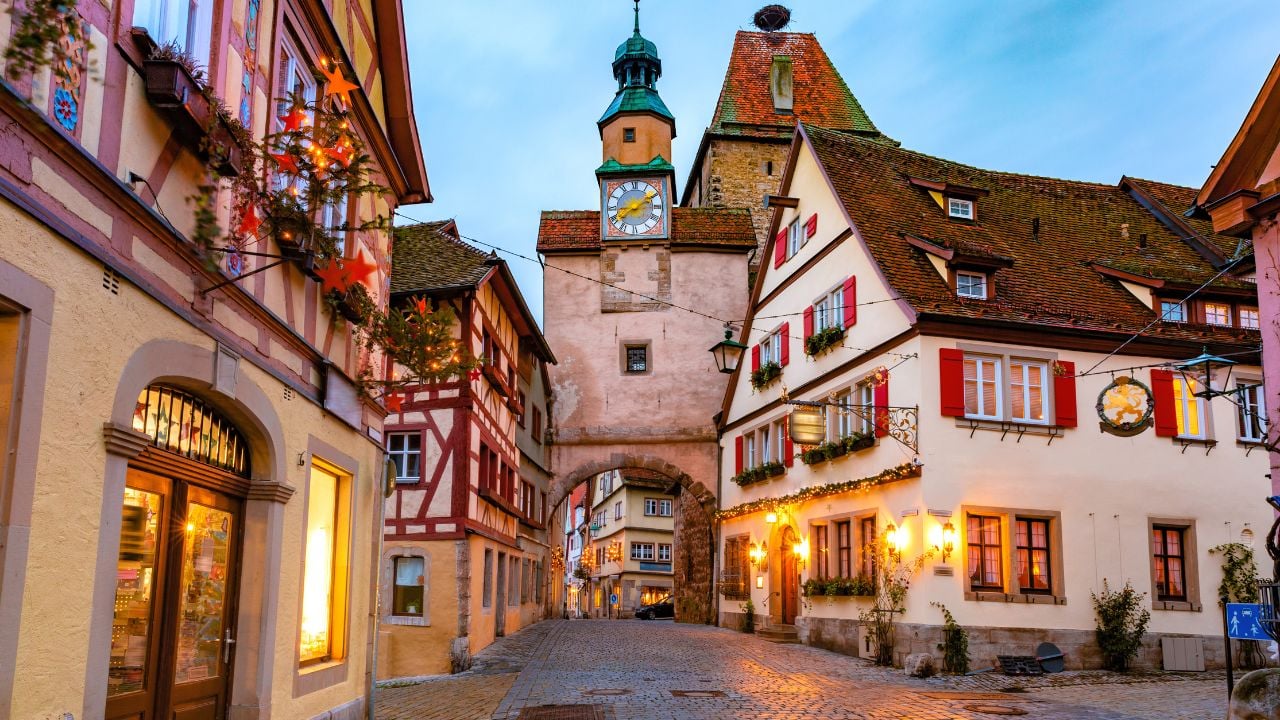
Rothenburg ob der Tauber feels like a storybook illustration brought to life, with half-timbered houses leaning over cobblestone streets and medieval walls fully intact. The old town remains enclosed, preserving the feeling of stepping into a separate world. Towers rise gently above rooftops, and every corner feels deliberately picturesque. It looks curated, yet it is deeply authentic.
Walking through Rothenburg is a sensory experience. Church bells echo across red-tiled roofs, bakeries smell of centuries-old recipes, and lanterns glow softly at night. The town never feels modernized or rushed. Even during busy hours, the atmosphere stays calm and intimate.
What makes Rothenburg magical is consistency. There are no visual interruptions, no modern intrusions breaking the illusion. The city commits fully to its medieval identity, and that dedication is what makes it unforgettable.
Český Krumlov, Czech Republic

Český Krumlov curves around a river like a carefully drawn fairy-tale map. Its castle towers over pastel buildings, narrow streets twist unpredictably, and the entire town feels wrapped in history. From above, it looks unreal. From inside, it feels alive.
Life in Český Krumlov moves gently. Cafés spill into medieval courtyards, music drifts through stone alleys, and the river adds constant motion to the scene. Despite its beauty, the town remains approachable. You don’t feel like a visitor in a museum.
What makes it special is scale. Everything feels human-sized, walkable, and intimate. It’s not grand in an intimidating way, it’s charming, welcoming, and quietly enchanting.
Bruges, Belgium

Bruges feels like it belongs in a legend, with canals replacing streets and medieval guild houses lining the water. Gothic towers rise above reflections, and stone bridges connect quiet corners of the city. The architecture feels rich and deliberate. Nothing feels accidental.
The city rewards slow exploration. Early mornings and evenings reveal its softer side, when crowds thin and the city breathes. The sound of footsteps on stone replaces traffic noise. Time seems less important here.
Bruges feels magical because it is preserved without feeling frozen. People still live, work, and gather here. The fairy-tale atmosphere exists alongside real life, which makes it feel genuine rather than staged.
Carcassonne, France

Carcassonne looks like it was designed for fantasy novels, with massive double walls, towers, and battlements encircling the city. From a distance, it feels imposing and dramatic. Up close, it feels immersive. You don’t just see the medieval city, you enter it.
Inside the walls, stone streets wind between old houses, small squares, and hidden corners. The scale of the fortifications reminds you of a time when cities were built for survival. Yet the atmosphere remains surprisingly warm.
Carcassonne’s magic lies in its completeness. The medieval structure isn’t fragmented or symbolic, it’s whole. Walking through it feels like stepping into a fortified dream.
Siena, Italy

Siena feels medieval not because it tries to, but because it never stopped being itself. Brick buildings rise organically along sloping streets, all leading toward the iconic central square. The city feels dense, layered, and alive. History here feels heavy in the best way.
Daily life in Siena unfolds within its medieval framework. Locals gather in ancient piazzas, neighborhoods maintain centuries-old rivalries, and traditions shape modern routines. Nothing feels added for tourists. The city simply continues.
Siena’s fairy-tale quality comes from continuity. The past is not preserved, it is lived. That uninterrupted identity gives the city a depth few places can match.
Tallinn, Estonia

Tallinn’s old town rises above the modern city like a preserved medieval island. Stone walls, watchtowers, and red-roofed buildings create a skyline that feels untouched by time. From the first step inside the gates, the illusion holds. It feels complete.
The streets are narrow and atmospheric, especially at dusk when lights reflect off stone. Churches, merchant houses, and hidden courtyards add layers of discovery. The city invites wandering rather than sightseeing.
Tallinn feels magical because of contrast. Medieval beauty exists beside modern life without conflict. That balance makes the old town feel relevant, not relic-like.
Toledo, Spain

Toledo rises dramatically above a river, its medieval skyline packed tightly within ancient walls. Churches, synagogues, and mosques stand side by side, telling stories of layered civilizations. The city feels powerful and mysterious. Every street feels intentional.
Inside, Toledo is a maze of stone alleys and shadowed passages. Light appears suddenly in plazas, then disappears again around corners. The city rewards curiosity. Exploration feels personal.
Toledo’s fairy-tale quality comes from intensity. It doesn’t charm softly, it captivates. The city feels heavy with history, and that weight gives it presence.
Colmar, France

Colmar looks like a fairy tale painted in pastel colors, where half-timbered houses lean gently over canals and flower-filled balconies. The old town feels intimate and decorative without feeling artificial. Every street seems designed to slow you down. The city feels warm, whimsical, and inviting.
Life in Colmar unfolds at an easy pace. Cafés spill into small squares, local markets bring color and motion, and daily routines blend seamlessly into the historic setting. The city never feels rushed or overwhelming. It invites lingering rather than sightseeing.
Colmar’s magic comes from charm rather than scale. It doesn’t impress through grandeur, but through detail. Beauty here is gentle, consistent, and quietly enchanting.
Dubrovnik, Croatia

Dubrovnik rises from the Adriatic like a stone crown, its medieval walls wrapping tightly around red-tiled roofs and marble streets. The city feels dramatic from every angle. The contrast between fortress walls and deep blue sea creates instant impact. It feels cinematic without effort.
Inside the walls, narrow streets echo with footsteps and history. Stone buildings reflect sunlight, creating a glowing atmosphere throughout the day. Even the simplest walk feels meaningful. The city carries a sense of importance.
Dubrovnik’s fairy-tale quality comes from scale and setting. Few medieval cities are so perfectly placed between land and sea. Its beauty feels bold, commanding, and unforgettable.
Mdina, Malta

Mdina feels like a city suspended in silence, perched high above the Maltese landscape. Thick stone walls protect narrow streets where time seems to move slower. The city is quiet, refined, and deeply atmospheric. It feels almost sacred.
Walking through Mdina is an exercise in stillness. Sounds are muted, shadows stretch across limestone walls, and every corner reveals ancient craftsmanship. The absence of noise enhances its presence. The city feels introspective.
Mdina’s magic lies in restraint. It doesn’t overwhelm — it absorbs. The fairy-tale feeling comes from calm, not spectacle, making it uniquely haunting and beautiful.
San Gimignano, Italy

San Gimignano rises above the Tuscan countryside with medieval towers that define its skyline. The town feels proud and vertical, unlike most low-built medieval cities. From a distance, it looks unreal. From within, it feels purposeful.
The streets are lined with stone buildings that hold centuries of stories. Daily life continues beneath towers built for status and defense. The city feels compact yet layered. History surrounds you at every turn.
San Gimignano’s fairy-tale appeal comes from silhouette. Few medieval towns are so instantly recognizable. Its skyline feels iconic, timeless, and striking.
Dinan, France
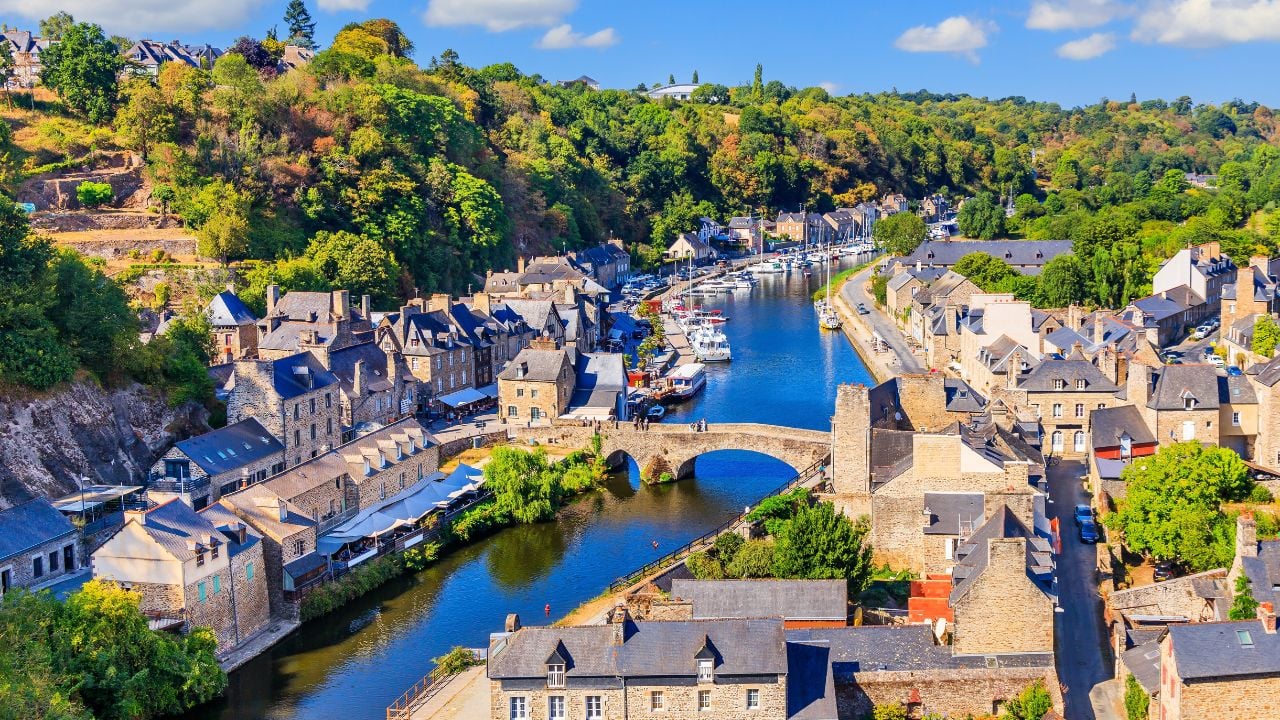
Dinan feels like a medieval town quietly minding its own business. Stone walls, timber houses, and sloping streets give it a lived-in charm. The city feels grounded rather than polished. Beauty here feels natural.
Life in Dinan moves slowly. Locals shop, socialize, and work within medieval surroundings without fanfare. The city doesn’t perform for visitors. It simply exists.
Dinan’s magic lies in normalcy. The fairy tale isn’t staged — it’s lived daily. That authenticity makes it deeply appealing.
Óbidos, Portugal
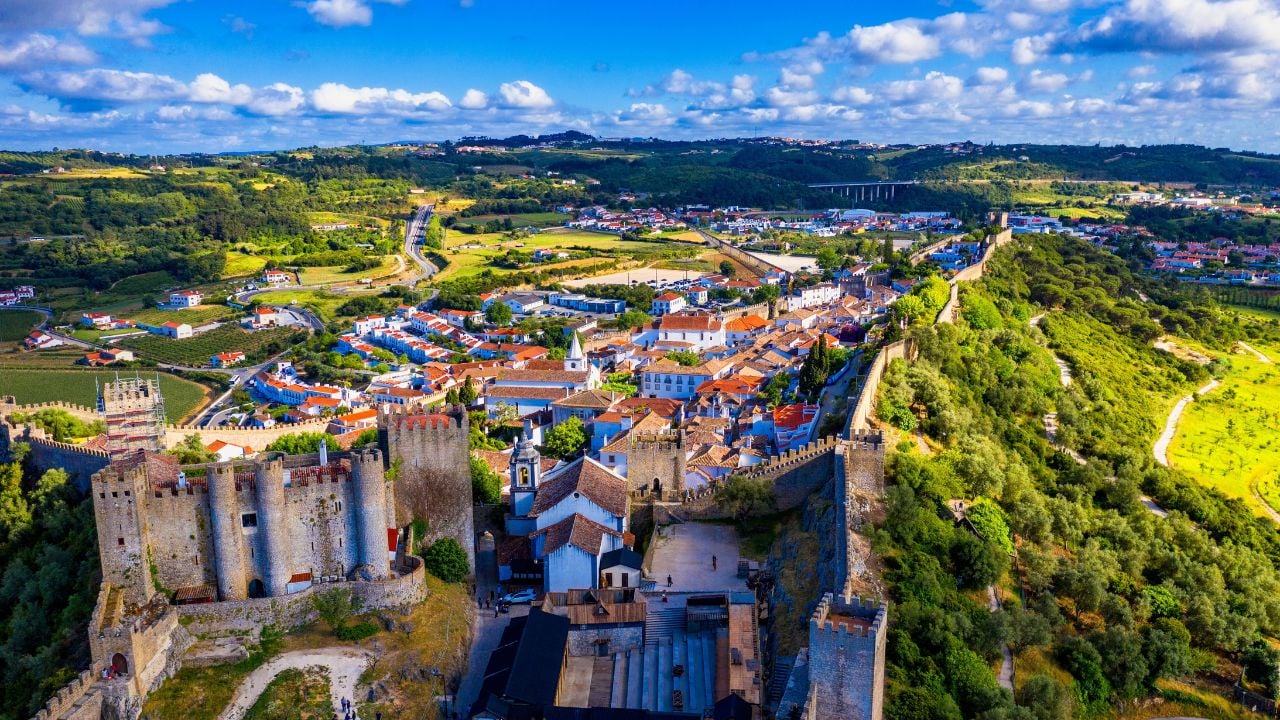
Óbidos is a walled medieval town that feels compact and complete. Whitewashed houses trimmed in blue and yellow line narrow streets filled with flowers. The entire city feels enclosed and protected. It feels storybook-perfect.
Inside the walls, life unfolds gently. Shops, homes, and cafés share space seamlessly. The town feels intimate and walkable. Nothing feels excessive.
Óbidos feels magical because of scale. Everything is close, contained, and coherent. The fairy-tale atmosphere feels effortless.
Monschau, Germany
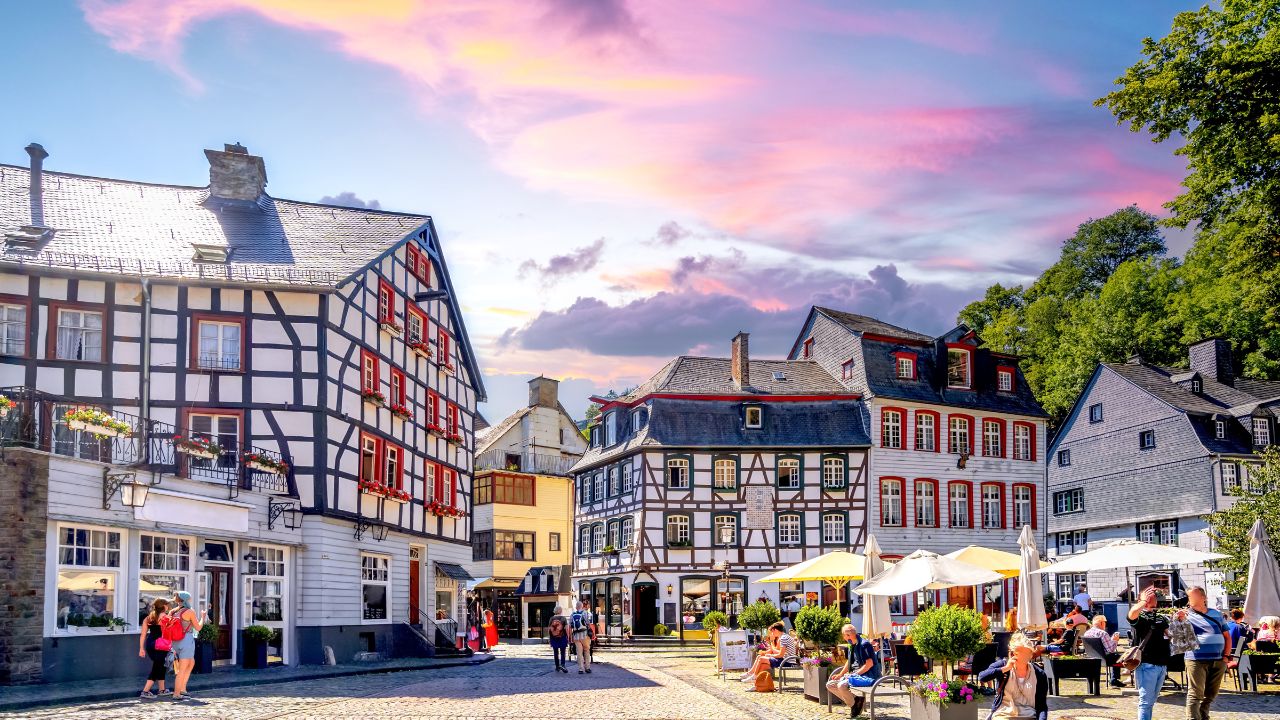
Monschau sits quietly in a forested valley, with half-timbered houses lining a narrow river. The town feels tucked away and undiscovered. Architecture and nature blend seamlessly. The setting feels cozy and romantic.
Life here feels unhurried. Locals maintain traditions, and the town retains its historic character without forcing it. The environment feels balanced. Beauty feels lived-in.
Monschau’s magic comes from subtlety. It doesn’t demand attention. It rewards those who notice.
Sighişoara, Romania

Sighişoara feels like a medieval city still guarding its secrets. Colorful buildings, clock towers, and cobblestone streets create a layered visual experience. The city feels authentic rather than restored. History feels close.
Life continues within the medieval walls. Children play near ancient towers, locals gather in small squares, and daily routines unfold naturally. The city feels alive. The past hasn’t displaced the present.
Sighişoara’s fairy-tale quality comes from continuity. It isn’t preserved — it persists. That living history makes it truly magical.