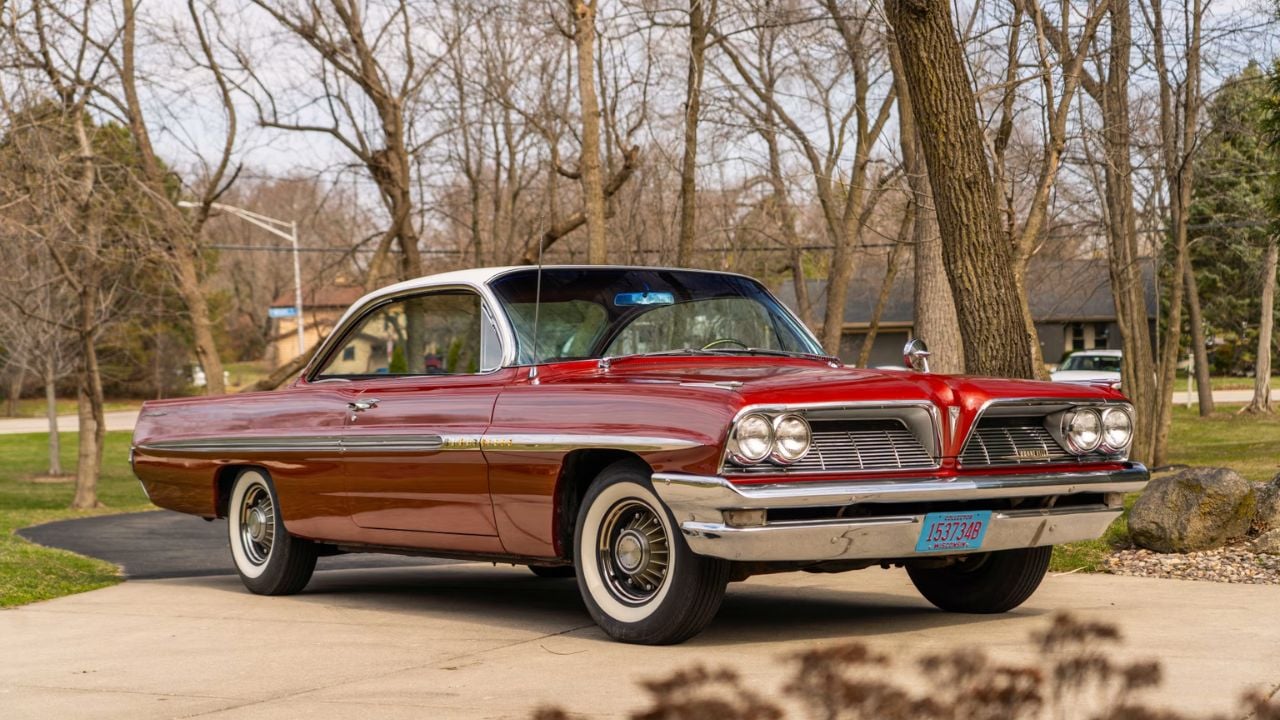
By May 8, 2026, Mecum Indy should already feel fully awake. The Indiana State Fairgrounds will be packed with movement, noise, color, and the kind of anticipation that only a major collector-car auction can build. In that setting, Pontiac feels exactly right. Few American brands covered so much ground while still sounding like themselves every time they did it.
That range is the real pleasure of this lineup. Pontiac could build a revived LS-powered muscle coupe, a mid-engine curiosity that became more interesting at the very end, a long and elegant early-sixties Bonneville, a full-size Catalina with genuine Wide-Track attitude, or a huge open Grand Ville that looked made for a boulevard rather than a back road. Yet all of them still carried the same underlying confidence.
May 8 shows that clearly. This row moves from the 2005 GTO and the final-year Fiero GT to a pair of Bonnevilles, a Catalina, the first-year GTO that changed American performance history, then out toward a Grand Ville convertible and a later Firebird that still wears Pontiac’s third-generation sleekness beautifully. It is not one kind of Pontiac story. It is several at once.
That is exactly why this group should be one of the most enjoyable stops at Indy. The cars are different in size, era, and purpose, but the personality never really disappears. These are the Pontiacs everyone will be watching at Mecum Indy.
2005 Pontiac GTO
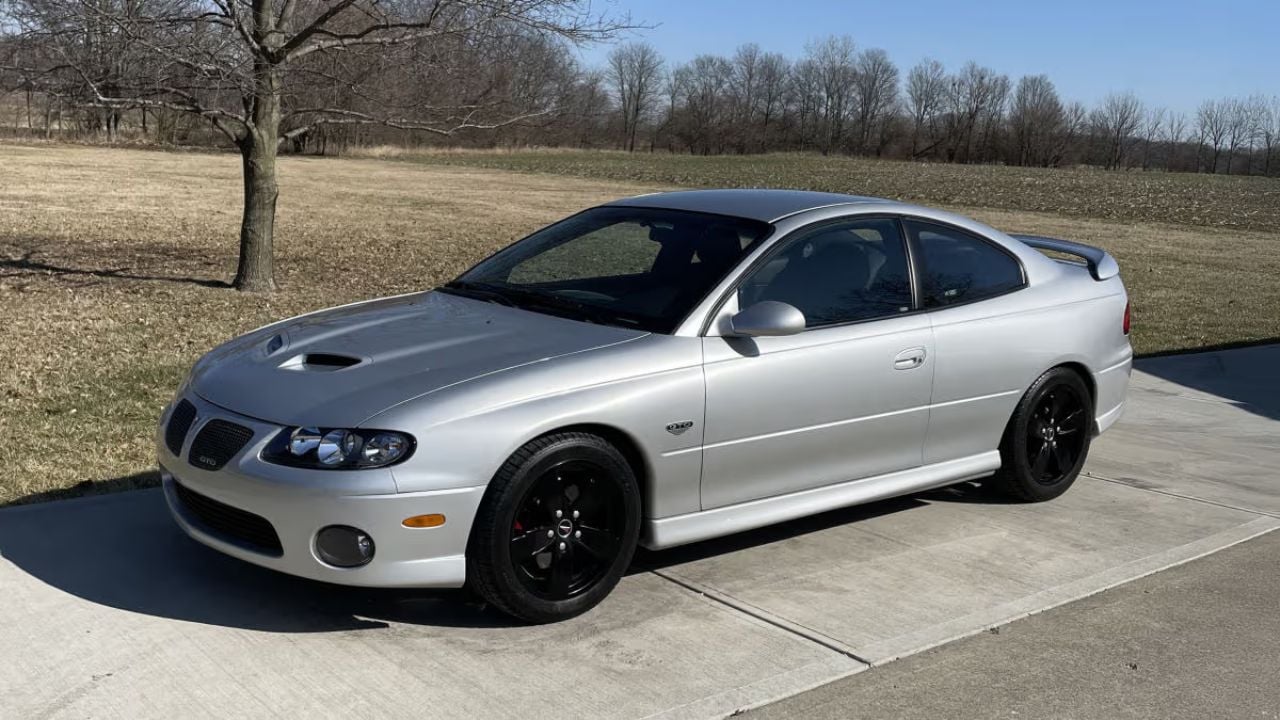
The 2005 Pontiac GTO arrives at Indy with the kind of confidence that comes from short production, serious hardware, and a reputation that has improved with time. Mecum lists this one as Lot J115 with about 2,000 miles showing, which already gives it some gravity before the LS2 story even begins. By 2005, the revived GTO had grown into itself. The shape still stayed understated, but the powertrain no longer had anything understated about it.
That is a big part of the car’s appeal now. The modern GTO never relied on stripes, scoops, or nostalgia overload to make its point. It let the V8 do that work. At Mecum Indy, this one should speak to buyers who appreciate muscle with a little restraint in the presentation and a lot of substance underneath it.
1988 Pontiac Fiero GT
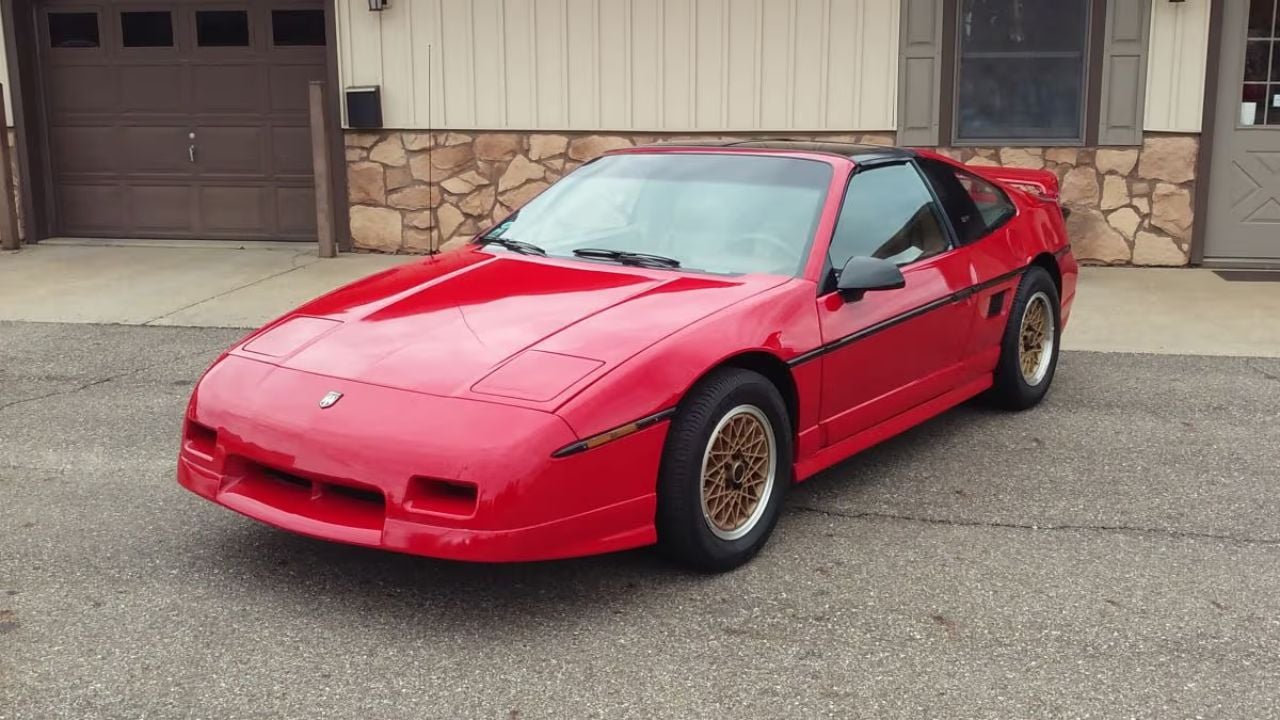
A 1988 Pontiac Fiero GT always carries a little extra intrigue because it represents the final and most interesting chapter of Pontiac’s boldest experiment. Mecum lists this one as Lot J143 with about 74,000 miles showing, and that alone makes it an appealing sight in a room filled with more predictable muscle-era choices. The Fiero GT already had the fastback shape, the mid-engine layout, and the sense that Pontiac was trying something genuinely different. By 1988, the story had become sharper.
That is what gives the car its charm now. The late improvements made the final-year Fiero feel much closer to the idea enthusiasts had hoped for all along. It still feels slightly rebellious, slightly odd, and all the more memorable because of it. At Indy, this GT should appeal to buyers who like their collector cars with a little unfinished history still hanging in the air.
1961 Pontiac Bonneville
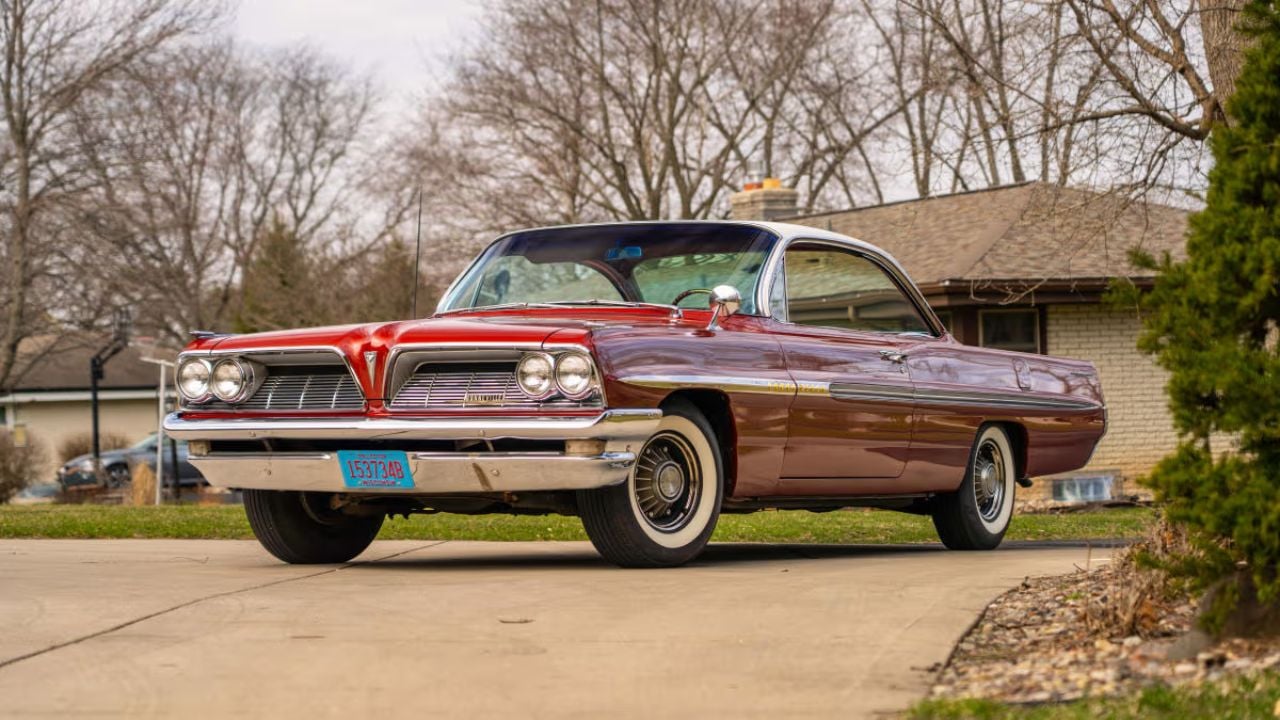
The 1961 Pontiac Bonneville brings a very different kind of authority to the row. Mecum lists it as Lot J153, and the sale presentation points to a Coronado Red finish, 389 CI V8, and Pontiac’s iconic 8-lug wheels, a combination that suits the car beautifully. Early-sixties Bonnevilles have a way of looking long, elegant, and quietly assured all at once. They do not need to overstate themselves.
That is the pleasure here. The Bonneville occupied a sweet spot where Pontiac could blend luxury, style, and real V8 presence without losing its identity. At Mecum Indy, this one should win people over the way the best full-size Pontiacs often do, not through one dramatic detail, but through proportion, stance, and the confidence of a car that never had to try too hard.
1963 Pontiac Bonneville
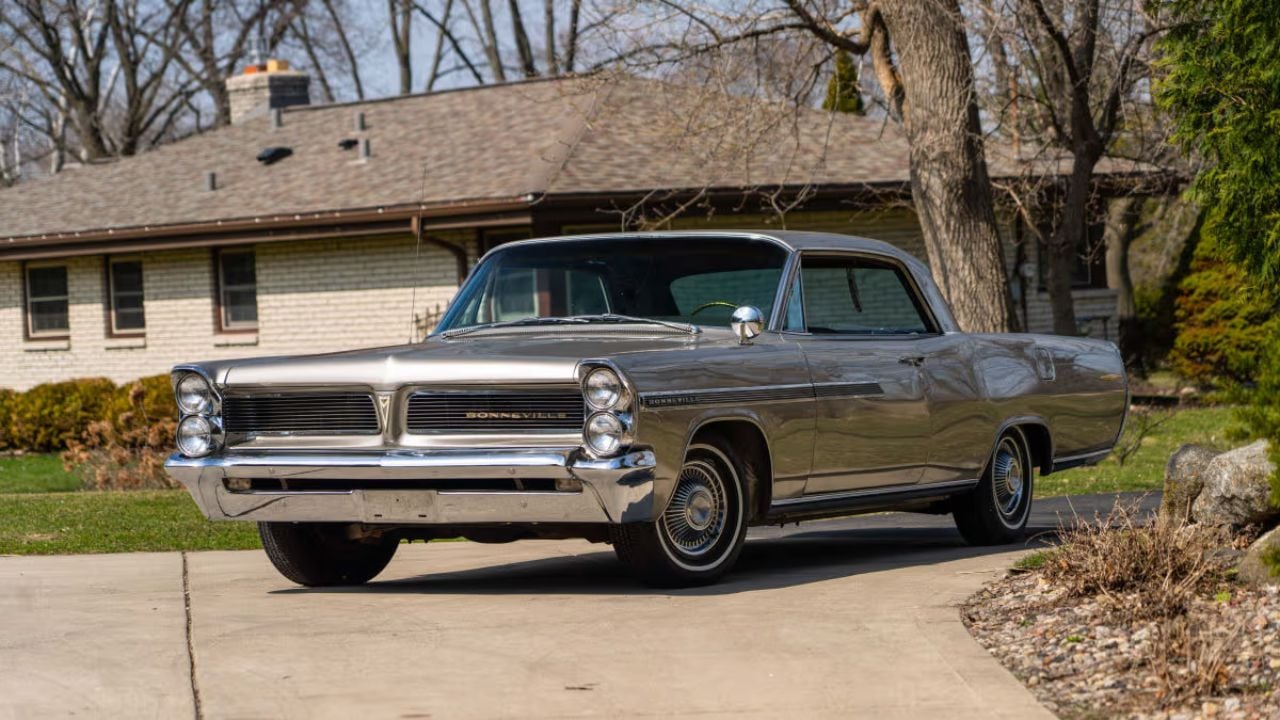
A 1963 Pontiac Bonneville takes that same full-size Pontiac idea and gives it a slightly crisper, more mature edge. Mecum lists this car as Lot J155, and the sale details point to Caravan Gold paint, a 389 CI V8, and Hydra-Matic automatic transmission. By 1963, Pontiac’s big cars had moved further toward the cleaner, more composed design language that would define the middle of the decade.
That gives this Bonneville a very satisfying presence. It still has the scale and smoothness people want from a top-line early-sixties Pontiac, but it wears them with a little more discipline than the earlier cars. At Indy, this one should appeal to buyers who want their luxury Pontiac to feel substantial, elegant, and just a little more refined in every line.
1964 Pontiac Catalina
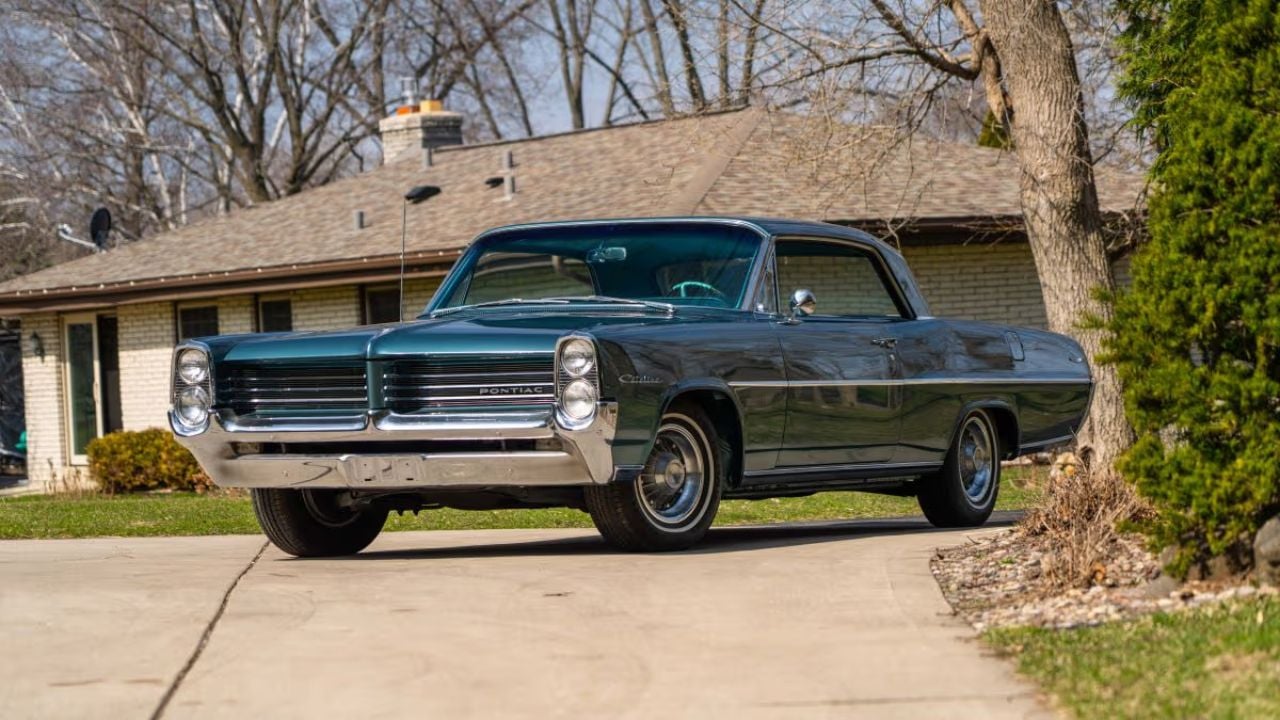
The 1964 Pontiac Catalina gives the lineup a stronger dose of straightforward Wide-Track attitude. Mecum lists it as Lot J157, and the sale presentation highlights a 389 V8, 3-speed manual transmission, and Pontiac’s memorable 8-lug wheels. That specification helps explain why Catalinas have always appealed to people who know exactly what they are looking at. They do not always get the same headlines as a GTO, but the underlying character is still very much there.
This is part of what makes a good Catalina so satisfying. It sits right between full-size comfort and genuine performance credibility, with the kind of stance and torque-rich personality that made early-sixties Pontiacs so distinctive. At Indy, this one should draw the buyers who like their Pontiacs broad-shouldered, honest, and just a little less obvious than the car parked beside it.
1964 Pontiac GTO
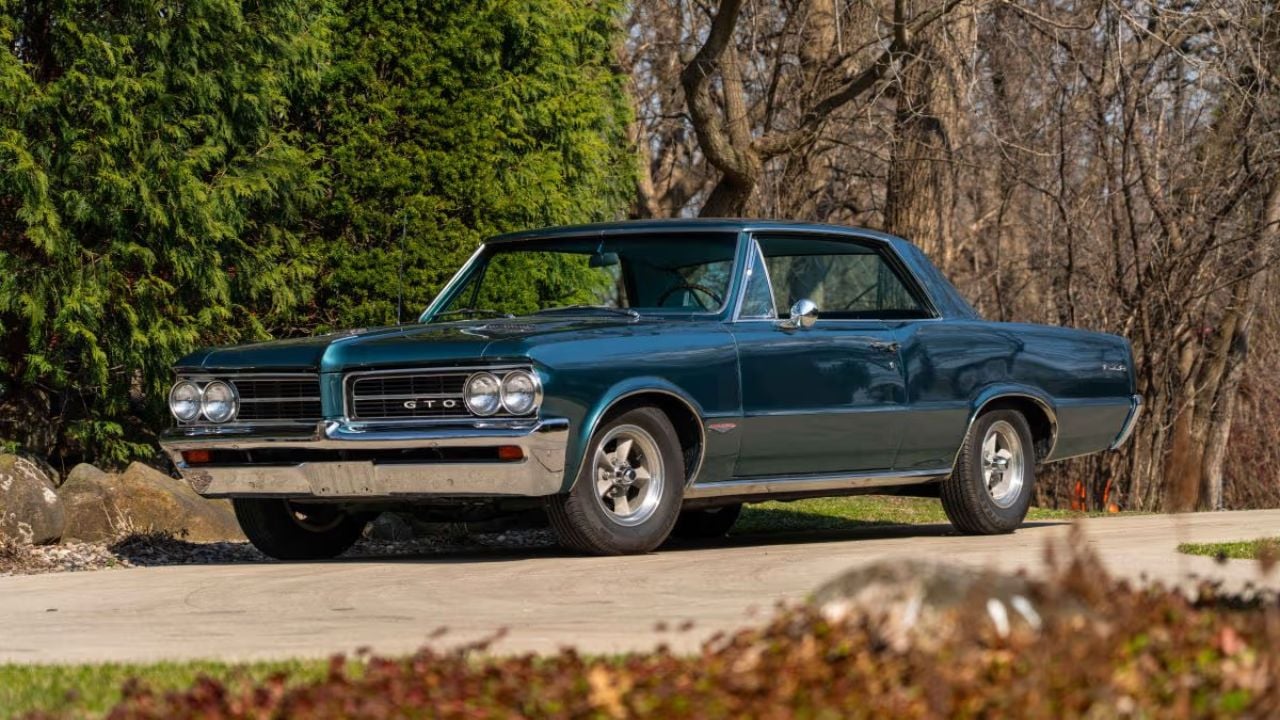
No Pontiac lineup like this feels complete without the car most people still treat as the brand’s defining performance statement. This 1964 Pontiac GTO is listed as Lot J158, and the sale materials describe it with the 389 CI Tri-Power V8, 4-speed manual, Safe-T-Track differential, and Gulfstream Aqua over Aqua trim. That is more than a good specification. It is one of the clearest expressions of what made the first GTO such a turning point.
The 1964 car still matters because the idea was so simple and so forceful. Take a midsize platform, give it serious V8 power, and let the attitude carry the rest. At Mecum Indy, this GTO should feel like one of the most important Pontiacs in the building, not only because it is desirable, but because it changed the direction of American performance thinking the moment it arrived.
1974 Pontiac Grandville
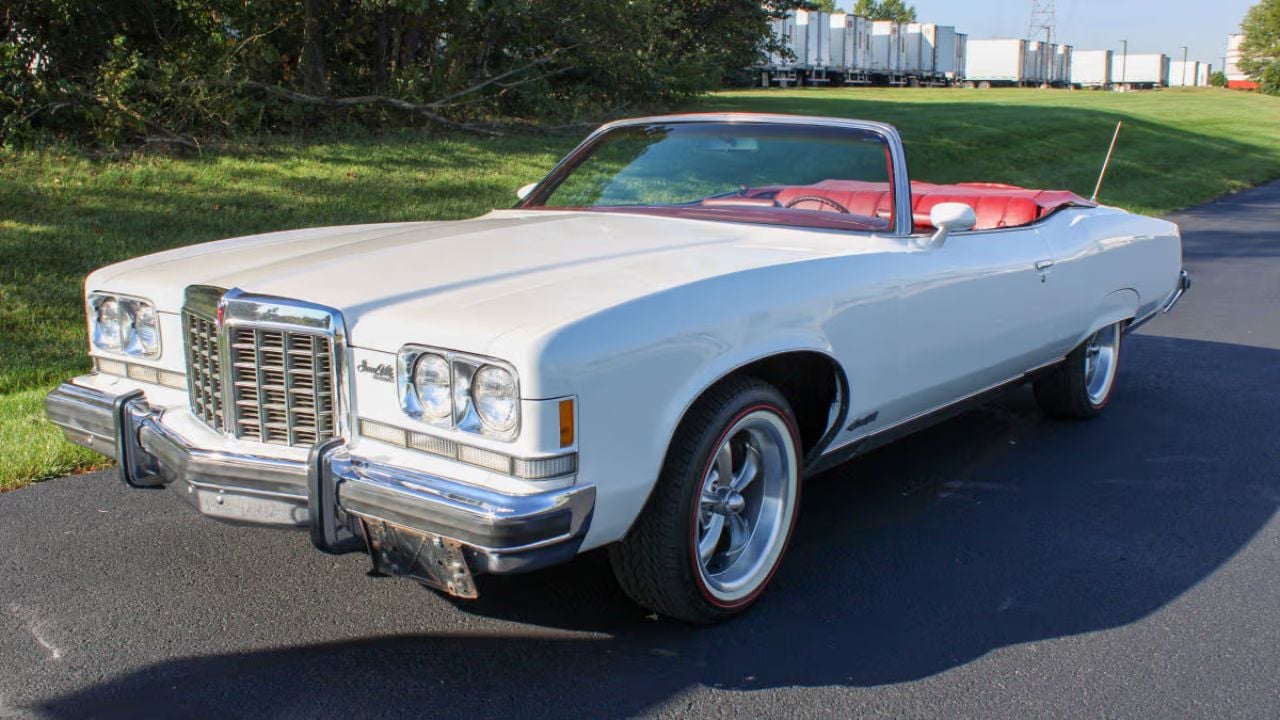
The 1974 Pontiac Grandville shifts the mood of the whole row in the best possible way. Mecum presents it as Lot J186, and the sale details point to Cadillac White Pearl paint, a red power top, automatic transmission, V8 power, and custom Ridler wheels. Even before you get into model history, that already sounds like a proper boulevard car.
The Grand Ville name only deepens the appeal. In period, it sat at the top of Pontiac’s full-size world, and by 1974 the convertible represented one of the last big open-air American luxo-cruisers of its kind. That gives this car more emotional pull than a simple spec sheet can capture. At Indy, it should attract buyers who still love scale, color, and the particular kind of confidence only a huge seventies Pontiac convertible can carry.
1986 Pontiac Firebird
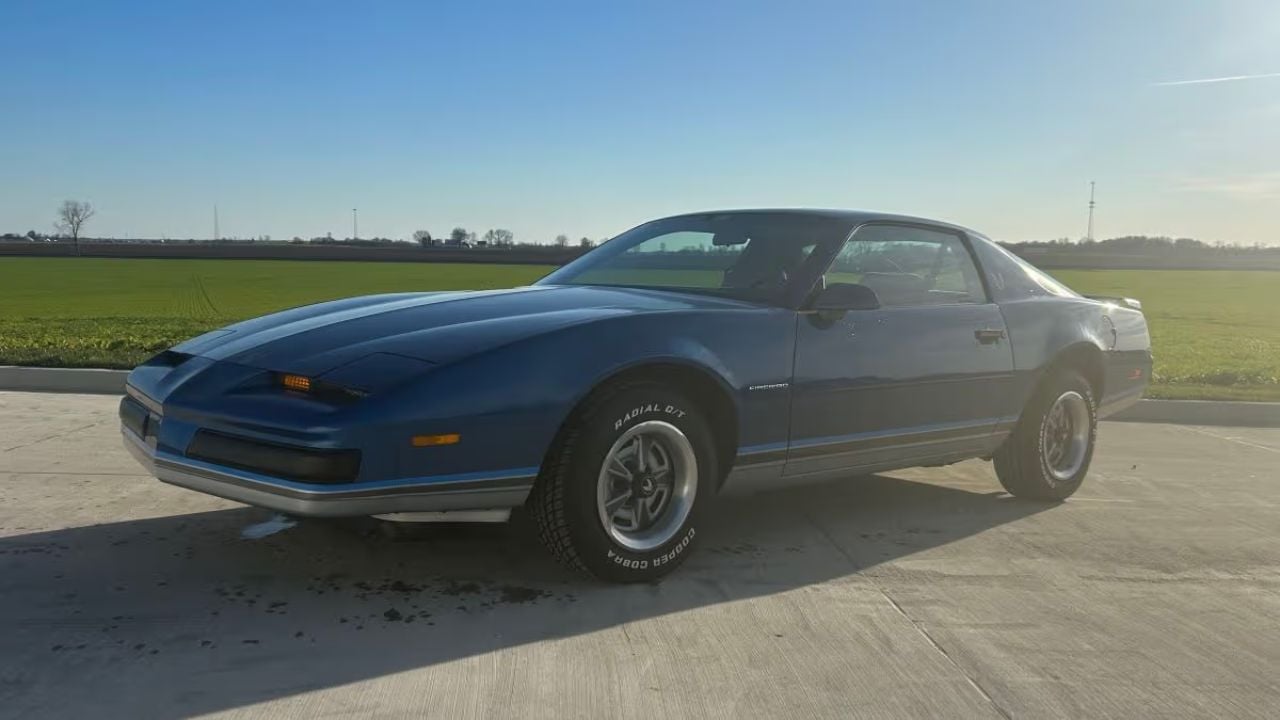
The 1986 Pontiac Firebird closes the group with a cooler, sleeker kind of personality. Mecum lists it as Lot J198 and presents it as a highly original example with automatic transmission, which already gives it some survivor-style appeal before the design even starts speaking. Third-generation Firebirds changed the model completely when they arrived, bringing hidden headlamps, a more aerodynamic nose, and the hatchback silhouette that made the car feel futuristic in its day.
By 1986, that shape had fully settled into its identity, and now it carries the kind of period charm that eighties enthusiasts respond to immediately. At Indy, this Firebird should attract the crowd that likes preserved cars, sleek GM styling, and Pontiacs that still look ready for a Friday-night cruise the moment they leave the block.