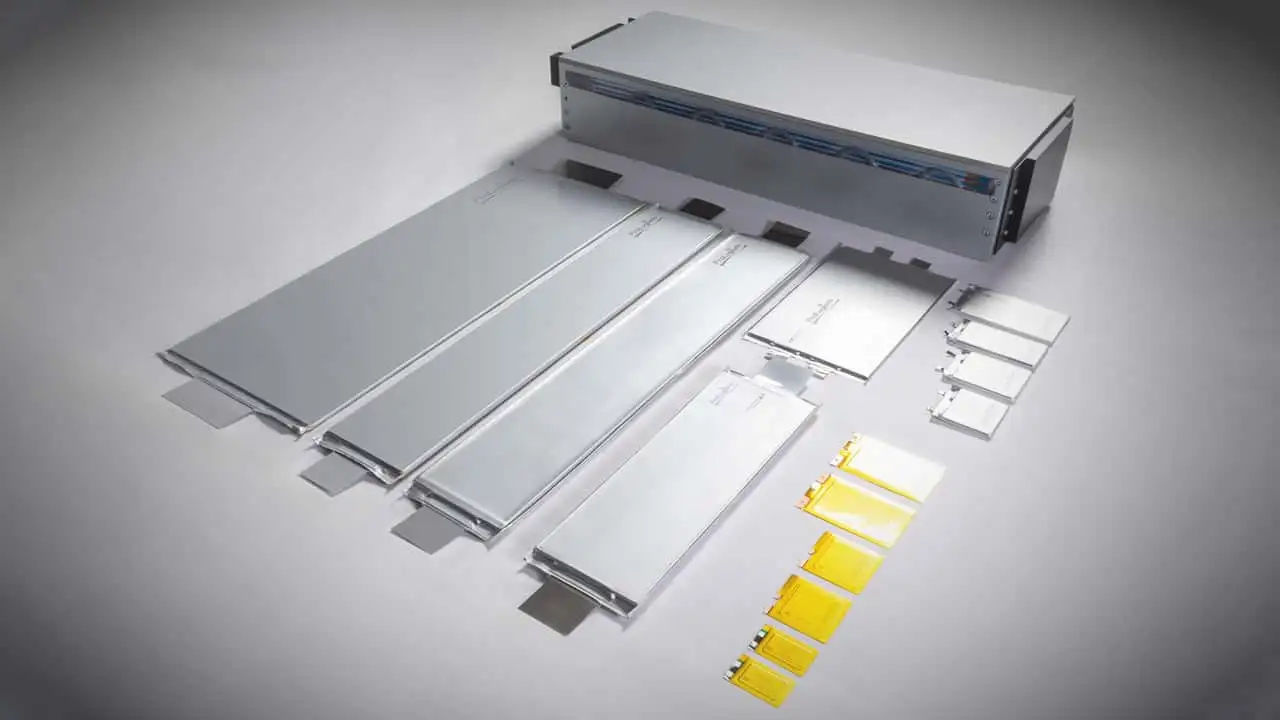
Solid-state batteries have occupied an awkward position in the EV world for years. Automakers and battery companies routinely promise greater range, faster charging, and improved safety, yet most of the technology is stuck somewhere between laboratory prototypes and limited pilot production.
Getting impressive numbers from an experimental cell isn’t necessarily the hardest part anymore. Manufacturing large automotive-sized cells consistently and at scale is still one of the biggest hurdles separating solid-state batteries from everyday electric cars.
A Taiwanese battery company backed by Mercedes-Benz now claims to have crossed an important part of that divide. ProLogium says its latest Gen 3.5 Lithium Ceramic Battery has entered mass production at its Giga-level manufacturing facility in Taoyuan, Taiwan.
The numbers are attention-grabbing, too. Independent testing by TÜV recorded an energy density of 381 Wh/kg and 903 Wh/L from ProLogium’s large-format 185.4-Ah cell, potentially allowing future battery packs to store considerably more energy without becoming larger or heavier.
ProLogium Says It’s Really A Solid-State Battery
Exactly what qualifies as a “solid-state” battery has become an important question as manufacturers develop different electrolyte designs. ProLogium says its Gen 3.5 cell underwent separate testing by UL Solutions using China’s GB/T 43568-2026 methodology.
During that test, the cell was held under vacuum at 120 degrees Celsius for six hours and recorded less than 0.05% weight loss. That’s comfortably below the standard’s 0.5% maximum threshold for classification as an all-solid-state battery.
ProLogium’s design uses what it calls a composite solid electrolyte alongside a ceramic separator and proprietary edge-frame structure. The company says the architecture helps isolate potential electrode burrs while also providing sealing and electrical insulation.
The Big Deal Is Manufacturing
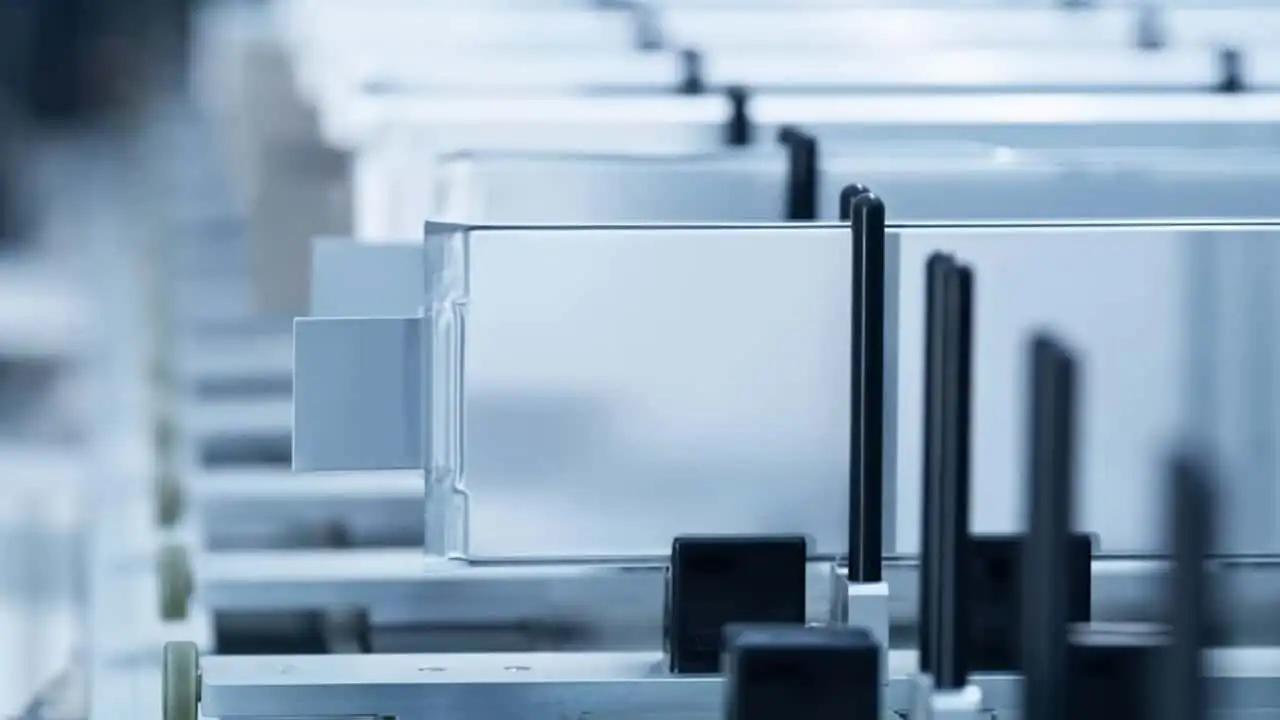
Plenty of companies have demonstrated promising solid-state battery prototypes, so ProLogium’s headline figures aren’t the entire story. What really makes its announcement significant is the claim that these large-format cells are now being manufactured commercially rather than merely confined to a pilot line.
ProLogium has been producing versions of its Lithium Ceramic Battery technology since 2013 and says it has shipped over 2.4 million cells across consumer, specialty, and automotive applications. Its manufacturing process has evolved from early sheet-by-sheet production to roll-to-roll manufacturing and, in 2024, its current Giga-level platform.
That experience could help address one of solid-state technology’s persistent problems: scaling a promising chemistry without effectively reinventing the factory required to manufacture it.
Gen 4 Could Push Things Further
ProLogium is already developing its Gen 4 battery, which replaces the current composite electrolyte with what the company describes as a fully inorganic “superfluidized” electrolyte system. It is intended to improve low-temperature performance, safety, and manufacturing costs while retaining high energy density and fast-charging capability.
Crucially, ProLogium estimates that only around 10% of its existing Giga-level production equipment would need modification to manufacture Gen 4 cells. That could make the transition considerably easier than building an entirely new production system around the next chemistry.
The company is also expanding beyond Taiwan. Construction is underway on a battery gigafactory in Dunkirk, France, with its first phase designed to eventually reach 4 GWh of annual capacity and the site offering a maximum planned capacity of 44 GWh.
None of this means solid-state batteries are about to flood new-car dealerships overnight. ProLogium still needs to prove its technology can scale economically while delivering the longevity, reliability, and consistency automakers demand across millions of vehicles.
Still, moving a 381 Wh/kg large-format solid-state cell into commercial production is an important milestone if ProLogium’s manufacturing claims hold up. The solid-state battery race certainly isn’t over, but one of its longtime contenders appears to have taken a significant step out of the laboratory.