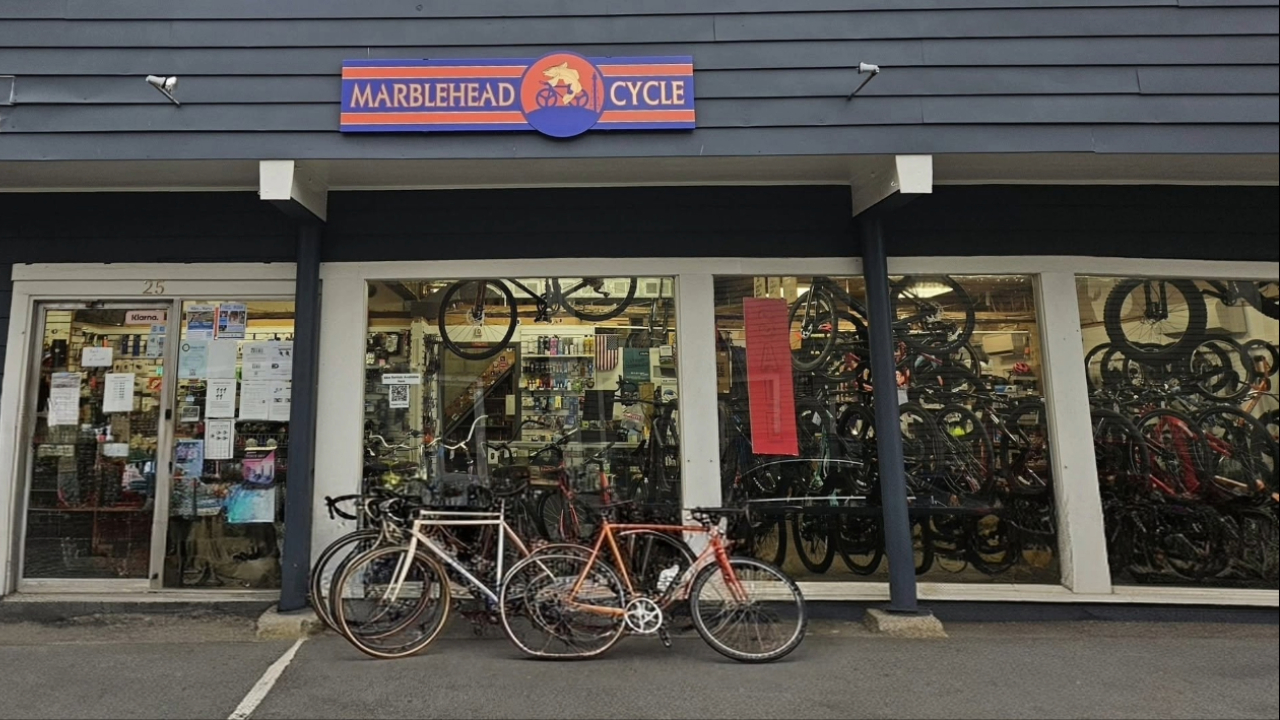
A Marblehead bike shop is taking a firm stance on children and electric bikes, refusing to sell e-bikes to anyone under 18.
Marblehead Cycle President Dan Schuman said the decision is based on concerns about the speed, weight and handling of many electric bikes.
In a Facebook post, the business warned parents against buying e-bikes for children, arguing that many models can travel far faster than traditional bicycles and may be difficult for younger riders to control.
The shop sells e-bikes but says it will not make a sale to an adult if staff know the bike is intended for a minor. The business will, however, continue servicing e-bikes used by children, saying that keeping potentially unsafe bikes maintained is better than allowing mechanical problems to go unaddressed.
Owner Explains Why the Shop Won’t Sell to Minors
In an interview with CBS Boston, Schuman said he regularly gets requests from parents looking to purchase motorized bikes for teenagers but refuses those sales.
He pointed to the weight and speed of many e-bikes, saying some entry-level models can reach 20 or 28 mph. He also expressed concern that young riders may lack the experience needed to deal with traffic and understand the rules of the road.
Schuman said he has also encountered situations where e-bikes are modified to reach speeds substantially beyond their original limits. He warned that parents may not realize their child’s bike has been altered until after a serious crash.
The shop’s position comes as concerns over e-bike and scooter injuries continue to receive attention.
What Are the E-Bike Laws in Massachusetts?
Massachusetts currently recognizes Class 1 and Class 2 electric bicycles. Class 1 models provide motor assistance while pedaling and stop assisting at 20 mph, while Class 2 models can be powered by a throttle and also have a 20-mph limit.
State law generally gives electric bicycles the same rights and responsibilities as bicycles, while prohibiting them from being ridden on sidewalks. Riders age 16 and younger are required to wear helmets. Municipalities and agencies can also impose additional rules for certain bike paths and bikeways.
Massachusetts does not currently recognize Class 3 e-bikes as a separate legal category, despite some models marketed with speeds of up to 28 mph.
The Shop Is Choosing Safety Over Sales
Schuman’s policy means the business is turning away potential customers rather than selling an e-bike it believes may be inappropriate for a young rider.
His comments have now opened up a wider conversation about where responsibility lies when children are given access to fast, heavy electric bikes — and whether parents, retailers or manufacturers should do more to prevent dangerous use.
His Local Customers React
The decision has drawn strong support from local customers and community members, many of whom said they share concerns about children riding electric bikes at high speeds.
Some parents said the policy gave them another reason to reconsider buying an e-bike for their children. Others pointed to what they described as frequent helmet-use problems, dangerous riding around traffic and young riders who may not yet understand the rules of the road.
Several commenters also praised the business for putting safety ahead of sales. One customer said the policy helped them decide against buying an e-bike for their 14-year-old, while others encouraged more bike shops to adopt similar policies.
The discussion also included calls for stronger regulation and better rider education, with some customers arguing that faster e-bikes should face requirements more similar to motor vehicles.
The comments reflect growing concern among some local residents about how quickly e-bikes can travel and the safety of younger riders.