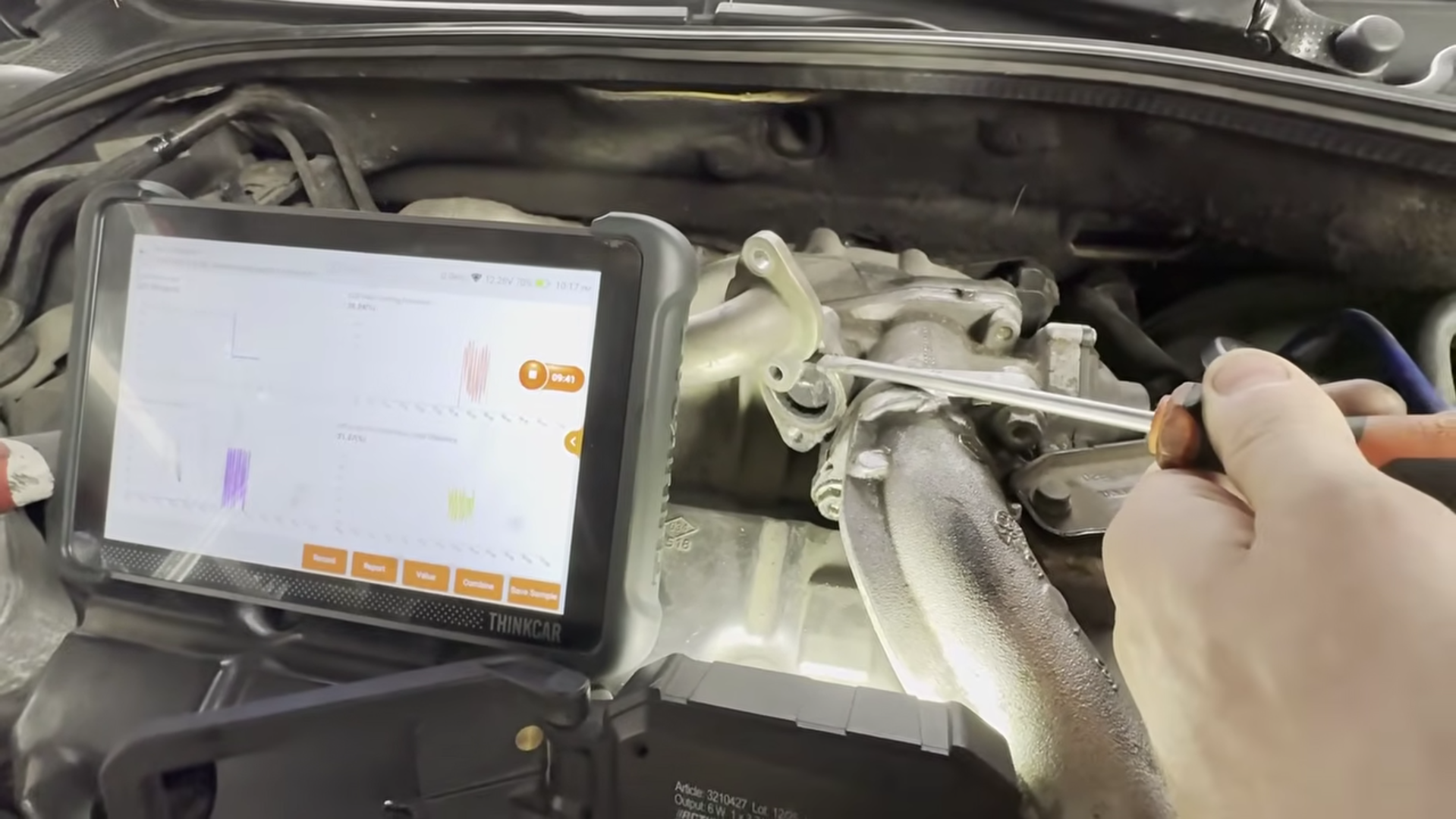
Diagnosing a car that has lost power can quickly turn into an expensive guessing game. A faulty sensor, turbocharger issue, fuel delivery problem, or malfunctioning emissions component can all produce similar symptoms, making it difficult to identify the actual culprit. Without a proper diagnosis, you could end up replacing one component after another until you finally stumble upon the culprit.
One automotive YouTuber decided to take a different approach to the problem, using artificial intelligence to analyze real driving data rather than simply relying on fault codes. His test subject was a Renault Laguna he’d purchased for just €300 ($330).
In a video titled “AI is better than 99% Mechanics,” the Iamcarhacker YouTube channel demonstrated how he used AI to narrow down the possible causes of his Renault’s poor performance. The results were encouraging, although they didn’t completely solve the problem.
What makes his experiment interesting isn’t that AI magically repaired a broken car, but that an inexpensive vehicle, a diagnostic scanner, and a spreadsheet of engine data were enough to produce a useful troubleshooting lead.
A $330 Renault With No Power
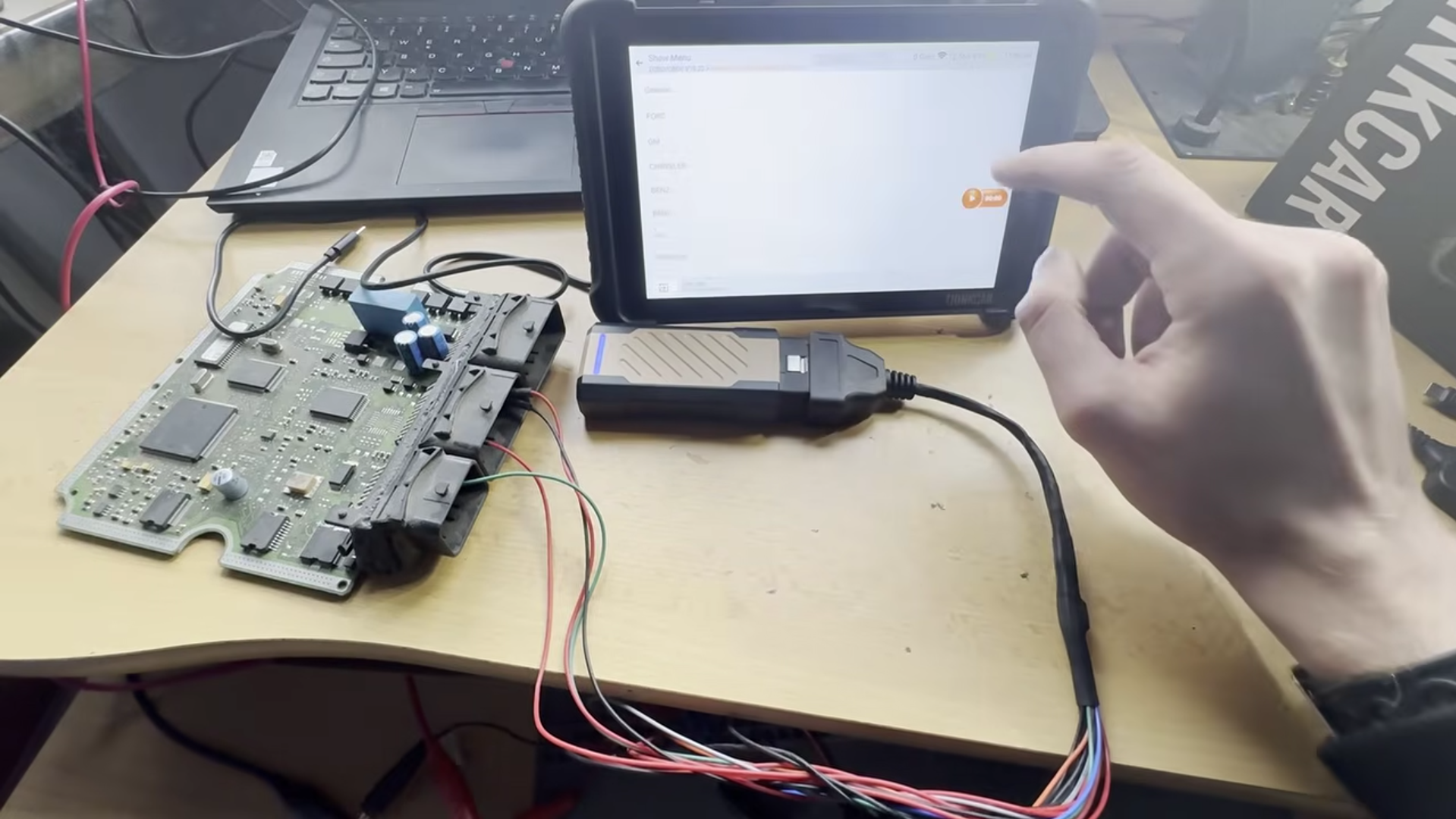
The Laguna struggled to accelerate properly, and the owner didn’t know whether the problem involved the turbocharger, fuel system, sensors, or something else. Instead of taking the traditional route of replacing components based on fault codes, he recorded approximately 20 minutes of driving data.
Using a Thinkscan 689BT diagnostic tool, he captured information about fuel delivery, airflow, exhaust gas recirculation (EGR), and boost pressure. He then exported the readings as a CSV file for AI analysis.
AI Points Toward the EGR Valve
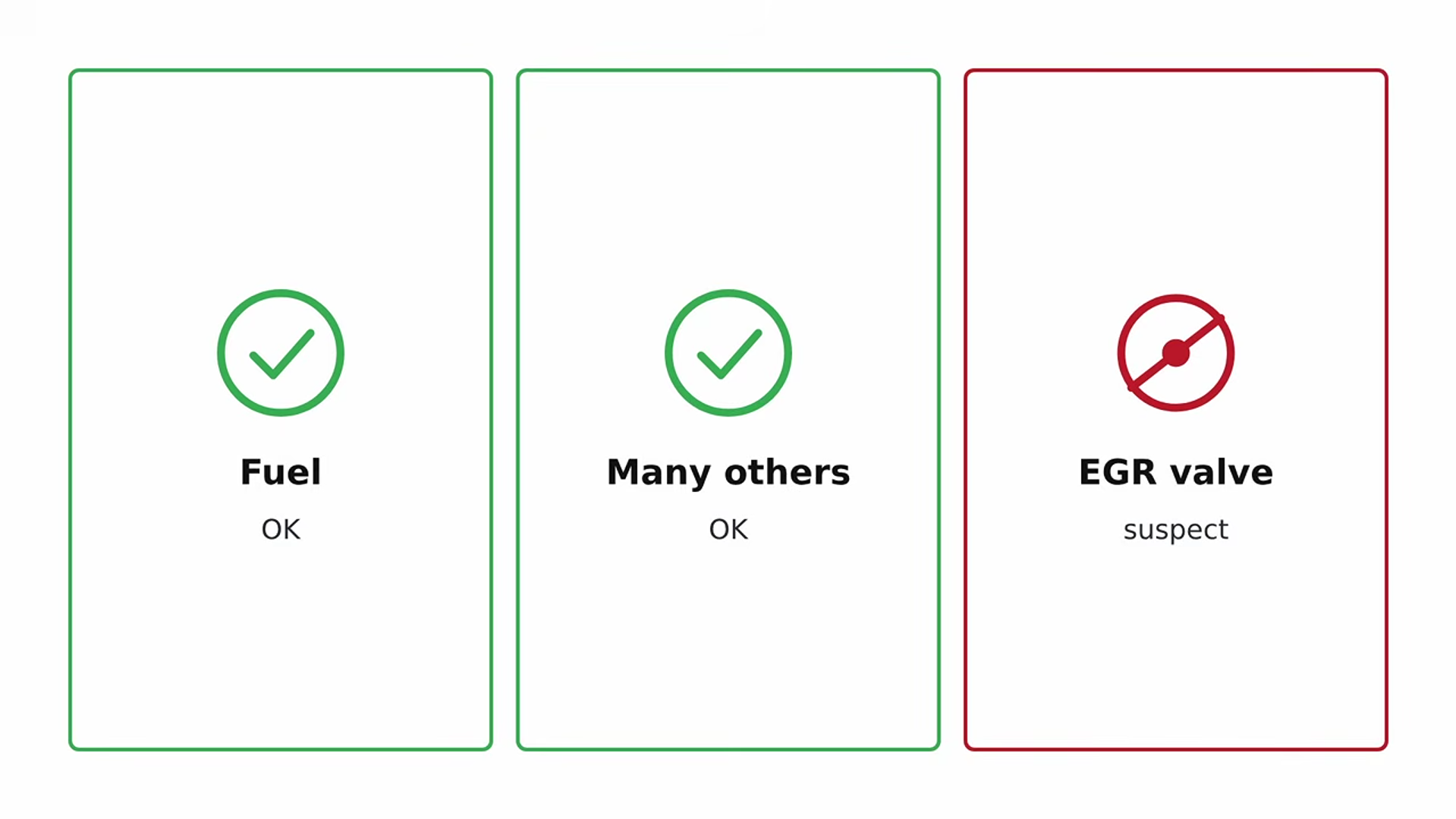
After examining the data, the AI suggested that the EGR valve was the most likely culprit. Based on the recorded data, the AI also considered several other causes less likely, including problems with fuel delivery.
The YouTuber tested the theory by installing a small metal plate to block EGR flow. He reported that the Renault immediately drove better, with noticeably stronger acceleration from around 2,000 rpm.
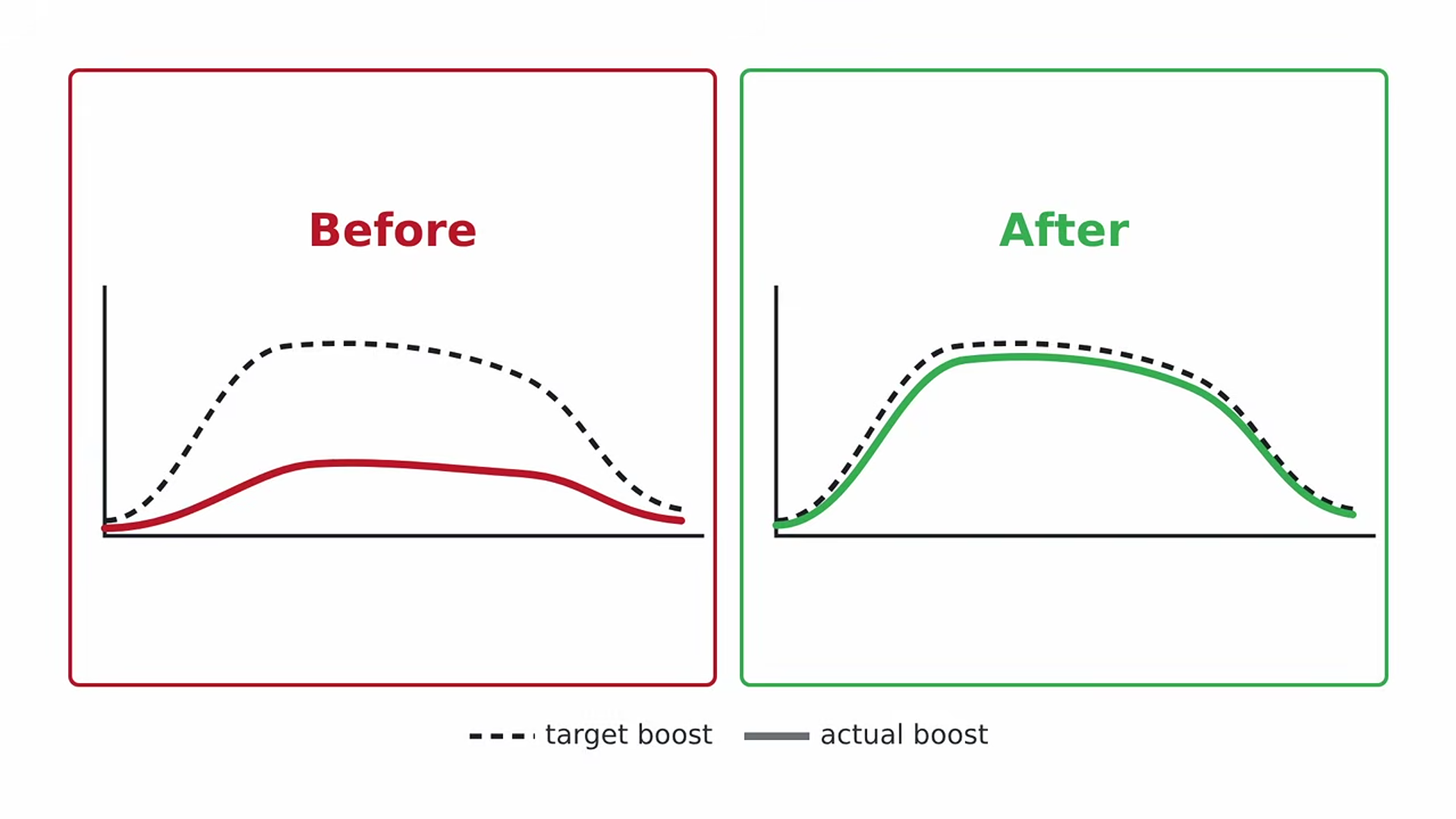
A second driving log supported his observations. Previously, actual boost pressure struggled to match the requested pressure, but after the modification, the two readings followed each other much more closely.
A Useful Tool, Not a Replacement for Mechanics
The creator acknowledged that the Renault still wasn’t running perfectly. Nevertheless, the improvement demonstrated how AI could help inexperienced owners interpret diagnostic information that normally requires considerable technical knowledge.
He also emphasized the importance of a scanner capable of exporting live data in CSV format. The Thinkscan device allowed him to email the file directly to his phone for analysis.
The experiment doesn’t establish that AI outperforms 99% of mechanics, despite the video’s provocative title. It does, however, show how analyzing actual engine behavior can be more useful than blindly replacing parts based on fault codes. It also gives car owners the option of figuring out what’s wrong and either fixing it themselves or bringing it to a shop and letting them know about the findings, potentially saving some money in the process.