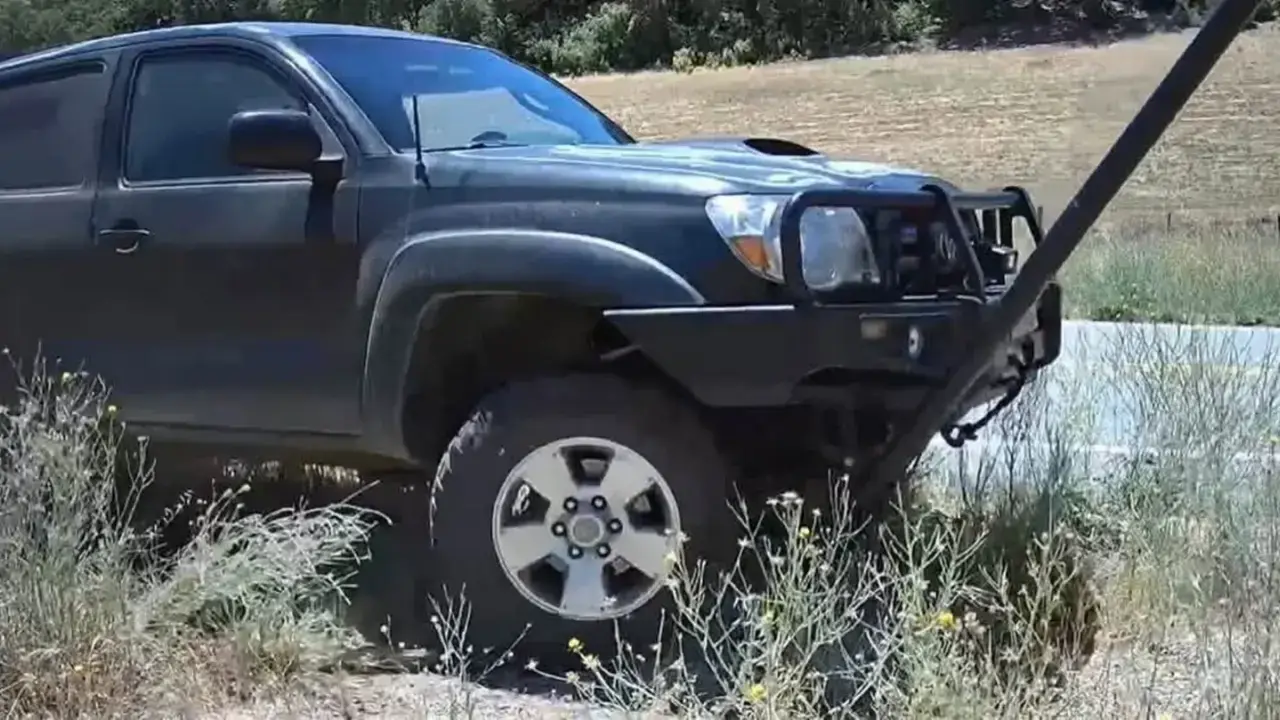
A California man has been arrested after authorities say he deliberately destroyed multiple automated license plate recognition (ALPR) cameras in Monterey County. According to investigators, the alleged vandalism caused thousands of dollars in damage to public safety equipment used by local law enforcement.
Ironically, while the targeted cameras were disabled, nearby surveillance systems continued recording, and those additional cameras captured the suspect’s actions, providing key evidence that ultimately led to his arrest.
The incident highlights the growing role technology plays in modern policing, while also underscoring the ongoing debate surrounding automated license plate readers and the privacy concerns they continue to generate.
Although the case centers on alleged vandalism, it has once again placed Flock Safety’s nationwide camera network in the spotlight as supporters and critics continue to disagree over how the technology should be used.
Surveillance Cameras Captured The Incident
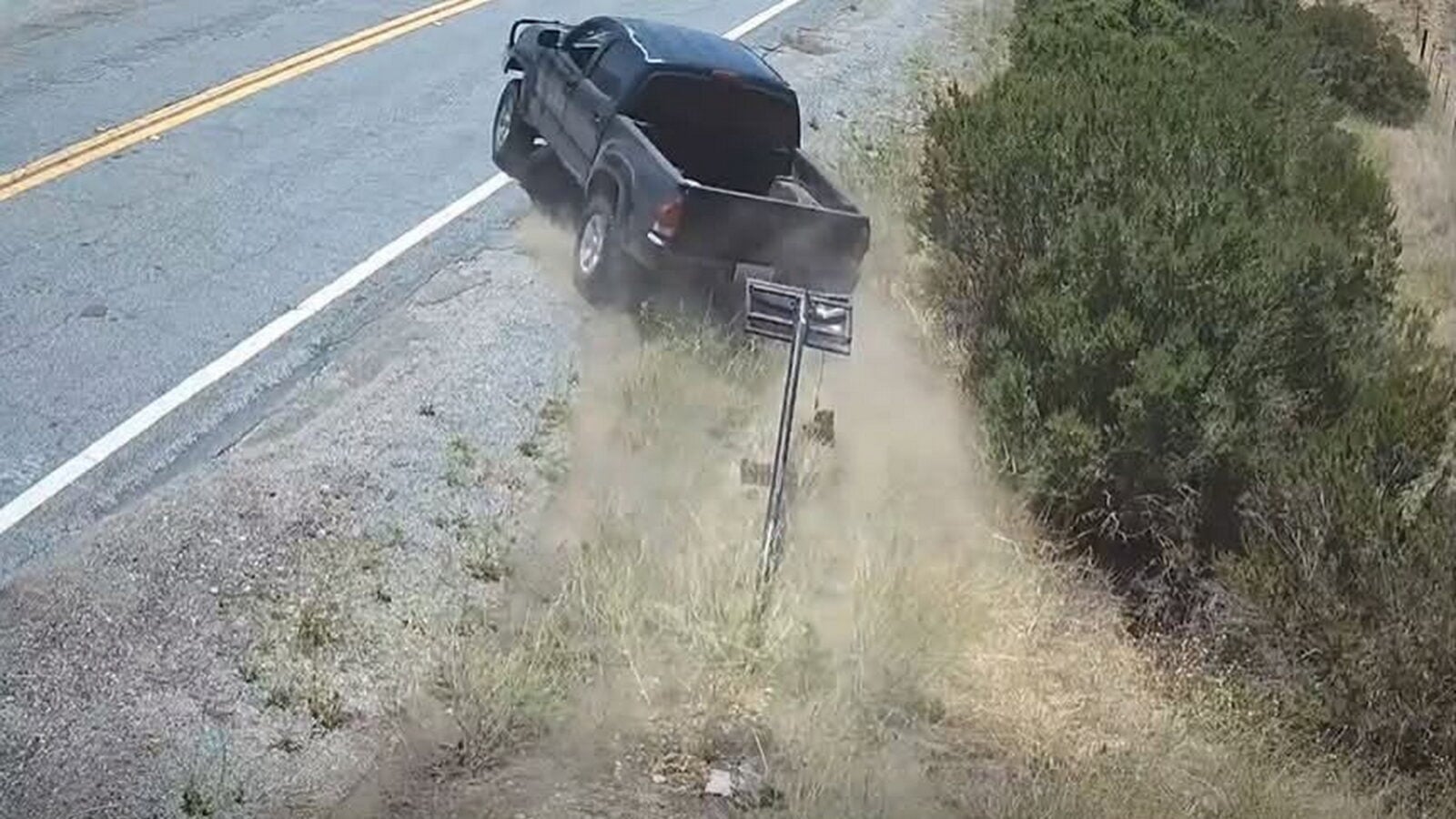
On its Facebook page, the Monterey County Sheriff’s Office says 40-year-old Marcus Bee of Pismo Beach traveled into Monterey County and intentionally damaged at least three Flock Safety ALPR cameras located in the communities of Lockwood and Bradley.
Authorities say Bee used his Toyota truck to ram into at least one of the camera installations, causing significant damage to public safety infrastructure. Detectives estimate the destruction resulted in thousands of dollars in repair costs.
Despite successfully disabling several license plate readers, investigators say Bee overlooked other surveillance cameras positioned nearby. Those cameras reportedly recorded his actions, and when combined with additional investigative leads, allowed detectives to identify him as the suspect.
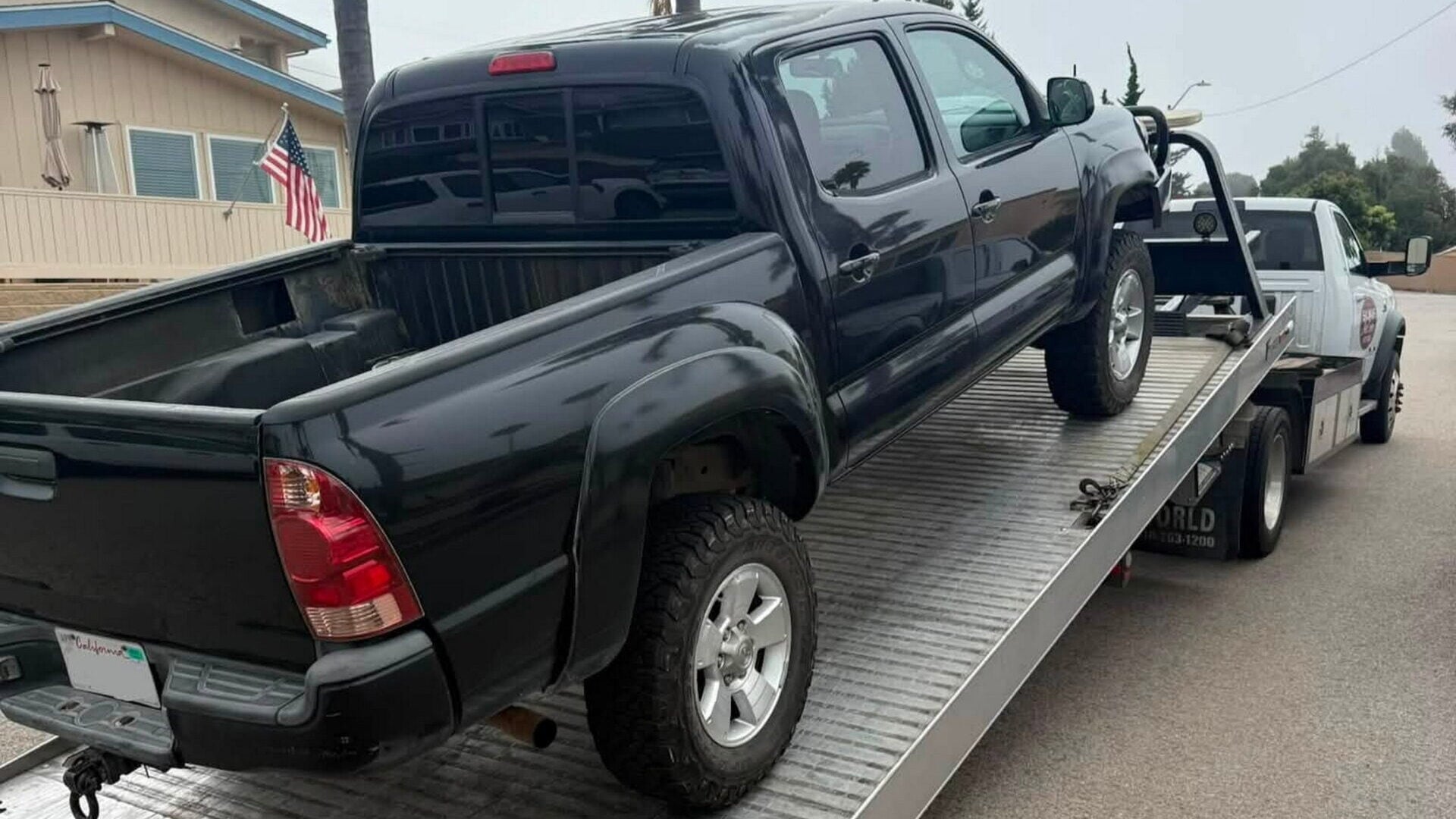
Bee was subsequently arrested and booked into the Monterey County Jail on a felony vandalism charge under California Penal Code 594(a)(3). Bail was set at $30,000.
Sheriff’s Office Defends The Technology
Following the arrest, Monterey County Sheriff Tina Nieto said the case demonstrates that anyone targeting public safety equipment will be investigated and prosecuted.
According to the Sheriff’s Office, Flock Safety’s automated license plate recognition cameras are used to assist criminal investigations, recover stolen vehicles and agricultural equipment, locate missing people, and identify vehicles connected to crimes ranging from property offenses to violent incidents.
Officials also emphasized that the cameras are not used for civil immigration enforcement or federal immigration investigations, stressing that the technology is intended solely to support legitimate criminal investigations under California law.
Privacy Debate Shows No Signs Of Ending
While many law enforcement agencies consider ALPR systems valuable investigative tools, they remain controversial among privacy advocates.
Critics argue that widespread collection of vehicle movement data raises important questions about surveillance, data retention policies, and who ultimately has access to the information. Supporters, meanwhile, point to numerous cases where the technology has helped solve crimes more quickly and recover stolen vehicles.
This latest incident is unlikely to settle that debate. Instead, it serves as another example of the increasingly divided opinions surrounding automated license plate recognition systems across the United States.
The Sheriff’s Facebook Post Sparked Strong Reactions
The Monterey County Sheriff’s Office’s Facebook announcement generated thousands of comments, with many of the most visible responses expressing support for the suspect rather than the damaged cameras. Several users jokingly suggested creating a GoFundMe to help pay his bail, while others referred to him as a “hero” and compared his actions to acts of protest.
Many commenters also criticized the use of automated license plate recognition technology itself. Some questioned how often the cameras are actually used to locate missing children or solve serious crimes, while others argued that the incident demonstrated the growing reach of surveillance technology after nearby cameras allegedly captured the suspect damaging the ALPR systems.
Damaging Cameras Doesn’t End The Investigation
If the allegations are proven in court, three Flock cameras were damaged during the incident. However, the case also illustrates one of the challenges of targeting surveillance infrastructure in today’s connected environment.
Even when one camera is disabled, investigators often have access to additional surveillance systems, nearby security cameras, witness accounts, and other forms of evidence. In this instance, authorities say those additional cameras ultimately documented the suspect’s actions, leading detectives directly to an arrest.
Whether viewed as an essential public safety tool or a technology deserving greater oversight, one thing is clear: attempts to destroy surveillance equipment don’t necessarily erase the evidence.