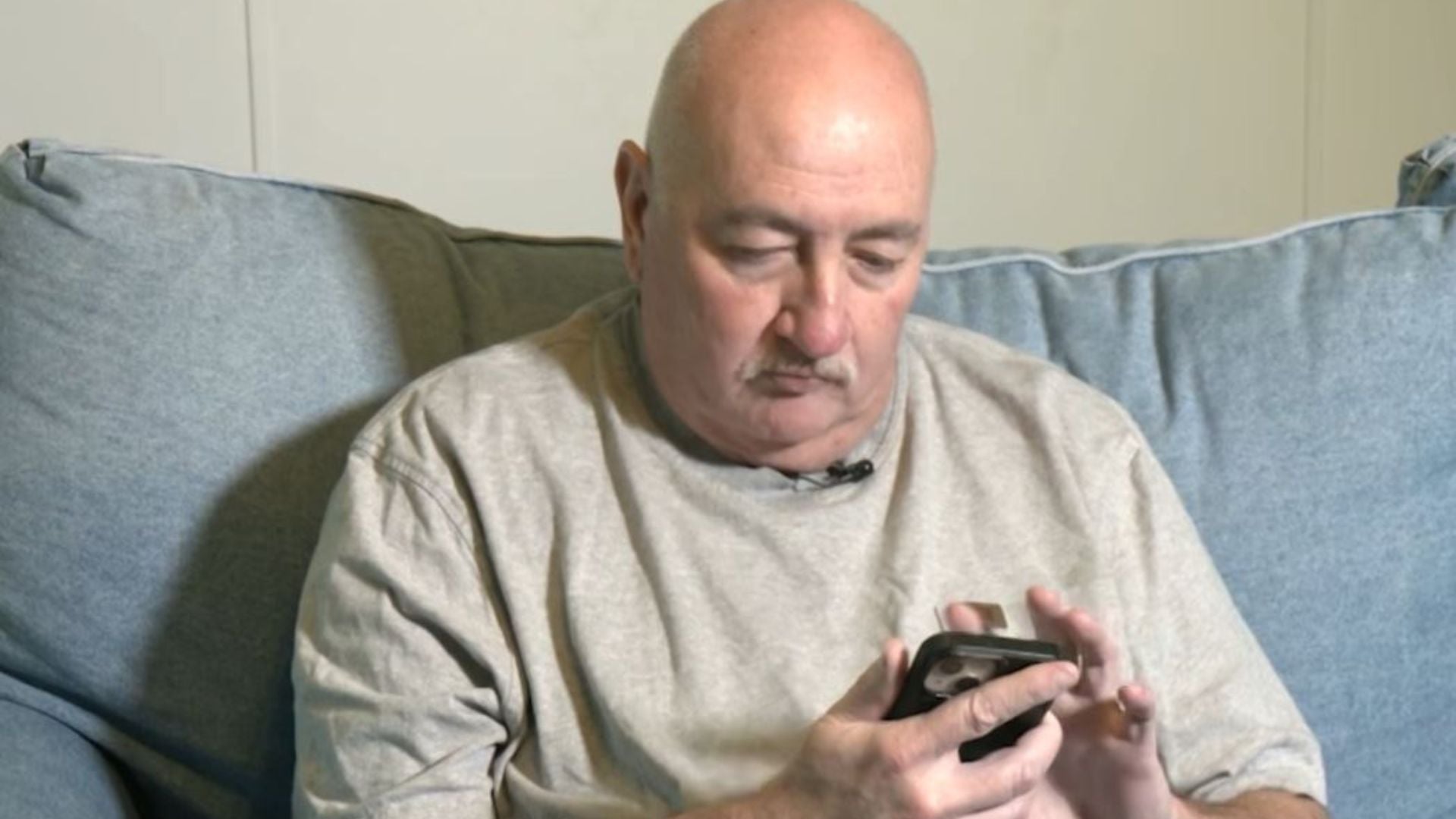
Rick Taylor thought a message on TikTok had brought him an opportunity he couldn’t afford to pass up. The 65-year-old retired truck driver told WATE Channel 6 he learned about a federal program that could give him $150,000, help with his bills, and even provide him with an expensive, brand-new pickup truck.
The promise came from people he had never met, but Taylor says they knew enough about his life and his love of trucks to make the offer seem convincing. Before long, he was following their instructions and expecting the money to start coming in.
But the dream deal quickly turned into a nightmare.
Taylor was eventually arrested at a Tennessee bank and charged with forgery and theft. He now says he was a victim of an elaborate scam, leaving him with a criminal case, thousands of dollars owed to a bank, and a very different reality from the one he thought he was about to enter.
Scammers Used His Love of Trucks To Make the Offer Seem Real
Rick Taylor told WATE the scheme began in late June when a woman calling herself “Mary” contacted him through TikTok. She told him about what appeared to be a federal program that could help seniors pay their bills. The woman then connected him with another person who went by “Mavis.”
According to Taylor, Mavis quickly began asking questions about his life, including where he lived and his interest in trucks. That personal connection helped make the offer feel more believable, especially when Mavis told him he qualified for a large payment and an expensive pickup.
The number attached to the promise was $150,000. Taylor says he was told the money would eventually be deposited into an account in his name, along with the truck he had supposedly qualified to receive. A photo of a shiny red pickup was even sent to him as an example of what he could receive.
But there was a catch. Before the money could arrive, Taylor was told he needed to pay processing fees. Mavis directed him to open a bank account at Bank of Tennessee in Knoxville, where he was told the promised funds would be deposited. Taylor says he followed the instructions because he believed he was dealing with a legitimate program.
Fake Checks Made the $150,000 Promise Look Real
The scam became more convincing in early July when Taylor says Mavis began sending him checks from Wells Fargo. He was told the checks represented portions of the money he had supposedly won and had been deposited into his Bank of Tennessee account.
Taylor says he deposited the checks and waited for them to clear. Once the money appeared available, Mavis began telling him how much he should withdraw. He says she instructed him to keep a small amount for himself and use the rest to purchase Apple gift cards as part of the supposed processing process.
Taylor followed the instructions and sent pictures of the gift cards back to Mavis. Some of the purchases were worth thousands of dollars. He told WATE that he estimates he sent thousands of dollars in Apple gift cards to the people behind the scheme.
The fact that the checks appeared to clear made Taylor believe the arrangement was legitimate. He says that when the checks went through, he thought, “maybe this is the real thing.” But the money was not what he believed it was, and the transactions would eventually leave him owing the Bank of Tennessee nearly $5,000.
The Scam Fell Apart at a Second Bank
The situation began unraveling when Mavis directed Taylor to open another account at Commercial Bank in Fountain City. According to the police report cited by WATE, he was instructed to deposit $3,000 from the Wells Fargo account into the new account.
But this time, the transaction raised questions. When Taylor told the Commercial Bank manager about the money he had received through Bank of Tennessee, the manager contacted that bank to verify the account. The response was troubling: Bank of Tennessee had already closed Taylor’s account because of suspected abuse.
Taylor was arrested at Commercial Bank on July 16 and charged with forgery and theft, both felonies. Police records cited by WATE said Taylor had received a total of $4,900 from the Bank of Tennessee account over several days between July 9 and July 15.
Taylor maintains that he never intended to steal money from the bank. He says he believed the checks were genuine because the funds appeared to become available in his account, and he was simply following Mavis’ instructions. Still, the transactions had left him facing criminal charges and owing Bank of Tennessee nearly $5,000.
Taylor is now out on bond, with a preliminary hearing scheduled for August 31 and a public defender representing him. His case illustrates one of the most troubling aspects of financial scams: a person can believe they are receiving legitimate money while unknowingly becoming involved in transactions that investigators see as criminal.
The Red Flags Were There, but the Money Appeared Real
What happened to Rick follows a pattern that federal authorities have warned about for years. The FBI says scammers sometimes recruit people through social media and convince them to open or use bank accounts to receive money, then instruct them to move those funds elsewhere. Some people know they are helping criminals, while others are unaware they have become part of the scheme.
The fake-check part of Rick’s story is another familiar tactic. The Federal Trade Commission warns that a check can appear to clear and show up as available money in an account even though the bank has not yet determined whether it is legitimate. It can take weeks for a fraudulent check to be discovered, leaving the account holder responsible for repaying the bank after the scammer has already received the money.
The Apple gift cards were another major warning sign. The FTC says legitimate businesses and government agencies do not demand gift cards as payment, and anyone instructing someone to deposit a check and then purchase gift cards or send the card numbers is displaying a classic scam pattern. Once scammers obtain the gift-card information, the money can be extremely difficult to recover.
For Taylor, those warnings came too late. He says he believed he was following the instructions of people who were helping him obtain a legitimate government benefit, only realizing something was seriously wrong when he was arrested. His case now shows how a person who believes he is receiving free money can instead find himself caught in the financial trail of a scam — and potentially facing criminal charges as a result.