Lisbon looks easy on a map until the streets start climbing. A first weekend can turn into a stair workout fast if visitors try to cover Alfama, Graça, Chiado, Baixa, Belém, every viewpoint, and the riverfront without thinking about hills, tram crowds, and heat.
A better plan uses the city instead of fighting it. Start in Alfama while the streets are cooler, ride Tram 28 early if it fits, save Belém for a flatter river morning, use Chiado and Baixa when the legs need shops, cafés, and easier streets, then choose one sunset view instead of chasing five.
Two or three nights are enough when the weekend has one main area at a time. Stay near Baixa, Chiado, Alfama, Avenida da Liberdade, or another well-connected central base so trams, metro stops, restaurants, viewpoints, and river walks do not require constant backtracking.
The point is not to avoid Lisbon’s climbs. The hills are part of the city: tiled walls, tram rails, steep lanes, laundry above narrow streets, and red roofs dropping toward the Tagus. The trick is knowing when to climb, when to ride, when to stop for coffee, and when to let the river do the work.
1. Start in Alfama With Tram 28 and a View Over the Rooftops
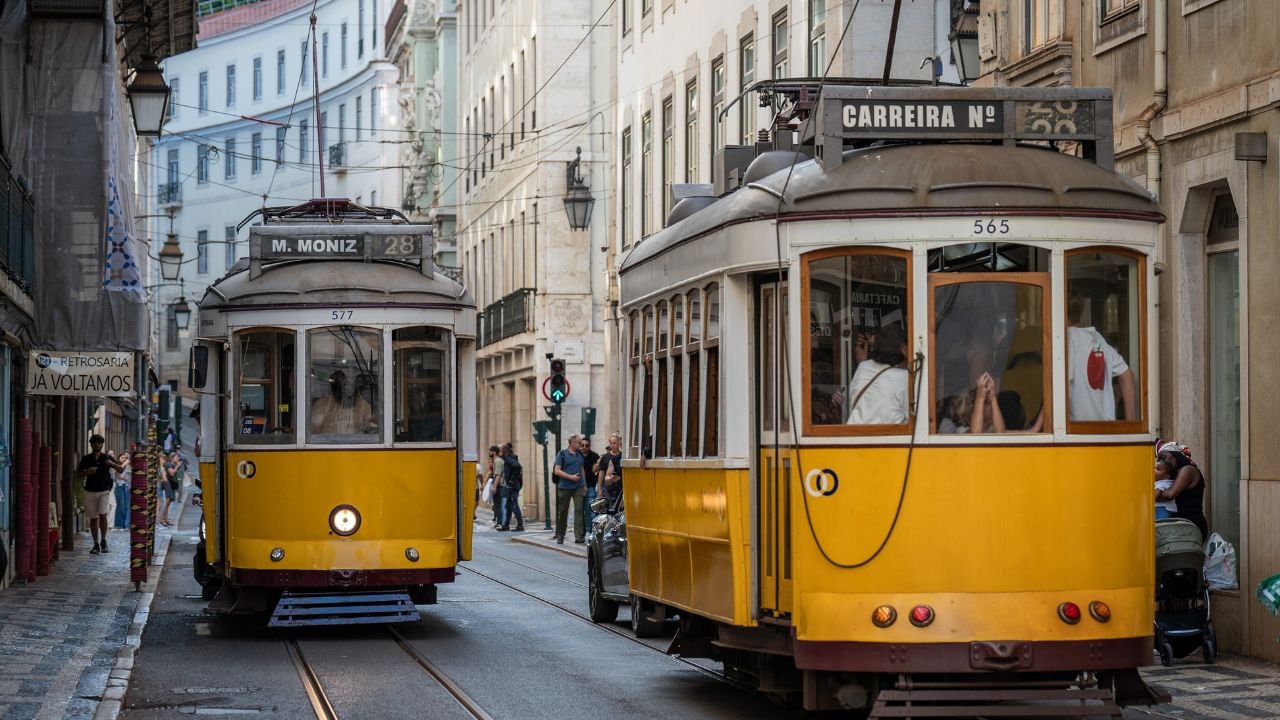
Alfama gives the weekend the old Lisbon texture immediately: narrow lanes, stone steps, tiled walls, laundry above windows, church bells, tram rails, and sudden openings where the Tagus appears below the roofs. It is also hilly enough to punish a rushed first morning, so start early and keep the route short.
Tram 28 runs between Graça and Prazeres, passing through historic neighborhoods and landmarks including the cathedral, Baixa, Chiado, and Estrela, according to Visit Lisboa. It is one of Lisbon’s classic rides, but it is also famous enough to get crowded, so early morning or a quieter time is better than treating it like a guaranteed calm experience.
After the ride or a short Alfama walk, choose one viewpoint and stay there for a few minutes. Portas do Sol and Santa Luzia give the classic view: red roofs below, church towers in the old quarter, cruise ships or ferries on the Tagus, and the city dropping downhill in layers. Sit with coffee nearby instead of rushing straight into another climb.
This first section should not become a mission to conquer every miradouro in the old town. Alfama is better in short loops: a lane, a tiled doorway, a railing with a river view, a small café, then another turn downhill. Save some legs for the rest of the weekend.
2. Give Belém a Morning for Pastries, Monuments, and River Space
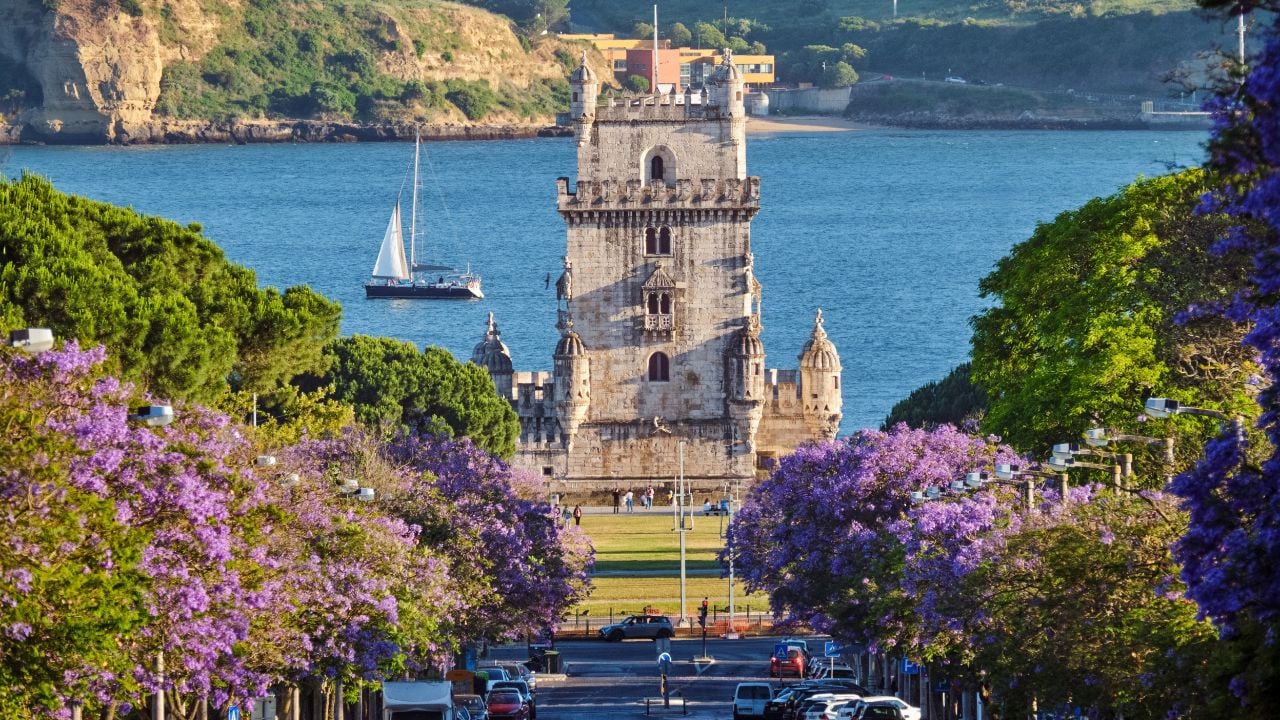
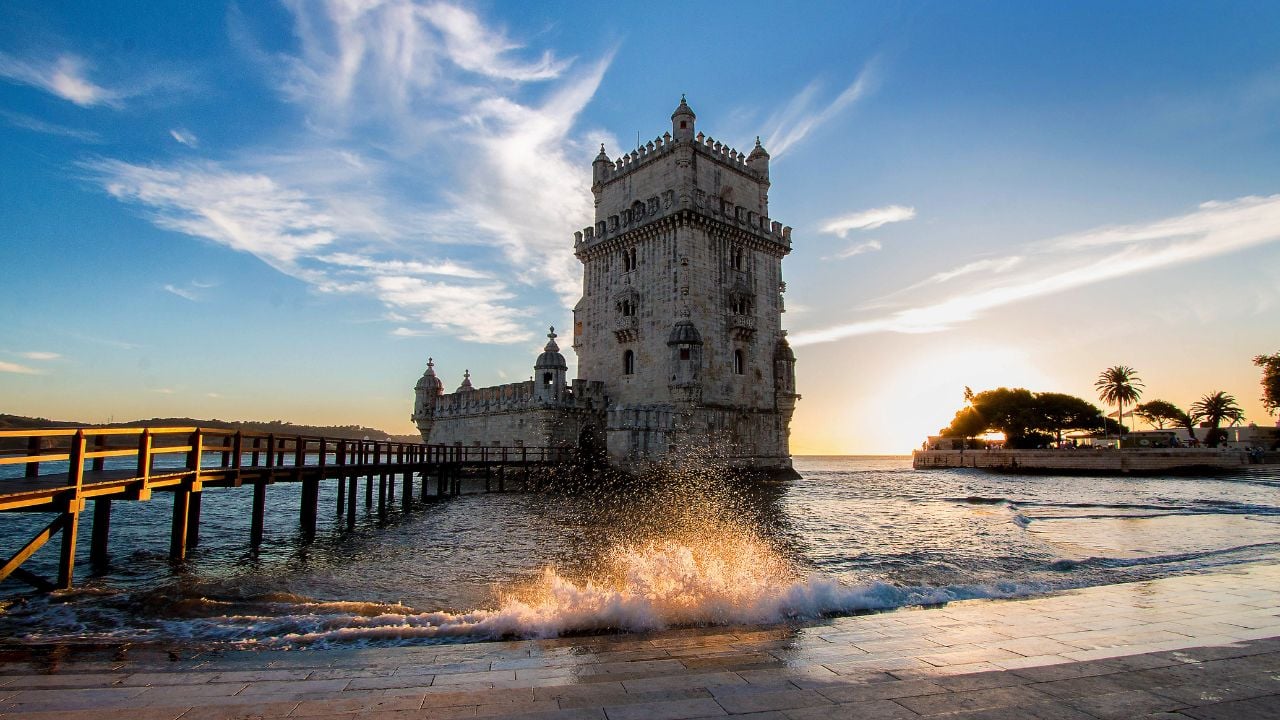
Belém is the right counterweight to Alfama because the walking is more open and the river is easier to follow. Instead of tight lanes and stair climbs, the morning has broad pavements, gardens, monument façades, and long views across the Tagus.
The Jerónimos Monastery and Tower of Belém form a UNESCO World Heritage property tied to Portugal’s maritime discoveries. UNESCO notes that the monastery’s construction began in 1502 and that the nearby tower commemorates Vasco da Gama’s expedition and the maritime discoveries that helped shape the modern world.
Start early if the monuments are part of the plan, especially in busy periods. Jerónimos and the tower can take more time than expected, so do not load the same morning with three more distant stops. Belém already has enough: monastery stonework, riverside paths, gardens, the tower, and the Monument to the Discoveries nearby.
The pastry stop belongs in the same morning. Pastéis de Belém says it began making the original Pastéis de Belém in 1837, following an ancient recipe from the Mosteiro dos Jerónimos. Eat one warm, then walk toward the river instead of turning the stop into only a queue and a sugar rush.
3. Use Chiado, Baixa, and Bica When the Hills Start Taking Over
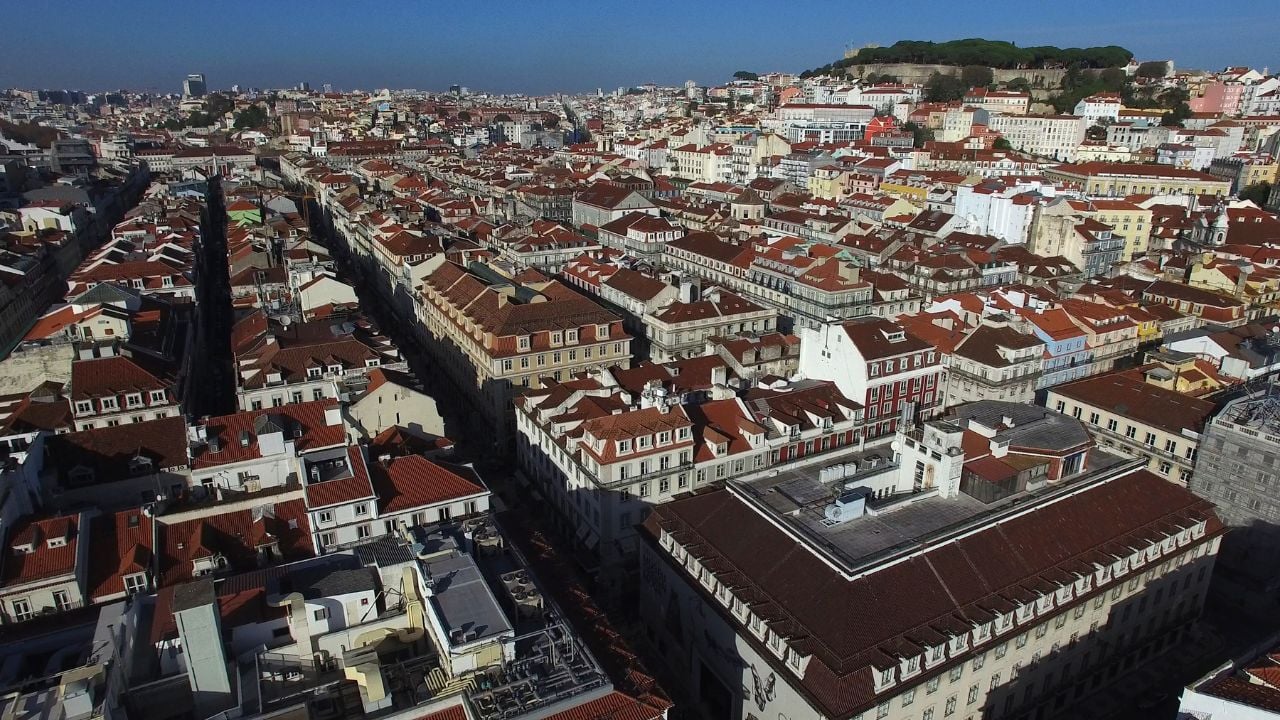
Chiado and Baixa are useful in the middle of the weekend because they put shops, cafés, squares, bookstores, restaurants, and transit close together. After Alfama’s lanes, Baixa’s grid is easier to understand, and Chiado gives the day a more polished stretch without leaving the center.
Use this area for the practical pause: browse a shop, stop for lunch, look at tiled façades, walk through a square, or sit down before climbing again. It is also a good place to adjust the day if heat, rain, or tired legs change the plan.
For a steeper Lisbon scene, head toward Bica or one of the funicular routes instead of forcing every climb on foot. Visit Portugal says trams are an ideal way to explore some of Lisbon’s historical and architectural areas or simply tour the city, which is useful advice on a short weekend.
The funicular and tram sections are not just transportation filler. They show the city’s slope in a way flat walking never can: rails cutting up narrow streets, yellow cars moving between tall buildings, people waiting near steep corners, and tiled façades pressed close to the track. Ride when it saves energy, then use that energy for dinner or a sunset walk later.
4. Pick One Sunset Plan: Graça, Senhora do Monte, or the River
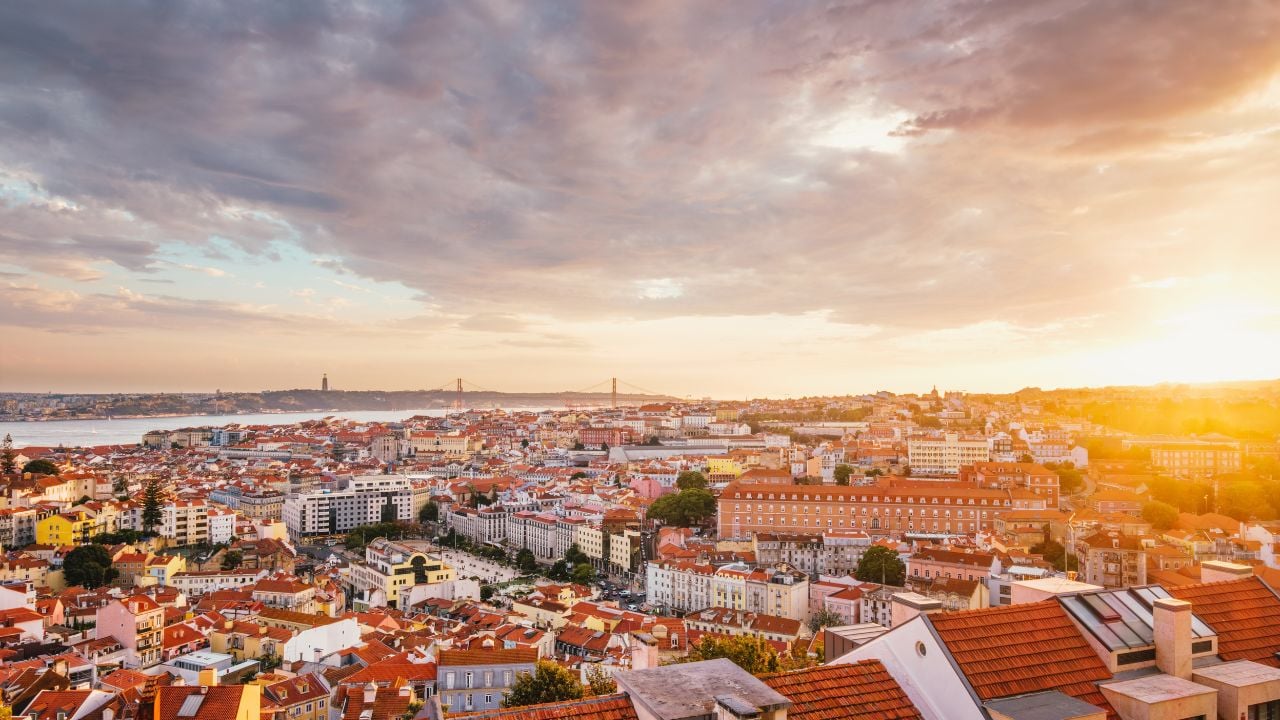
Sunset is where Lisbon tempts visitors into another mistake: trying to collect every viewpoint in one evening. Pick one. Graça and Senhora do Monte work for a higher view over rooftops, the castle, old neighborhoods, and the river. The waterfront works better if the day has already included enough stairs.
At Senhora do Monte, the city spreads below in a wide angle: red roofs, white walls, the castle, the 25 de Abril Bridge, and the Tagus catching the last light. Graça keeps the view closer to cafés and streets where dinner can follow without another long crossing.
If the legs are done, skip the climb and stay near the river. Walk toward Cais do Sodré, Ribeira das Naus, or another open stretch of waterfront, where the bridge, ferries, boats, and wide water carry the evening without another hill.
Clear evenings can bring crowds at the famous miradouros, so arrive with patience or choose a less ambitious plan. A bench, a drink nearby, and one good view are better than a sweaty race between viewpoints that all start blurring together.
5. End With Cais do Sodré, the Tagus, and One Last Sweet Stop
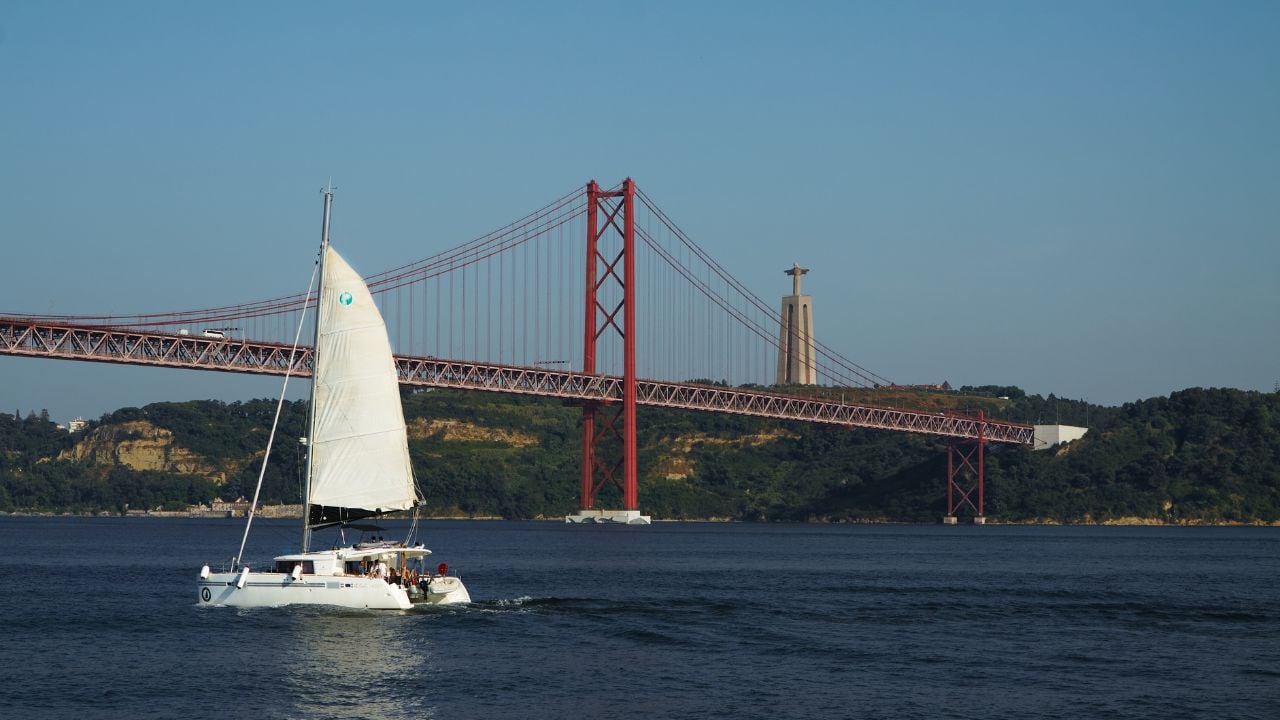
Cais do Sodré and the waterfront are a smart final stretch because they keep dinner, drinks, transit, river views, and a last walk close together. After two days of hills, that matters. Nobody needs to cross the city again just to prove the weekend had a dramatic ending.
Walk near the Tagus, look toward the 25 de Abril Bridge, watch ferries and boats move across the water, then choose food or a drink nearby. The open riverfront gives the trip a different shape from Alfama and Graça: fewer stairs, more sky, wider pavements, and room to slow down before departure.
Leave space for one last pastel de nata, coffee, or simple meal. It does not have to be a famous stop. A counter pastry, a small café table, or a final river walk can land better than adding another museum or viewpoint when the weekend is already full.
A strong Lisbon weekend is not about avoiding the hills. It is about using them carefully. Climb early, ride when needed, give Belém its own morning, choose one sunset view, and finish by the Tagus before the city turns into a list of places visitors were too tired to enjoy.