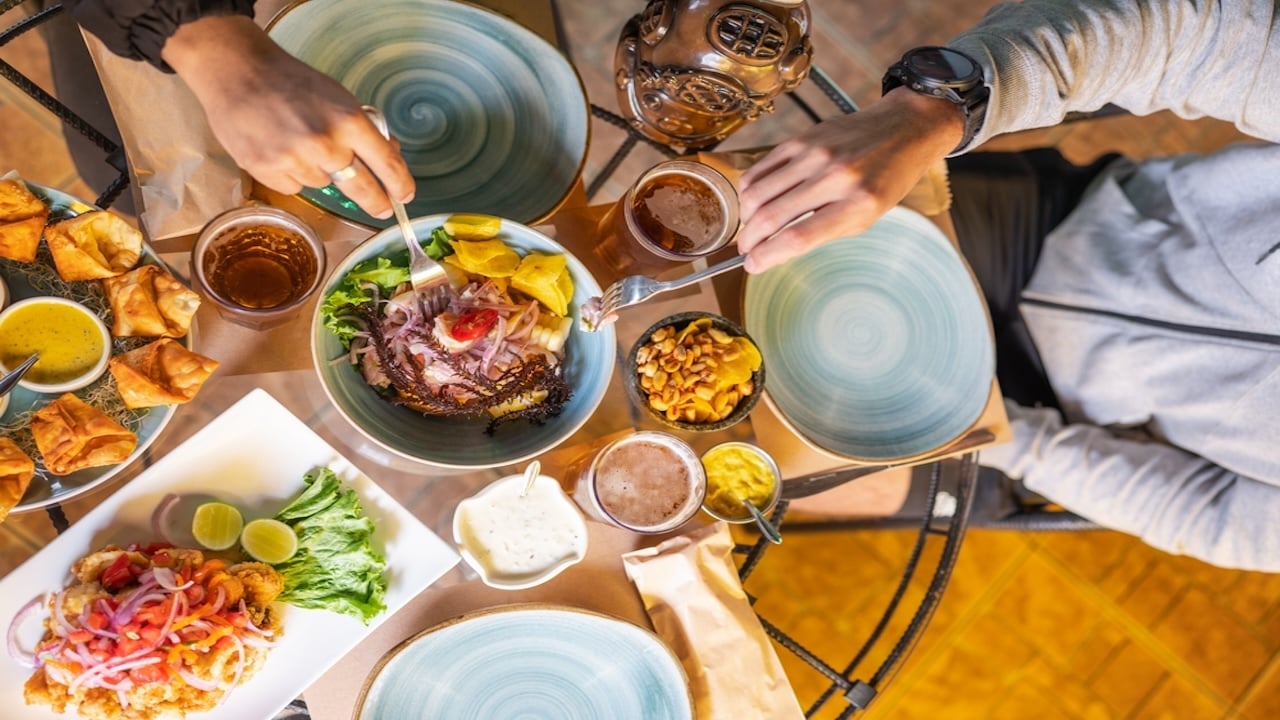
It’s no secret that Peruvian food consistently receives global recognition, food lovers come from all over the world to try dishes like lomo saltado, pollo a la brasa, or papa a la huancaína straight from the source. Many of the city’s top restaurants regularly show up on various “best restaurants in the world” lists, and Lima is home to many iconic Peruvian staples that you’ll find on menus worldwide.
Culinary tourism is one of Lima’s biggest draws, and this coastal city uses its geography to its advantage. Many dishes utilize the area’s fresh seafood, potatoes are brought in straight from the Andes, fresh fruit from the Amazon arrives daily, and you’ll find no shortage of wine pairings and tasty cocktails.
And better yet? You can try most of Lima’s unforgettable food experiences at a fraction of what you’d pay elsewhere. Here’s why the city is a must for anyone chasing world-class dining at down-to-earth prices.
A Foodie Mecca
Miraflores and Barranco are two of Lima’s most sought-after neighborhoods, so it’s no surprise that this area of the city is also home to many premier restaurants. The map is dotted with must-try options, such as Mayta, Isolina, La Mar, and Kjolle, a few of which are ranked among the best restaurants in the world. If you only have a few days in the city, you might want to arrive with a plan of attack so that you don’t miss anything. In this part of Lima, it’s impossible to run out of options for where to eat.
Alongside the dozens of fine dining establishments, you’ll also find dozens of neighborhood cafés and bakeries, which unsurprisingly serve up delicious specialty coffee and freshly-baked artisan bread. And if you are looking for something a bit more social, make sure to swing by Mercado 28, a trendy food hall where dozens of vendors serve up everything from fresh anticuchos to fun cocktails, making it a great place to spend an evening with friends.
Try Everything with Tasting Menus
Many of Lima’s top restaurants offer multi-course tasting menus that lean heavily on local Peruvian ingredients and come with wine pairings for each plate. Doing a tasting menu is a great way to make sure you don’t miss out on any of the best dishes, and the best part, these elaborate meals are served up at prices that will feel like a steal compared to Europe or North America.
The only catch is that you will need to make plans well in advance, as reservations at some of these world-renowned restaurants go fast. Once you have a chance to try these award-winning experiences, like Central’s ingredient list, which takes you on a journey through different Peruvian ecosystems, or Maido’s Nikkei-style tasting menu that fuses Japanese techniques with local seafood and produce, you’ll understand what the hype is all about.
The Best of Best Worlds
While most foodie tourists will no doubt want to make a few reservations at high-end restaurants, some of the city’s best bites are found in more casual spots or directly sold on the street. Ceviche is, of course, a Peruvian national obsession, and Lima’s many cevecherías are the best place to sink your teeth into a fresh bowl of it. With fishermen hauling in the fresh catch daily, your ceviche mixto or tiraditos from these local joints was probably caught just a few hours earlier.
For diehard ceviche lovers, it’s worth making a trip to La Punta in Callao, a quiet peninsula that juts out into the sea, just west of the Lima city center. Most of the restaurants in this area offer generous portions, lower prices, and seafood that has rarely traveled farther than the pier you can see from your table.
If you’re still hungry after lunch, stop into the nearby Mercado Central del Callao, a busy local market serving up things like choritos a la chalaca (steamed mussels topped with garlic) and panes con chicharrón (fried pork sandwiches), both favorites among the locals, and which go for just a couple of bucks.
Enjoy a Hands-On Experience
Another way to really take in Lima’s gastronomy is by signing up for a food tour or cooking class. Most tours include a stop at a local market and tastings of staples like ceviche, causa, or ají de gallina, and cooking classes will teach you practical skills so you can recreate your favorite Peruvian dishes once you get back home.
With prices much lower than what you’d pay for similar experiences in other food-oriented cities, it’s an easy way to learn about the special techniques that make Peruvian food so delicious. Plus, you’ll leave with both a full stomach and a few new recipes under your belt.
No Meal is Complete Without Pisco
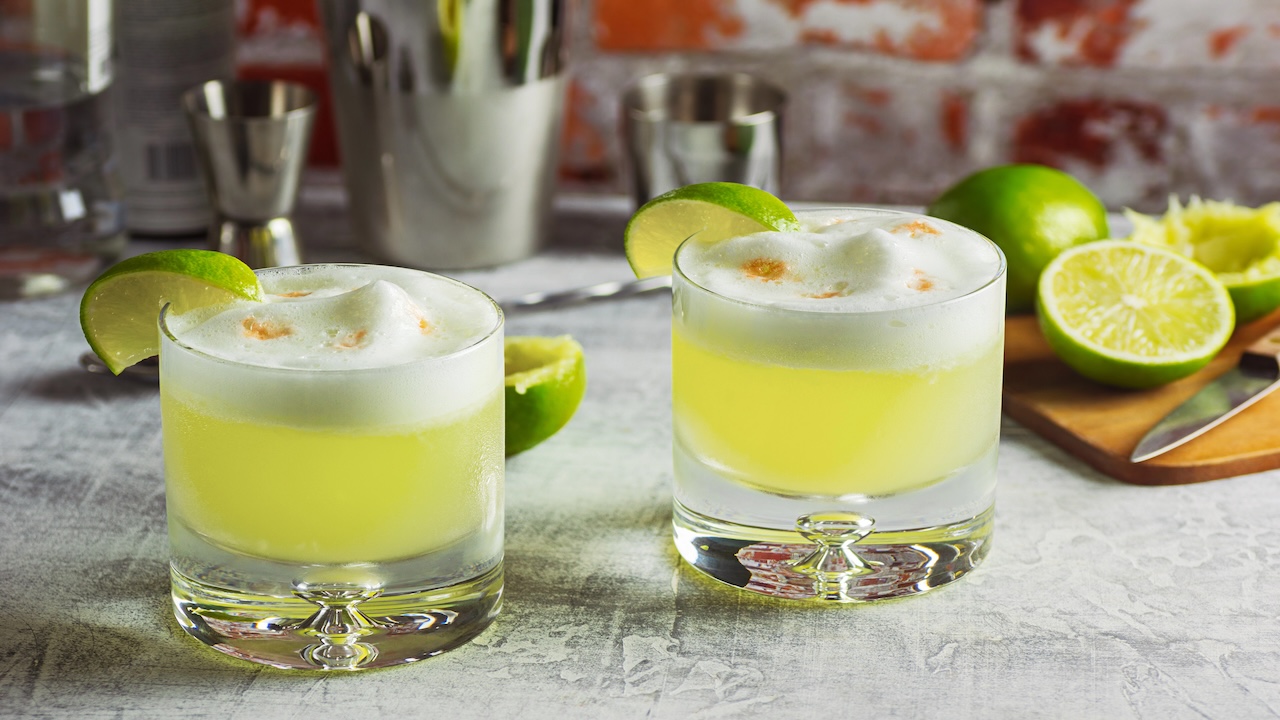
No trip to Lima is complete without trying the country’s pride and joy: pisco. Nearly every drink menu features cocktails made with this grape-based brandy, the most common being a pisco sour, a tart, creamy mix of pisco, lime juice, syrup, and egg whites, and sometimes topped with a sprinkle of cinnamon.
Many establishments put their own modern twist on pisco with creative cocktails popping up on cocktail menus across the city, left and right, particularly in the trendier bars in Barranco and Miraflores. If you want to drink like a local, go for a chilcano, a lighter blend of pisco, ginger ale, lime, and bitters, it promises to be refreshing and won’t break the bank. Either way, whether you’re sitting down to a tasting menu or grabbing street food, pisco is always a good call.
Bottom Line:
Both professional food critics and amateur foodies all end up saying the same thing about Lima: Not only are the dishes life-changing, but the value is unmatched. Here, you don’t need a huge budget to eat at a restaurant that ranks among the world’s best, and exploring the city’s local seafood markets and street food will allow you to eat incredibly well on the cheap. For travelers who care about food and price, Lima is the answer, just make sure to come hungry.