License To Grip: Aston Martin Taps Pirelli’s “Cyber Tyre” for Smarter, Faster Reactions
Aston Martin is giving its next-gen sports cars a bit of Q-Branch wizardry by adopting Pirelli’s Cyber Tyre — a sensor-packed setup that feeds live tire data straight into the car’s brain.
Translation: more grip when you need it, calmer stability control when you don’t, and fewer “Bond villain getaway” slides in the rain.
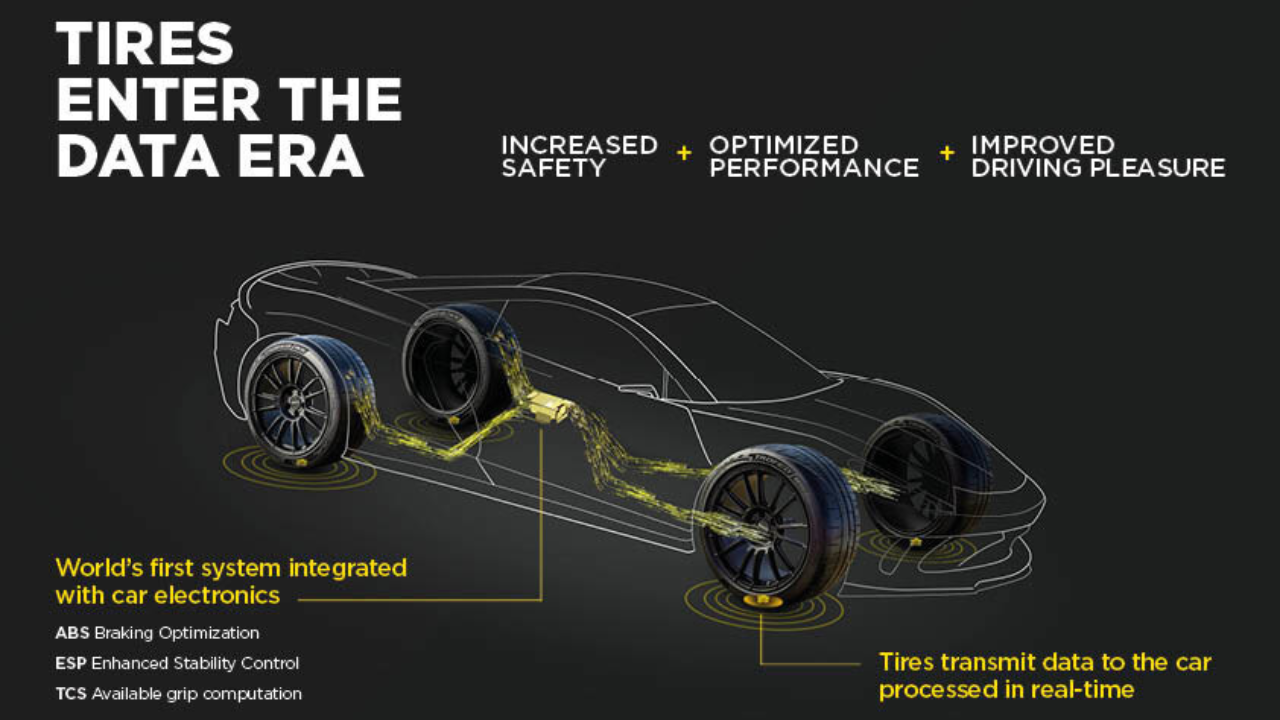
- Tiny sensors inside each tire send real-time data to the car’s control units to sharpen ESP, ABS, and traction control.
- The system is co-developed with Bosch Engineering, so it plugs neatly into Aston’s vehicle electronics from day one.
What Cyber Tyre Is — And Why Aston Cares
Pirelli’s Cyber Tyre is billed as the first intelligent tire system that collects data from sensors placed inside the tread, processes it with proprietary algorithms, and talks directly to the car’s electronics in real time. For Aston Martin, that means the chassis computers get a much richer picture of what the rubber is actually doing at the contact patch, so the car can adjust braking, stability, and traction strategies with greater nuance. Think of it as moving from “estimated grip” to “measured grip,” corner by corner.
If you’re hearing echoes of F1 tire whispers here, you’re not far off: live tire intel is a big deal in modern performance. And it fits Aston’s brief perfectly. The brand’s best cars blend performance, comfort, luxury, and the kind of reliability that makes them do-everything GTs — the ones you can drive daily to the office, devour a mountain pass with, and then glide home without a rattle. Smarter tires should help each of those personas. (Even 007 appreciates tech that works every time.)
How It Works, in Plain English (No Pressure… Okay, a Little)
Inside each tire sits a sensor that tracks key parameters, then fires data to an electronic control unit running Pirelli’s algorithms. Working with Bosch Engineering, the car fuses that info with its own yaw, wheel-speed, and brake sensors. The payoff is finer control of the big three helpers — ESP, ABS, and traction control — plus more accurate torque management when surfaces change mid-corner. It’s a grip with receipts, not guesswork.
From a driver’s seat perspective, the benefits should feel subtle but constant: cleaner launches, fewer intrusive nanny moments, and more confidence as conditions swing from dry to damp. And yes, we’ll absolutely make the rubber jokes: this is one “smart condom for your wheels” that actually makes going fast safer and smoother. (We’ll see ourselves out.)
Our Take: Smart Rubber, Shaken and Stirred
If you’re going to modernize a grand-touring icon, start where the car meets the road. Tires are the most critical “suspension component” you own, and giving them a voice in the control loop is a logical next step. The cool part is how Aston this feels: rather than chasing drama, the goal is to serve up speed with civility; the brand’s sweet spot. Expect calmer corrections, more substantial confidence in mixed weather, and a touch more polish when you’re hustling.
Two key watch items are cost and replacement complexity. High-end sensorized tires won’t be cheap at first, and we’ll want to see how seamlessly the tech migrates across future Aston models (and tire life cycles). But as with most good gadgets, prices tend to deflate over time. For now, consider this a high-grip preview of how luxury performance evolves; not louder, just smarter. And if anyone asks why your Aston feels so composed in the wet, tell them your tires have a license to spill… data.