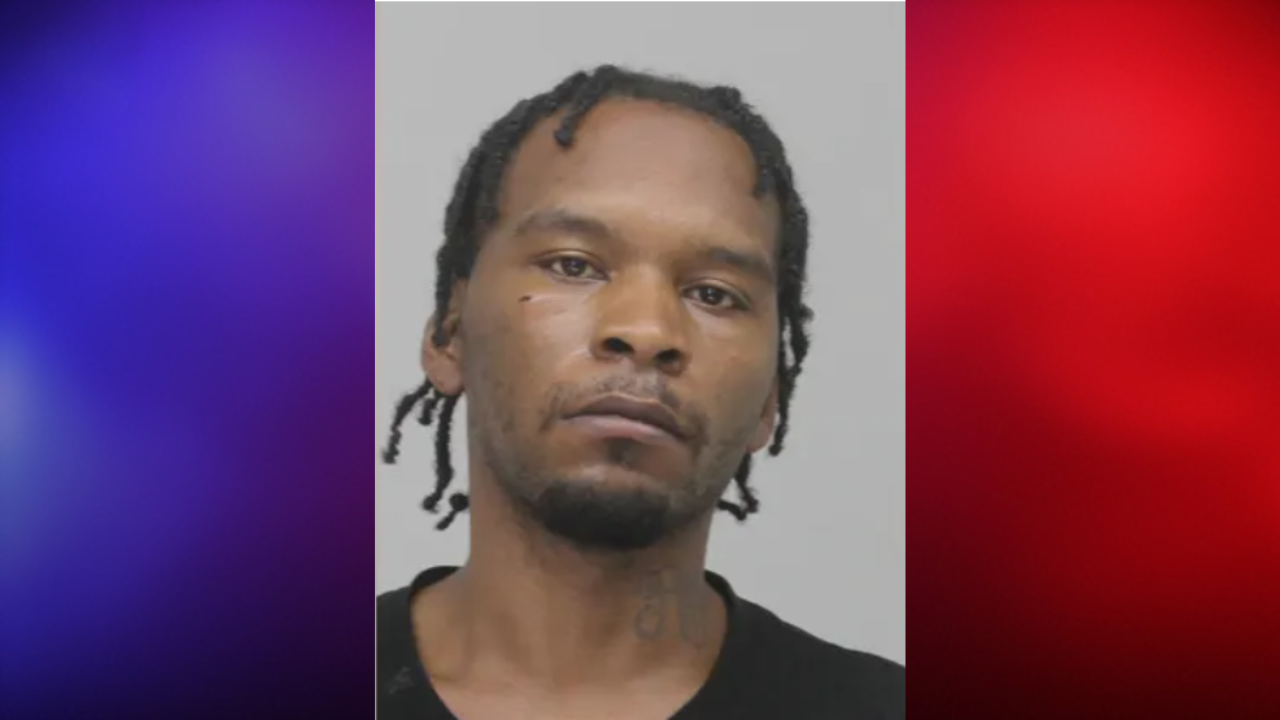
A 20-year-old woman was fatally shot during an armed robbery after investigators said her vehicle traveled alongside another car for roughly 23 miles across Dallas. License plate readers and cellphone location data helped police connect a suspect to the entire route.
32-year-old Terry Lockridge was arrested and charged with capital murder and aggravated robbery in connection with the August 25 killing of 20-year-old Aniya Edwards. An arrest warrant affidavit cited by FOX 4 Dallas shows investigators used multiple forms of digital evidence to link him to the robbery.
It all began at a music studio on Harry Hines Boulevard in Northwest Dallas, where witnesses said unfamiliar men showed up and people inside eventually left. Edwards and a passenger then left in her black Hyundai Elantra, unaware another vehicle was following behind them.
License plate recognition cameras picked up Edwards’ Hyundai and a black 2013 Dodge Dart traveling together at multiple points along the route. They eventually reached the West Virginia Apartments in South Dallas around 8:23 p.m.
A Deadly Robbery
Once the Hyundai arrived, Edwards’ passenger got out to grab a bag from the back seat containing a PlayStation 5, clothing, and other personal items, according to the affidavit. That’s when Lockridge approached with a gun and demanded the property.
The passenger dropped the bag and ran. While fleeing, they reportedly saw Lockridge fire into the Hyundai as Edwards tried to drive away. The car crashed into a fence near the apartment entrance, and Edwards was taken to Methodist Dallas Medical Center, where she later died from her injuries. The vehicle also struck a pedestrian during the crash, who was hospitalized in stable condition. When the passenger returned to the scene, the bag was gone.
Investigators Followed a Digital Trail
The license plate footage was only part of what connected Lockridge to the case. Dallas police had previously stopped him on April 18 while he was driving the same Dodge Dart.
Investigators would eventually obtain a search warrant for Lockridge’s T-Mobile cellphone records. Mapping that location data placed his phone near the Harry Hines music studio around 6:20 p.m., then showed it traveling the exact route with Edwards’ vehicle all the way to the West Virginia Drive apartments.
Was the Technology Used Justified?
People online were skeptical about how law enforcement caught Lockridge. One person expressed the upside of having these cameras, as they were able to locate a stolen tag and vehicle because of them.
Another raised more questions and pointed out that investigators needed a warrant to access Lockridge’s cellphone records and argued the same warrant requirement should apply to the use of Flock cameras.
Others argued that since the cameras didn’t prevent the crime from happening in the first place, using this case as an example of why the systems are worthwhile doesn’t hold up.
All of this evidence gave investigators enough to tie Lockridge directly to the incident. He remains held in the Dallas County Jail while homicide detectives continue the investigation.