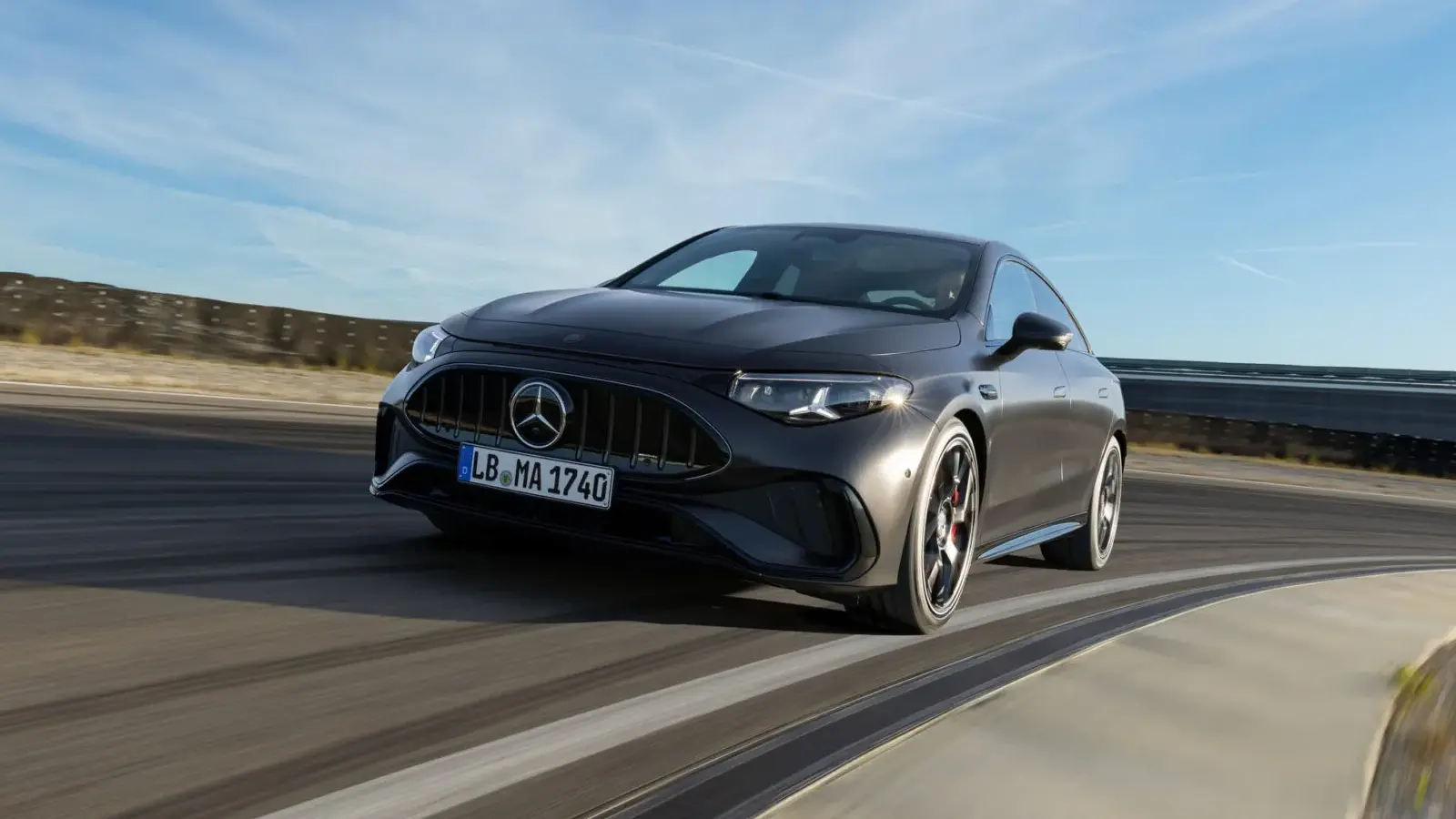
Mercedes-Benz is unmistakably German, but nearly one-fifth of the company’s shares are held by two major Chinese investors. That ownership structure has unexpectedly put the luxury automaker in the middle of a U.S. legislative fight over Chinese involvement in the auto industry.
The issue stems from proposed legislation intended to tighten restrictions on vehicles connected to China. One provision would prevent automakers with more than 15% Chinese ownership from selling vehicles in the United States.
Mercedes-Benz currently sits above that threshold. BAIC Group owns 9.98% of the German automaker, while Chinese businessman Li Shufu holds another 9.69% through Tenaciou3 Prospect Investment Limited, according to Mercedes-Benz’s latest published shareholder data.
That raised the remarkable possibility that legislation aimed primarily at Chinese automotive interests could also catch Mercedes-Benz. However, Senator Bernie Moreno, one of the bill’s sponsors, says lawmakers don’t intend to let that happen.
Mercedes Is Above The Proposed Limit

Combined, Mercedes-Benz’s two major Chinese shareholders account for nearly 20% of the company. Both stakes are individually below 10%, but together they would put Mercedes beyond the proposed 15% threshold.
The bill cleared the Senate Commerce Committee in July and has attracted bipartisan support. Reuters reports that a companion measure in the House has surpassed 100 co-sponsors, although the Senate’s attempt to secure expedited approval has been delayed.
Mercedes isn’t the only established European automaker potentially affected by the legislation as written. Aston Martin has significant investment from China’s Geely, while Volvo Cars and Lotus have even stronger ownership connections to the Chinese group.
Lawmakers Don’t Want Mercedes Caught In The Ban
Moreno made the intended outcome clear when discussing Mercedes with Reuters on September 29. “What we’re not going to do, obviously, is ban Mercedes-Benz vehicles in America,” he said, while acknowledging concerns about whether the automaker could reduce Chinese ownership below 15% without harming the company.
There has since been further movement. Reuters reported on September 30 that Moreno said the final version of the legislation will exempt Mercedes-Benz, although exactly how that exemption will ultimately be structured remains part of the legislative process.
Senator Rand Paul has opposed the measure in its current form, arguing that it unfairly targets Mercedes-Benz. His objection prevented supporters from securing the unanimous consent needed to move the legislation through the Senate on an expedited basis before the chamber’s recess.
The Bill Isn’t Finished Yet

Supporters are now expected to pursue Senate approval after lawmakers return in November, with the goal of passing legislation before the end of 2026. Until Congress approves final language and it becomes law, the precise treatment of Mercedes-Benz and other foreign automakers with Chinese shareholders isn’t settled.
The legislation is intended to make existing U.S. restrictions on Chinese-connected vehicles permanent and expand safeguards against Chinese influence in the automotive sector. Supporters cite national security and automotive industry concerns, while China has previously criticized U.S. restrictions as unfair suppression of Chinese companies.
However, in regard to Mercedes-Benz, lawmakers are now signaling a clear direction. With nearly 20% Chinese ownership, the German carmaker is above the proposed numerical threshold, but Congress isn’t intending to use that threshold to push the brand out of American showrooms.