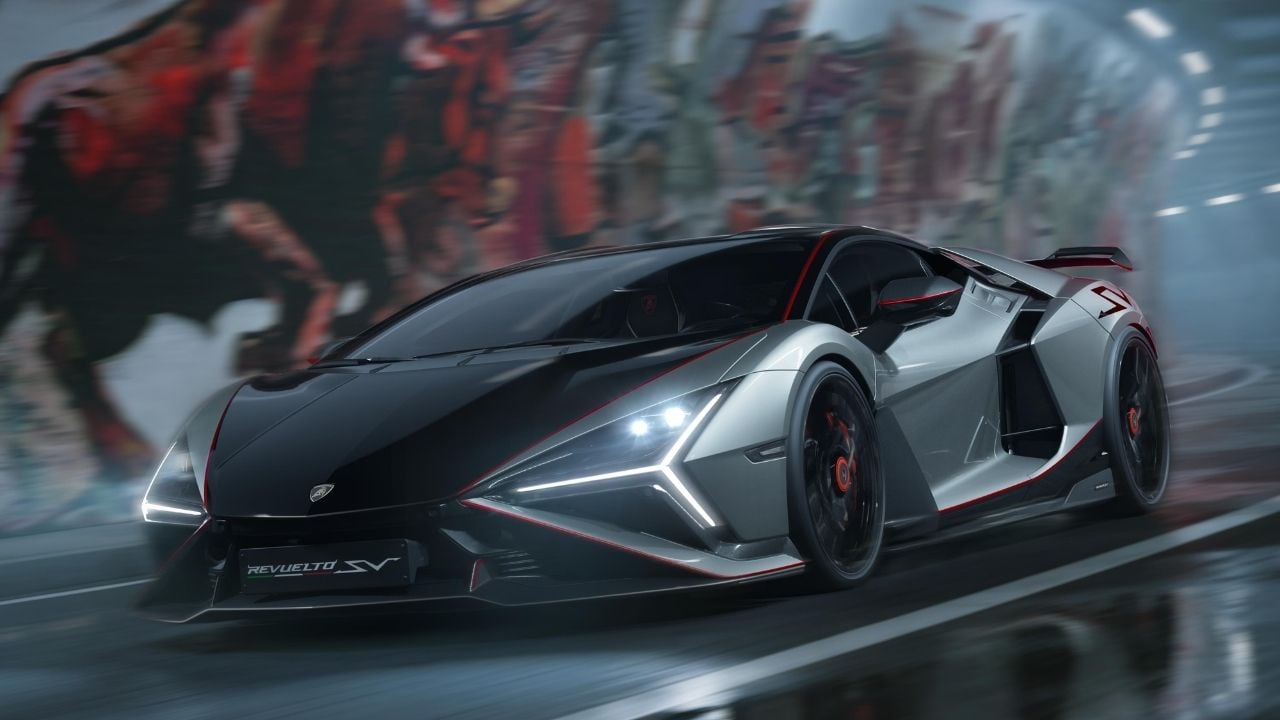
Chinese automakers are producing some astonishingly powerful performance cars, but Lamborghini CEO Stephan Winkelmann isn’t losing sleep over them. Despite increasingly outrageous horsepower figures and acceleration claims, he believes China’s electric supercars still lack some of the qualities that make a Lamborghini special.
Speaking with Auto Express at the 2026 Goodwood Festival of Speed, Winkelmann was asked whether he’s lost any sleep over the emerging Chinese automakers building some seriously fast cars. His answer was straightforward: “We don’t see this as a threat.”
His reasoning largely comes down to powertrains. Most of China’s headline-grabbing supercars are electric, while Lamborghini stays committed to combustion engines paired with plug-in hybrid technology.
Winkelmann believes that distinction gives Lamborghini something enormous horsepower figures can’t necessarily replicate. Chinese manufacturers, he argued, currently can’t compete with Lamborghini when it comes to “the performance of our cars, the sound and the emotion.”
China Is Producing Some Seriously Fast Cars
The comments come as Chinese manufacturers push rapidly into territory traditionally occupied by European exotic-car brands. Denza, for example, recently unveiled the Z, an electric performance car claimed to produce a staggering 1,583 hp.
Denza says the Z can accelerate from 0-62 mph in under two seconds and potentially reach 217 mph. BYD’s YangWang brand has also demonstrated that Chinese automakers are increasingly interested in chasing supercar performance rather than limiting themselves to mainstream EVs.
Those numbers certainly deserve attention. Still, Lamborghini’s argument is that performance statistics represent only one part of what customers expect when spending supercar money.
Sound, mechanical character, throttle response, and the drama surrounding an exotic combustion engine are central to Lamborghini’s identity. That’s particularly relevant when the company still has a V12 powering its flagship Revuelto, even if electrification now plays an important supporting role.
Lamborghini Isn’t Ready For A Full EV
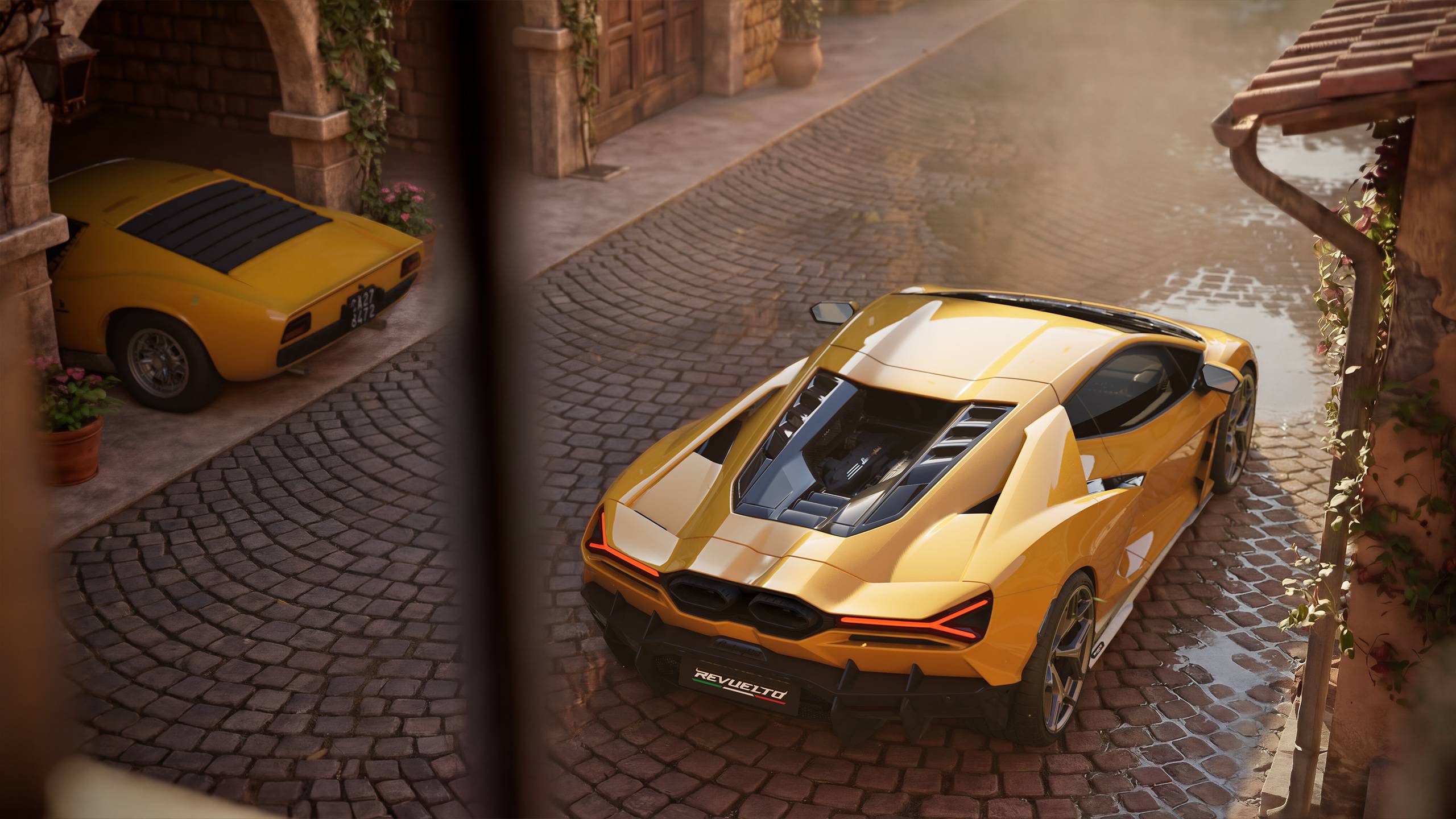
Lamborghini previously planned to introduce its first fully electric production vehicle before the end of this decade. Those plans have since been pushed beyond 2030 as the company reassesses customer demand and the maturity of EV technology.
Winkelmann said he feels “very well” about delaying the company’s first EV, adding that customers have supported the decision. Lamborghini will instead concentrate on plug-in hybrids while keeping combustion engines alive for as long as regulations and market conditions allow.
Product director Stefano Cossalter has also said that any future electric Lamborghini would need to be a “masterpiece in terms of performance.” Simply producing another extremely powerful EV clearly isn’t enough for the company.
Chinese Supercars Aren’t Standing Still
Lamborghini may have another reason to keep watching China, however. Not every Chinese performance project will rely exclusively on batteries.
Great Wall Motor has been developing a mid-engined supercar powered by a 4.0-liter twin-turbocharged V8 paired with a plug-in hybrid system. It will use a carbon-fiber monocoque and target established European exotics such as the Ferrari SF90 Stradale.
A Chinese supercar combining competitive performance, an internal-combustion engine, and sophisticated chassis engineering could present a different challenge from today’s ultra-powerful EVs.
Performance Isn’t The Whole Supercar Equation
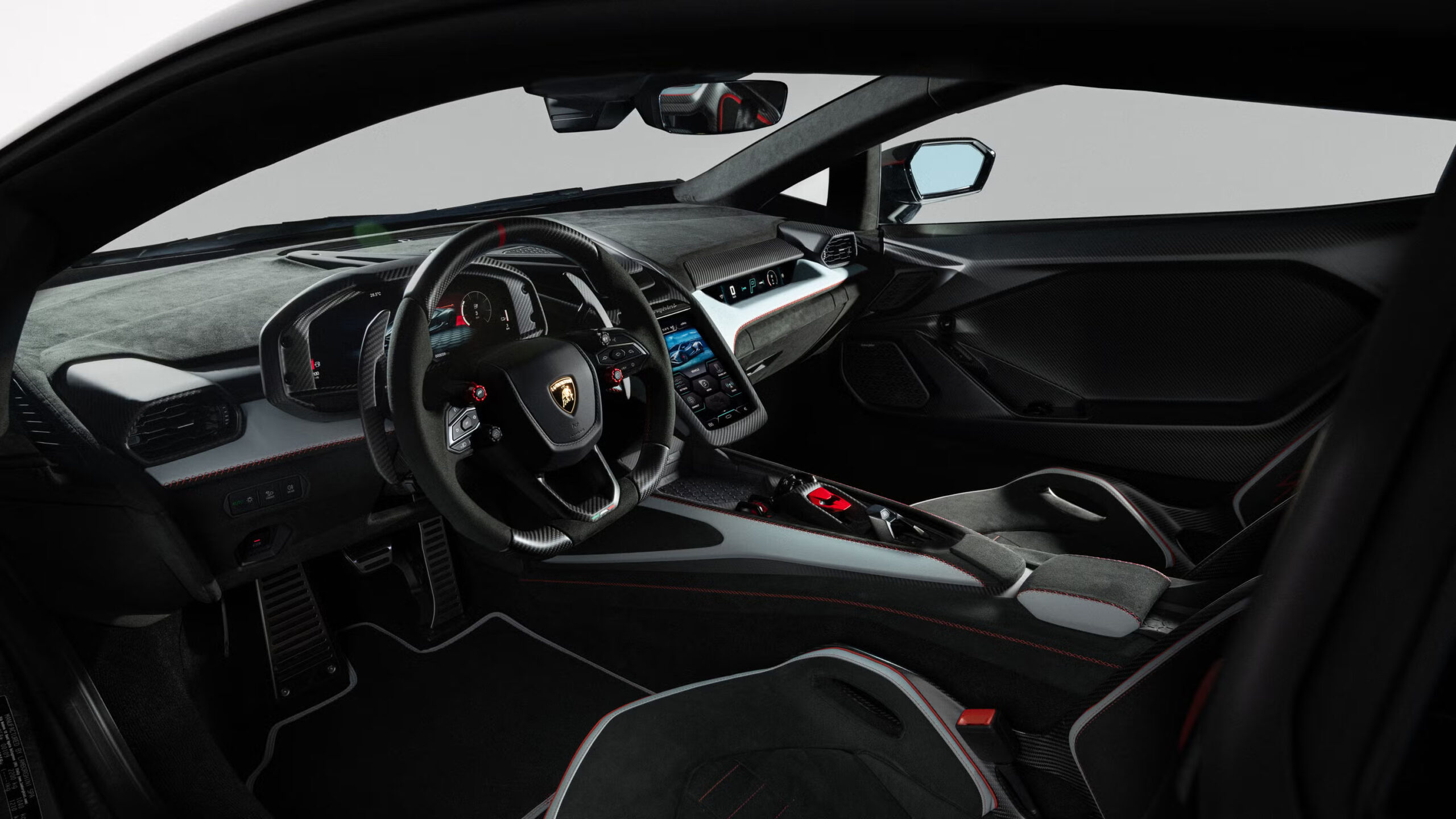
Winkelmann didn’t completely dismiss the possibility of Chinese manufacturers eventually becoming serious competitors. Asked about the future, he acknowledged that circumstances can change, adding: “I always say, never say never.”
That caveat is important, as Chinese automakers have demonstrated an ability to develop vehicles and technology remarkably quickly, and today’s relatively unknown performance brands could become considerably stronger over the coming decade.
For now, Lamborghini is betting that customers still want the noise, theater, and mechanical character associated with an Italian supercar rather than simply the quickest acceleration figure. China can already build cars with outrageous numbers; convincing traditional supercar buyers that they have the personality to match may be the considerably harder task.