
Kia is once again facing legal trouble over engine problems, this time involving more than 137,000 Soul and Seltos models equipped with 2.0-liter four-cylinder engines. A class action lawsuit tied to a 2025 recall will now move forward after a judge denied Kia’s attempt to have the case dismissed.
The recall affects 2021-2023 Kia Soul and 2021-2023 Kia Seltos models built with engines supplied by Kia Autoland Hwaseong. According to Kia, improperly manufactured piston oil rings could lead to excessive oil consumption, abnormal engine noise, stalling, or even complete engine failure.
At the time the recall was announced, Kia acknowledged four known engine fires linked to the issue. Dealers were instructed to install piston oil ring noise-sensing software and replace engines if diagnostic trouble codes indicated damage.
Despite those repairs being approved by regulators, one vehicle owner argues the recall does not go far enough. That complaint has now opened the door for a lengthy legal battle that could continue for years.
Lawsuit Claims Recall Did Not Truly Fix The Problem
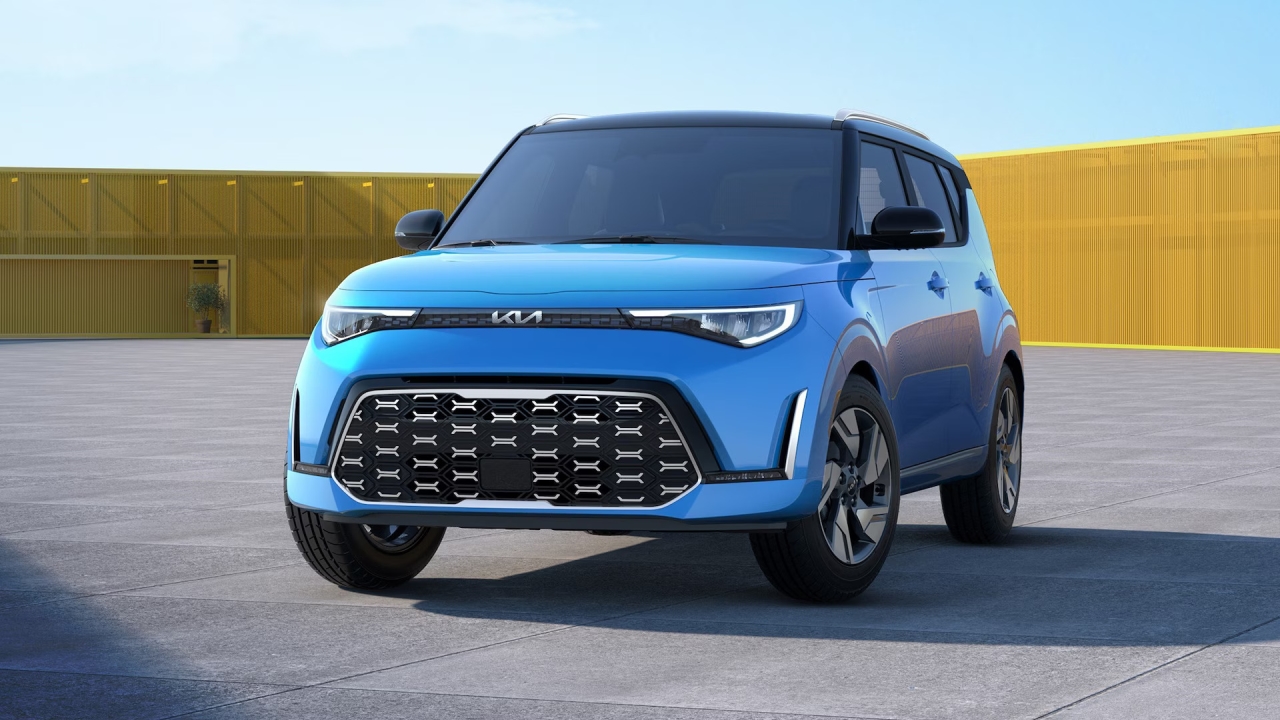
The lawsuit was filed by Florida resident Eric Jasinski, who owns a 2021 Kia Soul. Interestingly, Jasinski does not claim his own vehicle has actually suffered engine failure or any mechanical problems tied to the recall.
Instead, the plaintiff argues the recall itself has damaged the value of the vehicle and created ongoing concerns about future reliability. According to the lawsuit, the Soul is now effectively “worthless” because of the defect and uncertainty surrounding long-term repairs.
Jasinski also argues the recall process wastes owners’ time and fails to guarantee permanent fixes. The complaint points out that replacement engines still use similar designs, even if the piston oil rings now come from a different supplier.
The lawsuit seeks more than $5 million in damages despite the plaintiff continuing to drive the vehicle without reported engine trouble.
Kia Tried To Have The Case Dismissed
Kia pushed back aggressively against the lawsuit and filed a motion to dismiss the case entirely. The automaker argued the plaintiff had not suffered any real injury because his Soul had operated normally for more than four years with only routine maintenance visits.
The company also argued the claims were largely hypothetical. Kia noted there was no evidence proving replacement engines would fail in the future or that the recall process itself was ineffective.
Kia’s position was strengthened by findings from the National Highway Traffic Safety Administration. According to the NHTSA, the recall remedy and repair process were deemed appropriate and effective for addressing the piston oil ring defect. Even so, the court allowed the lawsuit to continue.
Judge Says Allegations Must Be Treated As True
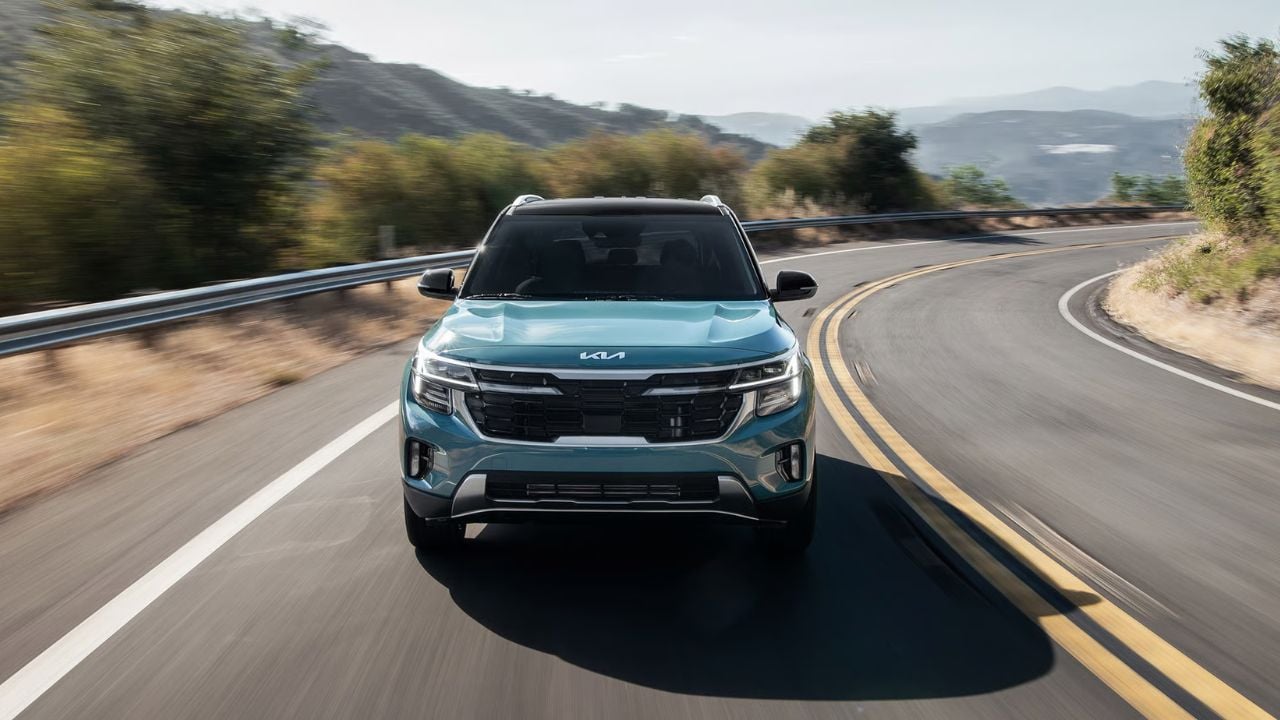
Judge John Milton Younge denied Kia’s motion to dismiss, explaining that courts must temporarily accept allegations as true during the early stages of litigation. That does not mean the plaintiff has proven the claims, only that the lawsuit has met the minimum legal threshold to proceed.
The judge stated that “all well-pled allegations in the complaint are accepted as true and viewed in the light most favorable to the plaintiff.” In other words, the court is not yet deciding whether the claims are correct, only whether they are plausible enough to continue.
That decision means Kia must now continue defending itself in court rather than ending the case early. It also increases the likelihood of a prolonged legal process involving additional evidence, expert testimony, and potentially more plaintiffs.
Some Owners Still Report Engine Problems
While the current plaintiff has not experienced engine failure himself, some owners of affected Soul and Seltos models continue reporting issues online and through NHTSA complaints. Reports include excessive oil consumption, engine knocking, loss of power, and outright engine failures.
Several owners have also complained about difficulties obtaining warranty coverage or engine replacements. Some claim dealerships denied repairs despite Kia’s 10-year or 100,000-mile powertrain warranty.
The controversy also revives memories of Kia’s previous engine-related recalls. In 2019, hundreds of thousands of Kia Soul models were recalled due to connecting rod failures that could puncture the engine block and increase fire risks.
Another Headache For Kia

Kia has spent years rebuilding its reputation through stylish designs, competitive pricing, and strong warranty coverage. However, recurring engine issues continue to create headaches for the automaker, especially in the United States.
At this stage, the lawsuit moving forward does not mean Kia has lost the case. The company may still ultimately prevail, particularly given the plaintiff’s lack of personal engine failure and the NHTSA’s support of the recall process.