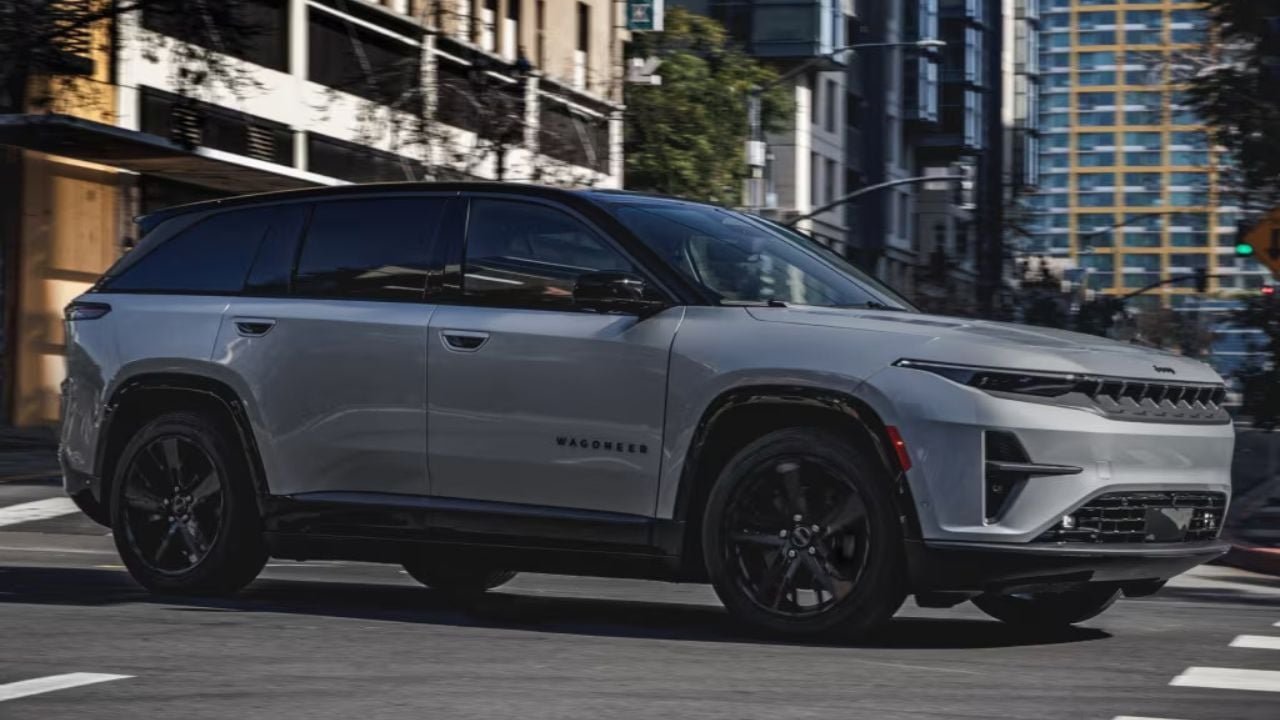
Jeep’s electric transition is starting to look less like a straight line and more like a series of corrections. The Wagoneer S arrived as a major statement vehicle for the brand, but its first full stretch on the market has exposed how hard it still is to turn EV ambition into steady demand in the United States.
The model’s launch initially looked encouraging. Jeep sold 10,426 Wagoneer S units in the first nine months of 2025, giving Stellantis reason to believe its first U.S.-bound electric Jeep had found some momentum.
That momentum did not last. After the federal EV tax credit disappeared in late 2025, Wagoneer S sales fell to just 613 units from October 2025 through March 2026, including only 175 sales in the first quarter of 2026.
Now Jeep is responding with a pause instead of pretending nothing is wrong. The Wagoneer S will skip the 2026 model year and return for 2027 with meaningful upgrades aimed at making the SUV easier to live with in the real world.
A Pause Instead Of A Push
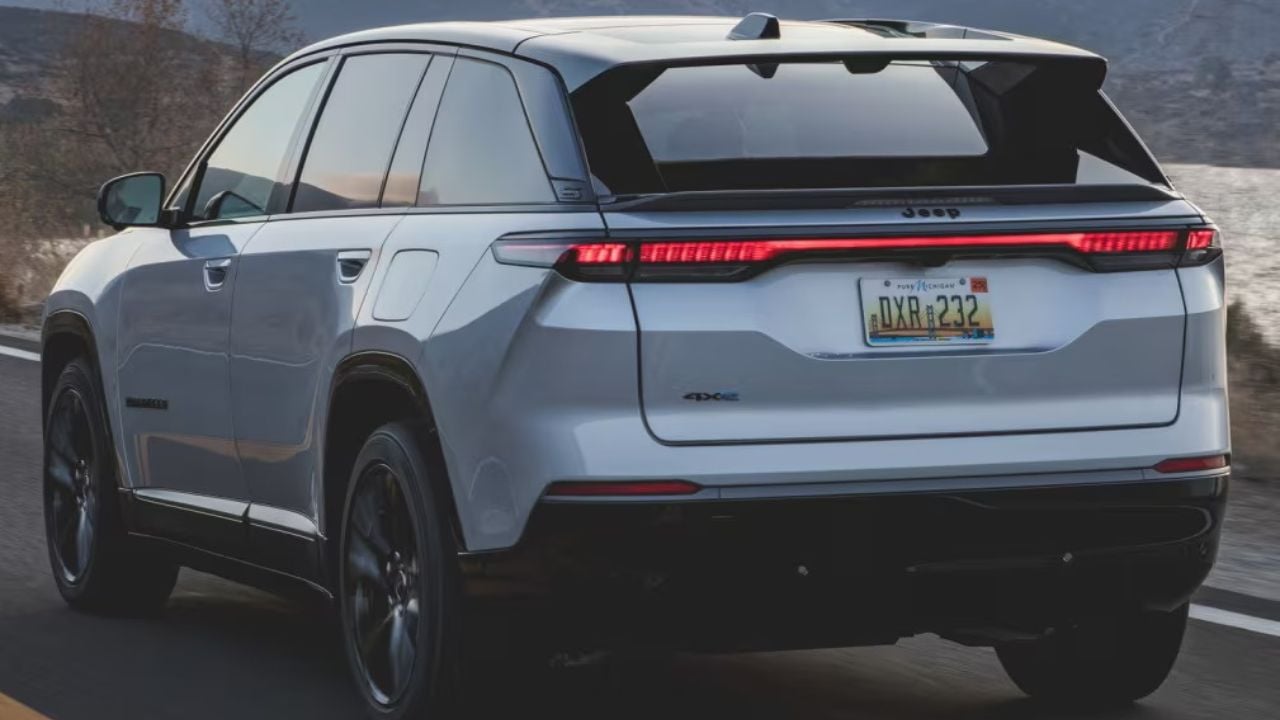
Jeep’s official explanation is that it is pacing production to support future improvements in battery performance, software, and overall capability. That wording may sound polite, but the meaning is clear enough: the current formula has not matched the market as strongly as Stellantis hoped.
That matters because the Wagoneer S was never meant to be a side project. It was launched as Jeep’s first global battery electric vehicle and positioned as a premium SUV that could combine American style, strong straight-line performance, and a more modern digital experience.
Instead, the market gave Jeep a harsher answer. By early 2026, the model had become one of the slowest-selling new EVs in the country, which is why the decision to skip a full model year now looks more like damage control than routine product planning.
Why The 2027 Return Matters More
The biggest expected change is charging. Jeep says Stellantis will adopt the North American Charging Standard starting in early 2026, and multiple reports say the returning 2027 Wagoneer S will carry a native NACS port, giving it direct access to Tesla’s Supercharger network without the awkward workarounds that still complicate EV ownership for many buyers.
That is not a small upgrade. In the U.S. market, charging convenience often matters as much as range or horsepower, and the ability to plug directly into Tesla’s network could make the Wagoneer S feel far more usable than it does today.
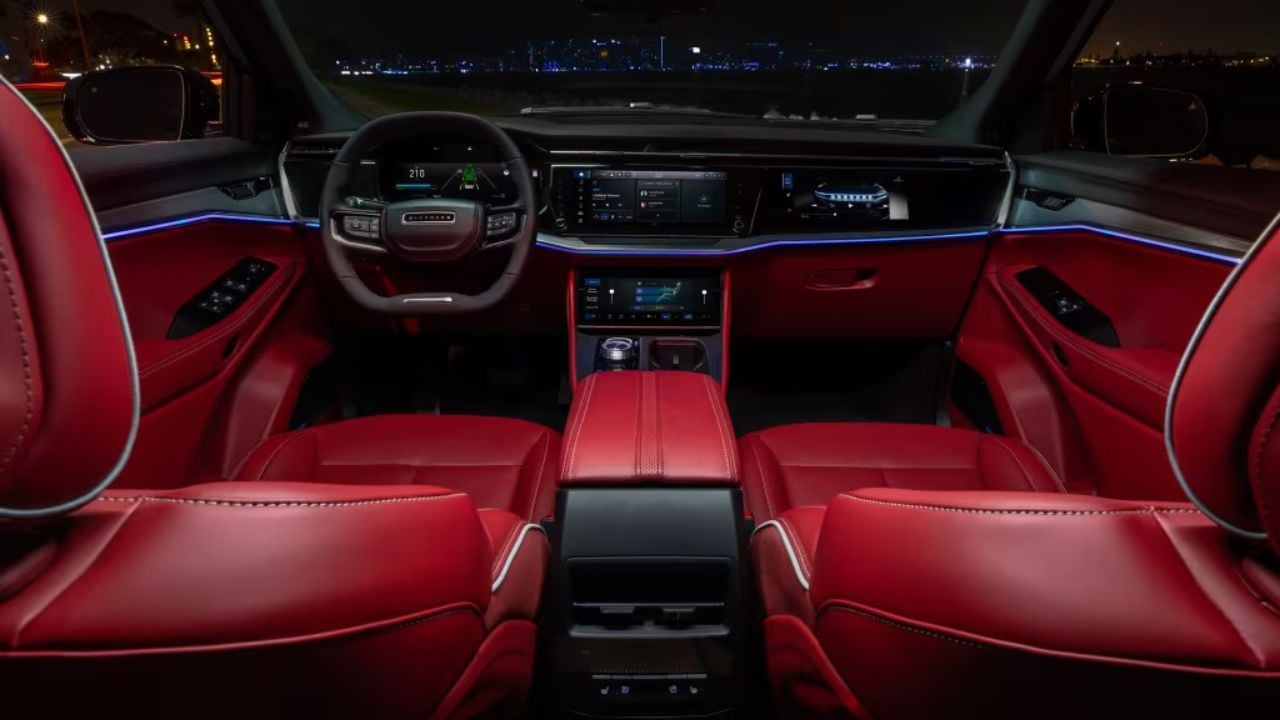
Jeep is also promising broader improvements in battery behavior, software, and capability. The company has not yet published full 2027 specs, but the fact that it is using the pause for deeper revisions rather than a cosmetic refresh suggests it understands the problem goes beyond simple awareness.
Big Numbers Were Never The Real Problem
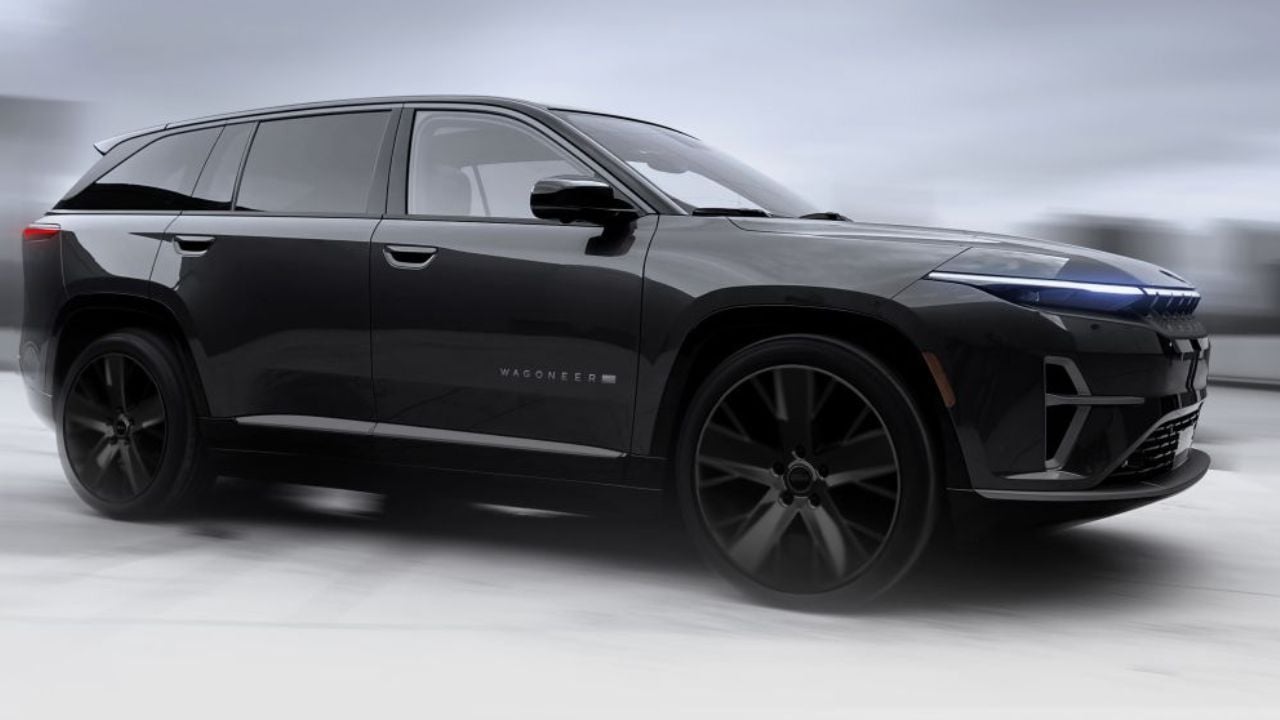
On paper, the current Wagoneer S still looks competitive. The 2025 Launch Edition starts at about $72,200 including destination, makes 600 hp, reaches 60 mph in 3.4 seconds, and offers an EPA-rated 294 miles of range.
The less aggressive Limited trim brings the price down to about $67,200 including destination and still delivers 500 hp with a 0 to 60 mph time of about 4.0 seconds. In pure performance terms, that is more than enough for a midsize luxury EV.
But this episode shows that strong output is no longer enough by itself. Buyers want a more convincing blend of price, software polish, charging access, and long-term practicality, and right now the Wagoneer S has not offered that mix as clearly as rivals and newer market expectations demand.
That is why the Wagoneer S now feels like more than a single troubled launch. It has become a useful snapshot of where the industry stands today, caught between EV ambition and buyer reality, and its 2027 return will say a great deal about whether Jeep and Stellantis have actually learned from the first attempt.
This article originally appeared on Autorepublika.com and has been republished with permission by Guessing Headlights. AI-assisted translation was used, followed by human editing and review.