
Tuscany has long been seen as the ultimate Italian dream, famous for rolling vineyards, stone villages, and postcard-perfect countryside. However, its global popularity has driven prices higher and filled many towns with crowds, tour buses, and luxury accommodations. Across Italy, there are lesser-known towns that offer equal or even greater beauty, deeper authenticity, and significantly lower costs. These destinations preserve Italy’s charm while allowing travelers to experience daily life without the premium price tag.
From dramatic coastlines and mountain villages to medieval hill towns and seaside communities, these places showcase Italy at its most genuine. Accommodation, food, and transportation often cost half of what visitors pay in Tuscany’s hotspots. Many of these towns remain rooted in tradition, with fewer tourists and a slower pace of life. For travelers seeking beauty, culture, and value, these Italian towns offer a compelling alternative.
Alberobello, Puglia
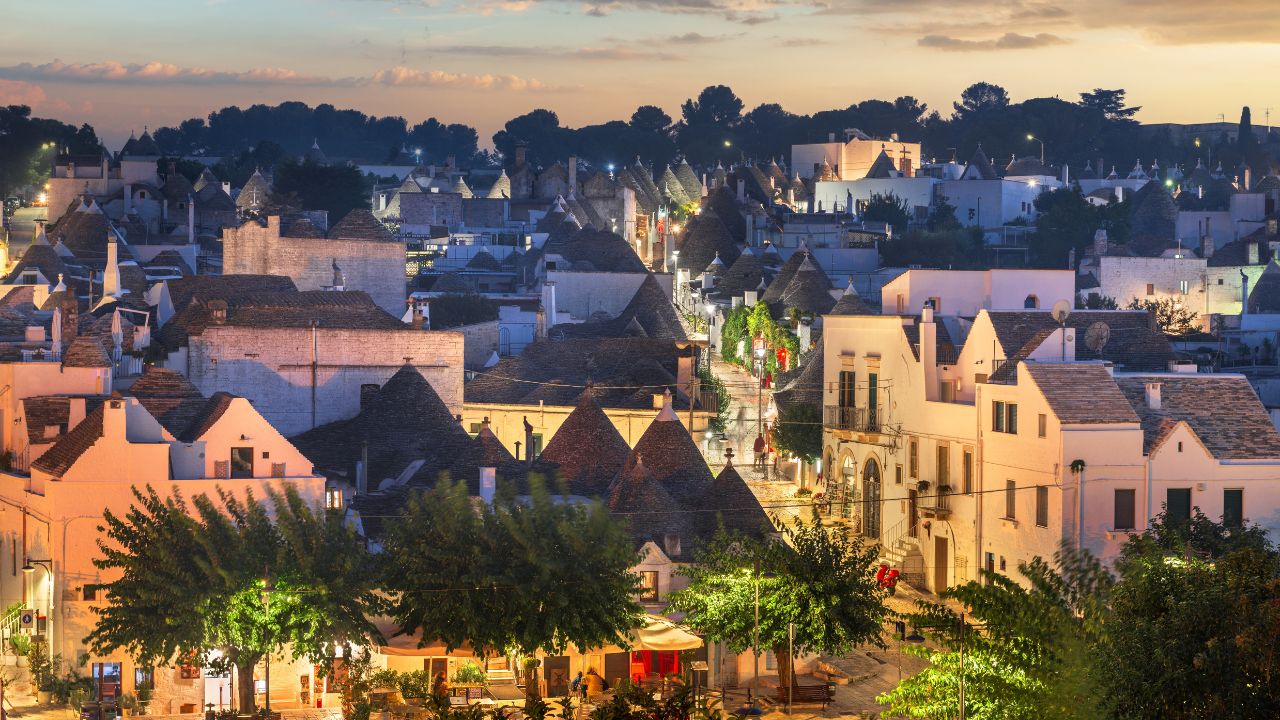
Alberobello is famous for its unique trulli houses, with whitewashed stone walls and cone-shaped roofs that create a fairy-tale atmosphere. The town feels intimate and walkable, allowing visitors to explore its winding streets without crowds or stress. Accommodation prices remain affordable compared to Tuscany’s hill towns, even within the historic center. Local restaurants serve traditional Puglian dishes at prices that reflect everyday Italian life rather than tourist demand.
Life in Alberobello moves at a relaxed pace, centered around family-run cafés and small artisan shops. The surrounding countryside offers olive groves and quiet rural landscapes without luxury resort pricing. Visitors can enjoy authentic experiences simply by walking, dining, and observing daily routines. Alberobello delivers visual beauty and cultural depth without inflated costs.
Matera, Basilicata
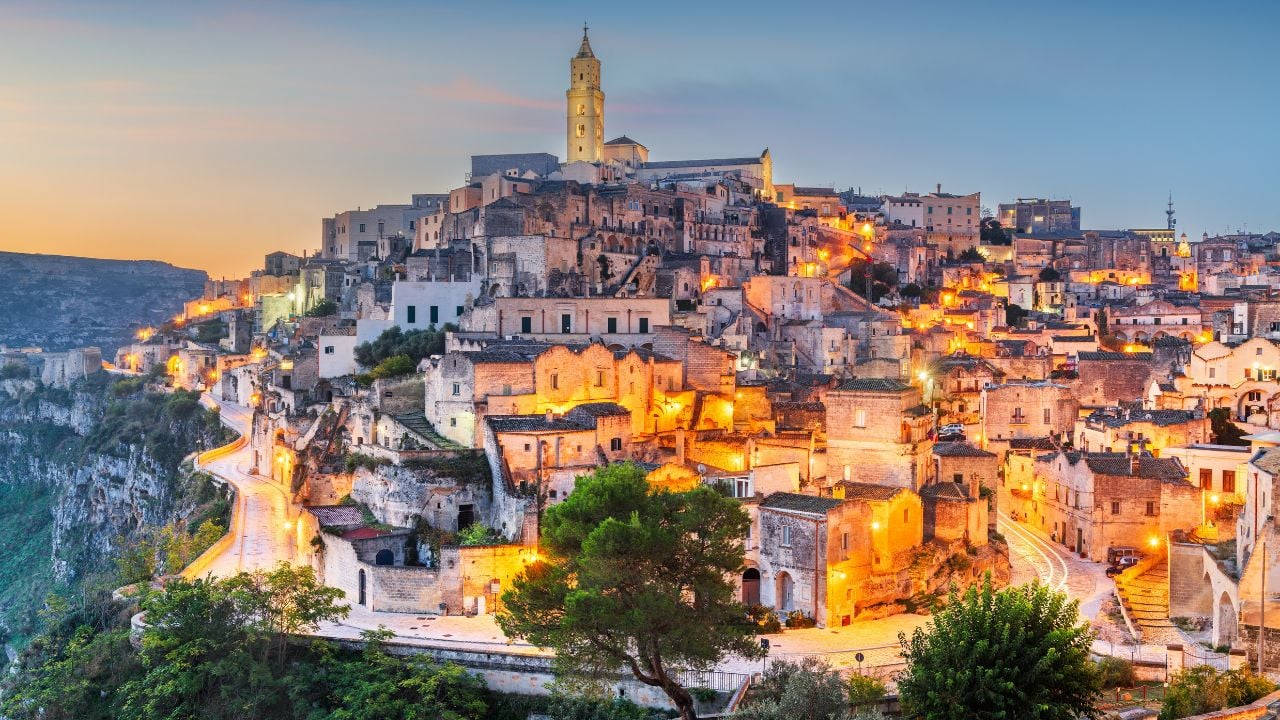
Matera is one of Italy’s most visually striking towns, known for its ancient cave dwellings carved directly into limestone cliffs. The town’s dramatic setting feels timeless, especially at sunset when stone buildings glow with warm light. Despite its beauty, accommodation and dining remain far more affordable than Tuscany’s famous destinations. Staying in renovated cave hotels or guesthouses offers a unique experience at a reasonable price.
The historic districts invite slow exploration, with stairways, terraces, and viewpoints at every turn. Cultural sites, churches, and museums are accessible without high entrance fees. Local cuisine is hearty, traditional, and inexpensive, reflecting regional flavors rather than tourist trends. Matera combines history, atmosphere, and affordability in a way few places can match.
Tropea, Calabria

Tropea sits dramatically atop cliffs overlooking turquoise waters and white sandy beaches. The town offers stunning sea views that rival Italy’s most famous coastal regions. Prices for accommodation and food are significantly lower than in Tuscany or the Amalfi Coast. Visitors can stay close to the historic center or beach without exceeding a modest budget.
Daily life in Tropea revolves around simple pleasures, including fresh seafood, seaside walks, and quiet evenings. Beaches are easily accessible and free, allowing travelers to enjoy the coastline without resort fees. The town retains a strong local character with minimal mass tourism. Tropea delivers coastal beauty with affordability and authenticity.
Cefalù, Sicily

Cefalù combines a charming medieval town with a wide sandy beach and dramatic mountain backdrop. Its historic center is compact and full of character, making it ideal for slow exploration. Accommodation prices remain reasonable compared to Tuscany’s popular towns, especially outside peak summer months. Local dining options offer high-quality Sicilian cuisine at accessible prices.
The town’s beach is integrated into daily life rather than separated into private resorts. Cultural landmarks, including the cathedral and old streets, are free or inexpensive to explore. Cefalù maintains a balance between visitor appeal and local authenticity. It offers a complete Italian experience without premium pricing.
Orvieto, Umbria

Orvieto rises dramatically from a volcanic plateau, creating one of the most striking townscapes in central Italy. The town’s architecture, cathedral, and underground tunnels rival Tuscany’s historic centers. Despite this, accommodation and food costs remain noticeably lower. Visitors can stay within walking distance of major sights without luxury prices.
Life in Orvieto feels calm and lived-in, with local markets and family-run businesses shaping the rhythm. Museums, churches, and viewpoints are accessible without crowds. Umbrian cuisine is rich and satisfying, often more affordable than Tuscan equivalents. Orvieto delivers history and elegance with better value.
Polignano a Mare, Puglia

Polignano a Mare is known for its dramatic cliffs and crystal-clear Adriatic waters. The town’s famous beach sits between towering rock formations, creating unforgettable scenery. Accommodation prices are lower than Tuscany’s scenic towns, especially in smaller guesthouses. Dining focuses on fresh seafood and simple regional dishes at fair prices.
Walking through the historic center reveals balconies, viewpoints, and quiet streets overlooking the sea. Swimming and cliffside walks are free and easily accessible. The town remains lively yet relaxed, with a strong local presence. Polignano a Mare offers postcard beauty without inflated costs.
Ascoli Piceno, Marche

Ascoli Piceno is an elegant town built almost entirely from pale travertine stone. Its grand piazzas and historic buildings rival Italy’s most famous cities. Despite its beauty, tourism remains limited, keeping prices low. Accommodation and dining are affordable even near the historic center.
The town’s cafés and markets reflect local life rather than visitor trends. Cultural attractions are concentrated and easy to explore on foot. Traditional cuisine is filling, authentic, and inexpensive. Ascoli Piceno delivers refined beauty without tourist pressure.
Sperlonga, Lazio

Sperlonga is a whitewashed coastal town perched above clear blue waters. Its narrow streets and stairways create stunning views at every turn. Prices for lodging and food are far lower than Tuscany or the Amalfi Coast. Beach access is simple and often free.
The town balances tourism with daily local life, avoiding overdevelopment. Fresh seafood and casual dining dominate the food scene. Evenings are quiet and atmospheric rather than crowded. Sperlonga offers coastal charm at a reasonable cost.
Castelluccio di Norcia, Umbria
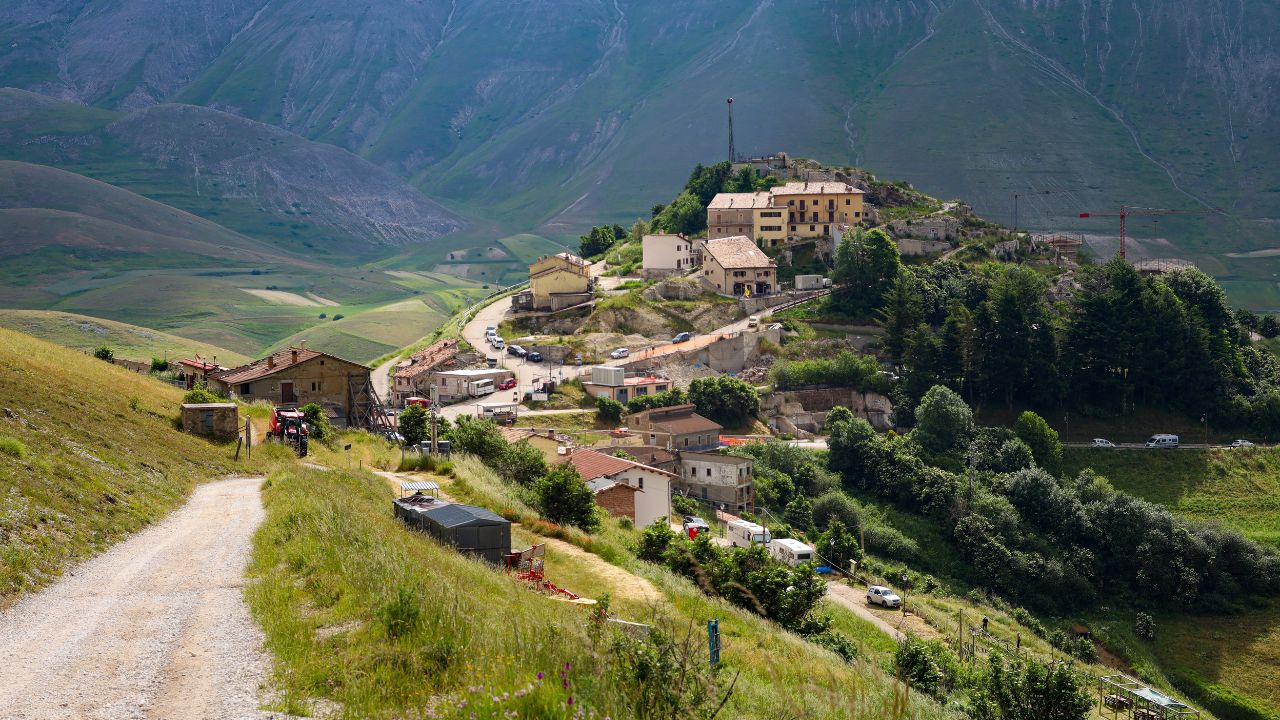
Castelluccio di Norcia is a tiny mountain village set high in the Apennines, surrounded by wide plains that explode with color during the famous spring and summer wildflower bloom. The dramatic landscape feels cinematic and far removed from the rolling vineyard imagery most people associate with Tuscany. Accommodation in nearby villages remains affordable, especially outside peak bloom season, making it accessible for budget-conscious travelers. The town’s remote location has preserved its authenticity and kept mass tourism firmly at bay.
Life in Castelluccio moves slowly, shaped by seasons, weather, and local traditions rather than tourist schedules. Hiking, photography, and simple countryside meals form the core of the experience, often costing very little. Local food focuses on lentils, cheeses, and rustic Umbrian dishes that are both hearty and inexpensive. Castelluccio offers visual drama and serenity that rivals Tuscany, without the crowds or prices.
Scicli, Sicily
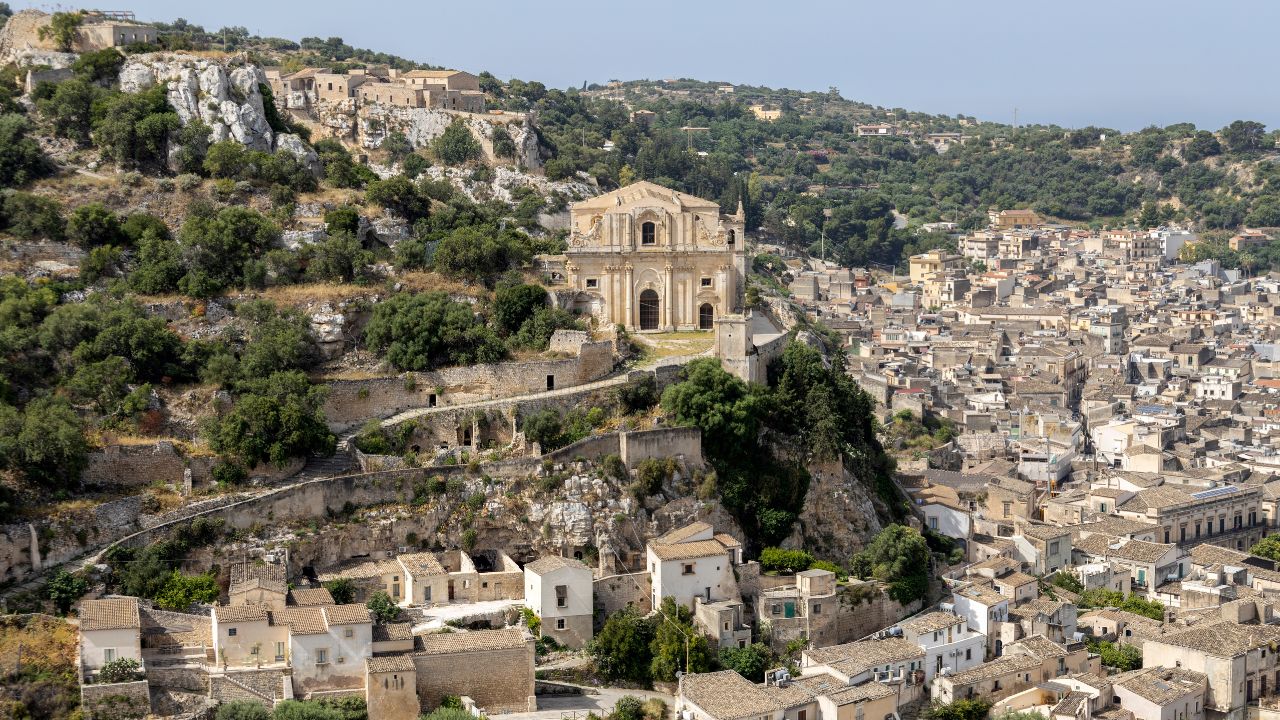
Scicli is a baroque town in southeastern Sicily, known for its elegant architecture, golden stone buildings, and relaxed Mediterranean atmosphere. Unlike many Tuscan towns, Scicli feels lived-in rather than curated for visitors, which keeps prices noticeably lower. Apartments, small hotels, and guesthouses offer excellent value, even during summer months. The surrounding countryside and nearby beaches add variety without added expense.
Walking through Scicli feels like stepping into a living museum where daily life unfolds naturally around historic streets and piazzas. Local restaurants serve traditional Sicilian dishes at prices far below central Italy’s tourist hubs. The town’s slower rhythm allows visitors to experience culture without rushing or overspending. Scicli delivers beauty, history, and affordability in equal measure.
Castelmezzano, Basilicata
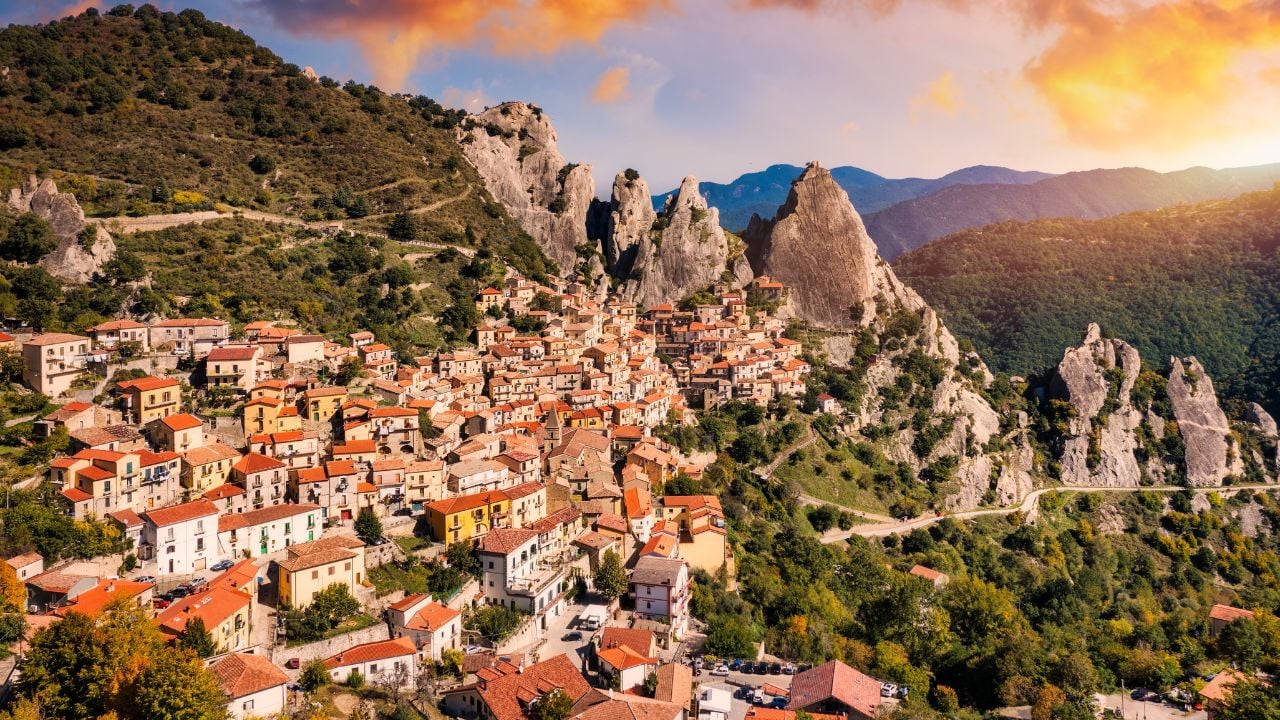
Castelmezzano is a stunning mountain village carved into the jagged peaks of the Dolomiti Lucane, offering a dramatic landscape unlike anywhere in Tuscany. Stone houses cling to steep cliffs, creating a breathtaking visual contrast between architecture and nature. The town remains largely undiscovered, keeping accommodation and dining prices very affordable. Its remote location enhances the sense of escape and authenticity.
Visitors can explore hiking trails, scenic viewpoints, and historic streets without crowds. Local cuisine is hearty, traditional, and inexpensive, rooted in Basilicata’s rural traditions. The silence and mountain air provide a refreshing alternative to busy tourist regions. Castelmezzano offers raw beauty and unforgettable scenery at a modest price.
Comacchio, Emilia-Romagna
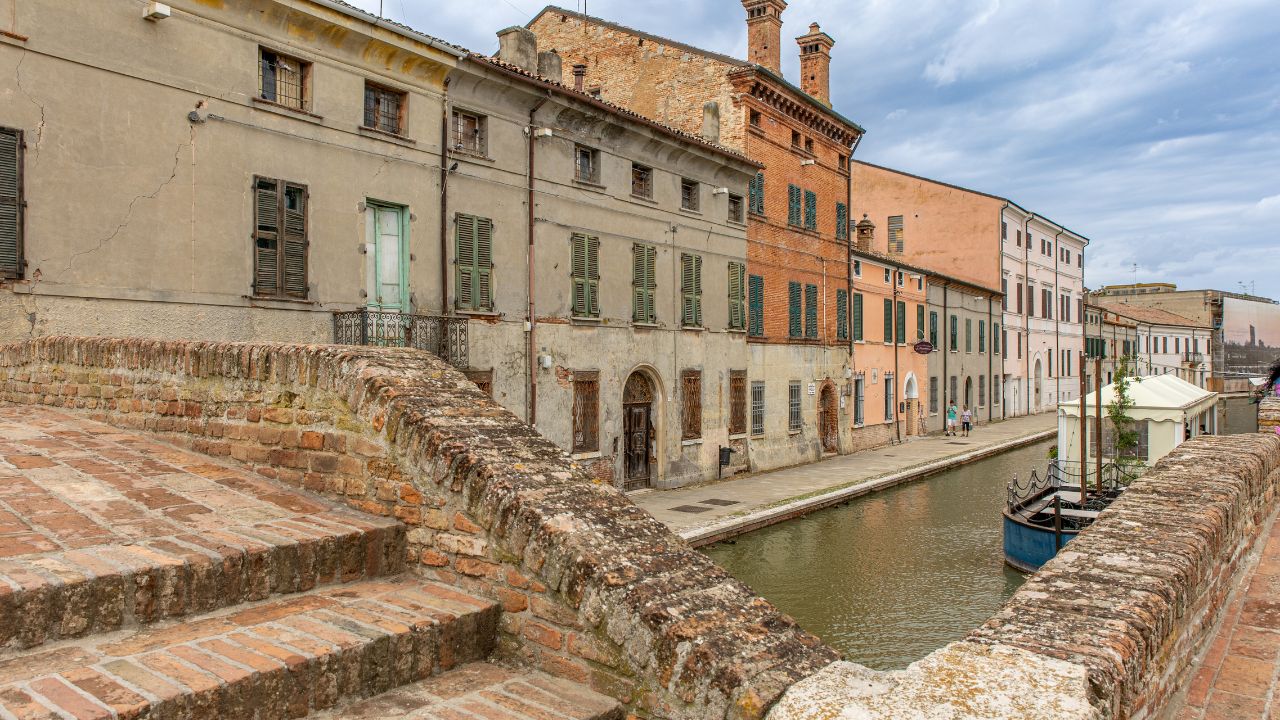
Comacchio is a charming canal town often referred to as “Little Venice,” yet it remains far more affordable and relaxed. Bridges, pastel-colored buildings, and quiet waterways give the town a romantic atmosphere without heavy tourism. The surrounding wetlands and lagoons add natural beauty rarely found in Tuscany’s hill towns. Prices for food and accommodation stay comfortably low.
The town is famous for its eel-based cuisine and traditional seafood dishes, all offered at local prices. Walking or cycling through Comacchio reveals a slower, more authentic Italian lifestyle. Even during peak seasons, crowds remain manageable and calm. Comacchio blends elegance, history, and affordability effortlessly.
Cervo, Liguria

Cervo is a medieval hill town overlooking the Ligurian Sea, offering sweeping coastal views and beautifully preserved stone architecture. Its narrow streets, Baroque church, and terraced layout rival Tuscany’s most celebrated villages. Despite its location near the Italian Riviera, prices remain noticeably lower than in famous coastal hotspots. The town feels refined yet refreshingly quiet.
Local cafés and restaurants serve Ligurian specialties at reasonable prices, often with panoramic sea views. Beaches below the town are accessible and far less crowded than those near major resorts. Cultural events and music festivals add charm without inflating costs. Cervo delivers coastal elegance and historic beauty without Tuscany-level pricing
Scilla, Calabria
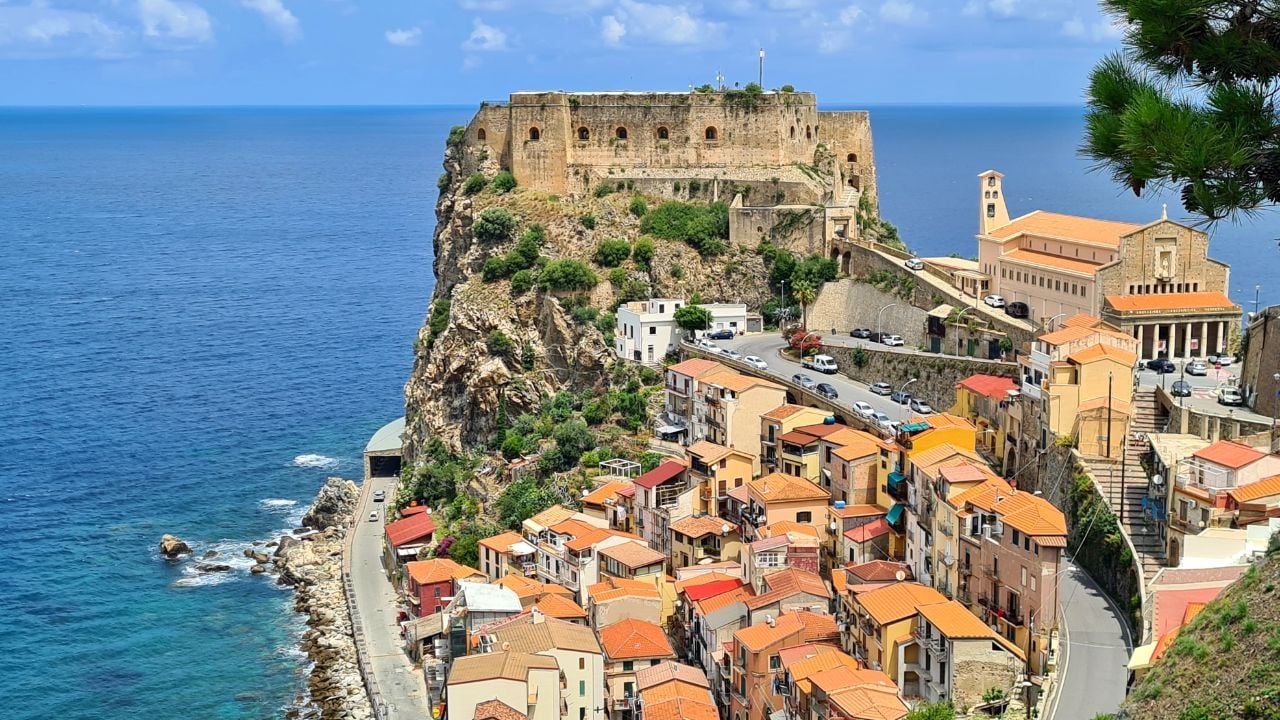
Scilla is a small fishing town overlooking the Strait of Messina, blending myth, history, and coastal beauty. Unlike Tuscany’s polished countryside, Scilla feels intimate and lived-in, with lower prices across the board. Accommodations are modest but charming, often run by local families. Daily expenses remain comfortably low.
The waterfront district offers fresh seafood at prices rarely seen in northern Italy. Beaches are public and scenic, with clear water and minimal crowds. The town’s historic quarter provides stunning views without paid attractions. Scilla delivers romance and authenticity at a fraction of Tuscany’s cost.
Bosa, Sardinia

Bosa is a colorful riverside town on Sardinia’s western coast, crowned by a medieval castle. While Tuscany’s towns attract global tourism, Bosa remains quietly beautiful and affordable. Accommodation prices are moderate, especially in family-run guesthouses and apartments. The town’s relaxed pace keeps everyday spending low.
Local cuisine emphasizes seafood, handmade pasta, and regional wines at reasonable prices. The nearby coastline offers pristine beaches without the fees found in resort-heavy areas. Bosa’s historic streets invite slow exploration and photography without crowds. It offers charm, color, and coastal beauty without Tuscany-level expenses.