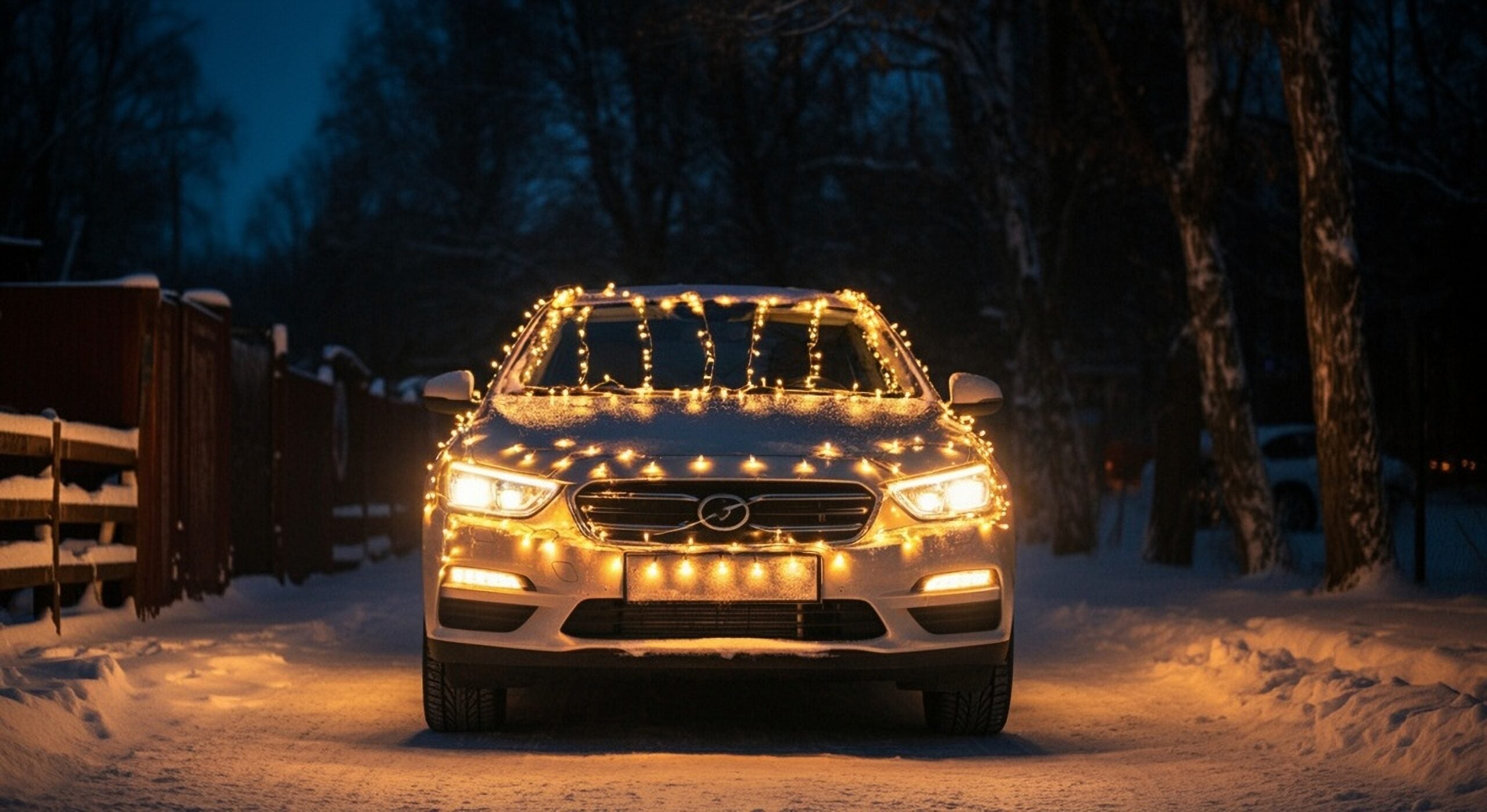
Every December, social media explodes with videos of cars transformed into rolling Christmas displays. TikTok is full of sports cars wrapped in twinkling lights, SUVs sporting illuminated reindeer antlers, and the occasional pickup truck that looks like Santa’s sleigh had a baby with a light show. It’s festive, it’s fun, and it definitely turns heads at stoplights.
But here’s the thing: while your neighbor’s house can look like the Griswold residence without legal consequences, your car is a different story. Those blinking multi-colored strands might seem harmless, but they could land you with a ticket faster than you can say “jingle bells.”
So before you break out the extension cords and zip ties, let’s talk about whether decking out your daily driver is actually legal — and how to do it without turning your paint job into a holiday horror story.
The Legal Reality: It’s Complicated
@policecamunseen Christmas Lights on your car #christmas #goviral #fyp #police ♬ original sound – PoliceCamUnseen
The short answer? It depends on where you live, how you do it, and whether the cop who pulls you over is feeling festive.
Most states have vehicle lighting laws designed to prevent distractions and maintain safety on the road. The Federal Motor Vehicle Safety Standards set baseline rules, but individual states add their own restrictions. Generally speaking, laws prohibit lights that could confuse other drivers about your vehicle’s movements or intentions. Red lights visible from the front? Illegal in most places — they could be mistaken for brake lights. Blue or red flashing lights? Those are reserved for emergency vehicles, and impersonating one is a quick way to land on your local police department’s naughty list.
Many states specifically ban “distracting” lights, though what constitutes “distracting” is often left to an officer’s discretion. California’s Vehicle Code, for example, prohibits any light that could interfere with a driver’s ability to operate their vehicle safely. Some states allow decorative lighting as long as it’s not visible while the vehicle is in motion, while others have banned it outright.
A viral TikTok video from a Texas lawyer recently clarified that, in Texas, there’s no specific law that outright bans Christmas lights on your car—as long as they’re not red and blinking, which could be mistaken for emergency lighting. But he also warned that a lack of explicit prohibition doesn’t guarantee immunity. An officer could still pull you over and cite you under another broadly interpreted statute, leaving you to explain your case to a judge.
By contrast, Pennsylvania and several other states do have clear, specific laws that prohibit decorative lighting on vehicles, making the rules far less open to interpretation.
The consensus among law enforcement? White or amber lights are generally safer bets than colors associated with emergency vehicles. Static lights typically draw less attention (the legal kind) than flashing or chasing patterns. And crucially, your festive decorations can’t obscure legally required lights, license plates, or any part of your windshield.
What Could Actually Get You Pulled Over
Even if your state doesn’t have explicit laws against Christmas lights, you can still get cited under broader statutes. “Obstructed view” violations cover anything blocking your sight lines. “Equipment violations” catch modifications that interfere with required safety features. And the catch-all “distracted driving” or “reckless driving” charges can apply if an officer determines your light display poses a hazard.
Some departments have issued specific warnings during the holiday season. Police in various jurisdictions have made it clear: if your decorations distract other drivers, cause them to brake suddenly, or lead to accidents, you’re liable.
The penalties vary, but expect fines ranging from $50 to several hundred dollars, depending on your location and the specific violation. In some cases, you might also face equipment inspection requirements or points on your license if the violation is serious enough.
How To Apply Lights Without Damaging Your Car
@1take.armani Almost that time of the year🎄🎅🏼#christmas #christmaslights #christmaslightsoncar #tesla #christmaslightshow ♬ original sound – A R M A N I 💤
Okay, so you’ve decided the legal risk is worth the holiday cheer, or you live in a jurisdiction that gives you the green light (so to speak). Now comes the practical challenge: how do you attach Christmas lights without turning your car’s finish into a scratched-up mess?
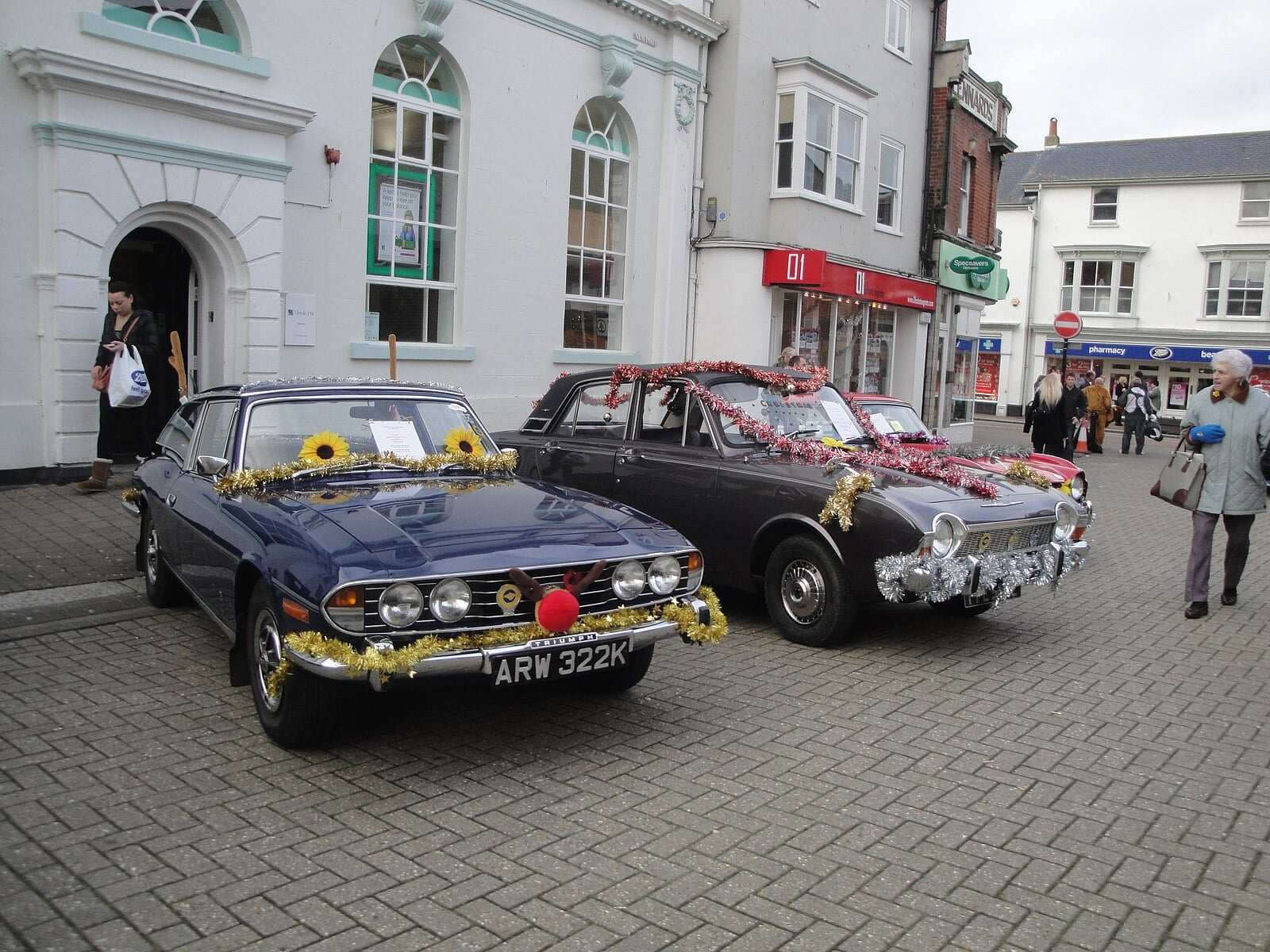
First, forget about anything with adhesive backing unless you’re willing to gamble with your clear coat. Instead, use magnetic clips designed for holiday decorations — they work great on steel panels and won’t leave residue. For non-metal surfaces like bumpers and trim, look for suction cups rated for outdoor use, though be aware these can fail in cold temperatures. You’ll end up with a car that looks like the one above during the day if you use tape instead.
The safest attachment method? Carefully routed lights through window seals and secured inside the vehicle. You can run strands through the gap between your door and frame (when doors are closed), letting them hang externally while the power source and connections stay inside. This prevents paint damage entirely, though it limits your design options.
Battery-powered LED strips are your friend here. They’re lightweight, generate minimal heat, and won’t drain your car battery. Skip the household extension cords and traditional incandescent bulbs — they’re too heavy, get too hot, and create sag that stresses attachment points. Marine-grade LED strips with weatherproof ratings will survive road conditions better than standard Christmas lights.
Whatever you do, avoid tape, zip ties that contact painted surfaces, or anything that could trap moisture against your car’s body and permanently damage the paint. Water plus metal equals rust, and decorative lights aren’t worth a body shop bill in January. Check your setup after every drive — highway speeds can work lights loose, and you don’t want to be that person leaving a trail of decorations on the interstate.
The Insurance Question Nobody Asks

Here’s something most holiday enthusiasts don’t consider: your insurance company’s opinion. If your festive display contributes to an accident, your insurer could potentially deny coverage or increase your rates. Most policies require vehicles to be operated legally and safely, and modifications that violate traffic laws might give them an out.
Even if you’re not at fault, if your decorations are determined to be a contributing factor — say, another driver was distracted by your lights and rear-ended someone — you could face liability claims. It’s worth calling your insurance agent to discuss whether holiday decorations affect your coverage. It might seem overly cautious, but it’s better than finding out during a claim that you’re not protected.
The Safer Alternatives
For those who want to spread cheer without legal ambiguity, there are better options. Static window clings, magnetic decorations, and car-safe decals give you the festive look without the legal headaches. Some companies make lighted wreaths specifically designed to mount on grilles without obstructing airflow or creating hazards.
You could also go the route of interior decorations—dashboard bobbleheads, seat covers, steering wheel covers, and hanging ornaments from your rearview mirror (within legal limits for obstruction, of course). Your passengers will appreciate the holiday spirit, and you won’t have to worry about explaining your setup to law enforcement.
And if you really want to commit to the mobile Christmas experience, save the full light display for car shows, parades, or private property. Many communities host holiday vehicle parades where decorated cars are not just legal but encouraged. It’s the best of both worlds: you get to show off your creativity without risking a citation.
Conclusion
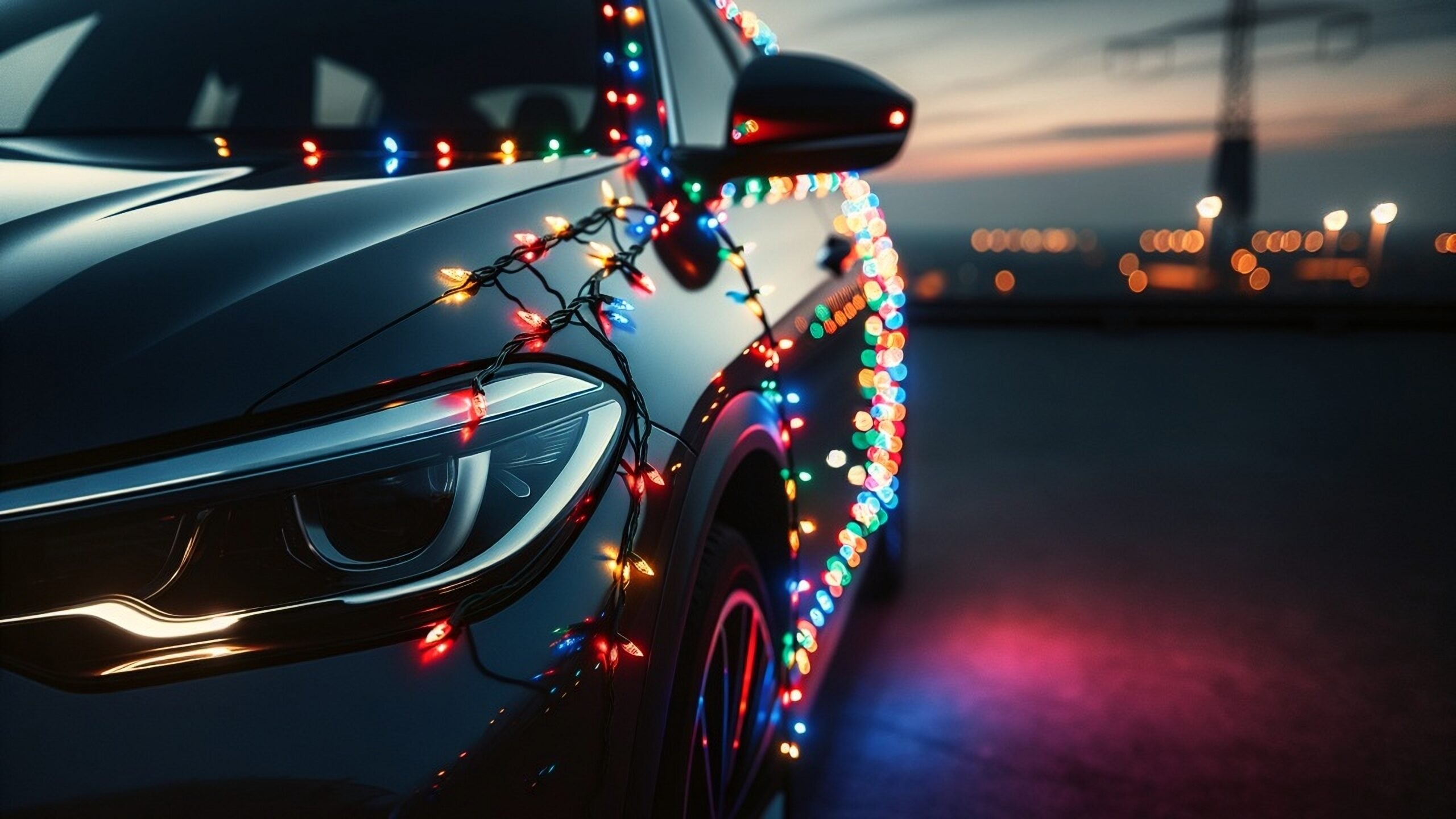
The holiday season brings out creativity in all of us, and turning your car into a celebration on wheels is tempting. But the legal landscape is murky at best, and what seems like harmless fun can quickly become an expensive lesson in traffic law. Most jurisdictions give law enforcement wide discretion to cite anything they consider distracting or unsafe, and Christmas lights on moving vehicles often fall into that category.
If you do decide to light up your ride, keep it simple, avoid colors associated with emergency vehicles, and make sure nothing obstructs required equipment or sight lines. Better yet, satisfy your decorating urge with car-safe alternatives that won’t have you explaining yourself to a police officer or filing an insurance claim. Your car — and your wallet — will thank you come January. Save the extreme light displays for your house where the only thing you’ll attract is neighborhood admiration, not legal scrutiny.
After all, the best holiday gift you can give yourself is avoiding points on your license!