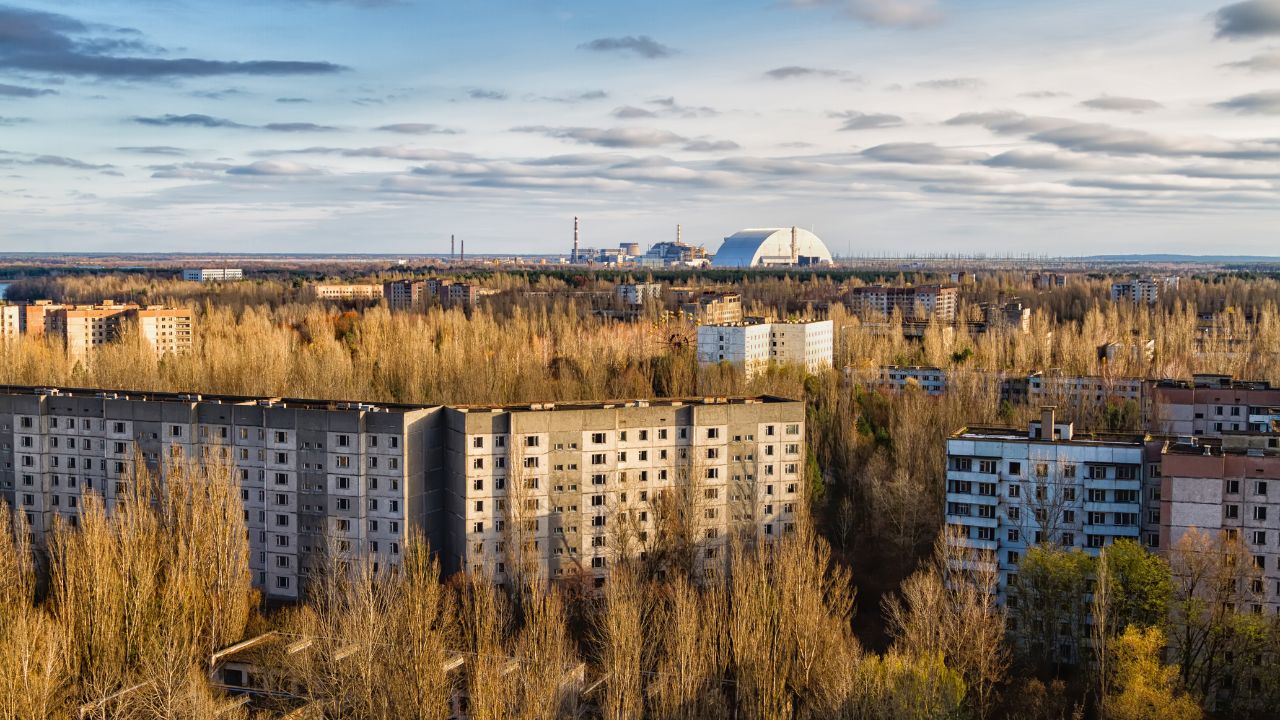
Most stories about Chernobyl circle the same familiar symbols: the Ferris wheel, the empty apartments, the silence hanging over Pripyat. The stronger version of this story lives in real scenes that unfolded inside the exclusion zone after the reactor disaster on 26 April 1986. This is not a photo roundup, but a sequence of documented moments that reveal how strange, human, and unsettling the zone became.
It also helps to treat Chernobyl as history, not as dark tourism fantasy. Ukraine remains under serious U.S. travel warnings because of the war, so the exclusion zone is best understood through records, reporting, and the long shadow of what happened there. That makes these scenes feel even more haunting, because none of them belongs safely in the past.
1. A City Emptied in a Single Day
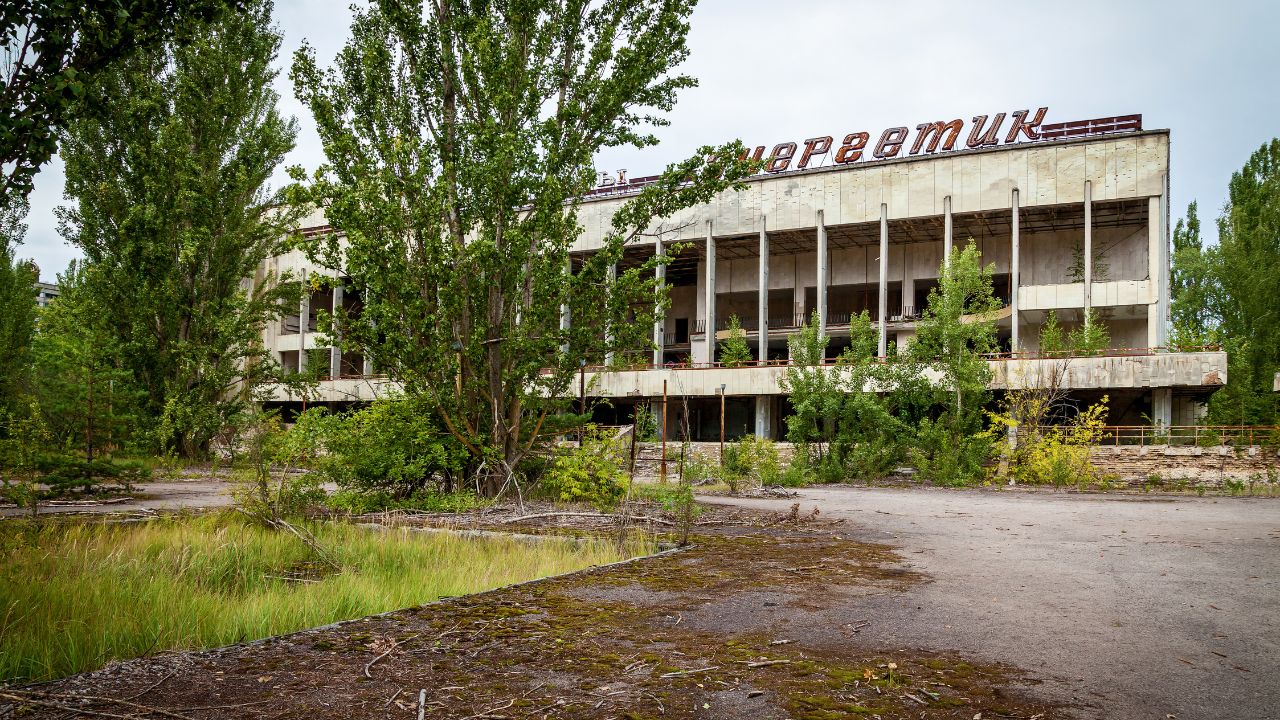
Pripyat was built for plant workers and their families, which makes its abrupt evacuation one of the most chilling scenes in the Chernobyl story. World Nuclear says the plant operators’ town was evacuated on 27 April 1986, with about 45,000 residents removed. A functioning Soviet city turned into a place of departure almost overnight.
The wider picture was even harsher. IAEA Chernobyl Forum materials say about 116,000 people were evacuated from the most contaminated areas in 1986, while the World Nuclear summary says that by 14 May roughly that same number had been evacuated from within the 30-kilometer radius and later relocated. The true image is not just abandoned buildings but buses, checkpoints, and thousands of lives cut loose at once.
2. The Amusement Park That Became Famous for Never Officially Opening
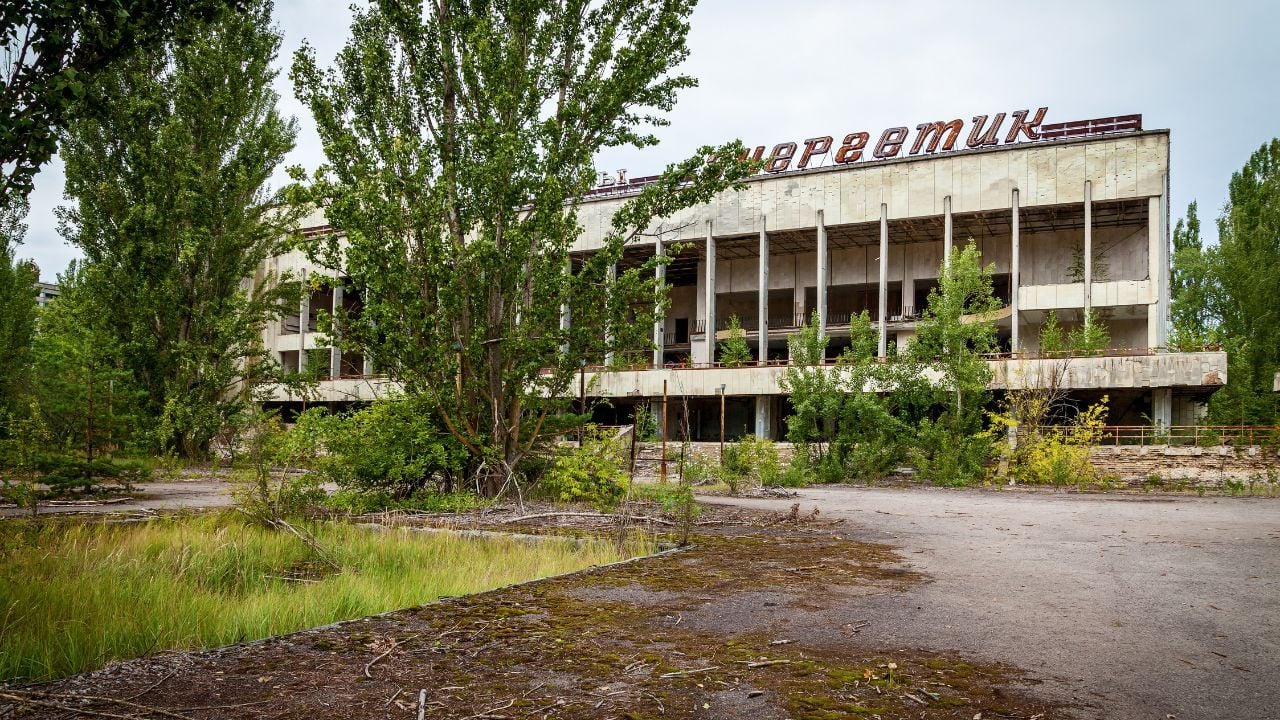
Pripyat’s Ferris wheel is one of the most recognizable symbols of the disaster, yet the detail that makes it unforgettable is brutally simple. The amusement park had been prepared for a 1 May 1986 opening, and that official debut never came. A place designed for celebration became iconic because its future was cancelled before it began.
That is why the scene still lands so hard. The bumper cars, rides, and bright civic optimism of a Soviet holiday park were preserved in a permanent state of almost. Instead of noise and families, history left behind a monument to interruption.
3. The Giant Steel Arch Slid Into Place Over Reactor 4
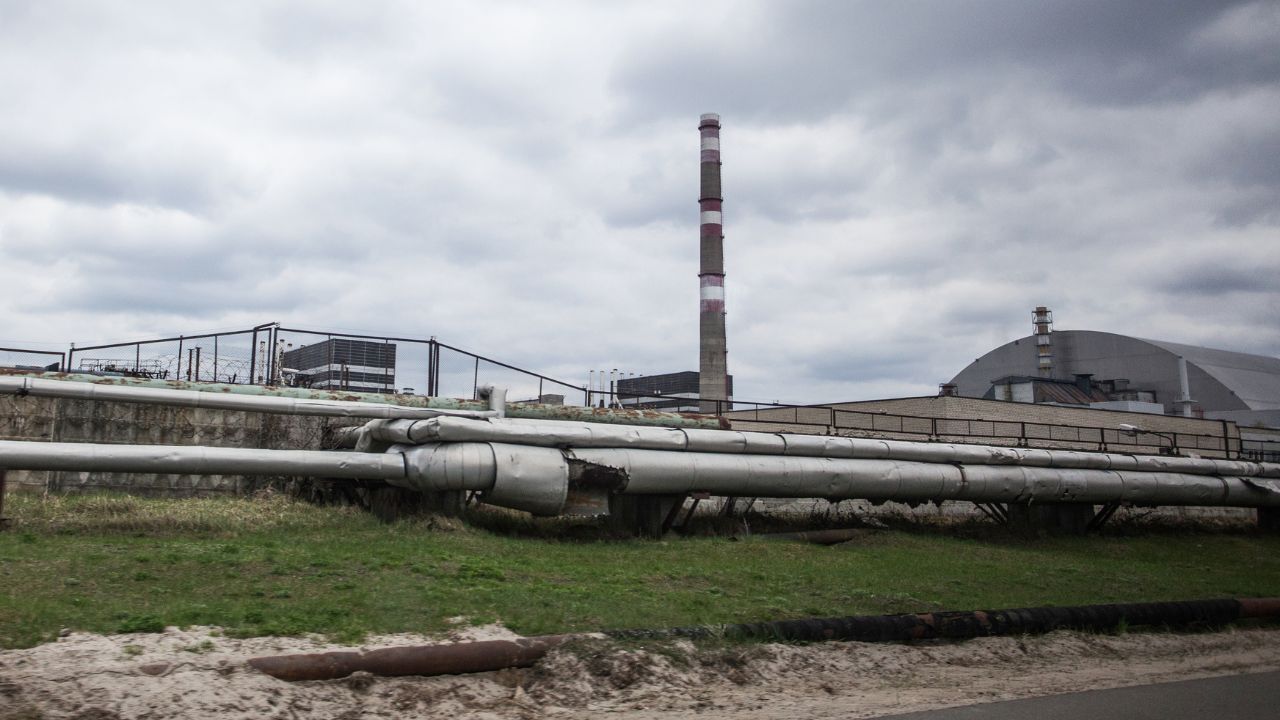
Few sights in the zone are stranger than the New Safe Confinement rising over the destroyed reactor. The European Bank for Reconstruction and Development describes it as a structure built in a clean area near Reactor 4 and then slid 327 meters into place. In related EBRD project material, the arch is described as 108 meters high, 162 meters long, with a 257-meter span. It sounds almost unreal until you picture the scale of the problem underneath it.
This scene matters because it replaces the old idea of Chernobyl as a frozen ruin. The zone is also a place of ongoing engineering, containment, and risk management. Instead of a dead relic, Reactor 4 became the center of one of the largest and bleakest construction projects on Earth.
4. A Secret Radar City Hidden in the Forest
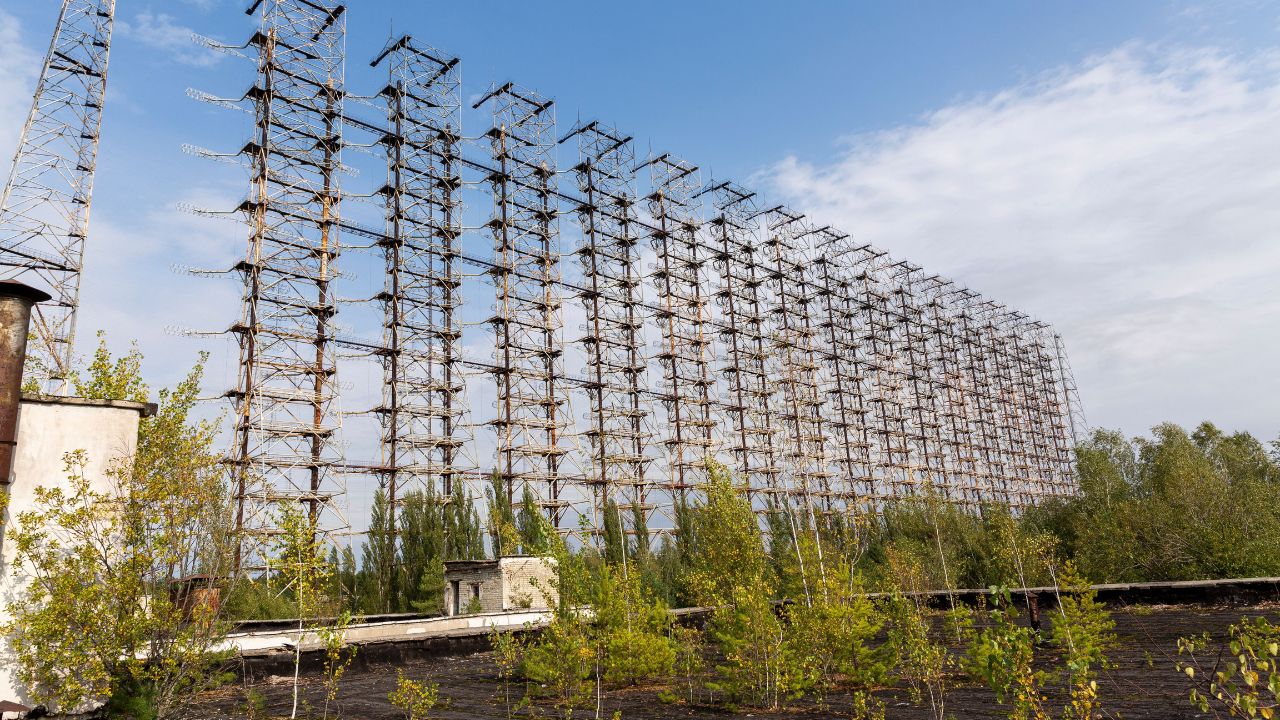
One of the most startling scenes in the exclusion zone has nothing to do with apartments or classrooms. Deep in the forest stands the Duga radar complex, a vast Soviet early-warning installation tied to a secret military settlement. Atlas Obscura reports that the Duga-1 base was disguised on maps as a Pioneer youth summer camp, which is the kind of Cold War absurdity that sounds invented until you realize it was real.
That makes the zone feel like two nightmares layered together. On one side sits the nuclear disaster everyone knows. On the other stands a giant leftover machine from the Soviet military imagination, hidden among trees that later became contaminated. Few places carry that much dread in one landscape.
5. The Elderly Villagers Who Came Back Anyway
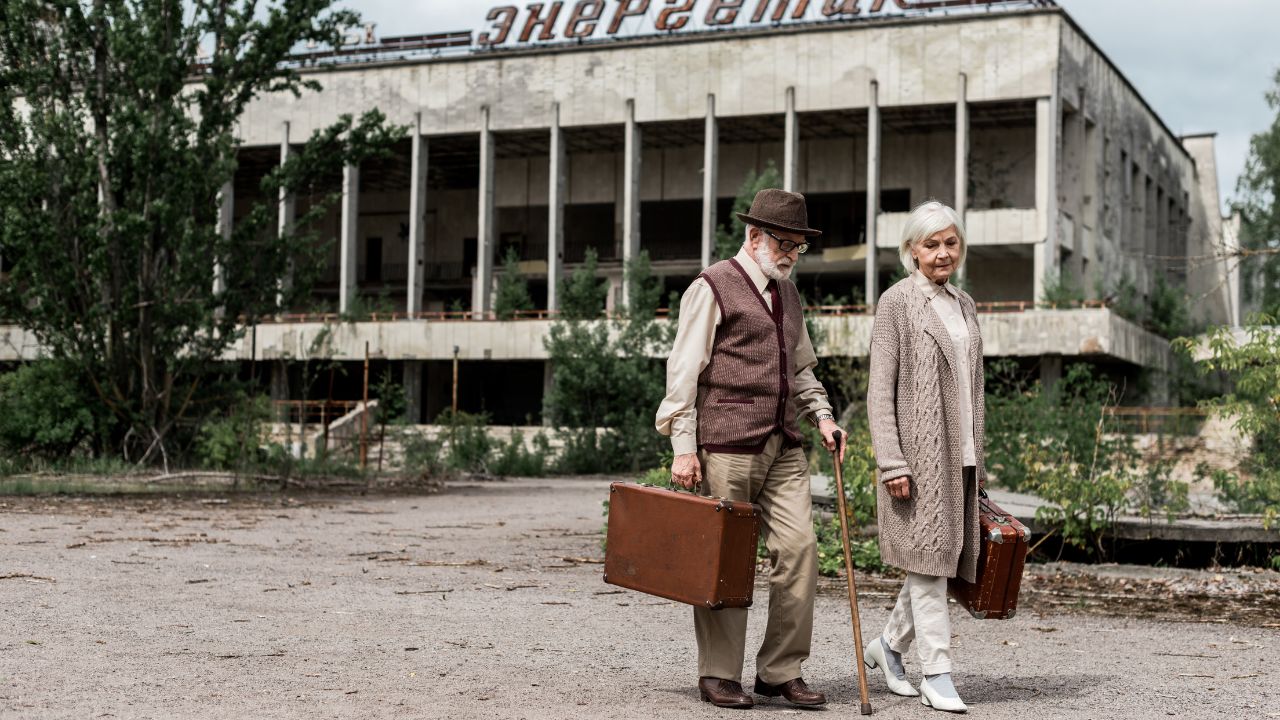
The exclusion zone was never as completely empty as popular culture likes to pretend. Ukrainer reports that the first self-settlers returned on 21 June 1986 and, citing information from the State Agency of Ukraine on Exclusion Zone Management, later put the resident count at around 130 people, nearly all elderly. These returners moved back into homes inside a territory the state had officially abandoned.
That creates one of the strangest scenes in all of Chernobyl: gardens, wood stoves, and old routines continuing inside a forbidden landscape. The zone was meant to be a place people left behind forever. Instead, for a small group, it became home again.