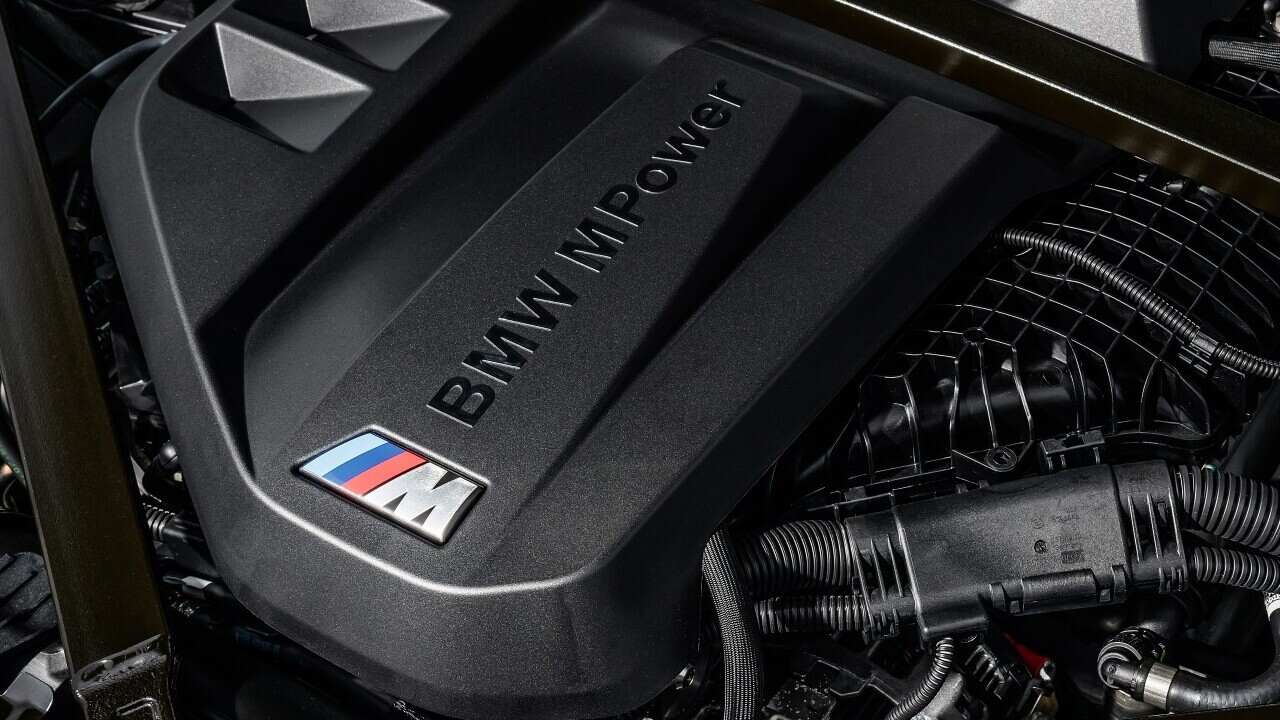
If you are shopping for a new car or motorcycle today, you will encounter several different types of internal combustion engines alongside the growing number of electric vehicles. One of the most important distinctions among combustion engines lies in how their cylinders are arranged.
Modern engines most commonly place cylinders in a single straight line, known as an inline configuration. Others arrange cylinders in two banks that form a V shape. There is also the horizontally opposed “boxer” layout, though that design deserves its own discussion.
Inline engines today typically feature two, three, four, five, or six cylinders. V engines always use an even number of cylinders such as V-twin, V4, V6, V8, V10, or V12. Historically there were more unusual formats as well, including inline eight engines or even V16 units, though these are now extremely rare.
The answer depends on the goal.
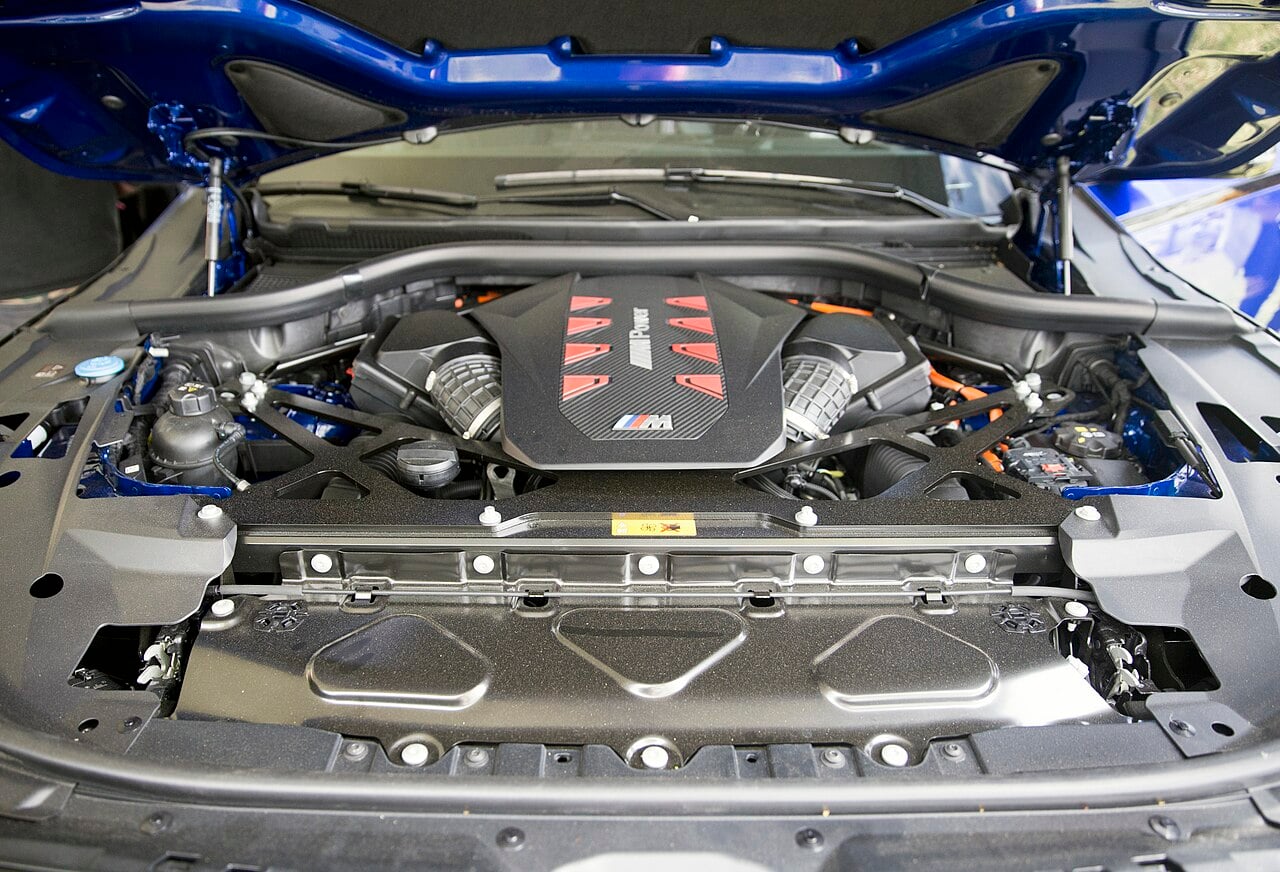
Choosing between an inline engine and a V engine is less about which design is objectively better and more about what the vehicle is designed to achieve. Each configuration has advantages and disadvantages depending on packaging, performance goals, cost, and intended use.
A long list of legendary inline-six engines highlights the strengths of the inline layout. Famous examples include the Chevrolet Stovebolt Six, Chrysler Slant Six, Jeep’s 4.0-liter straight six, Toyota’s 2JZ, Nissan’s RB26DETT, the Mercedes-Benz 3.0-liter inline six family, BMW’s M88, Jaguar’s XK6, Ford’s durable 300 inline six, and the diesel Cummins 6BT.
Although fewer manufacturers offer inline six engines today compared with past decades, the layout remains highly respected. Inline two-cylinder and four-cylinder engines remain extremely common in motorcycles, while modern cars frequently use three-cylinder, four-cylinder, and five-cylinder inline engines.
Why Inline Engines Are Popular
Inline engines often benefit from mechanical simplicity. They typically use a single cylinder head and a simpler valvetrain compared with a V engine that requires two banks. That can reduce manufacturing complexity and cost.
Inline-six engines also have a natural mechanical balance that allows them to run extremely smoothly without the need for additional balancing mechanisms. That is one reason brands such as BMW and Mercedes-Benz continue to rely heavily on straight-six designs for their premium models.
Inline four-cylinder engines dominate the global market because they combine efficiency, compact size, and reasonable performance. With turbocharging and modern engineering, they can produce serious power as well.
For example, the turbocharged 2.3-liter engine in the Ford Focus RS produces about 350 horsepower and 350 lb-ft of torque. Another example is the 2.0-liter turbo engine in the Honda Civic Type R, which delivers roughly 315 horsepower in recent versions.
Why V Engines Exist
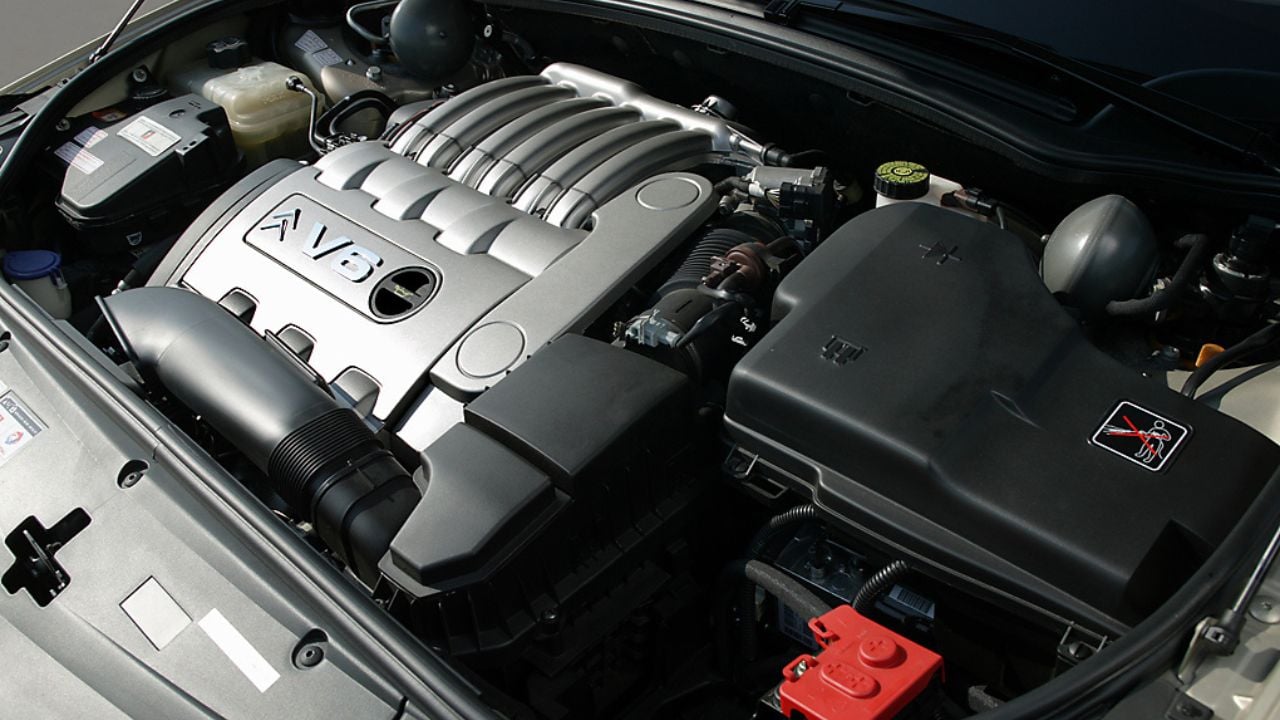
V engines arrange cylinders in two banks that form a V shape, usually with angles between 60 and 90 degrees. The crankshaft sits at the bottom where both banks connect.
Common configurations include V-twin and V4 engines in motorcycles and V6 or V8 engines in automobiles.
The primary advantage of a V engine is packaging. With two cylinder banks, the engine becomes shorter front to back than an inline engine with the same number of cylinders. That makes it easier to fit powerful engines in vehicles with limited engine bay length.
V engines can also sit lower in the chassis, helping reduce the vehicle’s center of gravity. That characteristic can benefit handling and performance vehicles.
The V6 engine has become especially common because it provides strong performance while remaining smaller and lighter than a V8. When combined with turbocharging or supercharging, V6 engines can deliver power levels once associated only with larger engines.
V8 Engines And Performance Cars
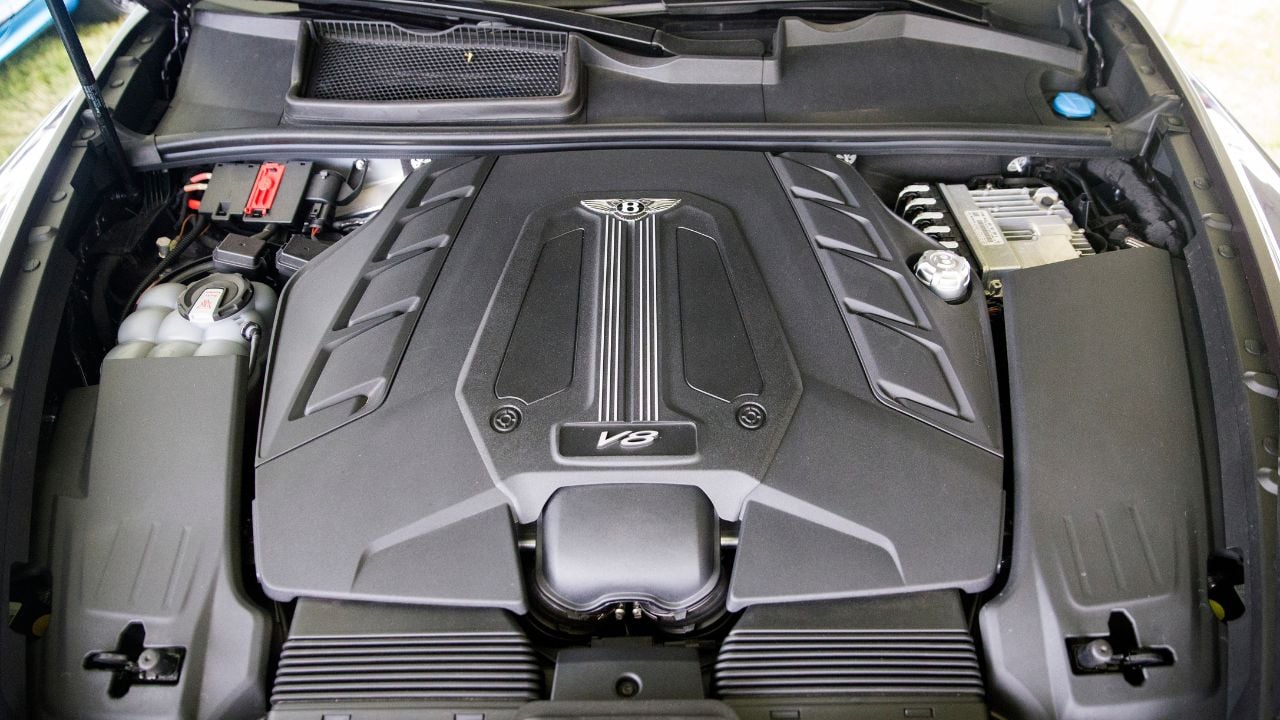
Although stricter emissions rules have reduced the number of V8 engines on the market, they still play a major role in luxury vehicles, American sports cars, and heavy-duty trucks.
A famous modern example is the naturally aspirated 5.5-liter V8 used in the Chevrolet Corvette Z06. This flat-plane crank engine produces about 670 horsepower and represents one of the most powerful naturally aspirated V8 engines ever installed in a production car.
So Which One Is Better?
Neither engine layout is universally superior. Inline engines offer simplicity, smoothness, and lower production costs. V engines offer more compact length and greater flexibility for larger cylinder counts.
Automakers choose between these designs based on engineering goals such as packaging, performance, cost, and vehicle type. In practice, both configurations have produced some of the greatest engines in automotive history.
This article originally appeared on Autorepublika.com and has been republished with permission by Guessing Headlights. AI-assisted translation was used, followed by human editing and review.