Heavy-duty pickup trucks and commercial vans are among the largest vehicles sharing American roads with everyday passenger cars. Their substantial size and weight make them essential for demanding jobs, but those same characteristics can make collisions particularly dangerous.
Modern passenger vehicles increasingly rely on automatic emergency braking and other driver-assistance technologies to prevent accidents. These systems can detect potential hazards, warn drivers, and sometimes apply the brakes before a collision occurs.
However, commercial vehicles haven’t always received the same level of attention when it comes to advanced crash prevention. Some larger trucks and delivery vans operate under different federal safety requirements, leaving important gaps in available technology.
The Insurance Institute for Highway Safety (IIHS) has now published its first crash-avoidance ratings for several popular commercial vehicles. The results, released October 8, reveal that many heavy-duty pickups and cargo vans struggle to avoid collisions with other vehicles and pedestrians.
Heavy-Duty Pickups Perform Poorly
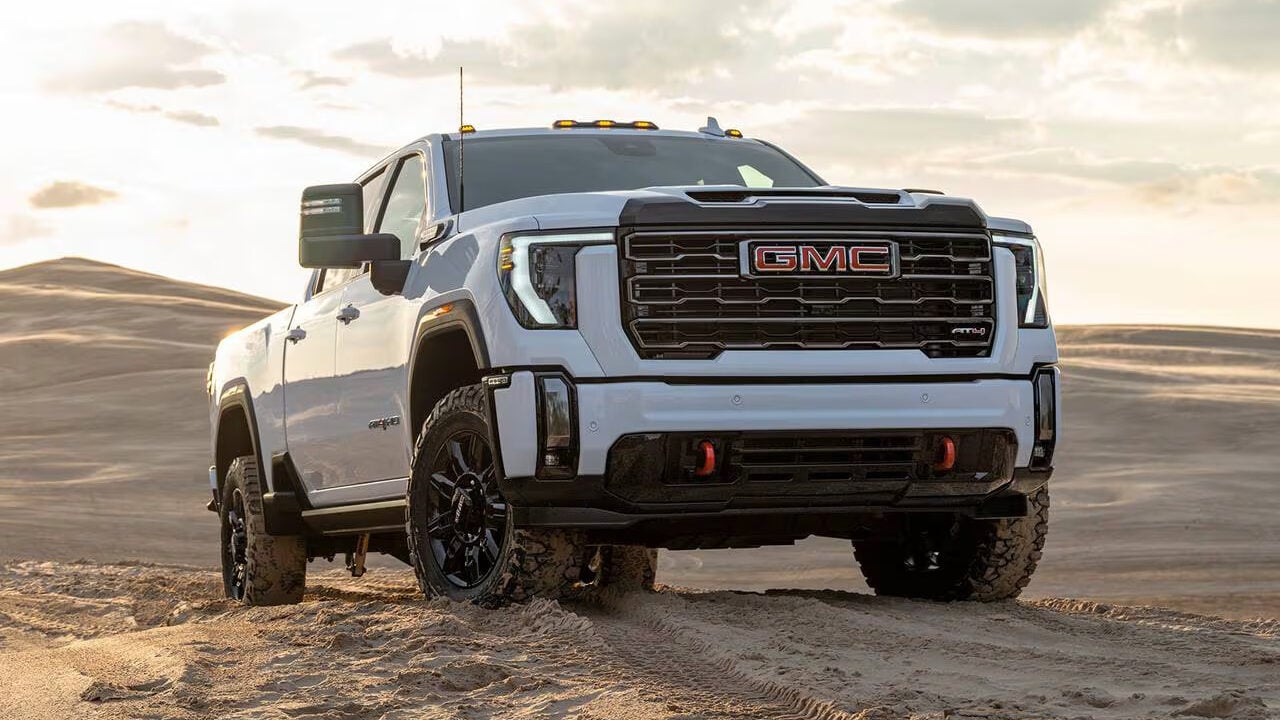
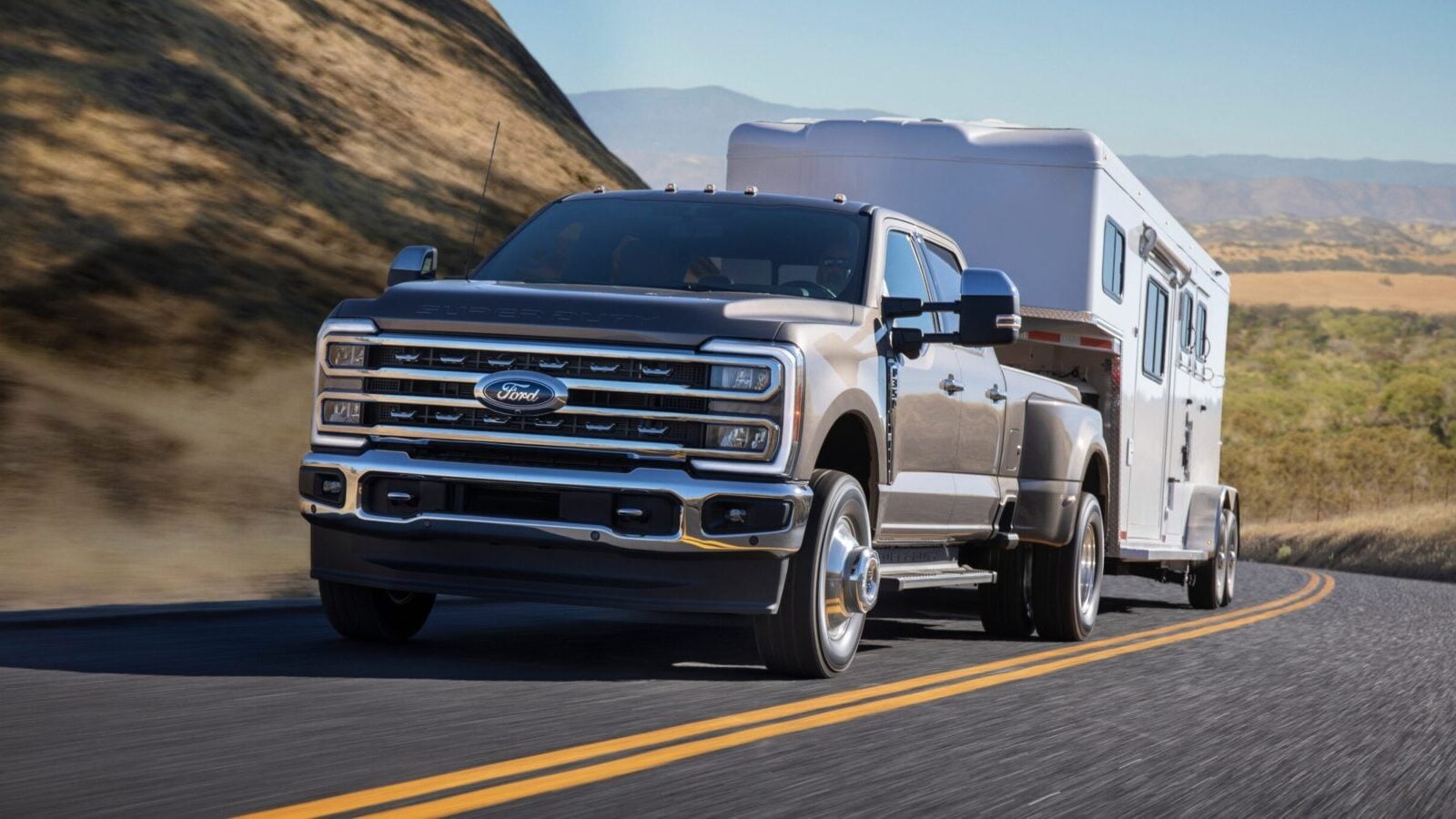
The IIHS evaluated four Class 3 pickups, a category covering vehicles with gross vehicle weight ratings between 10,001 and 14,000 pounds. These include the Chevrolet Silverado 3500HD, Ford F-350, GMC Sierra 3500 and Ram 3500.
None of the four pickups achieved a Good rating in either the vehicle-to-vehicle or pedestrian crash-prevention evaluations. The Silverado, F-350, and Sierra all received Poor ratings for vehicle-to-vehicle prevention, while the Ram earned a Marginal rating.
Pedestrian detection results were slightly better, with the Ford F-350 and Ram 3500 receiving Acceptable ratings. The Silverado 3500HD and Sierra 3500 managed only Marginal ratings in that category.
What makes the findings particularly concerning is that these vehicles operate alongside much smaller passenger cars, and their greater mass can increase the severity of a collision. That’s why effective crash-prevention systems are especially valuable.
Some Cargo Vans Are Doing Much Better
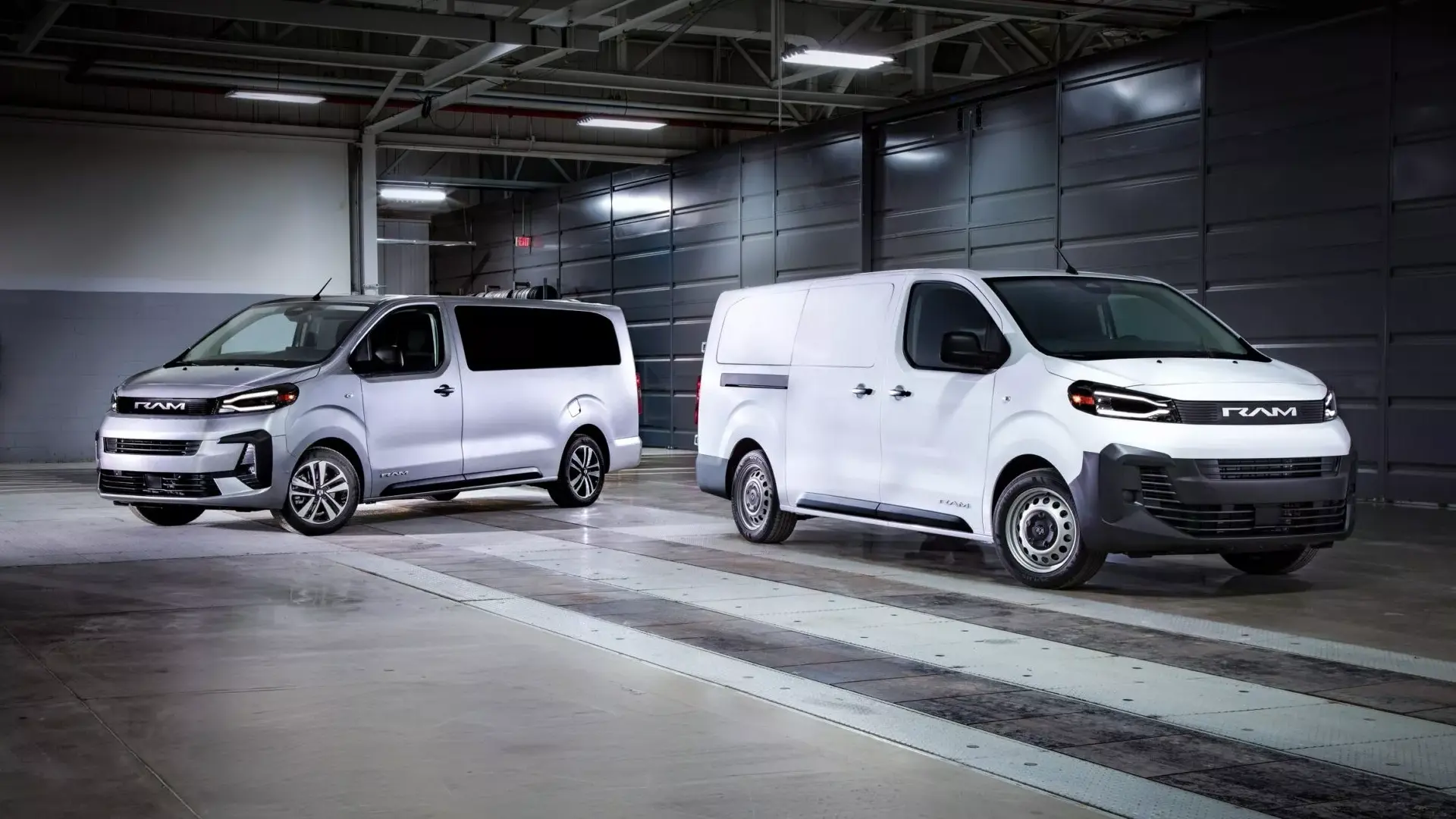
The results were mixed among the seven cargo vans tested, with a few models demonstrating that effective crash avoidance is achievable. The Mercedes-Benz Sprinter 2500 earned a Good rating for vehicle-to-vehicle prevention and an Acceptable rating for pedestrian detection.
Chevrolet’s electric BrightDrop 400 and the Rivian RCV-Delivery 500 both received Good pedestrian crash-prevention ratings. However, their vehicle-to-vehicle results were Acceptable and Marginal, respectively.
At the opposite end of the rankings, the Chevrolet Express 2500 and GMC Savana 2500 received Poor ratings in both evaluations. Neither offers automatic emergency braking, although an optional forward collision warning system is available.
The Ford Transit T250 and Ram ProMaster 2500 also struggled, receiving Poor vehicle-to-vehicle ratings and Marginal pedestrian ratings. These results highlight significant differences in the safety technology offered across the commercial vehicle market.
Motorcycles And Children Proved Particularly Challenging
The IIHS tests assess how effectively vehicles respond to passenger cars, motorcycles, and semitrailers, as well as pedestrians in different conditions. Several systems struggled to recognize motorcycles, sometimes failing to warn drivers or reduce speed before a potential collision.
Pedestrian testing exposed another weakness involving child-sized targets. Some vehicles detected the child dummy initially but appeared to lose track of it as they approached, potentially because of their tall front ends and sensor positioning.
Nighttime performance also varied, with certain vehicles struggling to slow sufficiently for adult pedestrians. In some cases, automatic braking systems performed noticeably worse with low-beam headlights than with high beams.
IIHS Wants Commercial Vehicle Safety To Improve
According to the IIHS, 6,215 people died in U.S. crashes involving medium- or heavy-duty vehicles or light vans during 2024. That represented approximately 16% of all roadway fatalities recorded that year.
IIHS President David Harkey described the findings as a wake-up call for commercial vehicle manufacturers. The organization hopes its expanded testing program will encourage improvements and help businesses choose safer vehicles for their fleets.
Additional evaluations of Class 3 vehicles will continue through 2027, including assessments of headlights and rear automatic emergency braking. Larger Class 4 through Class 6 trucks are also scheduled to enter the testing program later.
The early results demonstrate that commercial vehicle safety technology still has substantial room for improvement. With some manufacturers already achieving strong ratings, the challenge now is making effective crash prevention a consistent feature across the segment.