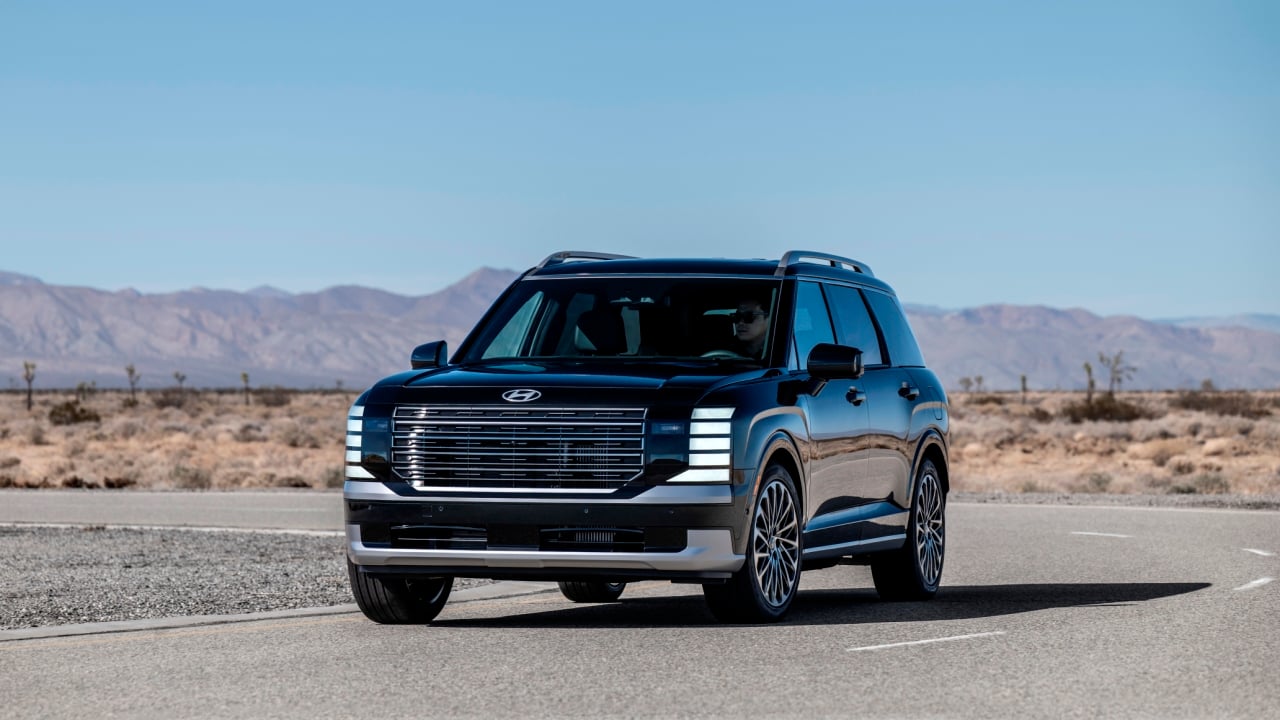
Hyundai continues to post impressive sales numbers in key markets, particularly the United States, yet the company’s financial performance is telling a different story. Despite strong demand for several of its vehicles, Hyundai reported a sharp decline in second-quarter operating profit as global challenges weighed on its bottom line.
The South Korean automaker says growing competition from Chinese brands, weaker sales in Europe and China, U.S. tariffs, and geopolitical uncertainty all contributed to the weaker earnings. Those headwinds offset gains in markets where Hyundai continues to perform well.
The company’s second-quarter operating profit fell nearly 21 percent year-over-year to 2.85 trillion won (approximately $1.9 billion). That figure also came in below analyst expectations of roughly 3.1 trillion won.
The results highlight a growing reality facing global automakers. Strong vehicle sales do not always translate into stronger profits when rising costs, regional slowdowns, and political uncertainty begin to squeeze margins.
Sales Success Isn’t Happening Everywhere
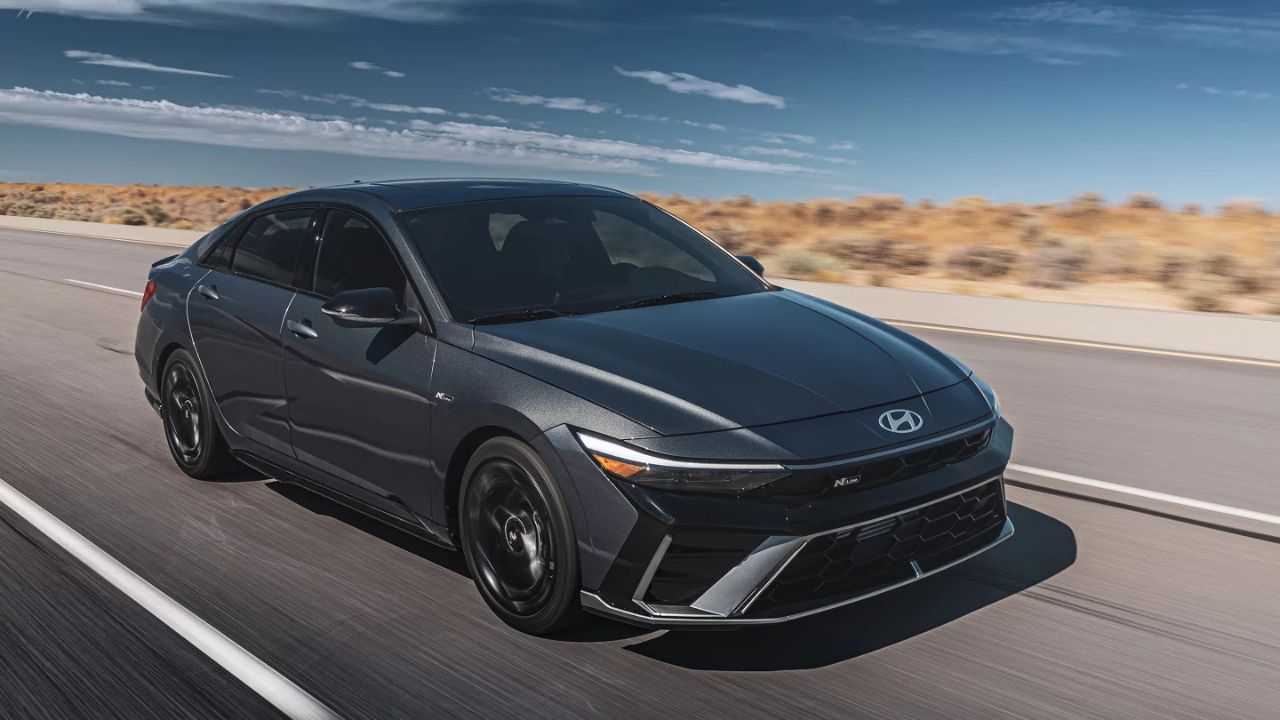
Hyundai continues to enjoy momentum in several important markets. Sales in the United States and India both increased during the quarter, helping support overall revenue despite weakness elsewhere.
The company also continues to set monthly sales records in the U.S., where SUVs remain the biggest contributors. The Hyundai Tucson has been the brand’s best-selling model this year, followed by the Elantra, Santa Fe, and Palisade.
Globally, however, the picture is less encouraging. Vehicle deliveries during the quarter totaled just under 991,000 units, down 6.9 percent compared with the same period last year, while worldwide retail sales declined 4.2 percent.
Much of that weakness came from Europe, where sales fell 7 percent, and China, where deliveries reportedly dropped 33 percent as domestic automakers continued to gain market share.
Chinese Competition Continues to Intensify
China has become one of the world’s most competitive automotive markets, particularly in the electric vehicle segment. Domestic manufacturers have rapidly expanded their product offerings while competing aggressively on pricing and technology.
Hyundai’s Chief Financial Officer Lee Seung Jo acknowledged the pressure during the company’s earnings call, saying China’s aggressive EV expansion is having a significant impact on overall market demand.
The challenge is not unique to Hyundai. Nearly every established global automaker has faced increasing pressure in China as local brands continue strengthening their positions both domestically and internationally.
Tariffs and Global Uncertainty Add More Pressure

Hyundai also pointed to higher costs resulting from U.S. tariffs. The company estimates those tariffs reduced second-quarter earnings by roughly 900 billion won, or about $614 million.
Combined with the impact recorded during the first quarter, Hyundai says tariff-related costs have now exceeded $1 billion this year. Those additional expenses make it more difficult to convert healthy sales into stronger profits.
The company also cited broader geopolitical instability as another source of uncertainty. Rising raw material costs, disrupted supply chains, and continued global tensions have created an increasingly unpredictable business environment for manufacturers around the world.
Domestic Challenges Remain
External pressures are not Hyundai’s only concern. The automaker is also dealing with weaker domestic demand in South Korea while continuing wage negotiations with labor unions.
Reports indicate that partial strikes have already interrupted production, adding further costs during an already difficult period. Prolonged labor disputes could place additional pressure on profitability if agreements are not reached.
Although Hyundai remains financially healthy, the combination of slowing overseas demand, higher operating costs, and domestic labor issues presents a more complicated outlook than its sales figures alone might suggest.
Strong Products Face a Tougher Global Market
Hyundai’s latest results demonstrate that growing vehicle sales are only one measure of success in today’s automotive industry. Profitability increasingly depends on navigating tariffs, shifting consumer demand, regional competition, and supply chain costs that are often beyond an automaker’s control.
The company remains one of the industry’s strongest volume performers, particularly in North America, but restoring profit growth may require a combination of improved market conditions, cost management, and stronger performance in regions where sales have softened.
With competition intensifying across nearly every major market, Hyundai’s ability to balance continued sales growth with healthier margins will likely be one of the key stories to watch through the remainder of the year.
Do you think Hyundai can maintain its impressive sales momentum while restoring profitability, or will growing competition and global economic pressures continue to squeeze automakers’ earnings? Let us know your thoughts.