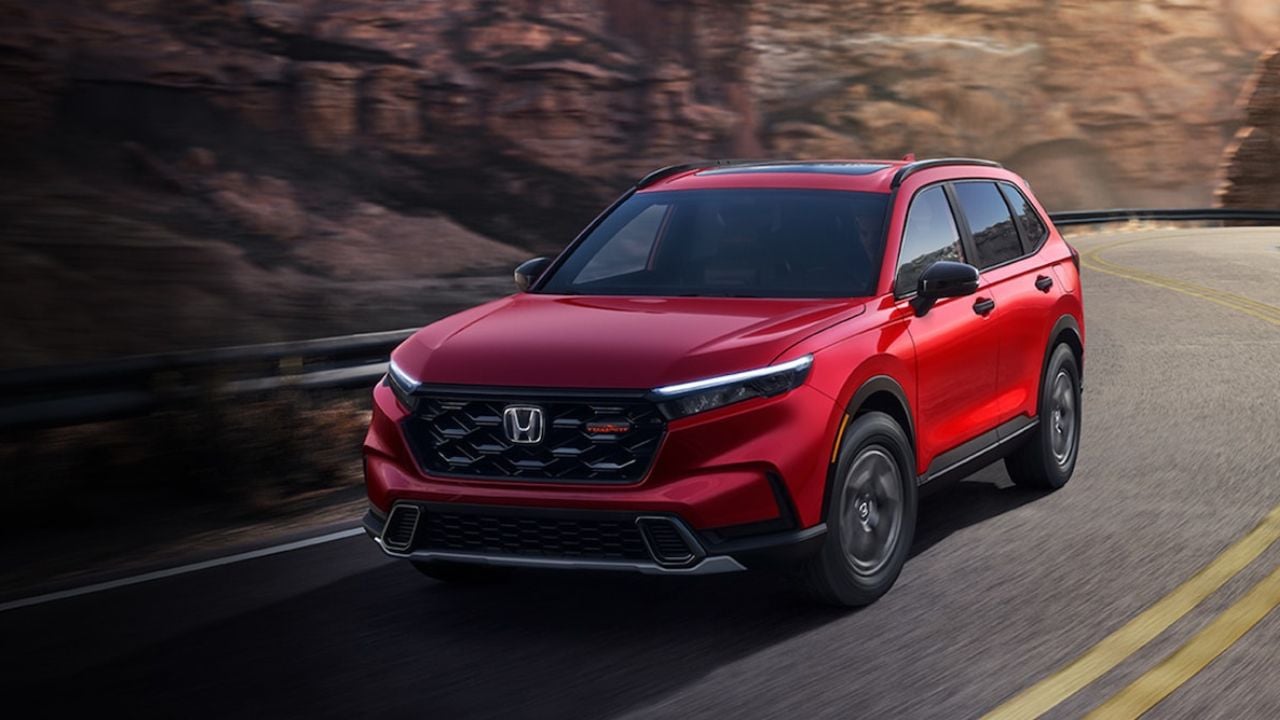
Hybrid vehicles are now disappearing from dealer lots faster than any other type of new vehicle in the United States, highlighting a major shift in buyer priorities as fuel prices continue climbing and consumers look for alternatives to traditional gasoline models.
Recent inventory data shows that hybrids are currently outpacing both conventional gas-powered vehicles and fully electric cars when it comes to sales speed. The trend reflects growing demand for vehicles that offer improved fuel economy without the charging concerns that still make some buyers hesitant about EV ownership.
According to industry figures reported by Automotive News, overall new-vehicle inventory in the U.S. fell to roughly 2.85 million units in May. Supply levels have tightened as demand for electrified vehicles increases across multiple segments of the market.
While hybrids still represent a relatively small portion of total inventory, dealers are struggling to keep them in stock for long.
Hybrids Are Moving Faster Than Gas Cars And EVs
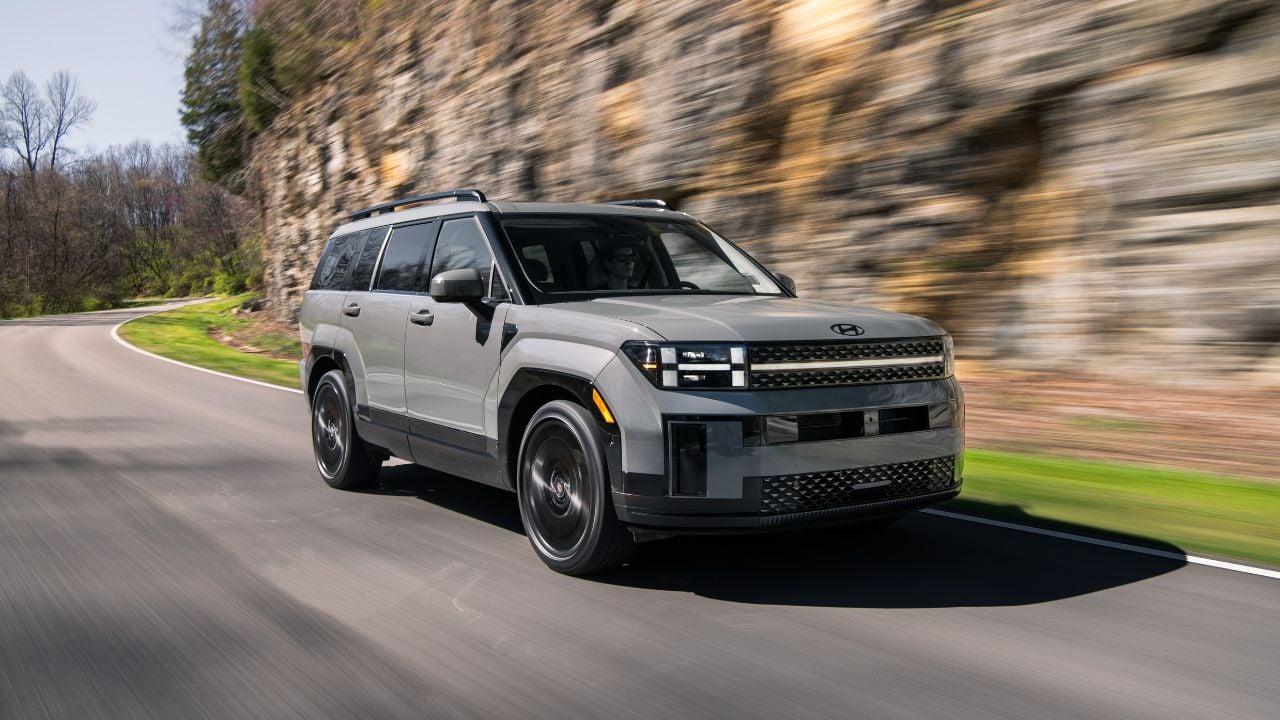
Data from analytics firm Catalyst IQ shows hybrids spent an average of just 59 days on dealer lots before being sold. By comparison, traditional gasoline-powered vehicles averaged 75 days of supply, while fully electric vehicles remained on lots for around 114 days.
That difference is significant because it suggests many consumers now view hybrids as the most practical middle ground between efficiency and convenience. Buyers can benefit from lower fuel consumption without depending entirely on public charging infrastructure or altering long-distance travel habits.
The surge in interest comes as fuel prices remain elevated following ongoing geopolitical tensions and instability in the Middle East. Higher operating costs for gasoline vehicles appear to be pushing more shoppers toward electrified alternatives.
Inventory across the broader automotive market also declined by about 2.7 percent compared with the start of April, reducing the industry’s overall supply from roughly 80 days to 76 days entering May.
Toyota Dominates The Hybrid Market
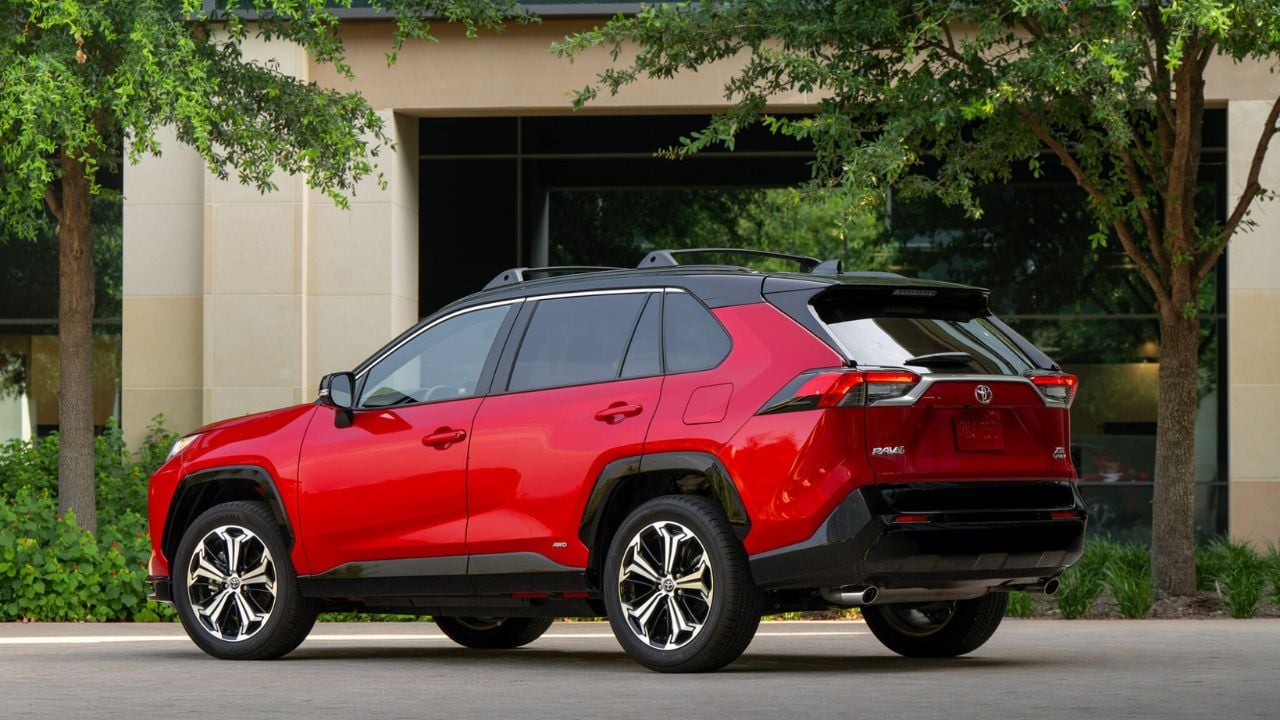
Toyota remains the dominant force in the American hybrid segment, led by strong demand for the Toyota RAV4 Hybrid. Industry data suggests the RAV4 accounts for nearly half of all new hybrid registrations in the country.
Other automakers are also benefiting from the growing shift toward hybrids. Honda, Hyundai, and Kia have all seen strong increases in hybrid demand, particularly in the crossover and midsize sedan categories.
Hyundai and Kia reportedly experienced hybrid demand growth of nearly 58 percent year-over-year, underscoring how rapidly the segment is expanding.
Small and midsize sedans currently have some of the tightest inventory levels in the market, while pickup truck supply has also started shrinking despite traditionally strong stock levels in that segment.
Hybrids Continue To Gain Market Share
Hybrid vehicles now account for approximately 16.3 percent of the U.S. automotive market, nearly double the share currently held by battery-electric vehicles at around 8.6 percent.
That gap illustrates how hybrids have evolved from a niche fuel-saving option into a mainstream choice for buyers who want efficiency without fully committing to EV ownership. Some consumers who previously considered electric vehicles are also reportedly going back toward hybrids due to charging concerns, range anxiety, or higher EV prices.
Automakers have noticed the trend as well. Many manufacturers that initially focused heavily on all-electric lineups are now increasing hybrid investment as demand patterns change.
For the broader industry, the rapid growth of hybrids suggests the transition toward electrification may continue moving forward in stages rather than through an immediate full shift to battery-electric vehicles. Right now, for many American buyers, hybrids appear to offer the balance they want most: lower fuel costs, familiar driving habits, and fewer compromises.