
We’ve all seen gas prices doing the cha-cha slide to the stratosphere, and suddenly, everyone’s whispering about hybrid cars like they’re the automotive equivalent of a winning lottery ticket. “Quieter commute!” they chant. “Fuel-efficient school runs!” they exclaim. And hey, the idea is tempting, like a perfectly modded LS swap you don’t have to explain to your spouse.
But hold your horses, or rather, your partially electric ponies. While hybrids can certainly save you some green (both in your wallet and for the planet, supposedly), they’re not all rainbows, regenerative braking, and silent suburban stealth. Before you ditch your glorious, gasoline-chugging V8 for something with a high-voltage battery and a badge that looks like a weed leaf, let’s peel back the veneer.
Consider this your insider’s guide to the not-so-glamorous, sometimes-aggravating truth about hybrid life. We’re not saying you can’t go hybrid, we’re saying to consider these facts before switching over. And if you already own a hybrid and are just wanting to be nosy, come take a look and let us know if you’ve experienced any of these — or if your hybrid is a special case.
Getting a Hybrid Is Not Saving Per Se

Let’s start with the cold truth that’s harder than a cheap set of coilovers. Some buyers rush into getting a hybrid, thinking they’ll instantly save a fortune and can be swimming in cash. Here’s the reality check: you’re not saving any money if the initial investment is significantly higher than a regular, internal combustion engine (ICE) vehicle. It’s like buying a platinum-plated wrench set when your old Craftsman works just fine — fancy, but financially questionable.
Take the 2024 Honda CR-V. The standard gas-powered model kicks off around $30,850 MSRP. Now, if you want the Touring Hybrid version, prepare to fork over $41,550. That’s a cool $10,700 premium for the “privilege” of plugging in. So, do the math: how many thousand miles do you need to drive in EV mode only (and we’ll get to that fantasy in a second) to even break even? You’ll be tracking your mileage like it’s a Le Mans endurance race just to justify that extra chunk of change.
EV Only Drive Mode is Pure Fantasy

Many manufacturers pump out these “EV-only” range figures like they’re the gospel, purely to get you in the showroom. If you’re a car owner who lives in the real world, you understand there’s more to driving than gently coasting through a suburban cul-de-sac at 15 mph. We’re talking about merging onto the freeway, passing that guy doing 45 in the fast lane, or, you know, climbing anything steeper than a driveway.
For instance, the 2024 Mitsubishi Outlander PHEV boasts a 20 kWh battery, supposedly good for 38 miles of pure, emission-free electric juice. Here’s the kicker: What the dealer will conveniently “forget” to mention when you’re signing away your firstborn is the maximum power output in EV-only mode.
In the real world, driving up a steep hill, accelerating past that snail-paced road construction, or just trying to get around a garbage truck without causing an interstate pile-up will cause the power demand to exceed the maximum EV output. And just like that, the gas engine will kick in like a supercharged guardian angel. In essence, you can’t quite have an EV-only driving experience unless your commute is entirely downhill, with a tailwind, and no other cars on the road. Good luck with that.
You Need To Be Faithful to Charging To Enjoy EV-Only Mode
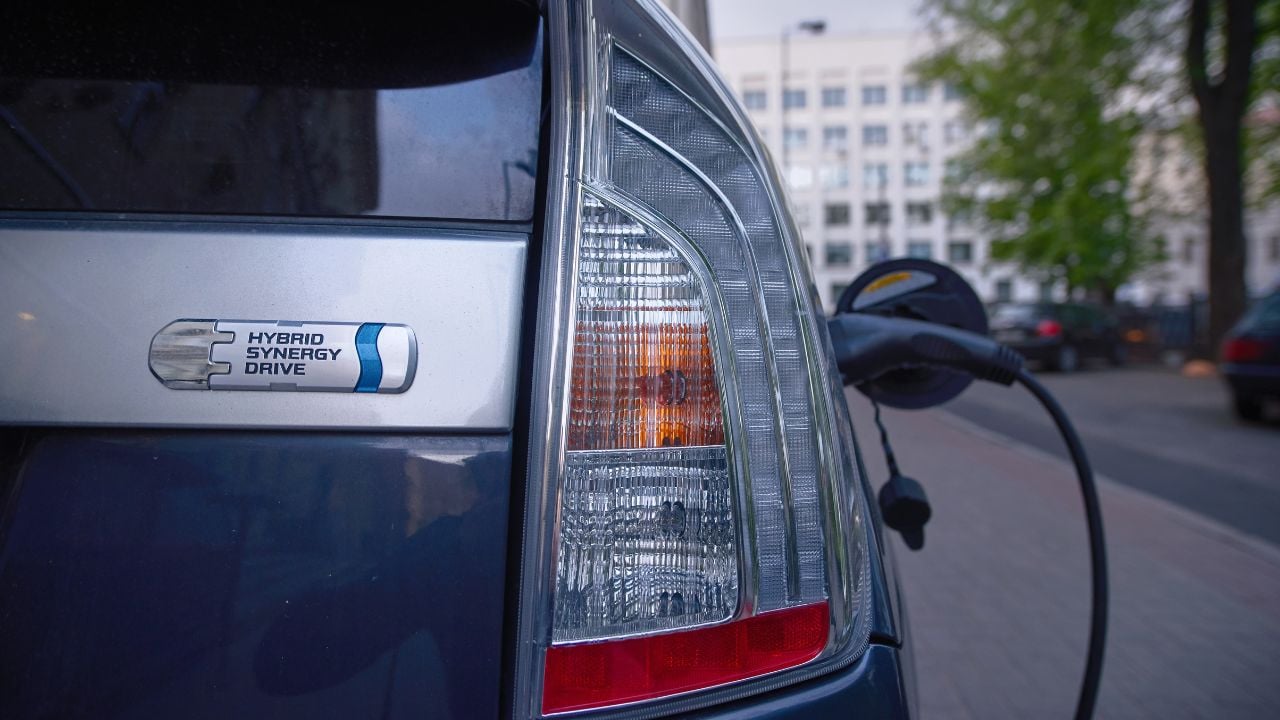
So, you went for it. You got the hybrid. Now, if you’re going to use that “EV only” mode (and actually see some of that theoretical fuel savings), you’ll need a fully charged battery. This means you must plug it in religiously, like a smartphone. That’s as cringe as your friend who has to post every meal on Instagram. Even on days you come in late and just want to collapse on the couch, you’ll first have to plug it in.
If your battery runs out of juice, sure, you’ll be fine. It’s a hybrid, after all, and the combustion engine will kick in, but then what’s the point of lugging around hundreds of pounds of a dead, heavy hybrid battery pack? It’s just expensive, inert baggage, like that toolbox you carry but never use. You’re basically driving a slightly less efficient gas car with a lead vest on.
Meager Performance

The whole point of getting a car, for most of us, is to get humans, pets, and goods from point A to B with some semblance of ease, and maybe a little enjoyment. Unfortunately, somewhere along the line, the conversation took a sharp left from practicality to “efficiency” — which is okay.
However, when the trade-off for those mythical MPG numbers is reduced acceleration, pitiful low-end torque, and towing capacity that wouldn’t pull a child’s wagon, it makes you want to go screaming back to the “devil you know,” aka the good ol’ regular gas-powered engine.
Conventional ICE cars, especially those with some proper displacement or a turbo, often offer better off-the-line acceleration, more robust torque delivery, and actual towing chops, all while being surprisingly reliable and, in many cases, efficient enough for daily duties. Let’s be real, are you trying to win a fuel economy challenge or actually drive somewhere?
Owning a Hybrid Car is Not Cheap

Let’s be honest. Most consumers dive into hybrid ownership with visions of financial grandeur. However, maintaining a hybrid car is often not cheap. For starters, the insurance premiums on a hybrid are frequently higher than for a regular non-hybrid car. Why? Because they’re more complex, more expensive to fix, and, when you hit something, there’s more fancy tech to smash.
Also, since hybrid cars use complicated, interconnected systems (combustion engine, electric motors, high-voltage batteries, power control units, etc.), their maintenance and repair will often be significantly higher. This is an additional financial burden on top of higher insurance and that already hefty initial investment. It’s like buying a show car — looks good on paper, but good luck finding a cheap mechanic for it.
Hybrid Batteries are Expensive to Replace

There’s a good chance you’ll replace your hybrid car before it gets 8 to 10 years old, which, coincidentally, is typically right around the time the warranties on these massive battery packs run out. If you do keep it long enough to need a replacement, prepare for sticker shock. We’re talking $2,000 to $8,000 for a new one, depending on the model and severity of damage.
And let’s not forget the labor involved. It’s going to be higher than your regular oil change because it needs specialized diagnostics, tools, and professional service. You can’t just slap a new battery in with a crescent wrench and a YouTube video. It’s like that time you tried to roll your own sushi… You’ll definitely need a specialist.
One Carbon Footstep Forward, Two Footsteps Back

“Go green!” they say while biting an Impossible Burger. “Save the planet!” they scream from their bicycle commute to work. Green energy is indeed a good thing, for the environment and for the future of the planet. However, despite the green benefits hybrid vehicles present — like reducing tailpipe emissions (when the gas engine isn’t kicking in) — their manufacture has some serious socio-environmental implications that often get swept under the proverbial rug.
The mining of rare raw materials (like nickel, lithium, and cobalt) used for hybrid battery production often has negative social and ecological implications. It upends the natural balance of the regions from which they are extracted, often with questionable labor practices. And here’s the real gut punch: only about 5% of the world’s batteries are currently recycled. Of the many automakers shifting into electrification, only a few, including Nissan, Renault, and Volkswagen, have made any real efforts to set up dedicated battery recycling plants.
So, while you’re feeling good about your “green” commute, remember the environmental cost of building and, more importantly, disposing of that fancy battery.
Not Enough Hybrid Models to Pick From

Legacy automakers have only just started embracing the notion of an electrified fleet with the enthusiasm of a teenager cleaning their room. This means there’s still a relatively limited variety of hybrid cars compared to the vast ocean of ICE vehicles. Therefore, it’s still tough to find a hybrid version of your favorite muscle car, sports sedan, or proper off-roader on the market. Yes, they are becoming more and more readily available every year, but we’re not exactly spoiled for choice yet.
That’s not all. The scarcity expands to vehicle specifications. For instance, choices get even slimmer for car guys looking for essentials like a manual transmission (good luck, buddy!) or proper overlanding capability. You want a hybrid that can tackle the Rubicon Trail and rev-match its downshifts? You’re dreaming in electric sheep, my friend.
Complicated Charging for PHEV

Not everyone has the luxury of living in a sprawling suburban home with a dedicated garage and a Level 2 charger. Most people in cities live in apartments, and for these folks, owning a Plug-in Hybrid Electric Vehicle (PHEV) becomes an exercise in frustration. Like pure EV owners, these PHEV owners find it extremely difficult and time-consuming to carve out time from their day just to charge their vehicles. Imagine lugging a charging cable down five flights of stairs, hoping no one trips over it.
And it gets worse when traveling long distances. Depending on the location, PHEV charging infrastructure might not be readily available, leaving you relying solely on that gas engine you paid a premium to not use. It’s like having a supercar you can only drive to the grocery store. What’s the point?
Hybrids Are Not Efficient All The Time

Every hybrid marketing brochure makes consumers believe they will be doing the Earth a solid by going green, saving a ton of money on gas, and remaining hyper-efficient. Well, even the most efficient compact city cars experience poor fuel economy if you drive them like you’re trying to outrun the cops.
That said, hybrid vehicles are truly economically viable primarily in stop-and-go city traffic. At highway speeds, the electric motor often takes a back seat, and the vehicle shifts predominantly to the combustion engine, significantly affecting efficiency. So, if your commute is a daily grind in bumper-to-bumper traffic, great. However, if you’re a long-distance driver, crushing miles on the open highway, a hybrid might not be the fuel-sipping hero you think it is. You’ll be burning gas just like everyone else, only with a heavier, more complex car.
Steep Depreciation Curve

All new cars drop in value the moment they leave the dealership lot. It’s a fact of life, like a check engine light popping up right after your warranty expires. The only moments they gain or retain value are during weird market anomalies, like that semiconductor shortage that made used Civics go for more than new ones.
However, hybrid cars tend to lose more value than their non-hybrid counterparts. They have a higher initial cost, for starters. Also, the older they are, the closer they get to needing those expensive battery pack replacements. Most used-car buyers are looking for good deals; a vehicle that’s due for a major, multi-thousand-dollar component replacement service is not exactly at the top of their wish list.
It’s like selling a project car with a blown engine — good luck getting top dollar.
Not Fun to Drive

At some point, you want to actually enjoy driving your car. You’ve spent a fortune getting one, after all. Other than hypercars, which are actually performance hybrids (think McLaren P1 or Porsche 918) and are thrilling to drive, regular hybrids are often not what anyone would call “fun to drive.”
Regardless of the engine’s size, a manual transmission, gas-powered car can provide a phenomenal experience for the driver. The visceral engagement of rowing your own gears, the satisfying exhaust note, the ability to do burnouts (for research purposes, of course), rev-matching downshifts, and those glorious exhaust burbles are a few of the undeniable pluses that make it hard for true enthusiasts to switch from ICEs to hybrids.
With most hybrids, you get a CVT that drones like a vacuum cleaner, a gas engine that kicks in awkwardly, and about as much driver engagement as a trip to the DMV. It’s a transportation appliance, not a driving machine.
Tricky to Repair
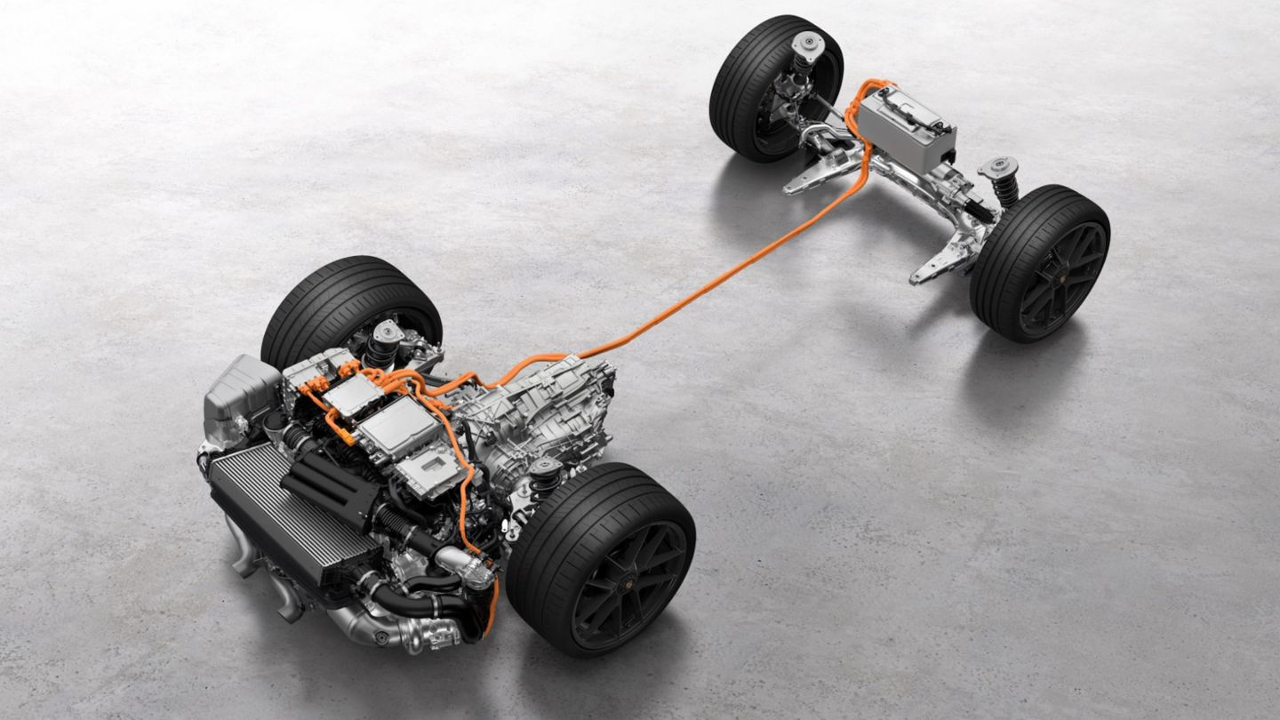
It wouldn’t take a genius to jump-start a regular gas-powered car. All you need are jumper cables and a battery pack. Things are a little more… complicated when it comes to hybrids. Hybrid vehicles run two distinct, interconnected systems: a combustion engine and an electric one. That’s twice the complexity, twice the sensors, and twice the things that can go wrong.
That said, repairing or diagnosing a hybrid car requires specialized tools, specialized training, and a level of skill that your average corner mechanic might not possess. Owners will often need to visit a specialized workshop or a dealership to get their vehicles fixed in case of issues.
The charges associated with hybrid repairs and services? Yeah, they aren’t cheap.
Hybrids Might Be Smart, But They’re Not Perfect
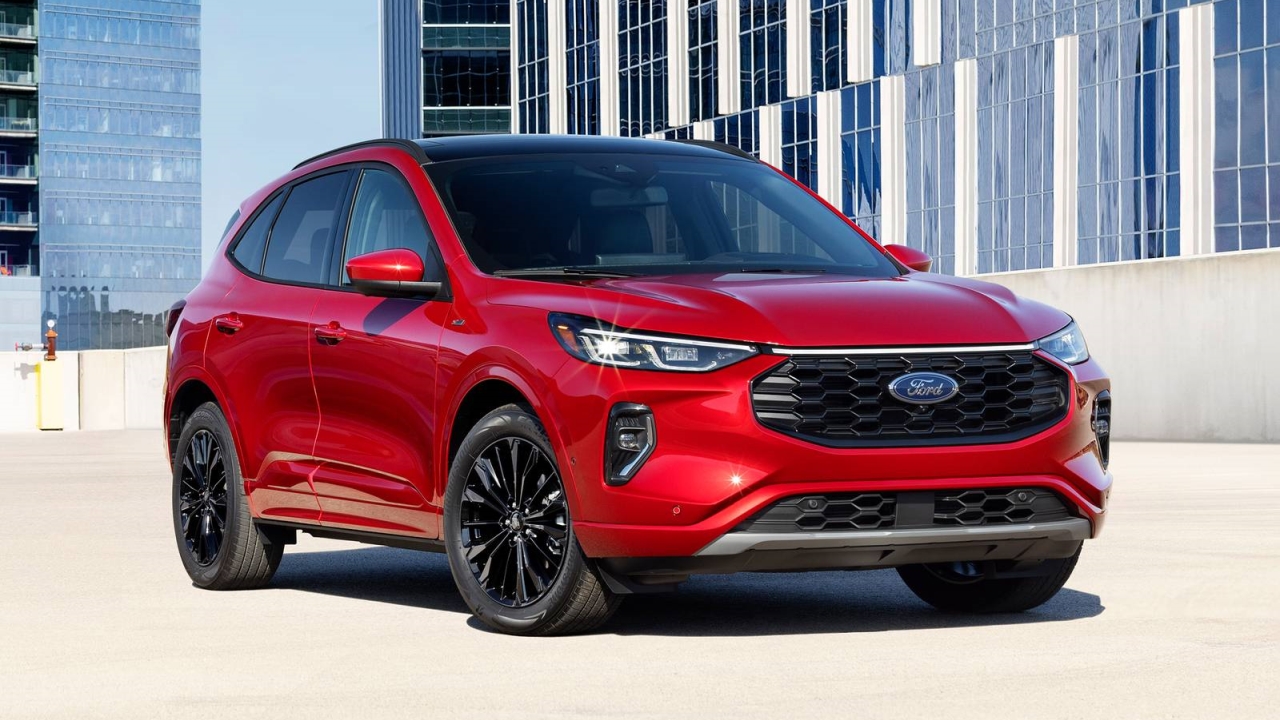
Hybrid cars aren’t a scam, but they’re also not the magical fix-all that some marketing department cooked up. Yes, they can save you some pennies at the pump and make your commute a little quieter (when the gas engine decides to take a nap), but they come with quirks, trade-offs, and fine print that those glossy brochures conveniently omit.
If you’re thinking about making the switch, go in with your eyes open, your expectations realistic, and maybe a calculator. The right hybrid can be a game-changer for your specific use case. The wrong one? Just an expensive science project on wheels that might leave you stranded, broke, and missing the glorious roar of a proper combustion engine. Choose wisely, charge up smartly (if you can), and remember: not all green cars are created equal.
So, what’s your take? Are hybrids the future, or just an expensive detour on the way to full EV?