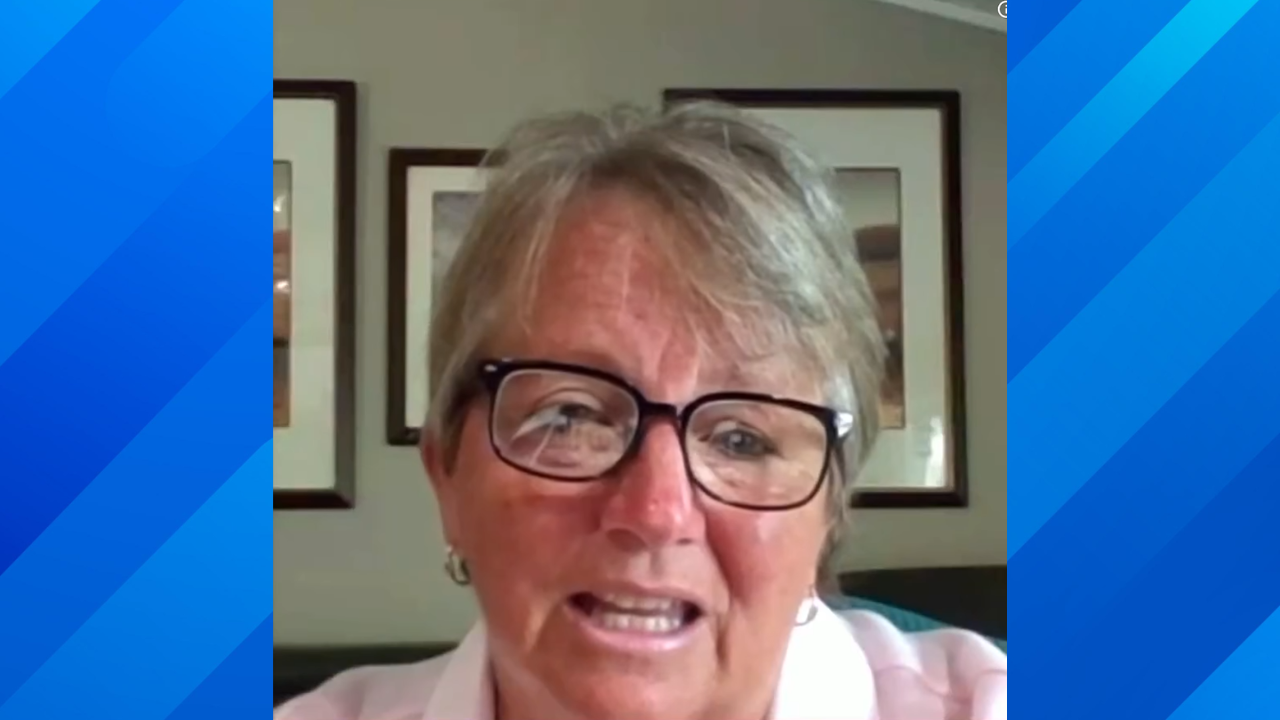
A Georgia nurse practitioner says she went to bed able to see normally and woke up with much of the vision in her right eye gone.
Diane Wirth, 66, had been taking the weight-loss drug Wegovy. Doctors later diagnosed her with nonarteritic anterior ischemic optic neuropathy, or NAION, a rare condition caused by disrupted blood flow to the optic nerve that can lead to sudden and permanent vision loss.
Wirth is now among hundreds of Americans suing companies that make popular GLP-1 medications, arguing that patients were not adequately warned about the potential eye risk. She is suing Wegovy maker Novo Nordisk, although a direct causal link between the medication and her vision loss has not been established.
Her case arrives amid an unusual split in the evidence. European regulators have already classified NAION as a very rare side effect of semaglutide, the active ingredient in Wegovy and Ozempic, while specialists reviewing the broader research say the absolute risk remains low and studies have produced conflicting results.
A U.S. Food and Drug Administration study examining the issue is still underway.
Gone Overnight
Embedded media follows; please allow a moment to load.
Wirth told TODAY and NBC News that there was no pain or advance warning.
“I woke up one morning and I was like, ‘What is wrong with my eye?’” she said. “I was fine when I went to bed, and I woke up, and the vision was gone.”
At first, it appeared that a wedge of her vision was missing. She now compares what remains in the affected eye to looking through glasses smeared with petroleum jelly. She can detect light but cannot read with that eye and has lost depth perception.
The effects spread quickly into the rest of her life. Wirth stopped driving, retired early from her work as a nurse practitioner and became more dependent on others for everyday tasks.
She told NBC that she would not have taken Wegovy had she known permanent vision loss might be a risk.
Novo Nordisk disputes the lawsuits. The company told NBC News that it believes the U.S. personal-injury cases are without merit and said its randomized clinical trials have not produced a safety signal establishing NAION as a semaglutide risk.
Europe Moved First
European regulators reached a different conclusion after reviewing clinical trials, post-marketing reports, epidemiological studies and other evidence.
The European Medicines Agency announced in 2025 that its safety committee had classified NAION as a “very rare” side effect of semaglutide, meaning it could affect as many as one in 10,000 people using the drug.
The agency said several large studies involving adults with Type 2 diabetes suggested approximately twice the risk among people exposed to semaglutide, amounting to roughly one additional NAION case per 10,000 person-years of treatment.
European product information for Wegovy, Ozempic and Rybelsus was subsequently changed to include the condition.
The World Health Organization also issued an alert based on the European review, describing NAION as a condition that typically causes sudden, painless loss of vision in one eye. The vision loss is generally irreversible, and there is currently no effective treatment.
The current U.S. Wegovy prescribing information, revised in February 2026, warns about diabetic retinopathy complications in patients with Type 2 diabetes but does not specifically identify NAION among its listed warnings and precautions.
Evidence Still Shifts
The research has not produced one uniform answer.
A 2026 systematic review and meta-analysis published in the American Academy of Ophthalmology’s journal examined six observational studies involving more than 4.8 million people. Its pooled adjusted results did not show a consistent overall increase in NAION among semaglutide users, although the authors described the evidence as low or very low certainty and said causation could not be established.
Other analyses have found an association. One 2026 meta-analysis involving more than a million semaglutide users reported a higher relative risk, particularly among patients with diabetes.
That disagreement is one reason the American Academy of Ophthalmology and North American Neuro-Ophthalmology Society stopped short of a sweeping conclusion in an August consensus statement.
The groups said many observational studies point toward a small possible increase in risk, while others find no correlation. Their conclusion was that the overall magnitude of any risk remains low and decisions about starting, continuing or stopping GLP-1 medications should be made between individual patients and their medical teams.
The U.S. Study
The FDA has not finished its own large investigation.
Its Sentinel Initiative study is examining GLP-1 use and NAION among adults with Type 2 diabetes using insurance claims and electronic health records. The agency says previous observational research has produced conflicting findings and designed the study to examine the safety signal more closely.
The project remains listed as in progress.
Dr. Manjot Gill, a retina specialist and Northwestern University professor, told NBC that patients should understand the distinction between relative and absolute risk. Even studies reporting a multiple-fold increase are examining an already rare disorder.
“The overall health benefits of these drugs would likely far outweigh the very small increased risk of this very, very rare complication,” Gill said.
She advised patients experiencing sudden, painless vision loss to contact a doctor immediately.
Wirth’s attorney, Jason Goldstein, told NBC that his firm alone represents at least 150 people diagnosed with NAION after taking GLP-1 medications for diabetes or weight loss.
For Wirth, the statistical debate came after the damage she says changed her daily life.
“It’s been very challenging,” she said, “and I would not want anyone else to have to go through this.”