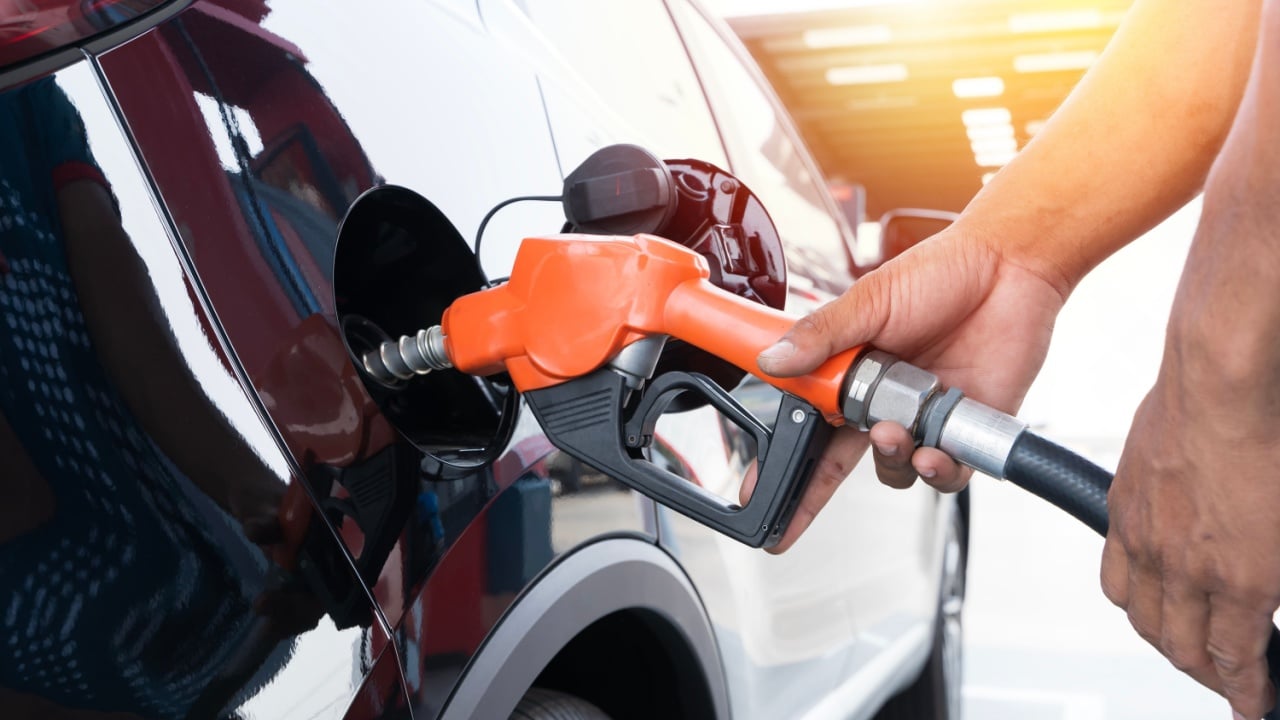
If it feels like your gas tank empties faster than it used to, you’re not imagining things. But here’s the good news: you don’t need to buy a new car or install anything fancy to stretch your fuel a little further. With just a few simple changes — mostly around how you drive and care for your car — you can noticeably improve your miles per gallon.
A recent tip-filled video from @central.park.garage on TikTok breaks it down beautifully. Here’s how you can make the most out of every fill-up, using what you already have.
Ease Up on the Gas Pedal
Let’s start with one of the simplest (and most effective) changes: driving a little slower. If you’re regularly doing 75 or 80 on the highway, consider easing back to around 65. It might not sound like much, but it makes a big difference. Your engine doesn’t have to fight nearly as hard against wind resistance, and that means less fuel burned per mile. It’s a quieter, calmer drive — and it keeps more money in your wallet.
@central.park.garage How to improve your cars fuel economy? #carrepair #carmaintenance #carmaintenancetips #mechanics #mechanicsoftiktok ♬ original sound – Central Park Garage
Stay on Top of Basic Maintenance
Your car is like your body — when everything’s running smoothly, it doesn’t have to work as hard. That’s especially true when it comes to things like tire pressure and oil changes. Low tire pressure means more rolling resistance, which forces your engine to work overtime just to keep you moving. Keep those tires properly inflated (check them once a month or so), and you’ll see better fuel efficiency almost immediately.
The same goes for oil. Clean, properly rated oil keeps your engine running smoothly. Dirty oil causes more friction, more heat, and — yep — worse fuel economy. Stick to the manufacturer’s recommended oil change schedule, and don’t forget to swap out old air filters while you’re at it. A clogged filter limits airflow to the engine, and that’s a quick way to lose efficiency.
Consider Higher-Grade Fuel (In the Right Car)
This one depends on what you’re driving. Some engines are tuned to run better on premium fuel — and in those cases, using it can help. Higher-octane gas burns cleaner and hotter, which can lead to a more complete combustion and, sometimes, a slight bump in fuel economy. But here’s the key: only use premium if your car recommends or requires it. If not, you probably won’t see a noticeable difference, and regular gas will work just fine.
Keep Fluids and Filters in Good Shape
A lot of folks don’t think about how much work fluids do to keep your car efficient. Things like transmission fluid and coolant help your engine run at the right temperature and reduce friction where it counts. If those fluids are old or low, your engine has to work harder — and that means burning more fuel. The same goes for fuel filters and air filters. Clean filters = better airflow and better performance.
Every Little Bit Helps
The truth is, improving fuel economy isn’t about one big fix — it’s about layering small habits that add up over time. A little slower on the highway, a quick tire pressure check, fresh oil and filters. None of it is hard, and it can make a real difference in how far your fuel takes you.
If you’re looking to squeeze a few extra miles out of every gallon, you don’t need to overhaul your car. Just give it a little more attention, drive it with a bit more care, and let those small wins add up.