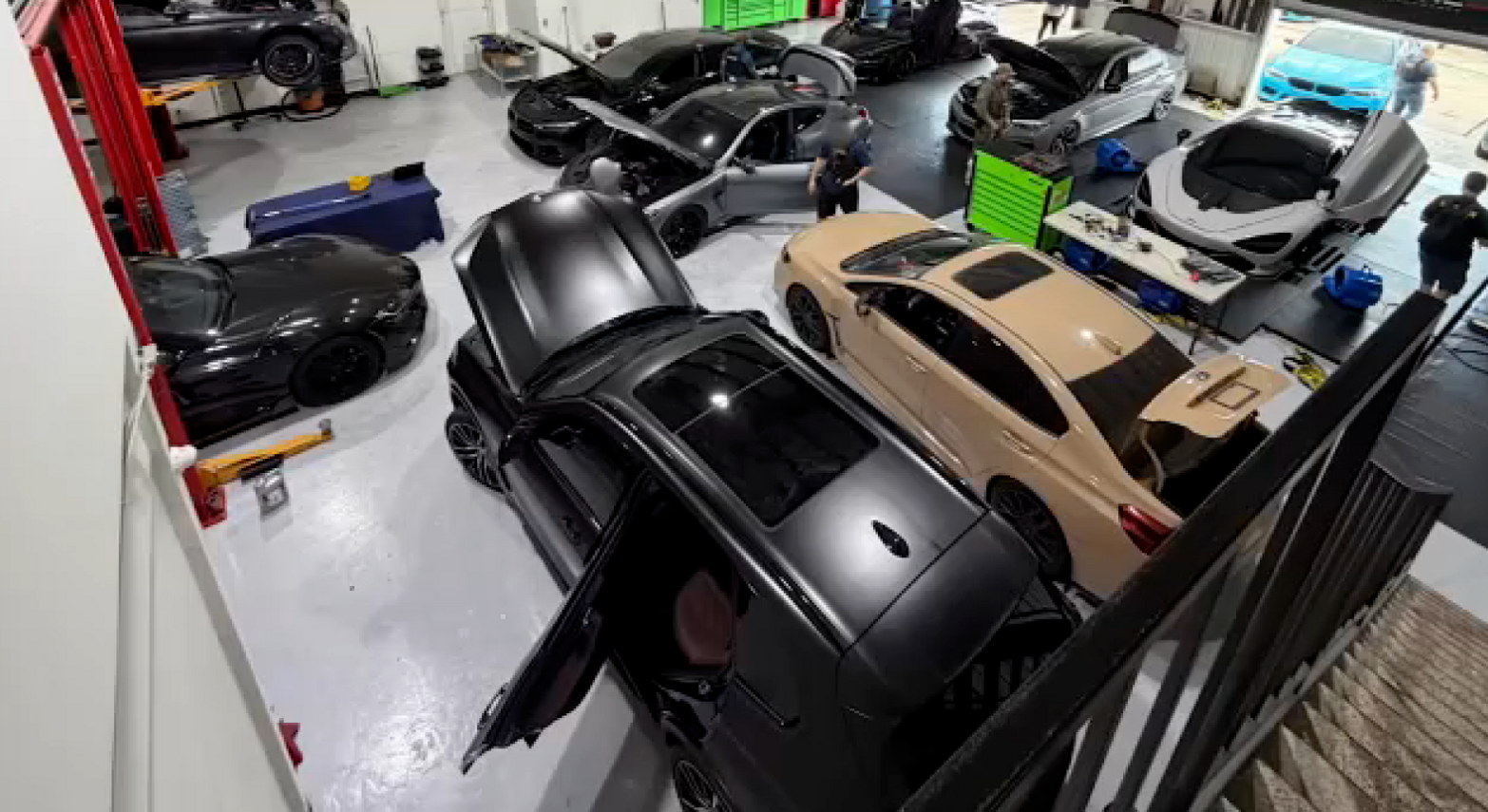
A west Houston auto shop is now the epicenter of what investigators are calling a large-scale fraud scheme, and it has nothing to do with bad paintwork or overcharging for oil changes. The allegations here are far stranger and, frankly, more alarming. Police say the owner was exploiting a legal tool designed to protect honest mechanics, turning it into a vehicle (no pun intended) for claiming ownership of expensive cars he never actually fixed.
The arrest happened on March 31, when Houston Police took Talal Obeid, the owner of Pure Performance on Windswept Lane, into custody. That same day, officers raided the shop and walked out with nine high-end vehicles, seven of which were BMWs, along with $47,000 in cash sitting on the premises. That is a lot of money and a lot of cars for a business that, according to investigators, could not produce a single receipt to justify any of it.
What makes this case unusual is that no one is accusing Obeid of simply stealing cars in the middle of the night. The alleged method was far more sophisticated. According to investigators, the scheme relied on fraudulent mechanic’s liens, a legitimate legal process that shops use to secure payment for completed work. On paper, everything looked like a normal business dispute. Underneath that paper, police say, there was nothing at all.
The case also appears to stretch well beyond Houston city limits. Authorities believe vehicles were being transported from California to Texas as part of the operation, suggesting this was not a local opportunist running a side hustle but something considerably more organized. When a fraud case develops its own interstate logistics network, that tends to get investigators’ attention fast.
What Is a Mechanic’s Lien and Why Does It Matter Here

For anyone who has never had to think about mechanic’s liens before, here is the quick version. When a body shop or repair facility completes work on a vehicle and the owner refuses to pay, the shop can file a lien against the car. If the debt goes unresolved, the shop can eventually take legal ownership of the vehicle through that process. It is a legitimate protection for small businesses that do real work and deserve to get paid for it.
The problem, as investigators outline it, is that this process was allegedly being used without the “real work” part. Police say liens were being filed with price tags in the tens of thousands of dollars, but when they asked for the documentation to back those claims up, nothing materialized. No damage photos. No parts receipts. No work orders. Just numbers on paper and cars that disappeared into a legal grey zone their actual owners never authorized.
One case highlighted by police involved an AMG Mercedes. In September, Obeid allegedly filed a notice of intent to claim a mechanic’s lien for $63,000 worth of repairs. When officers followed up in March asking for records to support that claim, they were told none existed. The lien, however, was still standing.
The Paper Trail That Led Nowhere
A system only works when people play by the rules, and investigators say this shop was counting on no one looking too closely. The mechanic’s lien process, when left unchallenged, can quietly transfer ownership of a vehicle. That is exactly what makes it such a useful target for someone willing to file fraudulent claims.
Beyond the police investigation, a lawsuit from VW Credit Leasing had already entered the picture. The company alleged that Pure Performance threatened to file a $60,000 lien on a vehicle leased to a California customer, again without being able to produce a work order showing any repairs were ever authorized by the customer. That is not a minor clerical issue. That is a fundamental problem with the entire premise of the claim.
On top of that, a Facebook group dedicated to customer complaints about the shop had already been building steam before the arrest. That kind of organic frustration does not appear out of thin air. It usually means a pattern of behavior had been going on long enough for multiple people to compare notes.
What the Raid Looked Like Up Close
When media crews arrived at Pure Performance around the time of the raid, the scene was not exactly forthcoming. Employees at the shop stayed quiet. A man identified by nearby business owners as Obeid made a brief appearance with part of his face covered before getting into a BMW branded with the shop’s logo and leaving. No statement. No explanation. Just a quick exit in a car that matched the brand of most of the vehicles seized from the property.
That detail is almost too on the nose, but here we are.
The nine vehicles police seized, combined with the cash on hand, paint a picture of a business that was generating significant value through means that had nothing to do with actual repairs. Whether that value came entirely from the lien scheme or involved other elements is something the ongoing investigation will presumably address.
What Drivers Can Learn From This Case
Most people do not spend a lot of time thinking about mechanic’s liens. Why would they? You bring your car in, someone fixes it, you pay, you leave. The legal machinery behind that transaction feels invisible because it usually is. This case is a reminder that the machinery exists, and that it can be pointed in directions it was never intended to go.
The practical takeaway for vehicle owners is straightforward. Keep records of where your car has been serviced, what work was authorized, and what you actually paid. If a lien ever gets filed against your vehicle, challenge it immediately and request full documentation. Under the law, shops are supposed to provide that documentation. If they cannot, that absence is significant.
For the broader conversation about consumer protection, this case raises legitimate questions about how mechanic’s lien filings are monitored. A $63,000 claim with zero supporting documentation standing long enough to catch the attention of law enforcement is not a sign of a well-functioning oversight system. It suggests that the process relies heavily on vehicle owners and lienholders actively pushing back, and that people who do not know to push back may simply lose.
Obeid’s arrest and the ongoing investigation will determine how far this goes legally. But the story it tells about a legal loophole being stretched beyond recognition is one that every car owner in the country probably deserves to hear.