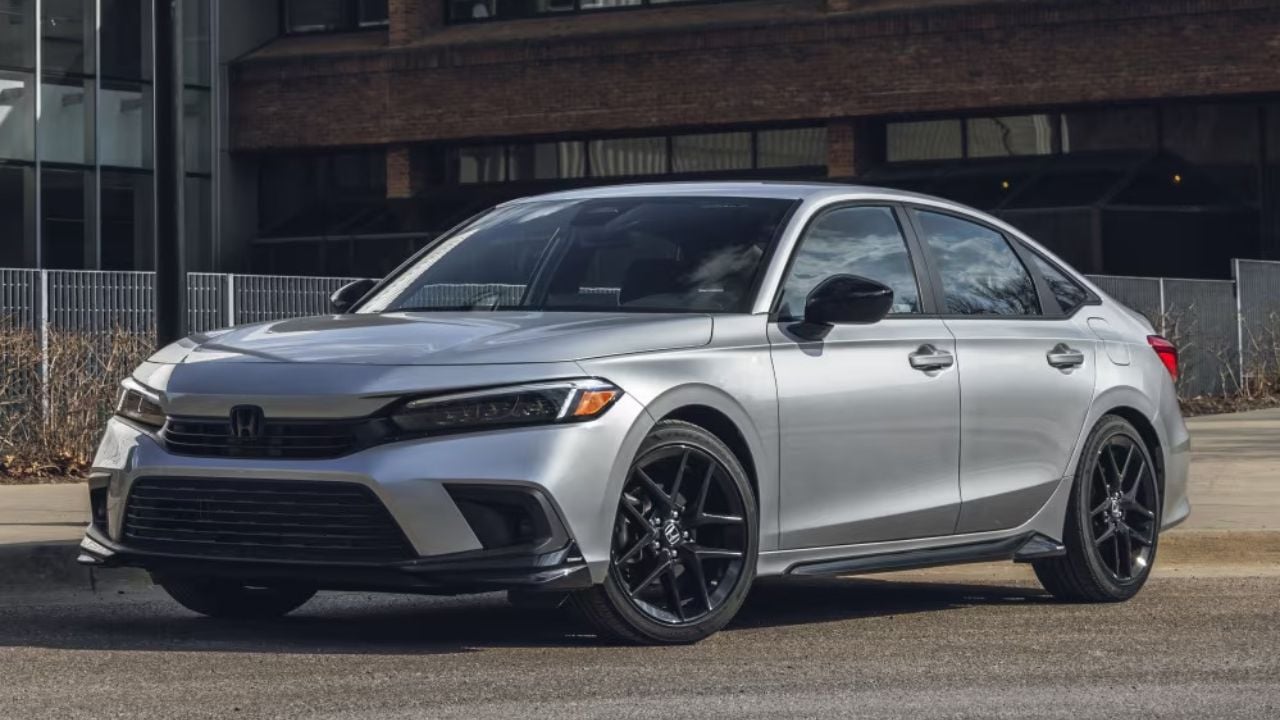
Honda is no longer acting like the EV transition will follow one clean script. The company is now making one of the sharpest course corrections of any major automaker after years of planning for a faster battery-electric ramp.
That change is coming at a real cost. Honda said in March that it expects EV-related charges of up to 2.5 trillion yen, or about $15.7 billion, a hit large enough to push it toward its first annual net loss since becoming a listed company in 1957.
The reversal says as much about the market as it does about Honda. U.S. EV demand weakened sharply after federal incentives were cut, forcing several automakers to rethink plans that looked fixed only a year earlier.
For Honda, the message is now much clearer. Electrification still matters, but the road ahead will be slower, more selective, and far more dependent on hybrids than the company once expected.
A Costly EV Reset
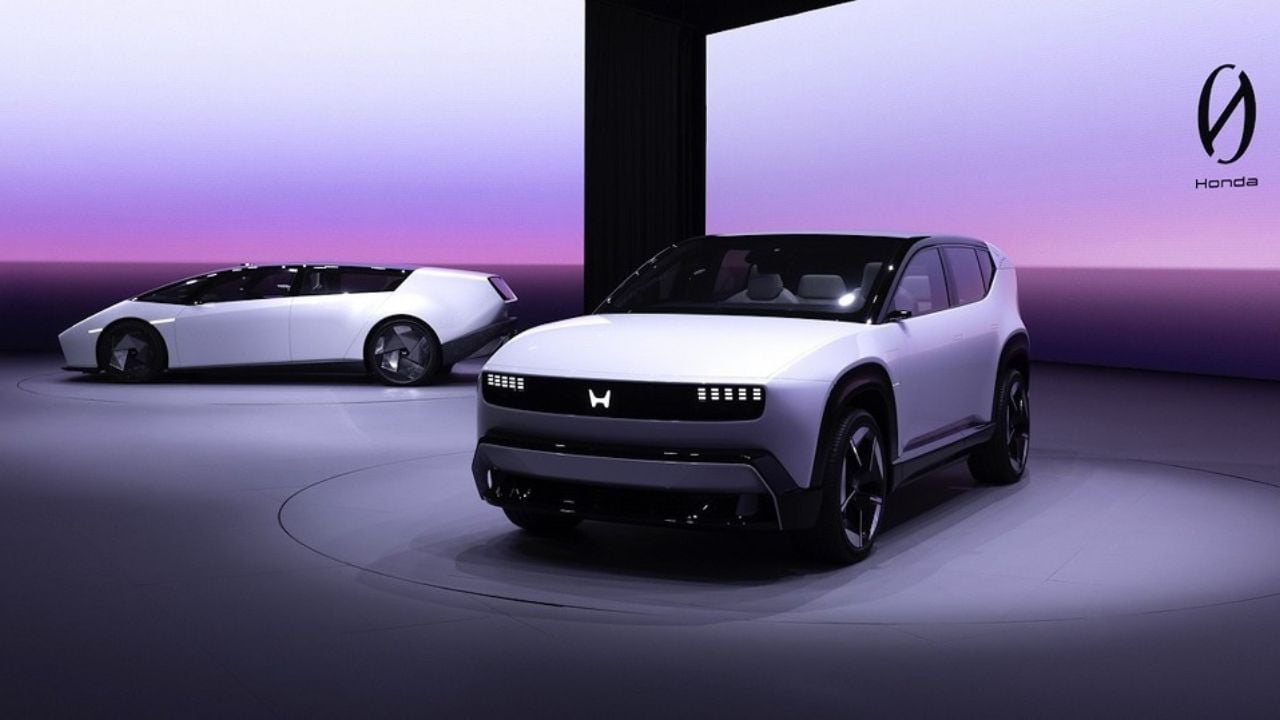
Honda’s March announcement was unusually blunt. The company said it had decided to cancel the development and market launch of three EV models planned for North American production: the Honda 0 SUV, the Honda 0 Saloon, and the Acura RSX.
That decision did not arrive in isolation. Reuters reported that Honda’s earlier U.S. EV program had been built around much stronger demand assumptions and that the sudden change in market conditions left the company with a much weaker business case for those vehicles than expected.
The financial impact is severe because this was not just a product delay. Honda tied the move to a broader reassessment of its electrification strategy, with massive write-downs linked to development, production preparation, and supplier commitments.
The Afeela Dream Also Faded
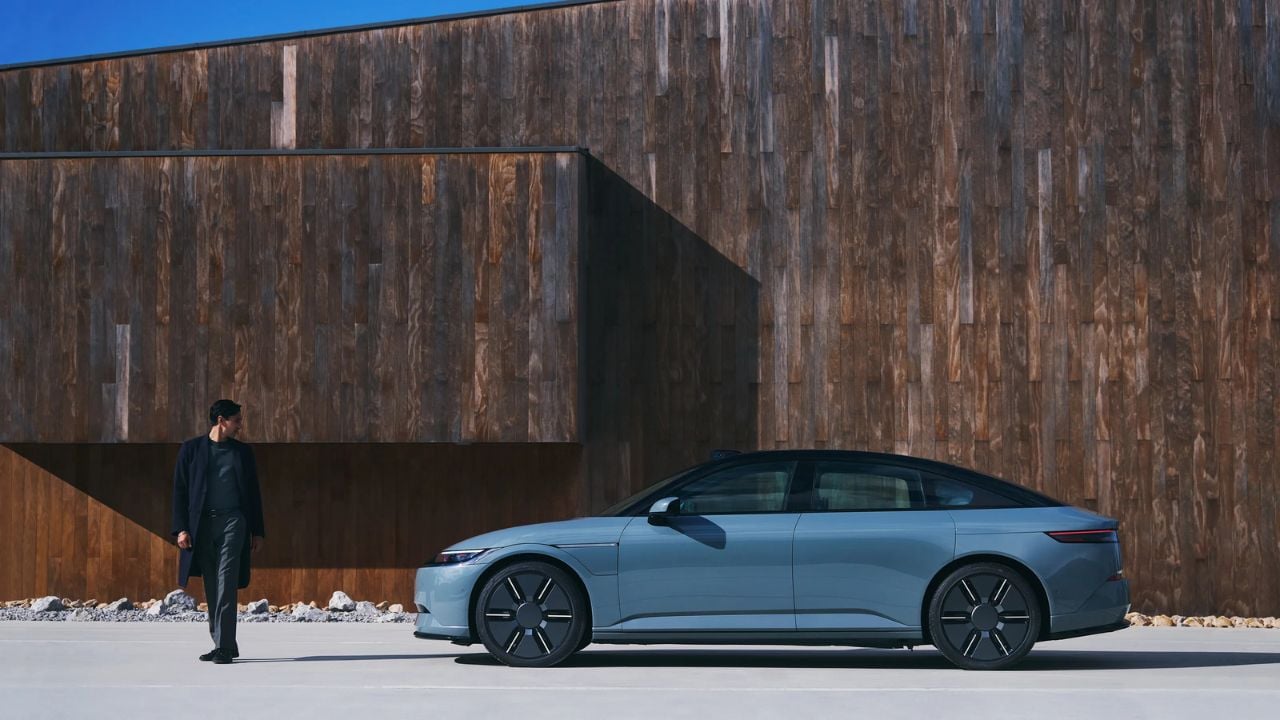
The retreat extended beyond Honda’s own badge. Sony Honda Mobility announced in late March that it would discontinue development and launch plans for Afeela 1 and its second planned model, ending a project that once looked like one of the boldest attempts to merge automotive and consumer tech expertise.
Reuters later reported that Sony and Honda would scale back the broader EV venture after the Afeela halt. That move reinforced the sense that Honda’s strategy shift is not limited to one factory plan or one product line but reaches across multiple parts of its EV push.
This is why the expected loss matters so much. Honda is not just absorbing a rough launch or a single failed product cycle. It is paying for a much larger rewrite of its assumptions about how quickly the battery electric market would mature.
Hybrids Are Back At The Center
That does not mean Honda is walking away from electrification altogether. The company still says carbon neutrality by 2050 remains the long-term goal, but its official language now stresses a broader and more flexible path rather than an all-in rush toward pure EVs.
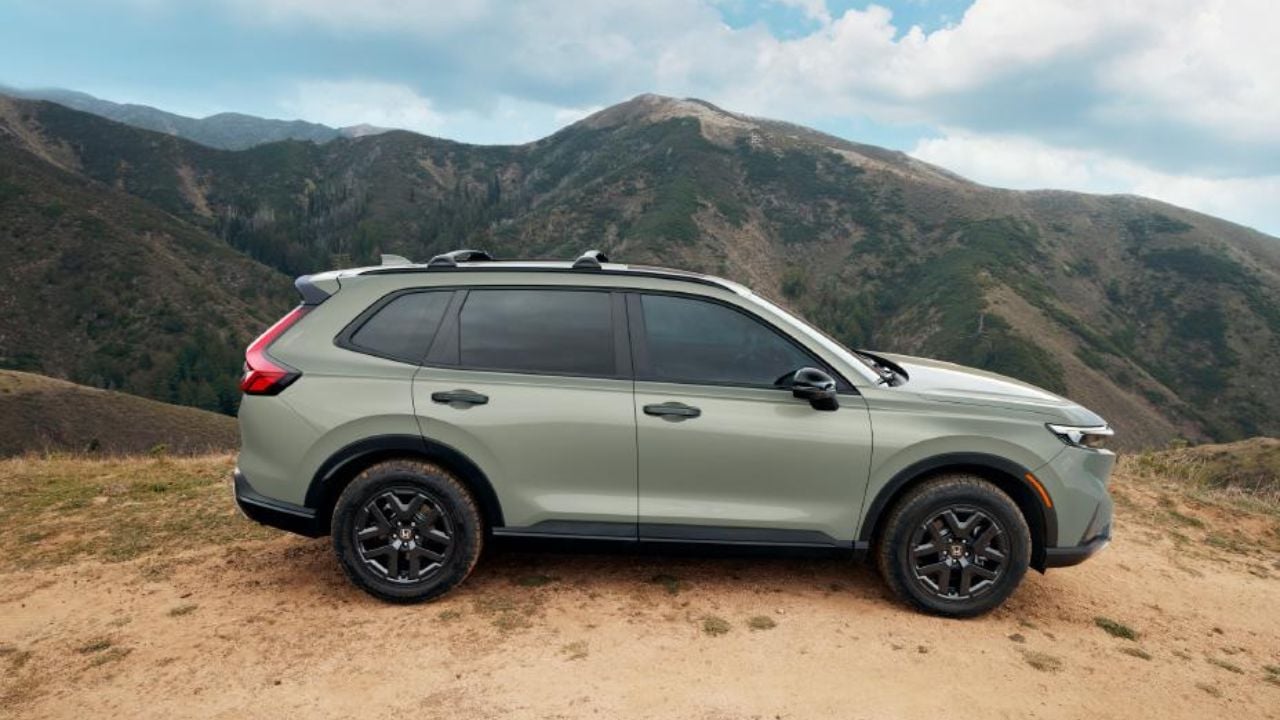
In practical terms, hybrids are becoming the more important bridge. Honda’s U.S. sales data already show why: the CR-V hybrid represented 56% of CR-V sales in March 2026, while Civic hybrid sales have remained a bright spot as the company leans on familiar, high-volume models.
That is a far safer place for Honda to stand right now. Hybrids let the company keep improving emissions and fuel economy without asking buyers to fully commit to the charging, pricing, and infrastructure questions that still weigh on EV demand in America.
A Slower Race With Higher Stakes
Honda is hardly alone in making this adjustment. Reuters reported in February that global automakers had already booked about $55 billion in EV related write downs as they scaled back battery plans, with Stellantis, Ford, GM, and Porsche all absorbing major hits.
That wider context helps explain why Honda’s move looks less like panic and more like a hard reset. The company is trying to preserve capital, protect profitability, and avoid forcing products into a market that has become more cautious and more uneven than many executives predicted.
So the story is no longer about Honda sprinting toward an electric future at any cost. It is about whether the company can slow down without losing direction, keep hybrids strong enough to support the business, and still arrive at its long term environmental goals with its credibility intact.
This article originally appeared on Autorepublika.com and has been republished with permission by Guessing Headlights. AI-assisted translation was used, followed by human editing and review.