With school shootings continuing to be a major concern in the U.S., some schools are turning to new technology to improve emergency response.
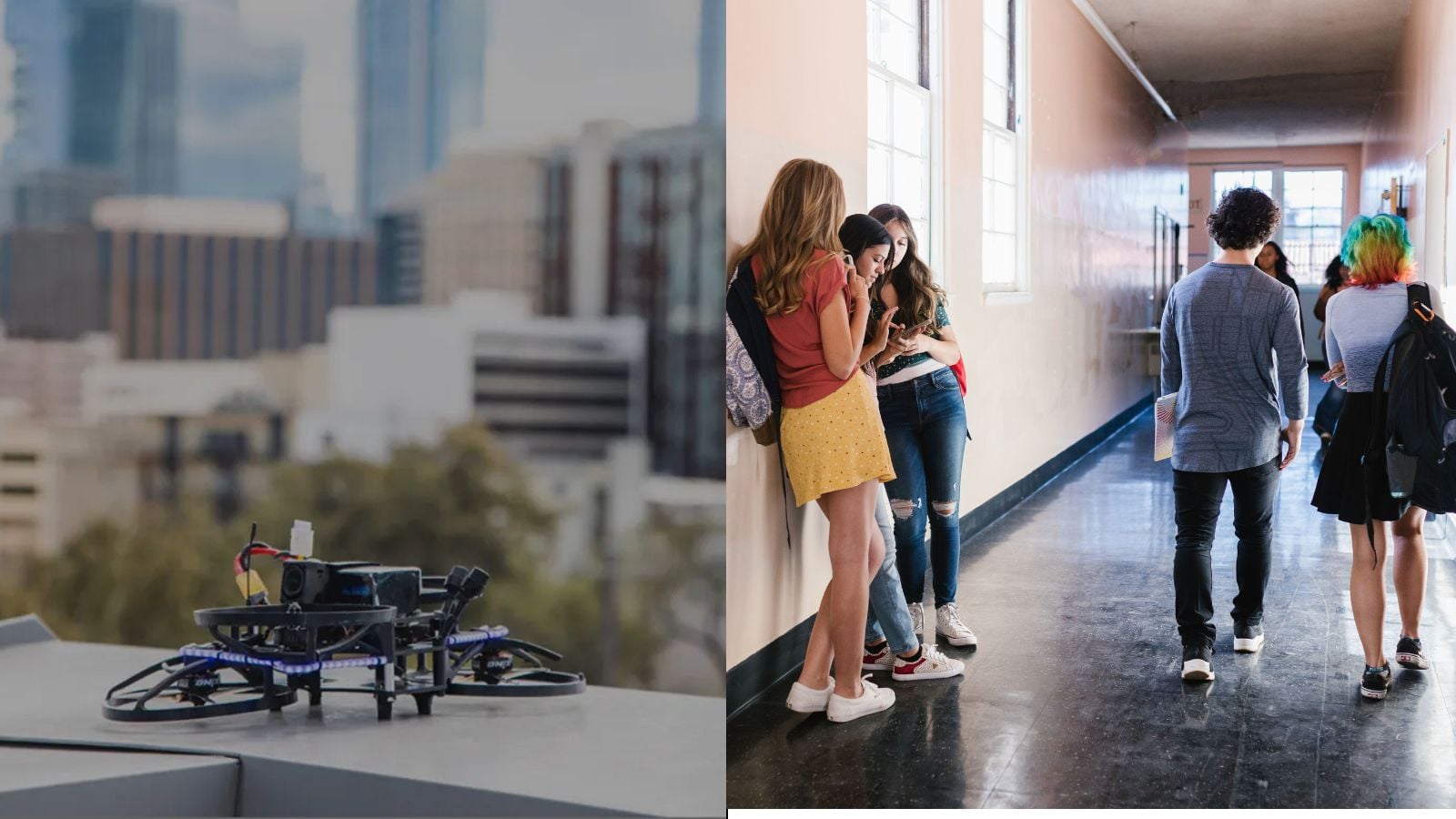
Several schools in Colorado, Florida, and Georgia are expected to begin testing the Campus Guardian Angel drones when the new academic year starts. The devices are equipped with pepper spray, strobe lights, and other features, allowing them to be deployed within seconds of an emergency.
The drones were developed by Mithril Defense, which is evaluating whether they can work alongside law enforcement to help respond to active shooter incidents, rather than leaving schools entirely dependent on police intervention.
The technology is designed to locate a shooter within seconds, as many school shootings unfold and end within just a few minutes. Its goal is to reduce casualties by enabling a faster response. If the suspect is not deterred, the drone can also be used to fly directly into the individual at speeds of up to 60 mph.
How Will the Drones Tackle School Shooters?
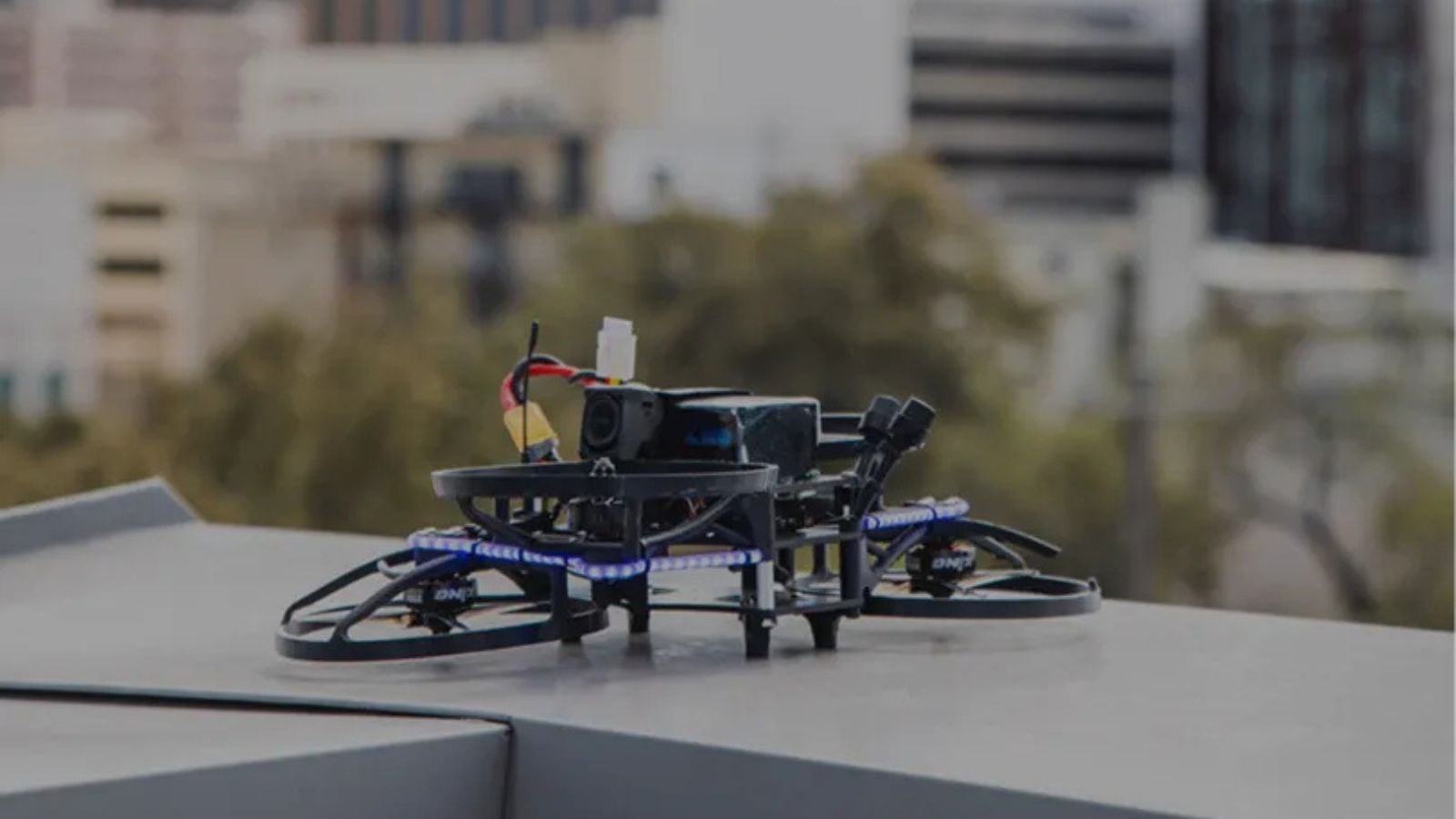
According to a report by CBS News, pilots can guide drones to zip through school corridors at up to 50 mph to locate a shooter in just 15 seconds. They then use a combination of strobe lights, sirens, and pepper gel to overwhelm the shooter.
In a worst-case scenario, the drone can be piloted to fly at 60 mph and hit the shooter. An impact at that speed could be significant in stopping the suspect, at least until the police arrive.
The drones can enter classrooms before officers arrive and potentially save lives, especially given that responding officers are fired upon in at least half of mass shooting incidents.
Fewer than 30 school shooting incidents were recorded annually during the 1970s and 1980s. By 2023, that number had climbed to a record 352 before declining slightly over the following two years.
Mithril CEO Justin Marston said of the drone program:
“These are the first schools we’re deploying into now. We think every school should have some kind of active-shooter suppression system, and five years from now, you wouldn’t send your kids to a school that doesn’t have one.”
Experts Suggest Addressing the Source of the Problem
Some education experts argue that preventing school violence should focus on its underlying causes rather than relying heavily on security technology. They warn that visible defensive measures could unintentionally increase fear among students.
They suggest investing in mental health services, strengthening relationships between students and staff, and fostering a supportive school environment as effective solutions.
Marston, however, said schools also need practical tools to respond to emergencies, much like fire safety systems are in place even as efforts continue to prevent fires:
“We should teach kids that they shouldn’t start fires … but I wouldn’t send my kids to a school that didn’t have a sprinkler system. They aren’t mutually exclusive.”
Regarding the cost of the drones, the report from CBS News stated that state-funded programs in five Georgia school districts and three in Florida will introduce Mithril Defense’s drones as part of their campus safety efforts.
The company says the system costs roughly $20,000 annually for an 80,000-square-foot campus, positioning it as a lower-cost alternative to hiring an additional school security officer.
View this post on Instagram