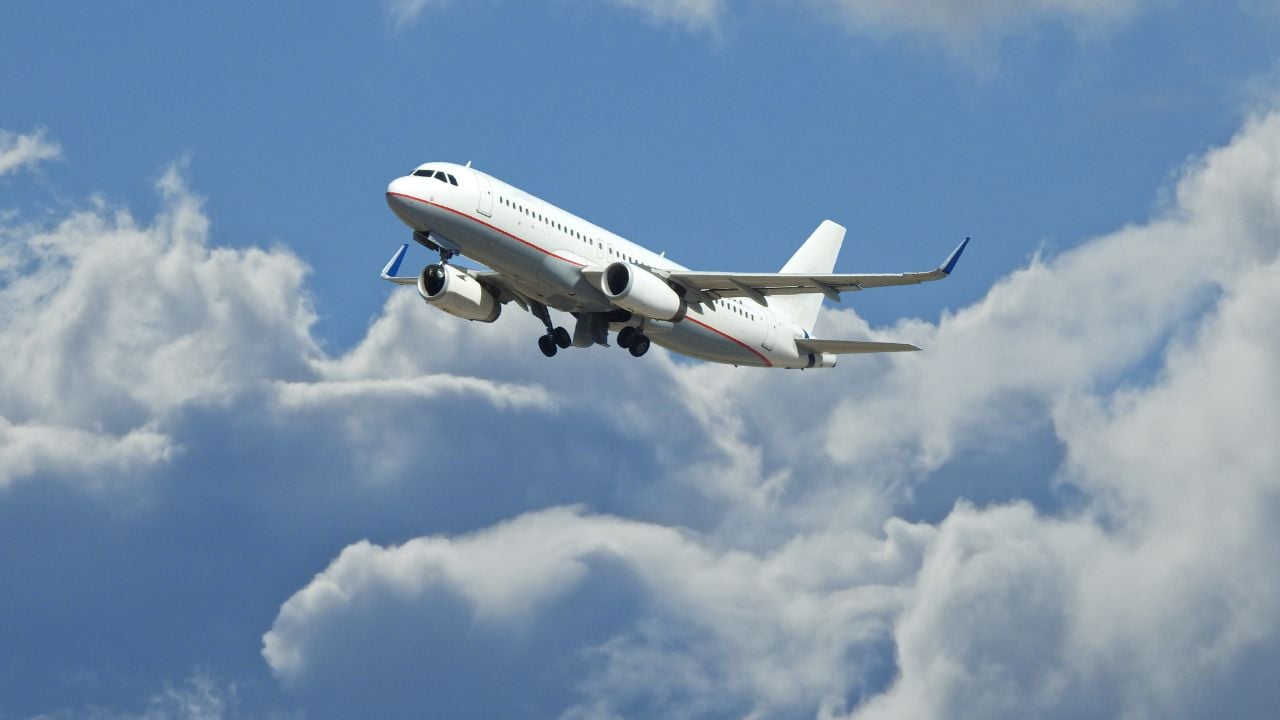
Flight anxiety has a nasty habit of making logic feel temporarily unemployed. You can know that flying is heavily regulated, that commercial aviation is extremely safe, and that the crew does this for a living, yet your body may still react as if it is being launched into a deeply unreasonable idea. That disconnect is part of why fear of flying feels so frustrating. It is rarely just about facts. It is also about loss of control, physical sensations, bad mental imagery, and a brain that loves to confuse discomfort with danger.
The good news is that experts do not treat this as a personality flaw or something you simply “get over.” Clinical guidance tends to point toward a mix of practical coping tools, nervous-system calming, and, when needed, real treatment such as cognitive behavioural therapy and exposure therapy. Research has also treated travel shame and avoidance as real psychological patterns rather than internet melodrama, and fear of flying itself is a recognized problem with evidence-based treatment options. So if flying makes you grip the armrest like it insulted your family, there are better options than white-knuckling your way to the gate.
1. Name the Exact Part of Flying That Scares You
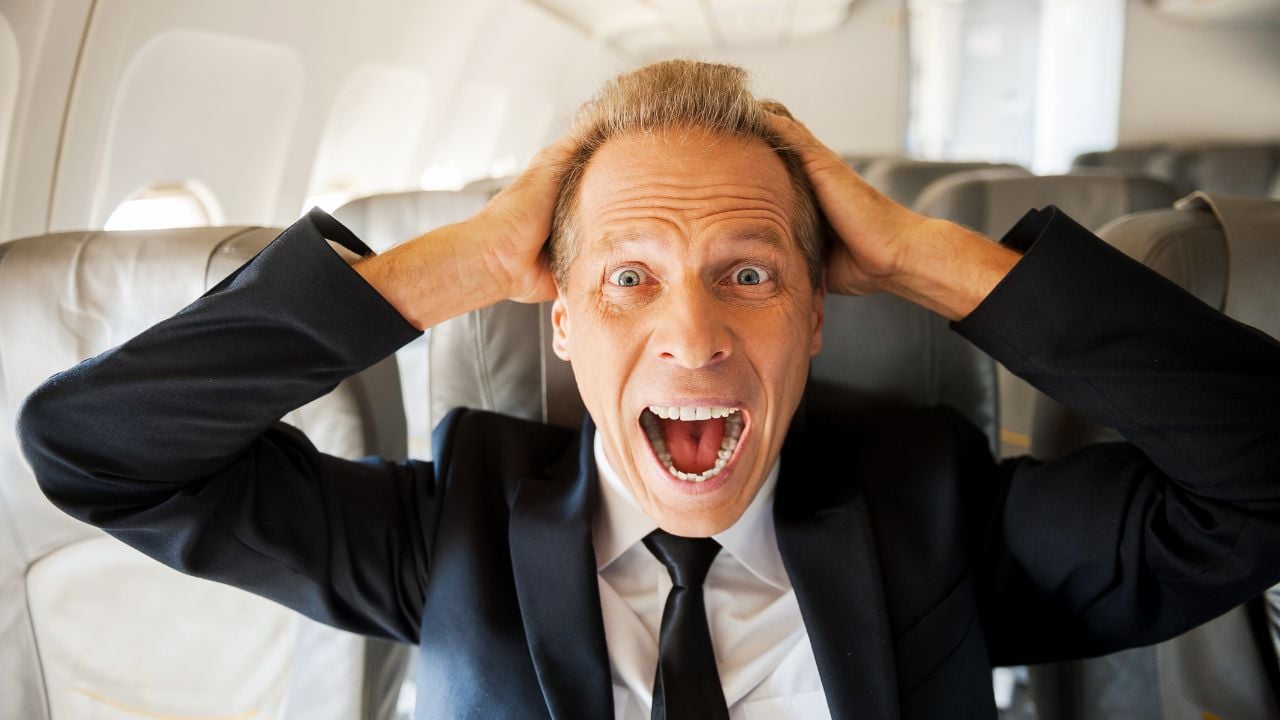
“Fear of flying” is often too broad to be useful. For some people, the real trigger is turbulence. For others, it is takeoff, claustrophobia, loss of control, bad news coverage, or the feeling of being trapped in a seat while their body goes into fight-or-flight mode. Mental health experts quoted by Afar note that aviophobia can be shaped by several psychological and environmental factors, including confinement and the sense of handing your safety over to someone else.
That is why this first step matters so much. A person afraid of turbulence may benefit from learning what turbulence actually is and what the seat belt does. A person afraid of panic sensations may need breathing and grounding tools. A person avoiding flights entirely may need structured therapy. One label can hide several very different problems.
2. Fight Catastrophic Thinking With Actual Facts
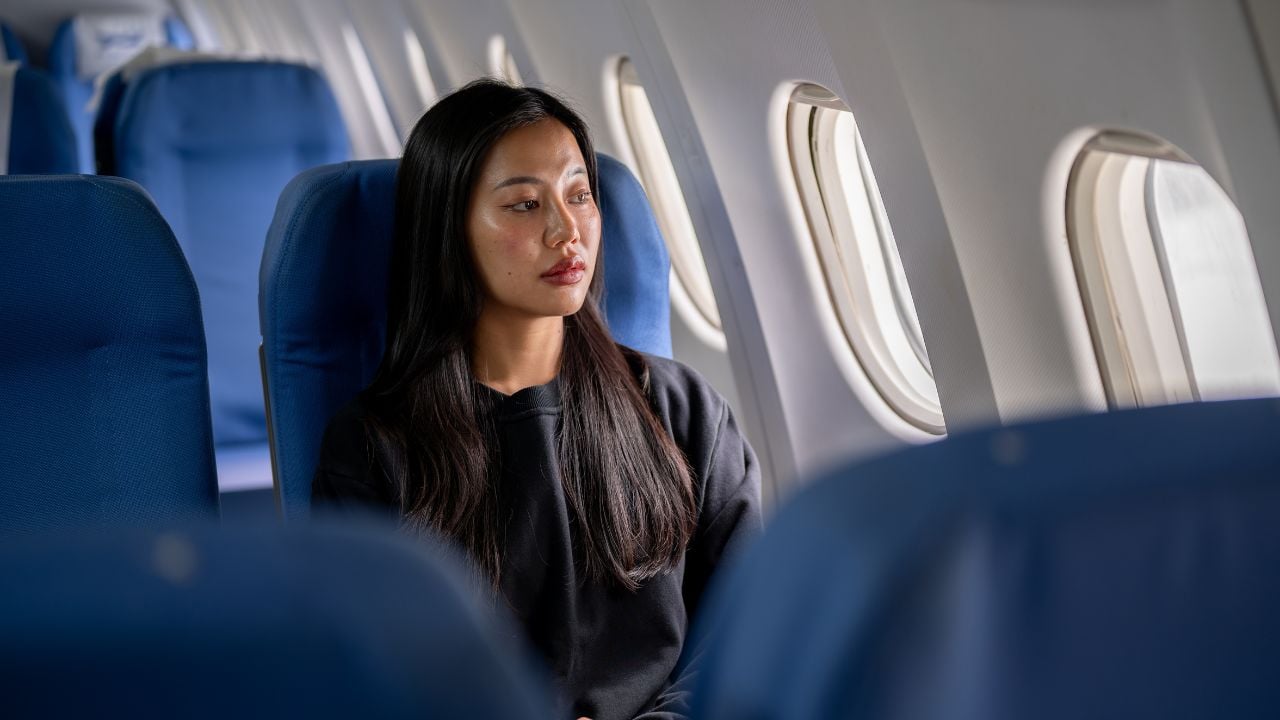
An anxious brain is excellent at turning “unlikely” into “imminent.” One of the more useful expert techniques is cognitive restructuring, which means challenging fear with evidence instead of letting the scariest thought run the whole cabin. In Afar, therapist Christian Bumpous recommends reframing fear with facts, and the aviation data gives you something sturdier to hold onto than panic-generated fiction. IATA said that in 2024 there were seven fatal accidents among 40.6 million flights, with 244 onboard fatalities among 4.8 billion passengers. That does not make fear disappear on command, but it does give your mind something real to work with.
This works even better when paired with a specific turbulence reminder, because many nervous fliers treat every bump like a coded message from doom. The FAA says turbulence is normal and happens often, and that the simplest passenger protection is equally clear: keep your seat belt buckled at all times while seated. That matters psychologically as well as physically, because a plan tends to calm the nervous system more than vague reassurance does.
3. Practice Before the Trip Instead of Waiting for the Plane To Fix You

One of the strongest evidence-based tools for phobias is exposure therapy. The NHS says CBT is often very effective for phobias and that gradual exposure, or desensitisation, is commonly used so people become less anxious over time. The American Psychological Association also notes that exposure therapy can include virtual or simulated practice, and it specifically uses fear of flying as an example of something that may be treated that way.
That means the work can start well before boarding. Experts quoted by Afar suggest guided exposure, such as carefully chosen aviation videos or fear-of-flying materials that explain safety rather than sensationalize disaster. The point is not to flood yourself with scary content. It is to let your brain encounter flight-related cues in a controlled setting, without the feared outcome happening, until those cues lose some of their power.
4. Use One Simple Breathing Routine and One Grounding Routine

When panic rises, your thoughts get noisy and your body starts acting as if danger is already in the cabin. That is where short, mechanical tools help. Experts recently told Afar that box breathing can be effective in flight: inhale for four seconds, hold for four, exhale for four, hold for four, then repeat. Cleveland Clinic says box breathing can help shift the body out of fight-or-flight mode and into the parasympathetic nervous system, which is exactly what you want when your body is staging a false alarm at 35,000 feet.
Grounding is the other half of that duo. Cleveland Clinic says grounding techniques help bring you back into the present moment and highlights sensory methods such as 3-3-3. Afar also points to the 5-4-3-2-1 exercise: identify five things you can see, four you can touch, three you can hear, two you can smell, and one you can taste. It is not glamorous, but it works because it drags your attention out of the disaster film in your head and back into the seat you are actually sitting in.
5. Control the Parts of the Experience You Actually Can Control
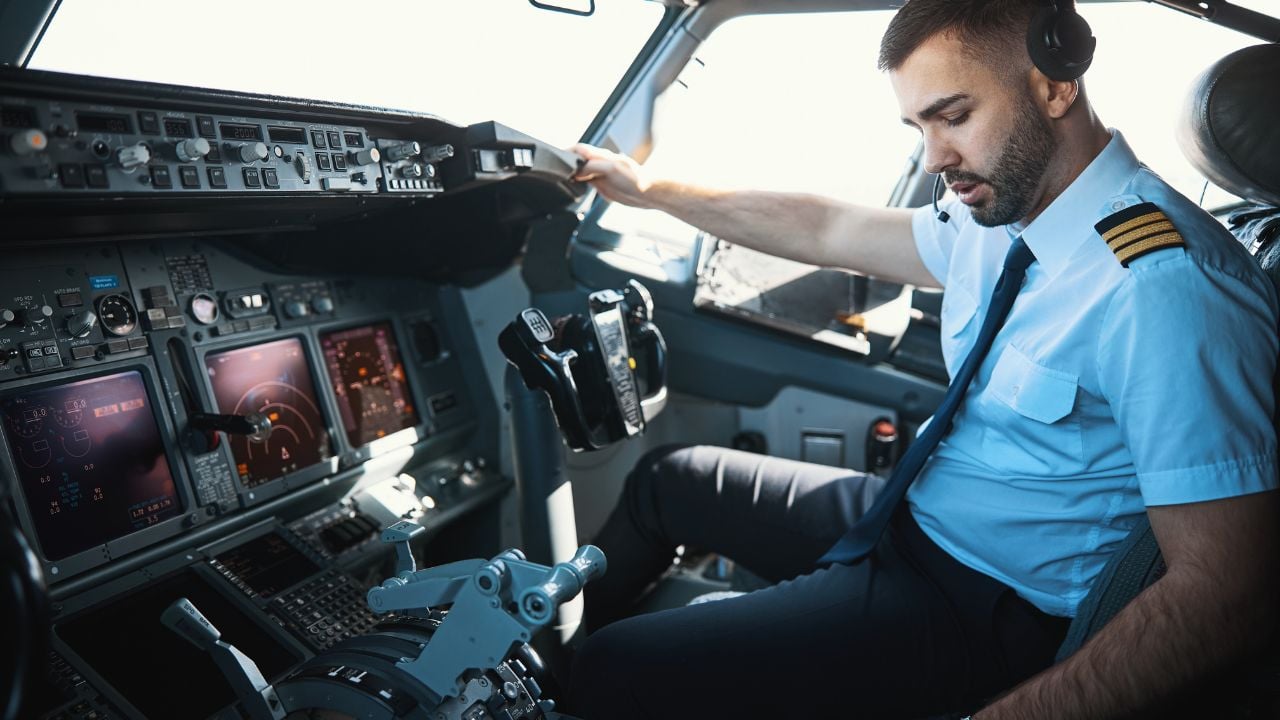
Experts often recommend reducing uncertainty wherever possible. Cleveland Clinic’s travel-anxiety guidance advises making a checklist, reflecting on what you need, and asking for help when unexpected issues come up. In Afar, psychologist Michele Nealon also recommends controlling what you can, such as choosing the seat that feels best to you, bringing distractions that genuinely calm you, and avoiding too much caffeine or alcohol, both of which can intensify anxiety.
This matters because anxious people often try to control the impossible parts, like weather or aircraft movement, while neglecting the useful ones, like hydration, sleep, entertainment, seat choice, and when to tell the crew they are struggling. Even the FAA’s turbulence guidance helps here: listen to the pilots and flight attendants, pay attention to the safety briefing, and keep the seat belt fastened while seated. Control may never be total in flight, but it does not need to be total to be calming.
6. If Fear Is Making You Avoid Flying, Get Real Treatment
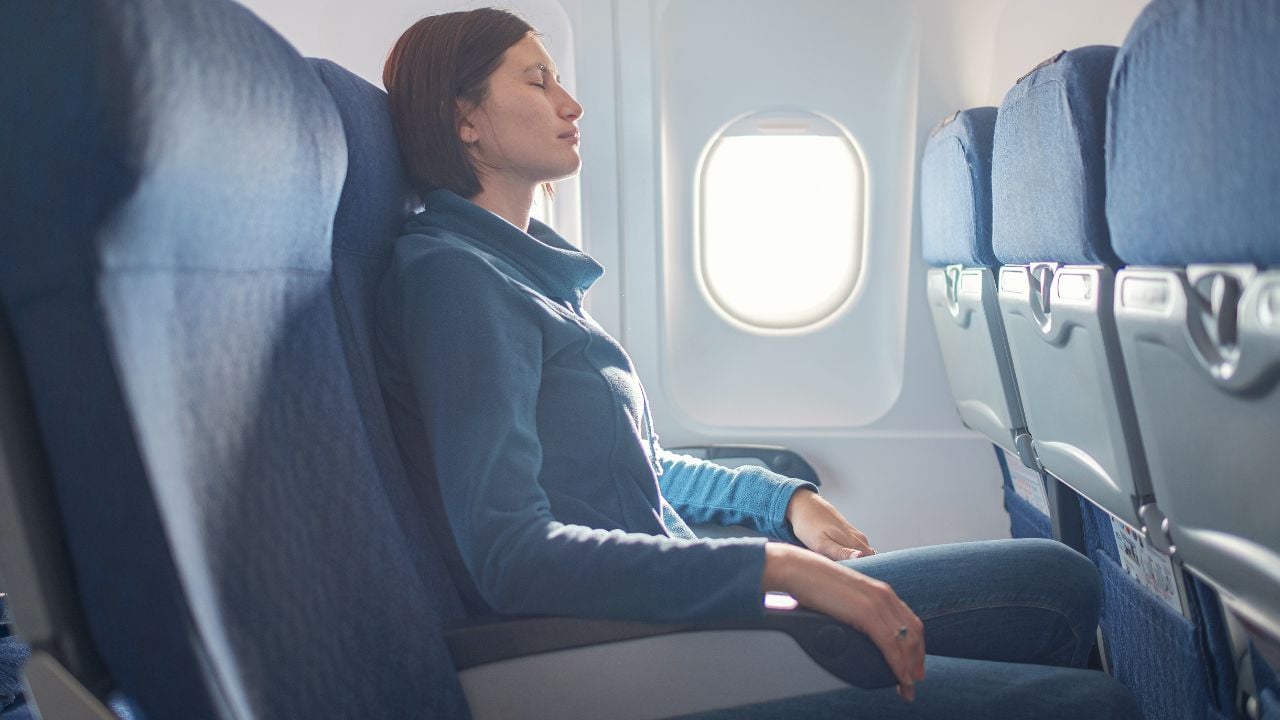
There is a difference between being a little tense at takeoff and structuring your life around avoidance. The NHS says medication is not usually recommended for phobias because talking therapies are usually effective, with CBT and gradual exposure among the most established approaches. The APA likewise says exposure-based treatment is a standard option for phobias, and Cleveland Clinic’s aviophobia guidance also points to CBT and trigger-specific coping techniques as treatment tools.
That is why experts quoted by Afar say it is worth seeking a therapist when fear of flying leads to canceled trips, panic attacks, or anxiety that starts affecting sleep, appetite, or daily life. At that point, the goal is no longer just surviving one journey. It is retraining the whole fear response so travel stops feeling like an emotional hostage situation.
Flight anxiety says very little about whether you are rational and quite a lot about how persuasive the nervous system can be when it decides to imagine danger. The most helpful response is not mockery, and it is not surrender. It is a set of tools: identify the trigger, answer fear with facts, practice gradual exposure, calm the body, control what you can, and get treatment when the fear starts running your calendar. That is not magic, but it is far better than pretending your clenched jaw is a travel strategy.