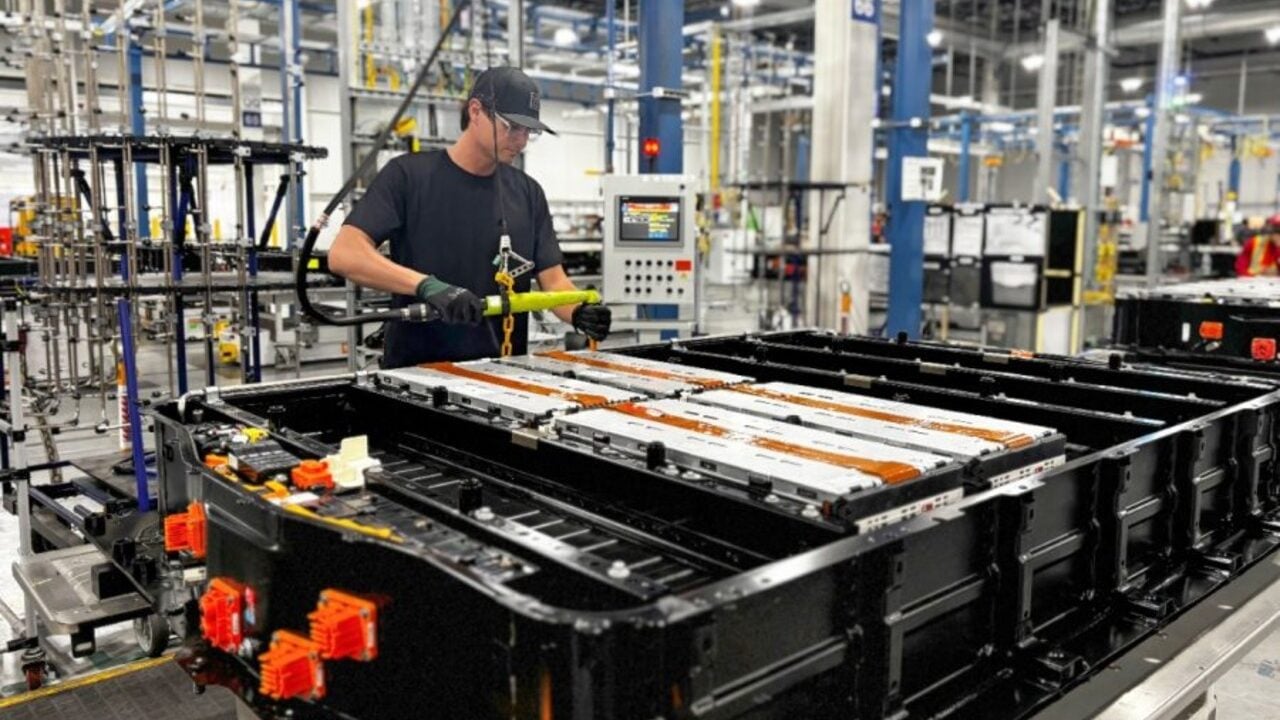
An old EV battery doesn’t necessarily become waste once its useful life in a car is over. General Motors has now demonstrated that some of its most valuable ingredients can go straight back into powering new vehicles.
GM has completed a closed-loop recycling pilot that recovered critical minerals from old EV batteries and turned them into new battery cells. Those cells aren’t staying in a laboratory, either.
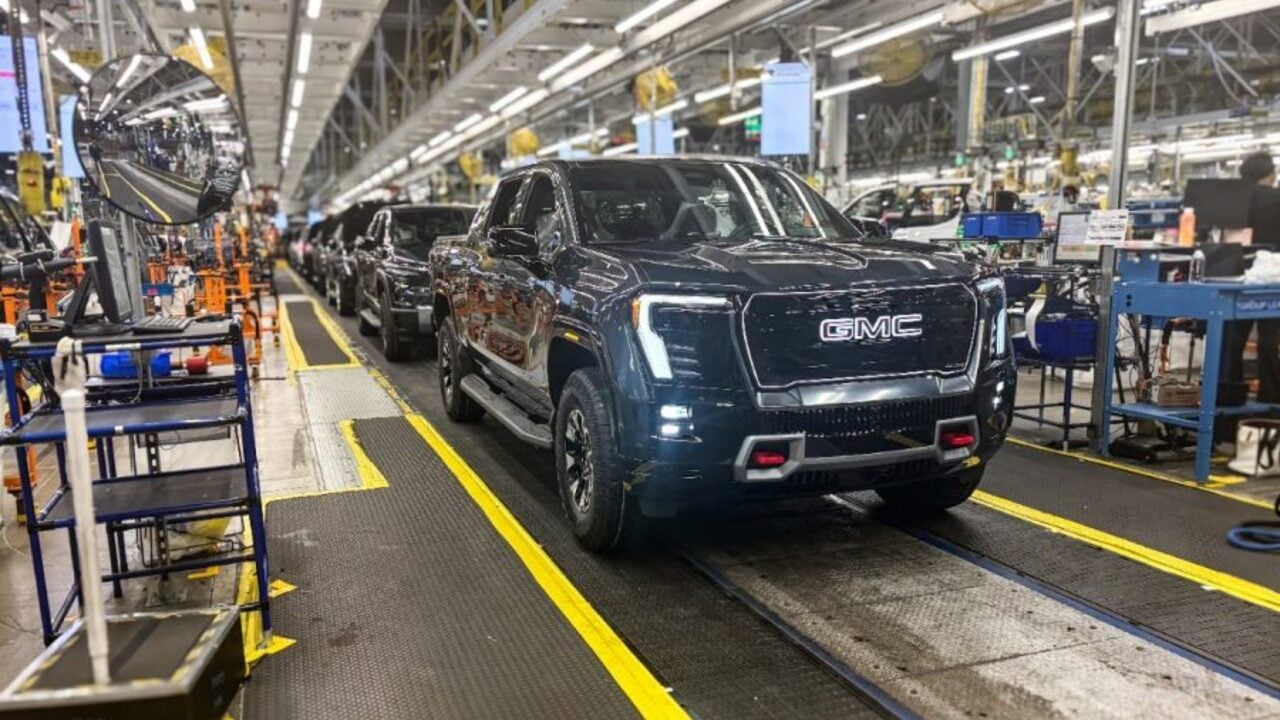
The first Cadillac, Chevrolet, and GMC EVs equipped with cells containing the recycled materials have already rolled off production lines. According to GM, they’re now heading to customers.
That means some buyers will soon be driving brand-new EVs containing battery materials that previously spent their lives inside other GM electric vehicles. More importantly, GM says the recycled material performs to the same standards as newly sourced material.
Old Batteries Become New Batteries
GM worked with Cirba Solutions to process 80 end-of-life GM EV batteries during the pilot. The packs were recycled and converted into “black mass,” a mixture containing valuable battery materials recovered after lithium-ion batteries are disassembled and separated.
That was only the beginning, as the recovered material was subsequently refined into over 12 metric tons of new cathode active material containing 100 percent recycled nickel, cobalt, and manganese.
GM says that material had to meet the same quality, safety, and performance requirements as material made using newly extracted resources. After testing showed cells containing the recycled materials performed as well as those using virgin material, Ultium Cells produced new cells with the recycled cathode material.
Those cells were then assembled into battery modules and packs at GM’s Factory ZERO and Spring Hill facilities.
Several GM EVs Already Have Them
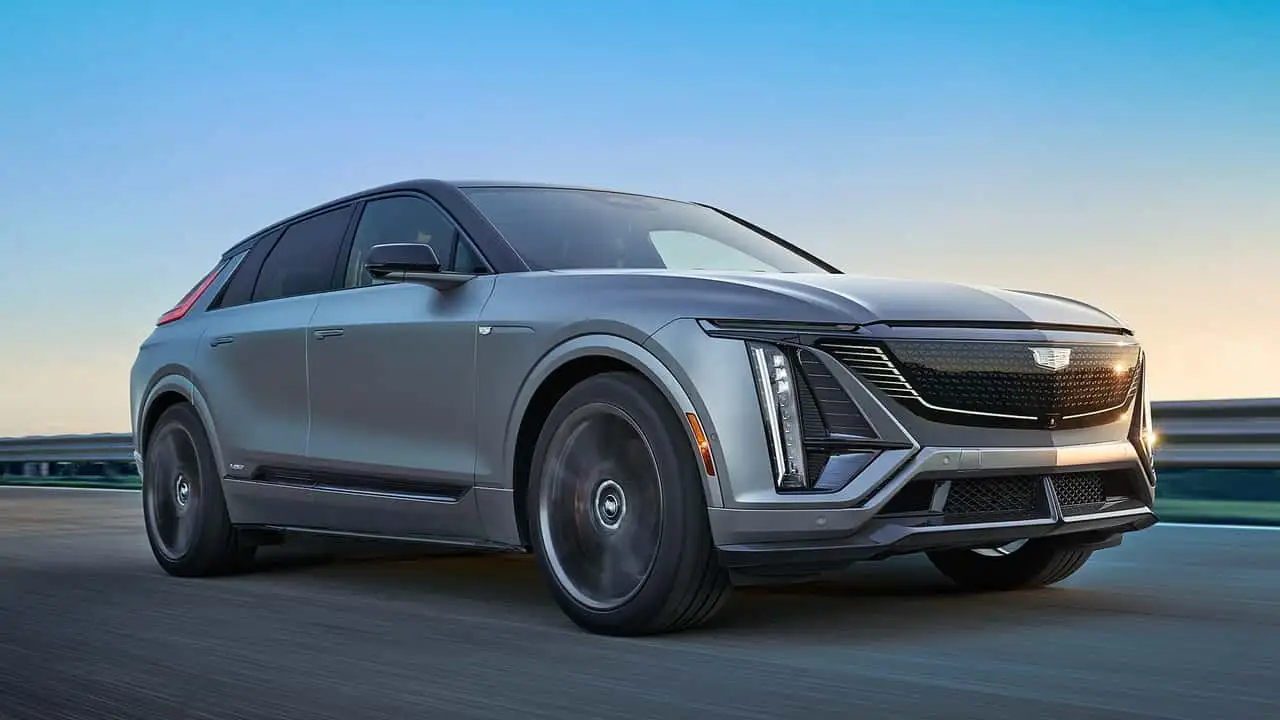
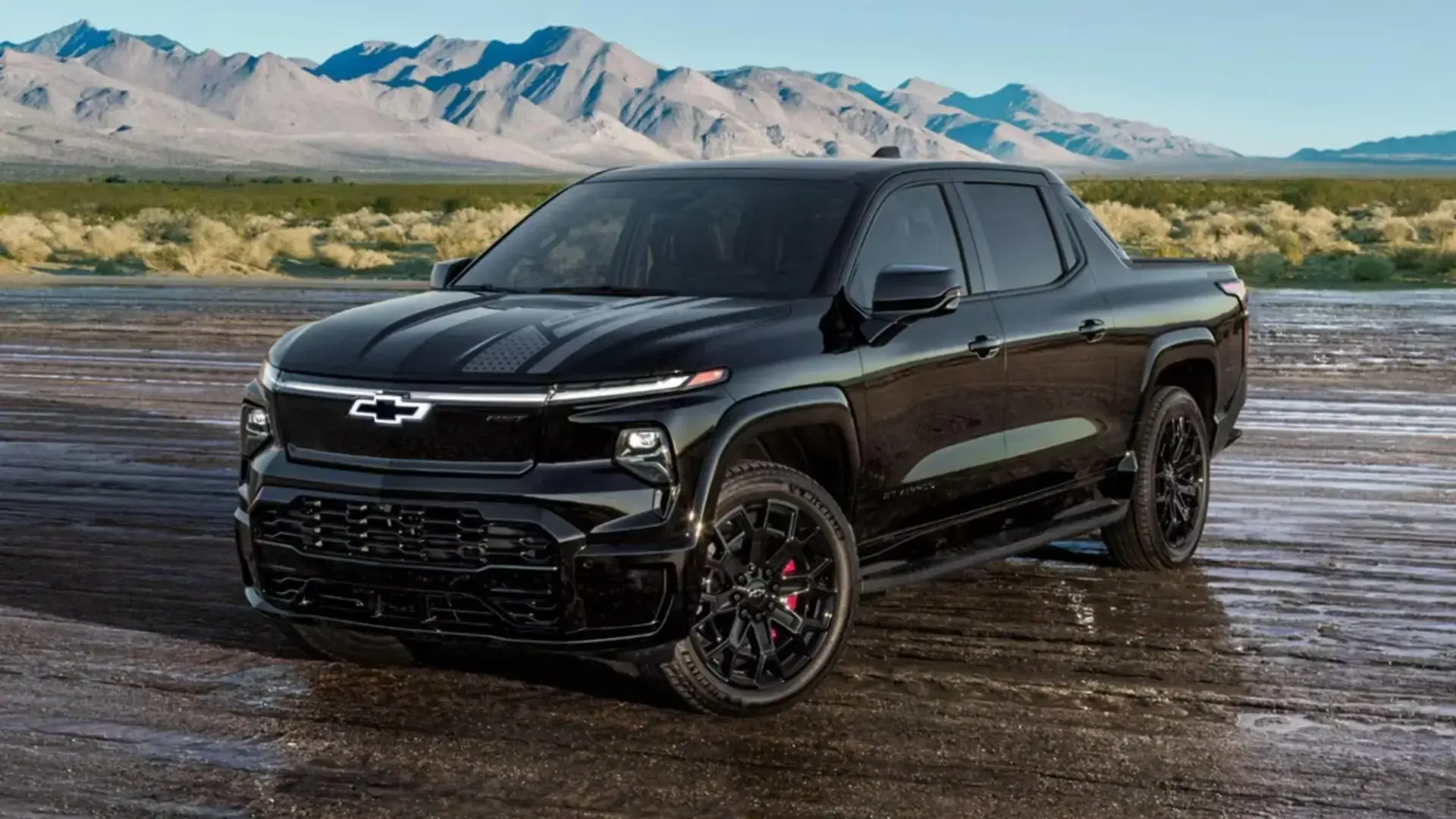
The first vehicles include the Cadillac Lyriq, Lyriq-V, Vistiq, Escalade IQ, and Escalade IQL. The Chevrolet Silverado EV Trail Boss and GMC Sierra EV AT4 are also part of the pilot.
GM says current recycling processes can recover up to 95 percent of the nickel, cobalt, and manganese from batteries, depending on chemistry and processing conditions. Lithium recovery can reach up to 80 percent, with the automaker expecting future technology could improve those figures.
Recovering those materials could eventually reduce demand for newly mined resources while helping lower battery costs and strengthen GM’s supply chain. However, GM stresses that this is still a pilot rather than a full-scale recycling program.
Porsche Is Working On The Same Idea
GM isn’t alone in trying to close the loop on EV batteries. Porsche recently announced that it had successfully produced prototype battery cells using recycled cathode materials recovered from old high-voltage batteries.
Porsche’s project is at an earlier stage, with the resulting cells undergoing testing rather than being installed in customer vehicles. The automaker says recycled raw materials from the program are expected to become available for new battery-cell production starting in 2028.
Both projects point toward recovering valuable materials from old EV batteries and feeding them back into the supply chain instead of relying entirely on newly extracted resources. GM has gone a step further by putting cells containing recycled materials into production EVs that are already heading to customers.
Recycling Isn’t Always The Next Stop
GM doesn’t necessarily want batteries sent straight to the recycling facility when they leave a vehicle. Its remanufacturing and refurbishment programs are designed to reuse over 70 percent of battery-pack components where possible.
Some packs can have an entirely different second career, as GM is working with Redwood Materials to deploy roughly 10,000 second-life batteries for stationary energy storage, including what the company calls North America’s largest second-life battery microgrid.
Eventually, those batteries can reach the recycling stage and potentially provide materials for another generation of EVs. GM’s pilot program has now demonstrated that the loop can actually be closed, as yesterday’s EV battery can contribute to building tomorrow’s.