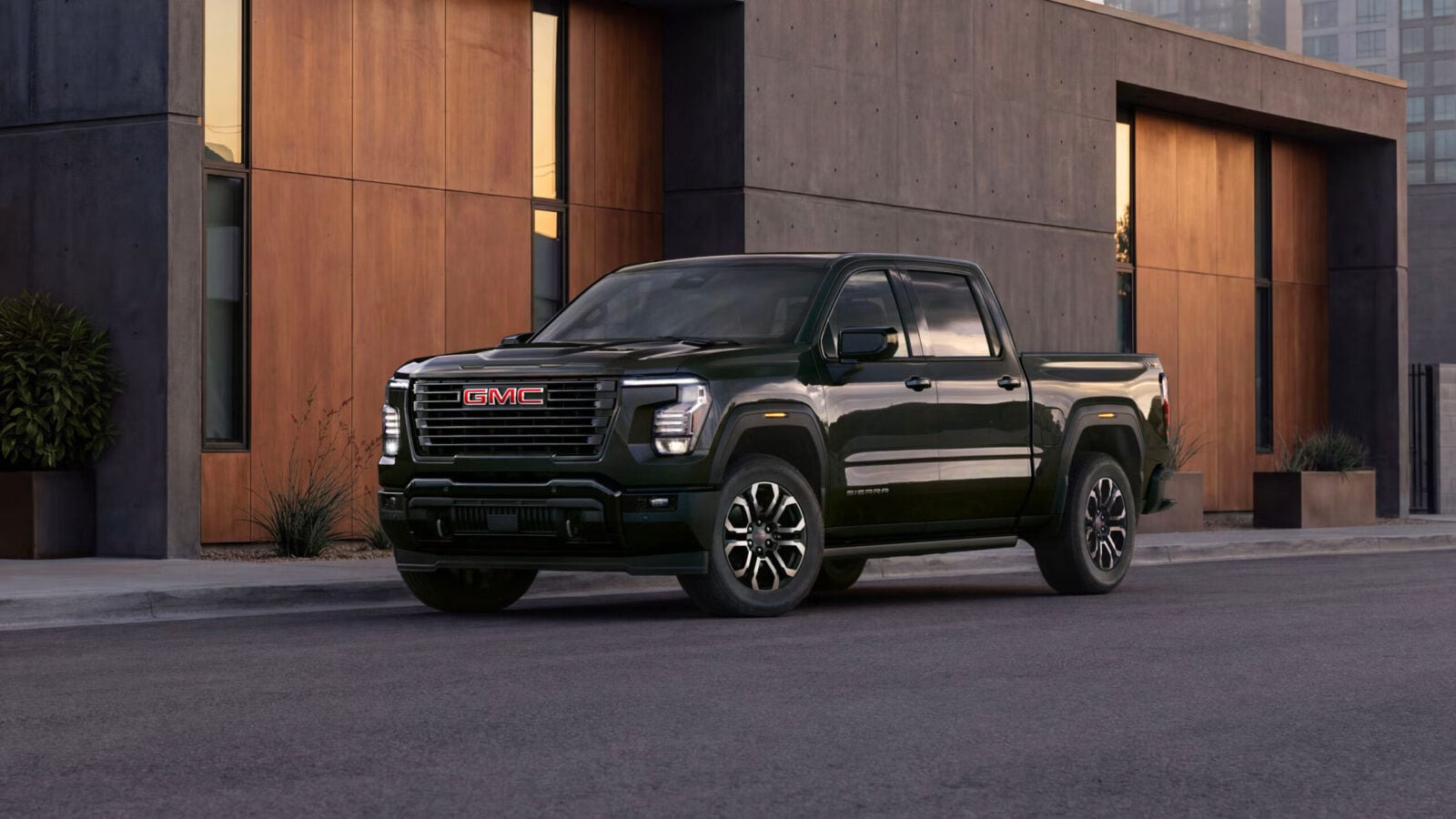
Diesel fuel might be expensive, but General Motors believes its diesel-powered pickup trucks still have an advantage over hybrid rivals. GM CEO Mary Barra said the company’s Duramax-equipped trucks are efficient enough to deliver lower ownership costs despite higher diesel prices.
Barra made the claim during GM’s third-quarter 2026 earnings call while responding to a question about whether rising diesel prices could hurt demand. She argued that the fuel efficiency of GM’s diesel engines helps offset the additional cost at the pump.
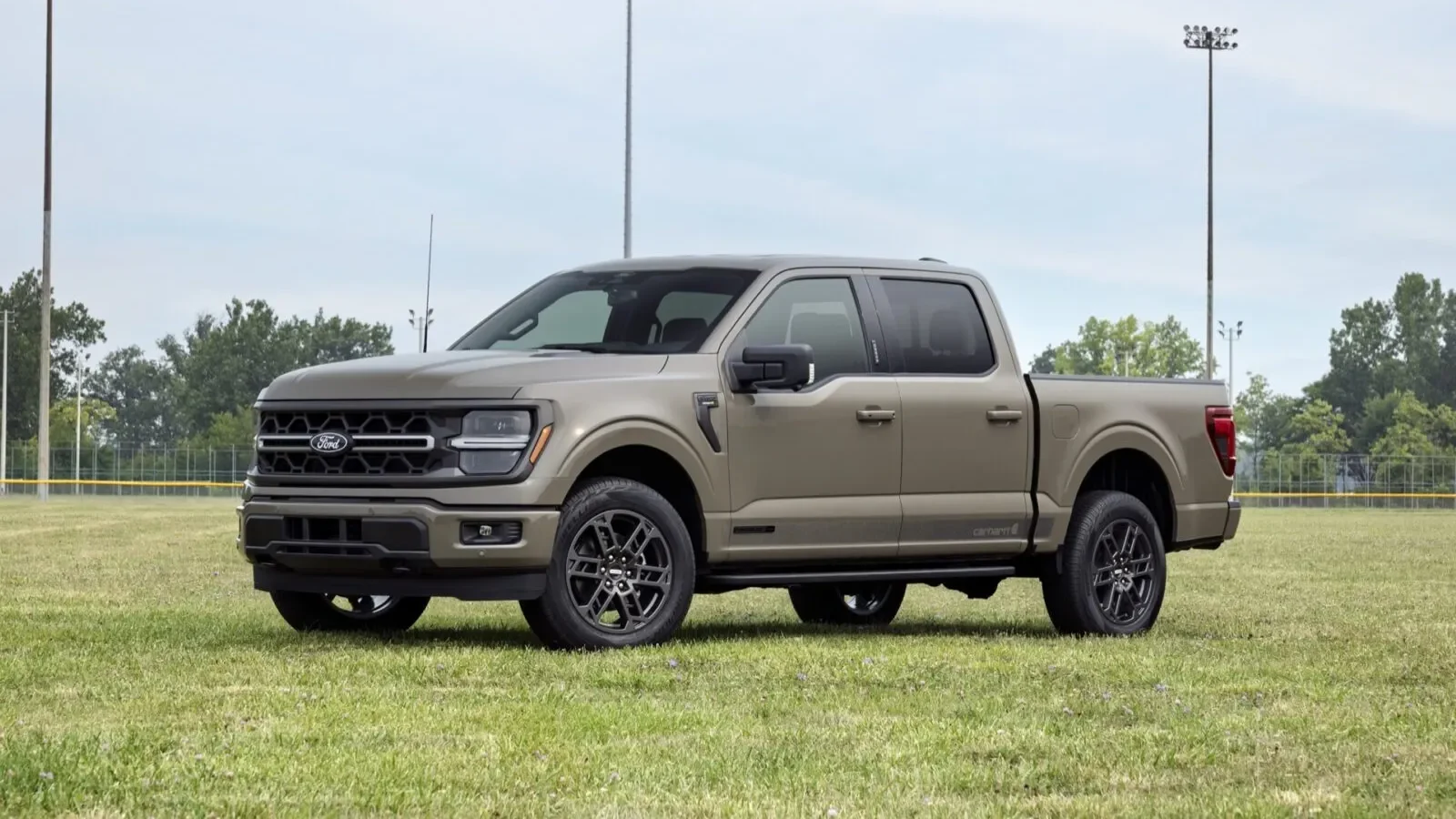
The discussion appears to center on GM’s 3.0-liter Duramax turbo-diesel inline-six, available in the Chevrolet Silverado 1500 and GMC Sierra 1500. Its main competitors include the Ford F-150 PowerBoost hybrid and Toyota Tundra i-Force Max hybrid.
Fuel economy figures give GM some support, although they don’t tell the entire ownership-cost story. Maintenance, fuel prices, and the amount of driving an owner does can all affect which truck ends up costing less to operate.
The Duramax Has A Fuel Economy Advantage
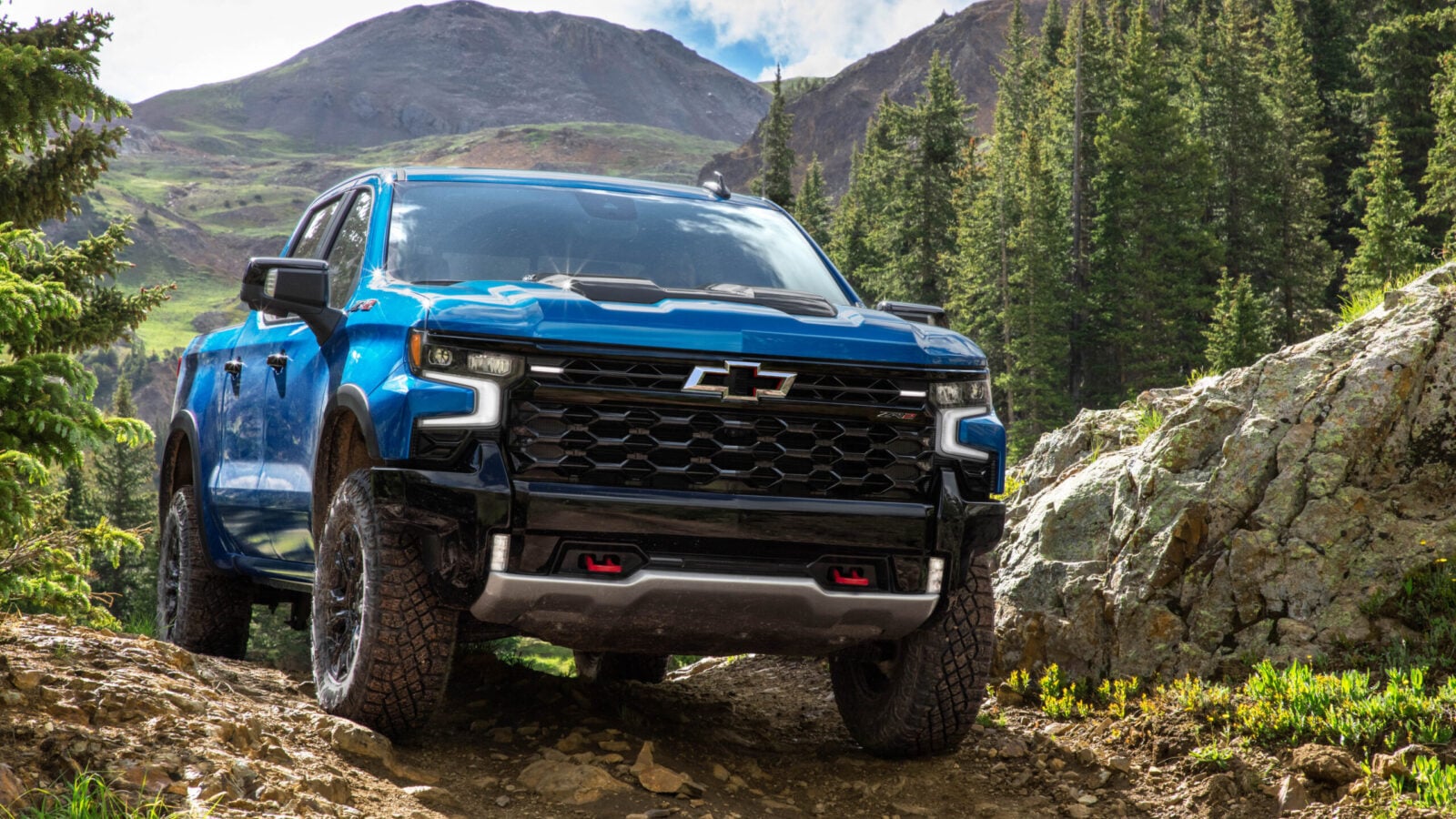
According to figures compiled by GM Authority, a four-wheel-drive truck equipped with the 3.0-liter Duramax achieves an EPA-rated 24 mpg combined. The Ford F-150 PowerBoost hybrid returns 23 mpg, while the Toyota Tundra i-Force Max hybrid manages 20 mpg.
The Duramax also leads in highway efficiency, returning 26 mpg compared with 24 mpg for the Ford and 22 mpg for the Toyota. In city driving, the Duramax and Ford are tied at 22 mpg, while the Toyota returns 19 mpg.
In GM Authority’s comparison of 2026 models, the Duramax-equipped truck also has the lowest listed starting price at $54,040. The Ford comes in at $54,810, while the Toyota costs $60,755.
Hybrid Trucks Offer More Power
Fuel efficiency isn’t everything, especially when comparing full-size pickups. GM’s 3.0-liter Duramax produces 305 horsepower and 495 lb-ft of torque, which is significantly less than either hybrid competitor.
Ford’s 3.5-liter twin-turbo PowerBoost V6 delivers 430 horsepower and 570 lb-ft, while Toyota’s twin-turbo i-Force Max produces 437 horsepower and 583 lb-ft. Both hybrids offer stronger acceleration, giving buyers something in return for their lower fuel economy.
The Duramax’s appeal lies in its combination of efficiency and torque rather than outright performance. For drivers who spend a lot of time on the highway, that could be an attractive trade-off.
Lower Fuel Consumption Doesn’t Guarantee Lower Ownership Costs
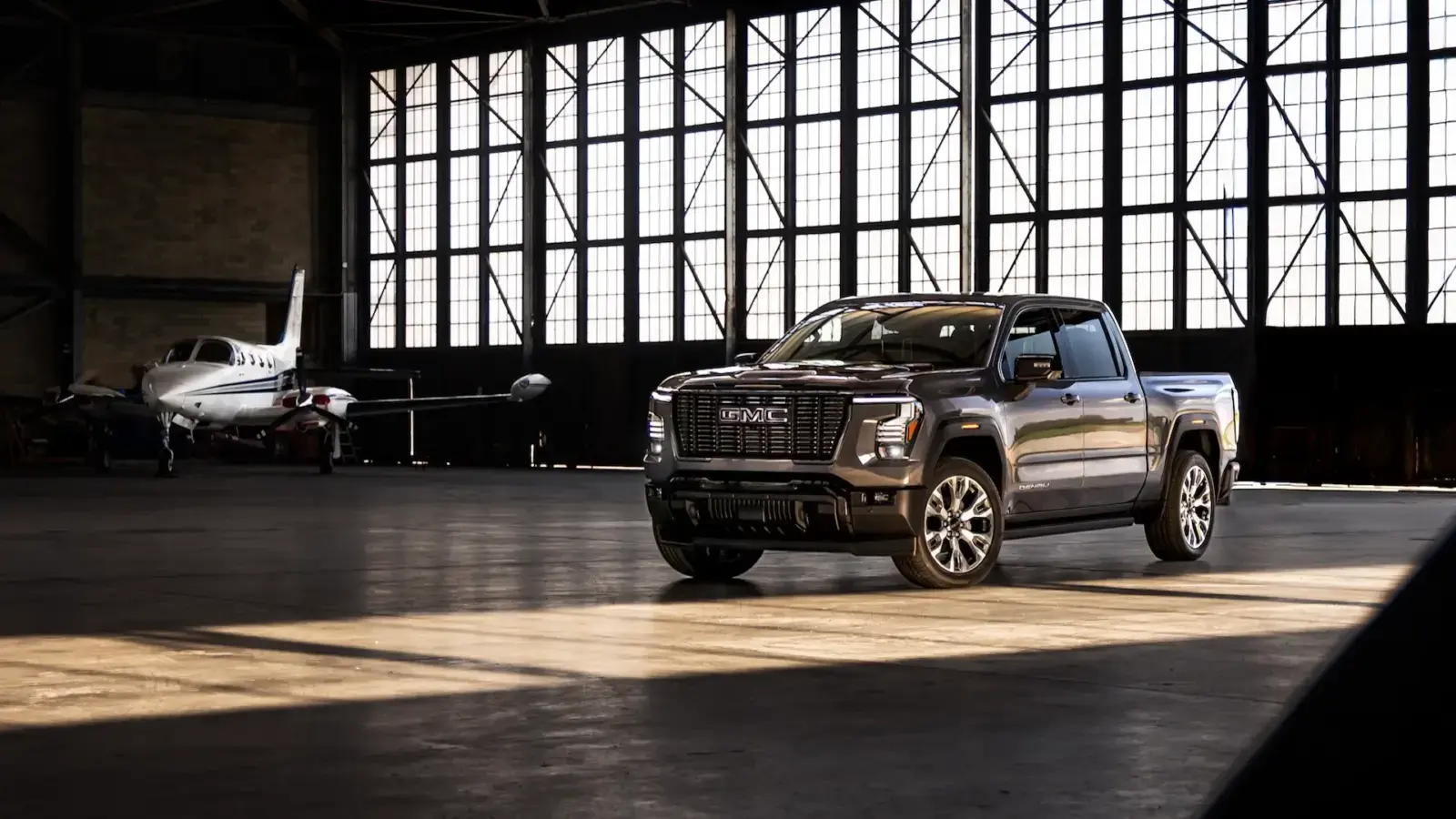
Although the Duramax uses less fuel, diesel generally costs more per gallon than regular gasoline. Diesel owners also need to account for maintenance expenses and diesel exhaust fluid, which adds another recurring cost.
The relatively small fuel economy difference between the Duramax and Ford’s hybrid makes the calculation highly dependent on local fuel prices. A one-mpg advantage doesn’t automatically translate into lower running costs.
GM has a reasonable argument when it comes to fuel efficiency, but Barra’s ownership-cost claim is harder to establish. Buyers would need to consider their annual mileage, maintenance expenses, and local fuel prices before deciding which truck is actually cheaper to keep.